I needed a professional consultation explanation of procedure for safe removal of Asbestos in my apartment complex. Without having an account yet, I was very impressed with the caring, knowledgeable and generous advice offered by Jessica, and will look forward to doing business in the future. Thank you so much! I feel much more informed about a sometimes scary endeavor. Peace. Nancy Silva Mineola, NY.
Mia Munoz
Used this company to clean up some water flood in my house. They were fast and easy to work with.very professional, Would recommend to anyone!
Nini Valle
Great company, had a flood and they responded quickly and efficiently. Billed my insurance company directly. I highly recommend this company!
joe colapietro, jr
I had pipe freeze in my basement right before a snow storm and they made to within an hour to help start the clean up process. They we by our side throughout the entire process and even helped with the insurance company. They did such a great job with the cleanup, repair, remidiation, I contracted them to perform the repairs and finishes in the basement. They came with enough manpower and material to get the job done. Leo and Jessica were nothing but a pleasure to deal with!!
Cristian Arredondo c
I had some water damage in my home and Green Island was able to take care of my issue quickly and effectively. I am very pleased with the work they did. They responded quickly and were very professional.
Michael M
Outstanding service! From the office to the field crew everyone was friendly, helpful and responsive. I highly recommend Green Island Group.
You get your basement back the way it was before the backup happened. No lingering odors that make you hold your breath when you walk downstairs. No wondering if dangerous bacteria are still lurking in corners where other companies cut corners.
The difference is in what happens after we pump out the water. While others might call it done, we’re just getting started on the work that actually matters. Complete structural drying prevents the mold growth that shows up weeks later. Professional deodorization eliminates the smells that remind you this ever happened.
Your insurance company gets the documentation they need. Your family gets their space back. You get peace of mind knowing it was handled right the first time.
We’ve been serving Beechhurst and surrounding Queens communities through every type of water emergency. We’ve seen what happens when the city’s aging sewer system gets overwhelmed during heavy rains – the same flooding patterns that hit neighborhoods from Bayside to East Elmhurst.
We’re the team that shows up when your basement is ankle-deep in contaminated water at 2 AM. Licensed, insured, and equipped with the industrial-grade equipment needed to handle hazardous waste safely. Our technicians are IICRC-certified because sewage cleanup isn’t something you learn on YouTube.
When Queens homeowners need sewage cleanup done right, they call us. Not because we’re the cheapest, but because we’re the ones who understand that your family’s health and your home’s future depend on getting this fixed completely.
First, we assess the contamination level and get your family out of harm’s way. Sewage contains bacteria, viruses, and toxins that can cause serious illness – especially dangerous for children and elderly family members.
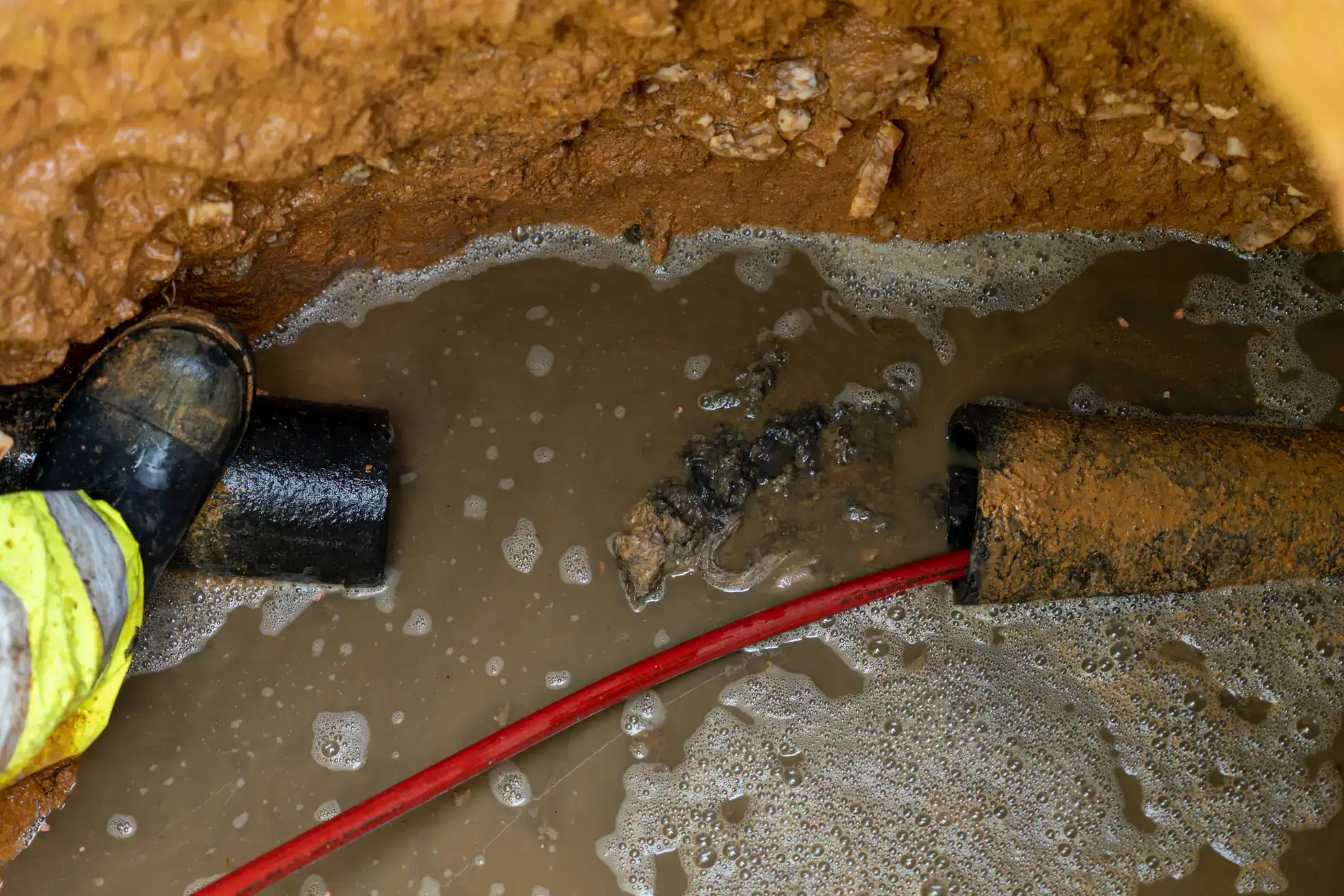
Next comes complete water extraction using powerful pumps designed for contaminated water. We’re not just removing what you can see. We’re extracting moisture that’s soaked into subflooring, behind walls, and in places that become mold factories if not addressed properly.
Then we begin structural drying with commercial-grade dehumidifiers and air movers. This process takes days, not hours, because rushing it means mold problems later. We monitor moisture levels until everything tests completely dry.
Finally, we sanitize and deodorize every surface the sewage touched. This isn’t spraying air freshener – it’s eliminating the bacteria and odor sources at the molecular level so your basement doesn’t smell like a sewer for months afterward.
Your sewage cleanup includes emergency water extraction, complete structural drying, antimicrobial treatment, and professional deodorization. We handle contaminated material removal, moisture monitoring, and air quality testing to ensure your home is safe for your family.
In Beechhurst, we see the same patterns other Queens neighborhoods face. Heavy rains overwhelm the sewer system, and homes with basement apartments or finished basements get hit hardest. The difference between a $3,000 cleanup and a $15,000 disaster often comes down to how quickly professional help arrives and how thoroughly the job gets done.
We work directly with your insurance company, providing the documentation and professional assessment they require for sewage backup claims. Most homeowners don’t realize their standard policy might not cover sewer backups – but we help navigate those details so you’re not stuck with surprise bills.
Our service area covers all of Queens, but we know Beechhurst’s specific challenges. From the older homes near the waterfront to the basement apartments that flood repeatedly, we’ve restored them all.
How quickly can you respond to a sewage backup emergency in Beechhurst?
We guarantee arrival within 60 minutes for sewage emergencies in Beechhurst and throughout Queens. Sewage backup is a health emergency, not just a plumbing problem – every hour of exposure increases health risks for your family.
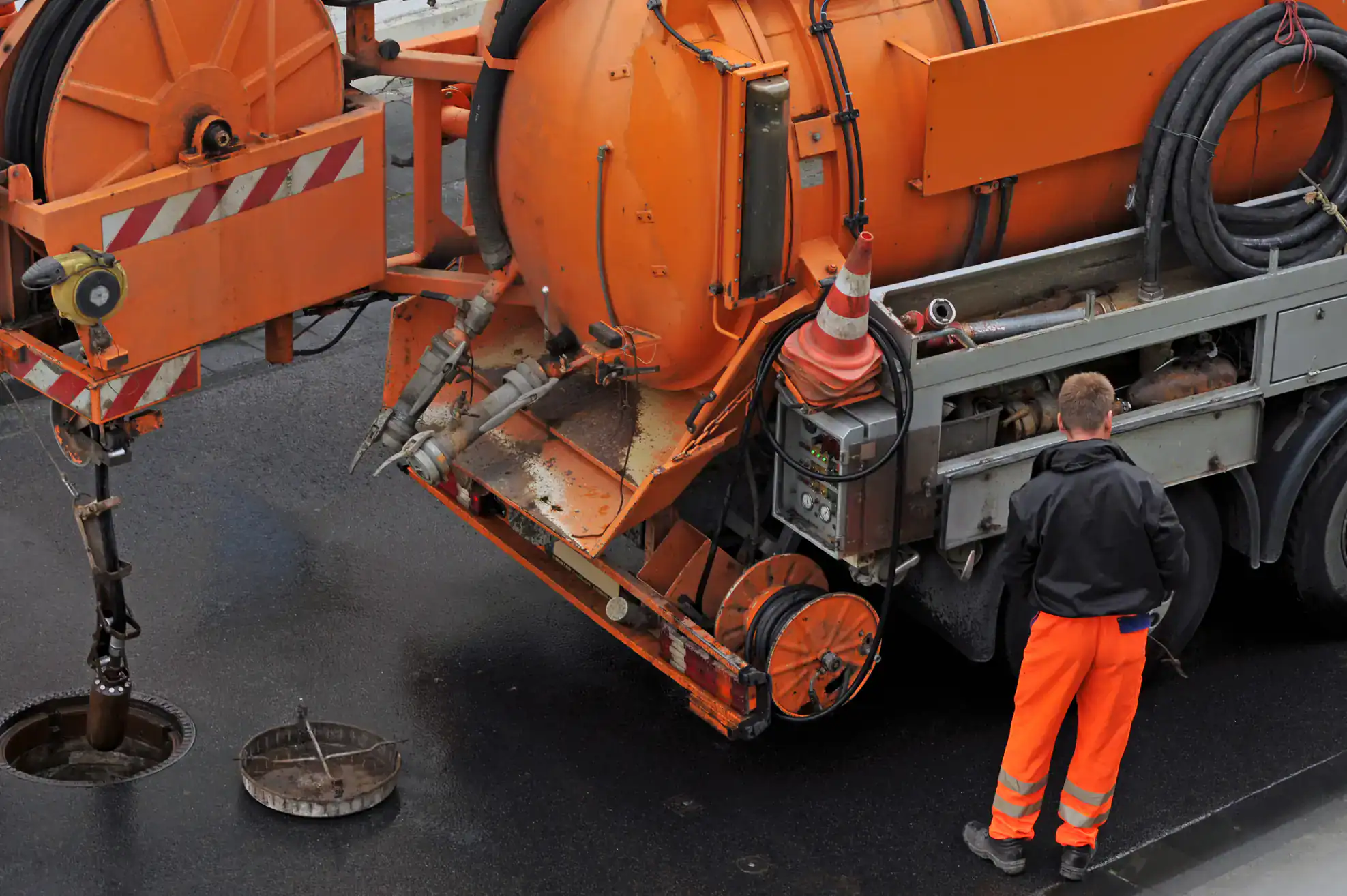
Our emergency response team is available 24/7 because sewage backups don’t wait for business hours. We keep fully-equipped trucks ready to respond immediately, with all the pumps, safety equipment, and sanitization materials needed to start protecting your family right away.
When you call, you’ll speak directly with our dispatch team who can walk you through immediate safety steps while our crew is en route. We know which areas of Queens are prone to sewer backups during heavy rains, so we position our teams accordingly during storm events.
What makes sewage cleanup different from regular water damage restoration?
Sewage is classified as Category 3 “black water” – the most dangerous type of contamination. Unlike clean water from a burst pipe, sewage contains human waste, bacteria, viruses, and toxic chemicals that require specialized handling and equipment.
Everything sewage touches must be treated as hazardous waste. Carpet, drywall, insulation, and personal belongings often can’t be saved and must be properly disposed of. Our technicians wear full protective equipment and follow strict protocols to prevent cross-contamination.
The cleanup process is more intensive too. We use antimicrobial treatments specifically designed for sewage contamination, not just standard cleaning products. Air scrubbers remove airborne contaminants, and we test air quality before declaring the space safe for occupancy. Regular water damage companies aren’t equipped or trained for this level of biohazard cleanup.
Will my homeowner's insurance cover sewage backup cleanup costs?
Standard homeowner’s insurance typically doesn’t cover sewer backup damage – this is one of the most common coverage gaps that surprises homeowners. However, many insurance companies offer sewer backup endorsements for an additional premium, usually $50-250 per year.
We work directly with insurance companies and understand exactly what documentation they need for claims. Our detailed reports include moisture readings, contamination assessments, and photographic evidence that helps support your claim if you do have coverage.
If you don’t have sewer backup coverage, we offer payment plans and work with you on pricing. The cost of professional cleanup is always less than the cost of doing it wrong – mold remediation, structural repairs, and health issues from improper cleanup can cost tens of thousands more than getting it done right the first time.
How do you prevent mold growth after sewage cleanup?
Mold prevention starts with complete moisture removal – not just what you can see, but moisture trapped in walls, subflooring, and structural materials. We use thermal imaging cameras to identify hidden moisture pockets that become mold breeding grounds if missed.
Our structural drying process continues until moisture readings return to normal levels, which typically takes 3-5 days depending on the extent of saturation. We place commercial dehumidifiers and air movers strategically to create airflow patterns that draw moisture out of building materials.
We also apply antimicrobial treatments to all affected surfaces before and after drying. These treatments don’t just clean – they create an environment where mold spores can’t establish colonies. We monitor the space for 48-72 hours after equipment removal to ensure moisture levels remain stable and no mold growth begins.
What should I do immediately after discovering sewage backup in my home?
First, get everyone out of the affected area immediately, especially children and elderly family members. Sewage contains dangerous bacteria and viruses that can cause illness through skin contact or breathing contaminated air.
Turn off electricity to the flooded area at the circuit breaker – never enter standing water if electrical outlets or appliances might be submerged. If you can safely access the main water shut-off, turn it off to prevent additional water from entering the sewer system.
Don’t try to clean sewage yourself with household cleaners or equipment. Regular shop vacuums aren’t designed for contaminated water and can spread dangerous bacteria throughout your home. Call us immediately – we’ll walk you through safety steps while our emergency team is en route.
How long does complete sewage cleanup and restoration take?
Emergency water extraction typically takes 4-8 hours depending on the volume of sewage. However, complete restoration including structural drying, sanitization, and deodorization usually takes 5-10 days from start to finish.
The drying phase can’t be rushed – moisture trapped in building materials needs time to evaporate completely or you’ll have mold problems within weeks. We use moisture meters to track progress and only remove equipment when readings confirm everything is completely dry.
Reconstruction timeline depends on how much material needs replacement. Minor sewage backups might only require new flooring and fresh paint. Major backups that damage drywall, insulation, and structural elements can take 2-3 weeks for complete restoration. We provide detailed timelines after our initial assessment so you know exactly what to expect.