I needed a professional consultation explanation of procedure for safe removal of Asbestos in my apartment complex. Without having an account yet, I was very impressed with the caring, knowledgeable and generous advice offered by Jessica, and will look forward to doing business in the future. Thank you so much! I feel much more informed about a sometimes scary endeavor. Peace. Nancy Silva Mineola, NY.
Mia Munoz
Used this company to clean up some water flood in my house. They were fast and easy to work with.very professional, Would recommend to anyone!
Nini Valle
Great company, had a flood and they responded quickly and efficiently. Billed my insurance company directly. I highly recommend this company!
joe colapietro, jr
I had pipe freeze in my basement right before a snow storm and they made to within an hour to help start the clean up process. They we by our side throughout the entire process and even helped with the insurance company. They did such a great job with the cleanup, repair, remidiation, I contracted them to perform the repairs and finishes in the basement. They came with enough manpower and material to get the job done. Leo and Jessica were nothing but a pleasure to deal with!!
Cristian Arredondo c
I had some water damage in my home and Green Island was able to take care of my issue quickly and effectively. I am very pleased with the work they did. They responded quickly and were very professional.
Michael M
Outstanding service! From the office to the field crew everyone was friendly, helpful and responsive. I highly recommend Green Island Group.
Your property doesn’t just look clean—it’s genuinely safe again. No lingering odors. No hidden bacteria threatening your family’s health. No structural damage undermining your investment.
That’s what professional sewage cleanup delivers. Within hours of our arrival, the immediate crisis gets contained. Within days, you’re back to living normally in a space that’s been restored to pre-loss condition.
The difference isn’t just visible—it’s measurable in air quality tests, moisture readings, and the absence of problems that surface weeks later when cleanup isn’t done right.
Green Island Group has handled sewage emergencies across Long Island for years. In Bellaire, aging Queens infrastructure means sewage backups happen more often than they should—especially during heavy rains that overwhelm drainage systems.
You’re dealing with sewer lines that are decades old. Storm systems that can’t handle today’s weather patterns. Property owners who’ve seen this problem before and know how quickly it escalates.
When you call us, you get technicians who’ve worked in hundreds of Bellaire homes and know exactly what your property needs to be safe again.
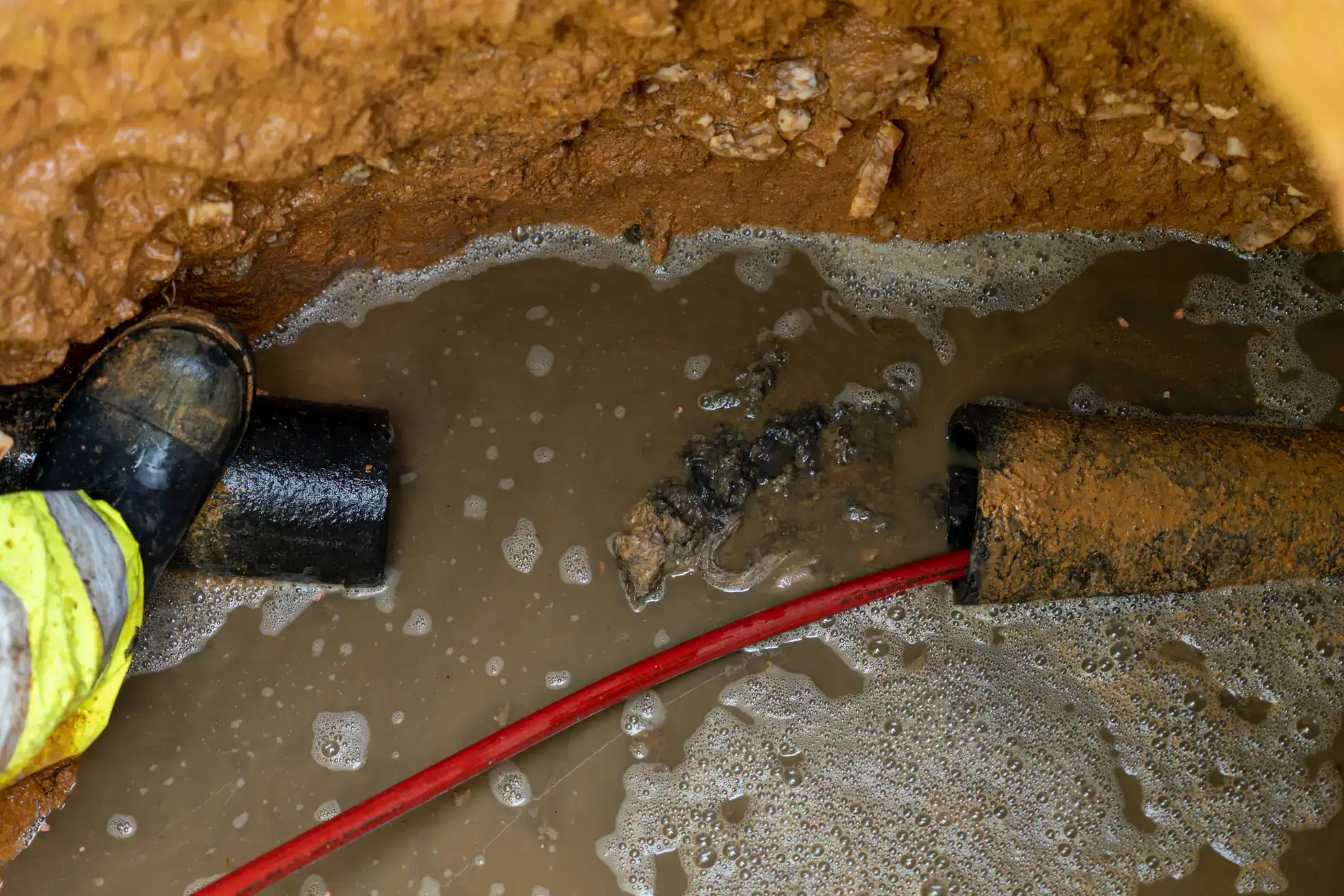
First, assessment and containment. We assess the situation, identify the source, determine contamination levels, and create a plan that prevents the problem from spreading while we work.
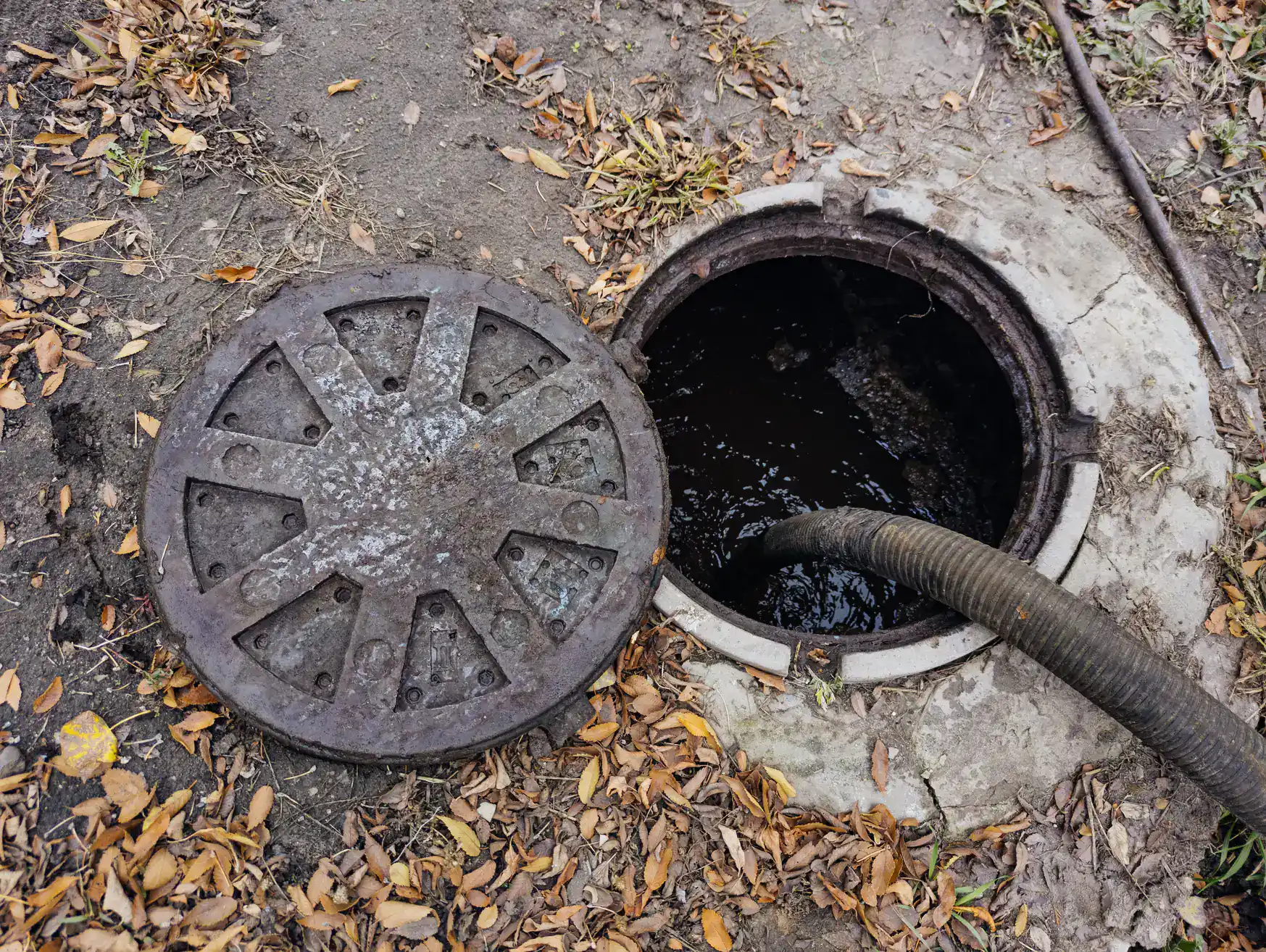
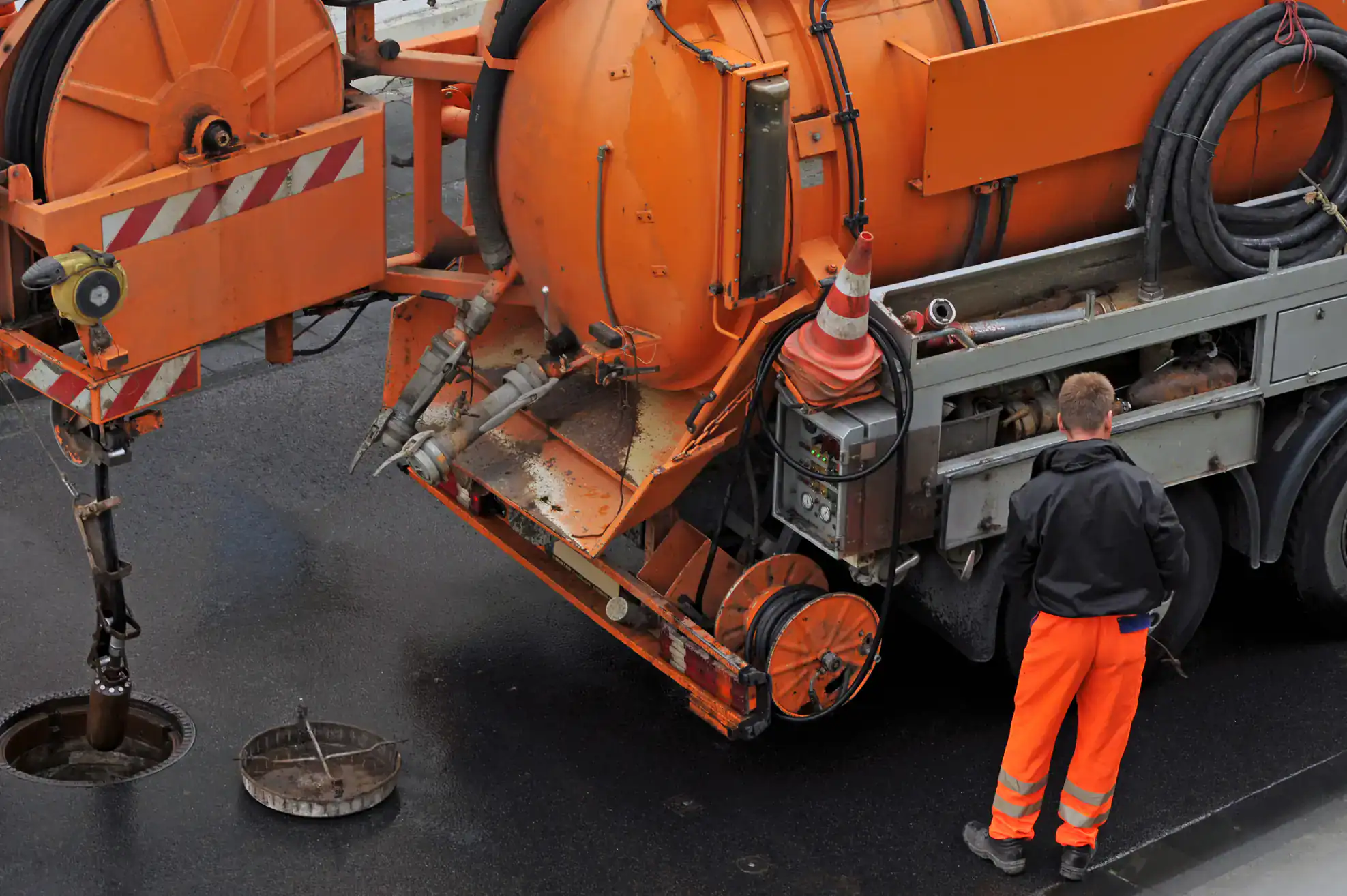
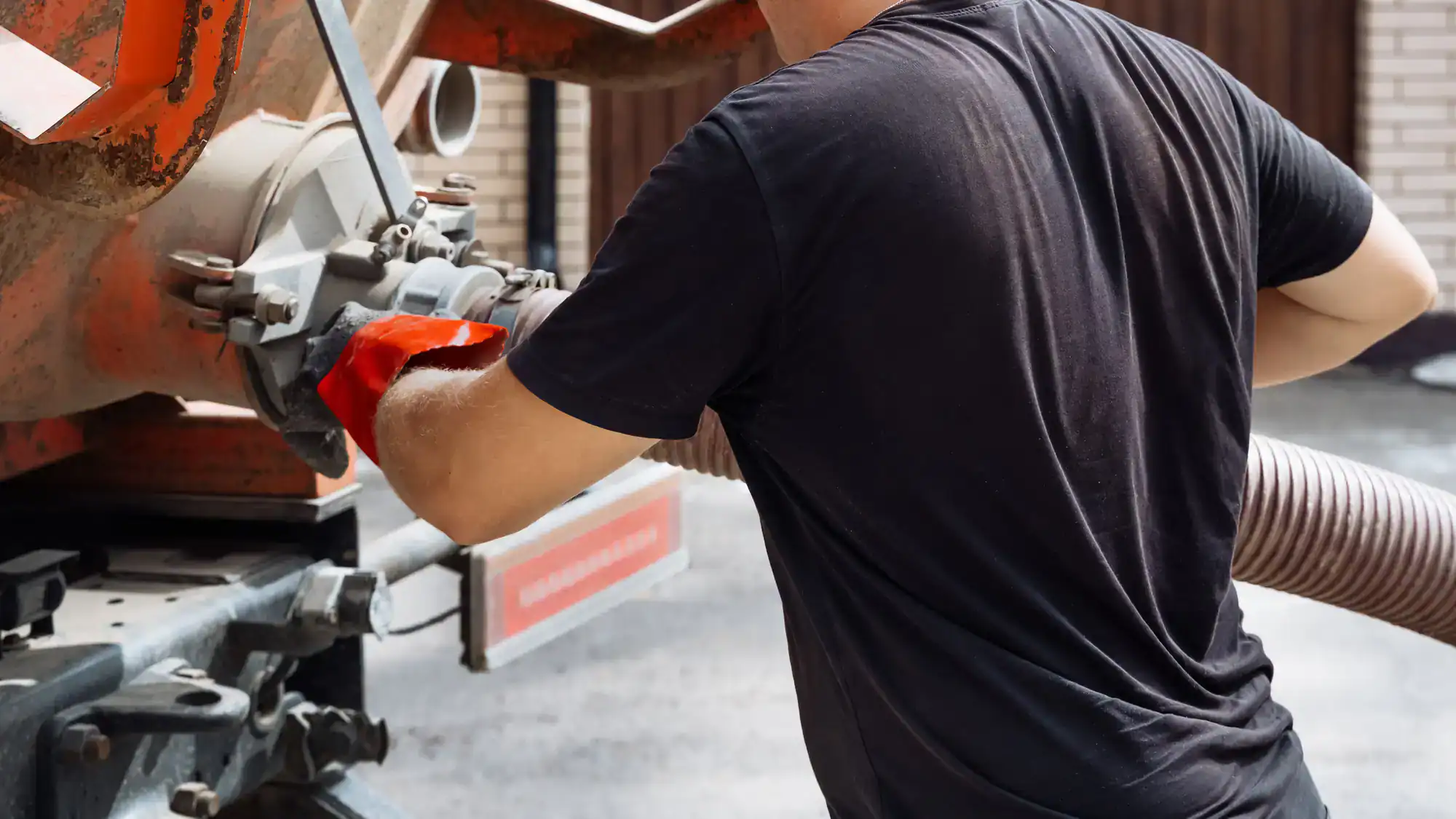
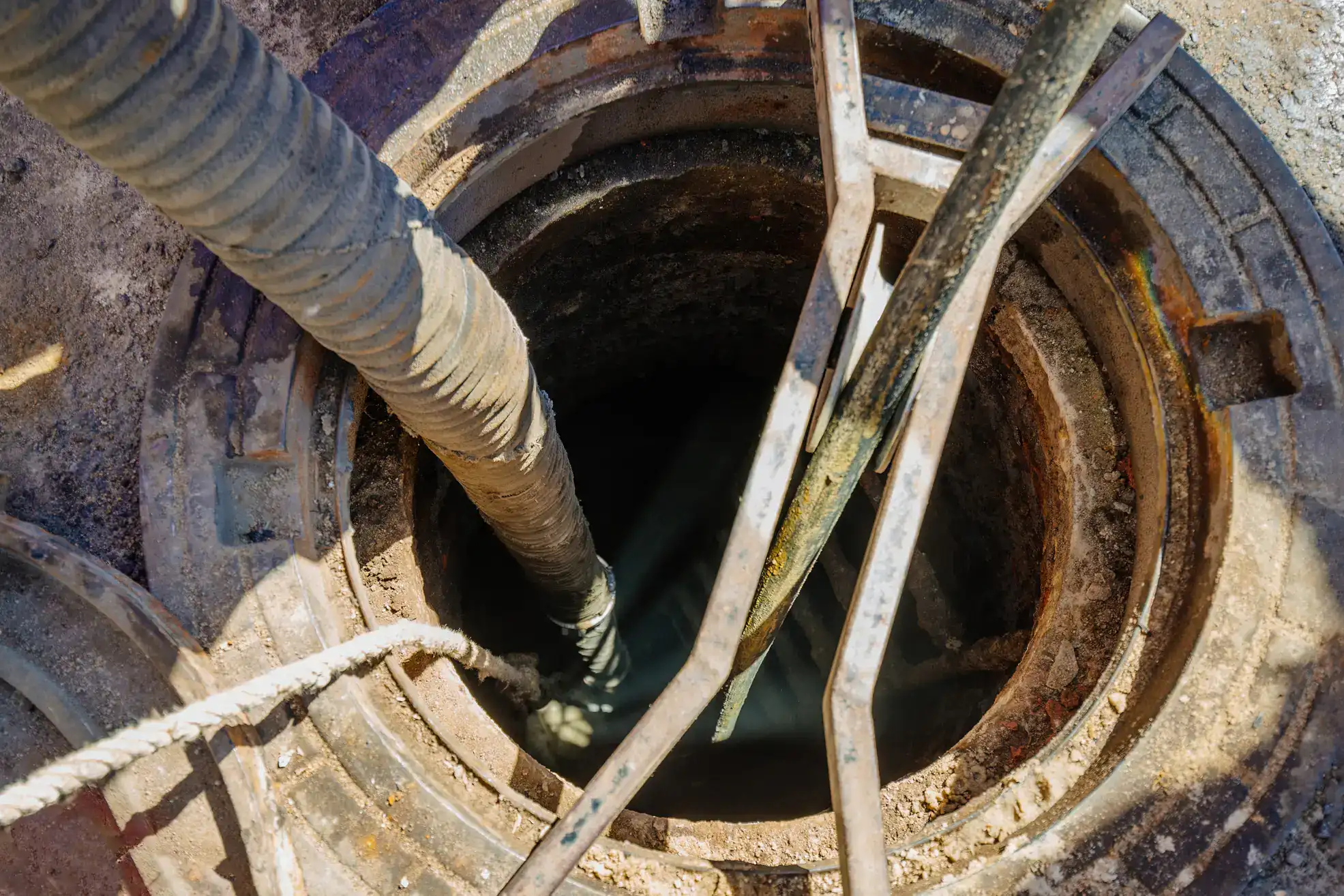
Next, extraction and structural drying. We use powerful truck-mounted equipment to remove all sewage and contaminated water. Industrial-grade dehumidifiers and air movers address moisture that’s penetrated walls, floors, and hidden spaces.
Finally, sanitization and restoration. We treat every affected surface with EPA-approved disinfectants that eliminate bacteria, viruses, and odors. Air quality testing confirms your property is genuinely safe before you return.
Our sewage cleanup includes water extraction using powerful pumps and vacuums, structural drying to prevent mold growth, and complete deodorization to eliminate lingering smells. We handle sewage backup repairs and provide full water damage restoration when needed.
In Bellaire, we see sewage problems from tree root intrusion in older sewer lines, overwhelmed drainage during storms, and infrastructure that wasn’t built for today’s demands. Our service addresses the source—not just the mess.
We bring specialized biohazard equipment that keeps everyone safe while we restore your property. We also provide detailed documentation to support insurance claims because dealing with coverage shouldn’t add stress to an already difficult situation.
How quickly can you respond to a sewage emergency in Bellaire?
You can expect our team on-site within an hour of your call, 24/7. Sewage cleanup is time-sensitive because bacteria multiply rapidly and contamination spreads the longer it sits.
Our rapid response minimizes damage. The first few hours after a sewage backup determine how extensive the cleanup will be and whether you’ll face additional problems like mold growth or structural damage.
When you call our emergency line, you speak directly with someone who can dispatch our team immediately—not an answering service that takes messages.
What health risks does sewage exposure create for my family?
Raw sewage contains bacteria, viruses, and parasites that cause serious illnesses including hepatitis A, giardia, tetanus, and gastrointestinal infections. Children and elderly family members face higher risks from exposure.
Health dangers aren’t just from direct contact—sewage creates airborne contaminants that cause respiratory problems. Even sewage that doesn’t look dirty contains harmful microorganisms that household cleaners can’t eliminate.
Professional cleanup with EPA-approved disinfectants and proper protective equipment is essential. You need treatment of all affected areas to eliminate health hazards you can’t detect without proper testing.
Will my homeowner's insurance cover sewage cleanup costs?
Most standard homeowner’s policies don’t automatically cover sewage backups, but many insurers offer sewage backup coverage as an optional add-on. Coverage depends on what caused the backup and your specific policy terms.
We work directly with insurance companies and help document damage for your claim. Our detailed reports include photos, moisture readings, and complete scope of work that insurance adjusters need to process claims efficiently.
If you’re unsure about your coverage, we can review your policy and explain what’s typically covered versus what might require additional documentation.
How do you prevent mold growth after sewage cleanup?
Mold prevention starts with complete moisture removal using industrial-grade dehumidifiers and air movers that dry surfaces and materials like drywall and subfloring. We monitor moisture levels with professional equipment until readings confirm complete drying.
Sewage creates ideal conditions for mold growth because it provides both moisture and organic material that mold feeds on. Our cleanup process includes antimicrobial treatments that prevent mold spores from taking hold during the drying process.
We remove and dispose of materials that can’t be effectively cleaned and dried—like saturated carpet padding or drywall. This prevents mold problems from developing weeks or months later.
What's the difference between sewage cleanup and regular water damage?
Sewage cleanup requires specialized biohazard protocols because sewage contains dangerous bacteria and viruses that clean water doesn’t have. Our technicians use protective equipment and follow strict safety procedures that regular water damage cleanup doesn’t require.
The cleaning process is different—sewage-contaminated areas need EPA-approved disinfectants and antimicrobial treatments that eliminate biological contaminants. Regular water damage might only require drying and basic cleaning.
Disposal is another major difference. Materials contaminated by sewage often can’t be saved and must be disposed of as biohazardous waste, while water-damaged materials might be salvageable with proper drying techniques.
How long does the complete sewage cleanup process take?
Most sewage cleanup projects take 3-5 days from start to finish, but timeline depends on contamination extent, affected area size, and how quickly moisture levels reach safe ranges.
Initial emergency response and sewage removal typically happen within 24 hours. Structural drying usually takes 2-4 days depending on materials involved and environmental conditions. Final sanitization and restoration work happens once everything is completely dry.
We’ll give you a realistic timeline during our initial assessment and provide updates throughout the process. If we encounter unexpected issues—like hidden moisture or additional contamination—we’ll explain how that affects the schedule and what steps we’re taking to address it.