I needed a professional consultation explanation of procedure for safe removal of Asbestos in my apartment complex. Without having an account yet, I was very impressed with the caring, knowledgeable and generous advice offered by Jessica, and will look forward to doing business in the future. Thank you so much! I feel much more informed about a sometimes scary endeavor. Peace. Nancy Silva Mineola, NY.
Mia Munoz
Used this company to clean up some water flood in my house. They were fast and easy to work with.very professional, Would recommend to anyone!
Nini Valle
Great company, had a flood and they responded quickly and efficiently. Billed my insurance company directly. I highly recommend this company!
joe colapietro, jr
I had pipe freeze in my basement right before a snow storm and they made to within an hour to help start the clean up process. They we by our side throughout the entire process and even helped with the insurance company. They did such a great job with the cleanup, repair, remidiation, I contracted them to perform the repairs and finishes in the basement. They came with enough manpower and material to get the job done. Leo and Jessica were nothing but a pleasure to deal with!!
Cristian Arredondo c
I had some water damage in my home and Green Island was able to take care of my issue quickly and effectively. I am very pleased with the work they did. They responded quickly and were very professional.
Michael M
Outstanding service! From the office to the field crew everyone was friendly, helpful and responsive. I highly recommend Green Island Group.
Professional Water Damage Restoration Bellerose Village
Complete Restoration, Not Just Cleanup
You’re not just getting the mess removed. You’re getting your property restored to a condition that’s actually safer and cleaner than before the incident occurred.
The contamination is completely eliminated using EPA-approved disinfectants that destroy bacteria, viruses, and eliminate those persistent odors that can linger for months if not handled properly. Your floors, walls, and affected areas are thoroughly dried and sanitized.
What matters most is that your family can return to a space that’s genuinely safe, not just superficially clean.
We’ve been handling sewage cleanup emergencies throughout Nassau County for years, and we understand exactly why Bellerose Village properties face these challenges. The area’s older sewer infrastructure combined with Nassau County’s naturally high groundwater levels creates the perfect storm for backup issues.
We’ve cleaned up everything from minor toilet overflows to major sewer line breaks in homes just like yours. Our team knows which Bellerose Village neighborhoods are most vulnerable during heavy rainfall and exactly how to prevent secondary damage that other companies miss.
When you call us, you’re getting technicians who’ve worked on your street before.
First, we secure the area and assess the contamination level. This isn’t guesswork – we’re determining exactly what type of sewage water we’re dealing with and what health protocols need to be followed.
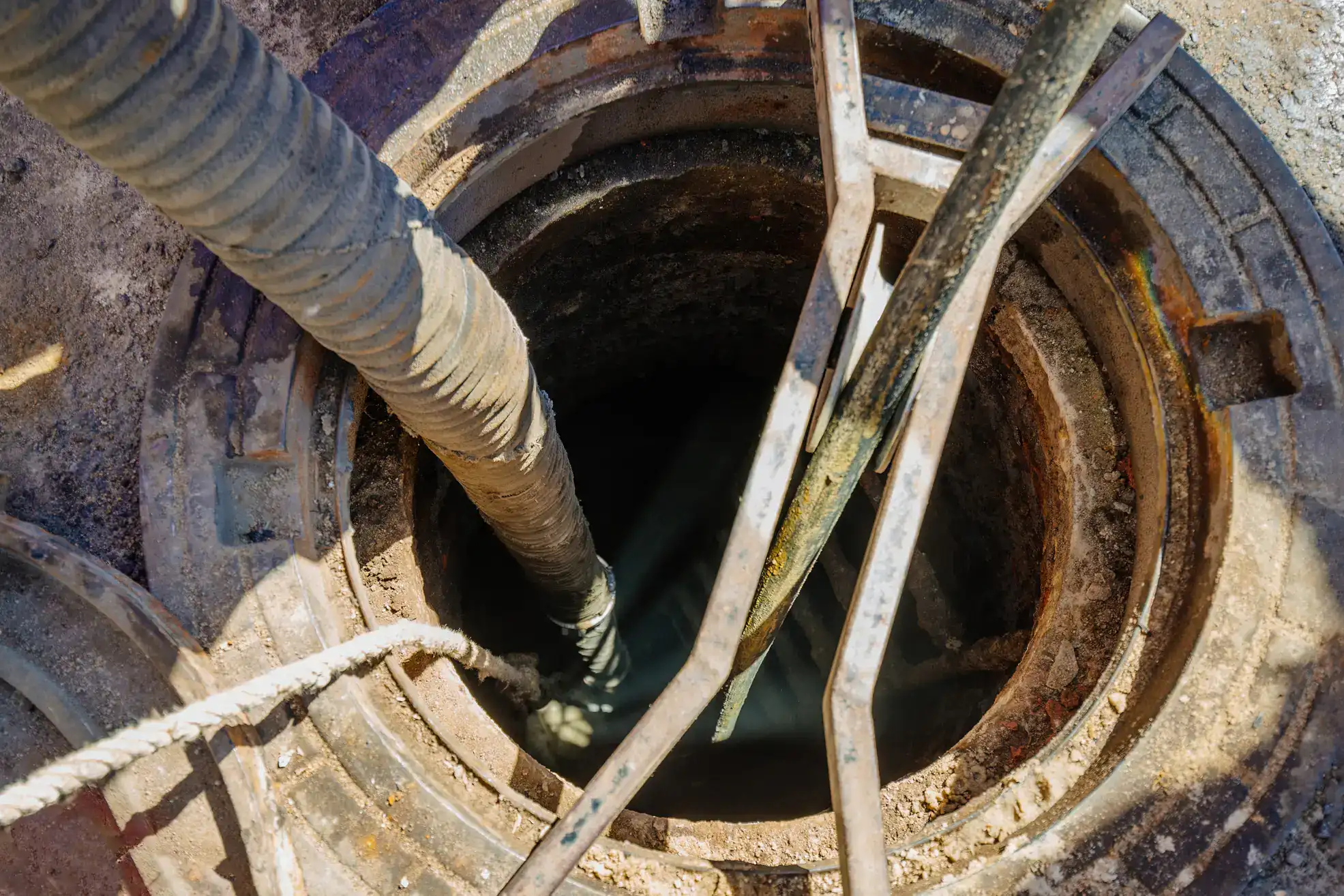
Next comes complete water extraction using industrial-grade pumps and vacuums. Every drop of contaminated water gets removed, including what’s soaked into flooring and walls that you can’t see.
Then we begin structural drying with commercial dehumidifiers and air movers. This phase typically takes 2-3 days and prevents the mold growth that starts within 24-48 hours of water damage. Finally, we sanitize everything with EPA-approved disinfectants and handle deodorization to eliminate any trace of sewage odors.
Your sewage cleanup service includes water extraction, structural drying, complete sanitization, and deodorization – everything needed to restore your property to pre-damage condition.
In Bellerose Village, we see sewage backups most commonly caused by tree root intrusion into older sewer lines, especially during Nassau County’s heavy spring rains when the ground becomes saturated. Many homes in the area were built in the 1950s-60s with clay sewer pipes that are now cracking and allowing roots to penetrate.
We also handle the insurance documentation process, providing detailed photos and reports that insurance adjusters need to process your claim quickly. Most homeowner policies cover sudden sewage backups, and we work directly with your insurance company to minimize your out-of-pocket costs.
How quickly should I call for sewage cleanup in Bellerose Village?
Call immediately – within the first hour if possible. Sewage water contains harmful bacteria and viruses that become more dangerous the longer they remain in your home.
The contamination spreads rapidly through porous materials like drywall, flooring, and furniture. What starts as a manageable cleanup in your basement can quickly affect your entire first floor if not contained properly. We offer 24/7 emergency response specifically because sewage backups don’t wait for business hours, and neither should your response.
What causes sewage backups in Bellerose Village homes specifically?
Tree root intrusion is the most common cause we see in Bellerose Village, especially in homes built before 1970. The area’s mature trees send roots searching for water sources, and they find the small cracks in aging clay sewer pipes.
Heavy rainfall overwhelms Nassau County’s older sewer systems, particularly during spring storms when the ground is already saturated. We also see backups caused by grease buildup, flushing inappropriate items, and the general deterioration of sewer infrastructure that wasn’t designed for today’s water usage patterns. The village’s location near the Queens border means some properties connect to different municipal systems, which can create pressure imbalances during peak usage.
Is sewage cleanup covered by homeowners insurance in Nassau County?
Most standard homeowners policies cover sudden and accidental sewage backups, but coverage varies significantly between insurers and policy types. The key word is “sudden” – gradual seepage or maintenance-related issues typically aren’t covered.
We work directly with insurance companies and provide detailed documentation including photos, moisture readings, and contamination assessments that adjusters need to process claims efficiently. Our experience with Nassau County insurance adjusters helps streamline the process, and we can often bill your insurance company directly to minimize your upfront costs. Always check your specific policy, as some require additional sewer backup riders.
How long does professional sewage cleanup take in Bellerose Village?
Emergency water extraction and initial sanitization typically take 4-8 hours depending on the affected area size. However, complete structural drying requires 2-4 days with our industrial dehumidifiers and air movers running continuously.
The timeline depends on several factors: the amount of contaminated water, how long it sat before we arrived, and what materials were affected. Concrete basement floors dry faster than hardwood, and newer construction materials generally handle moisture better than older ones common in Bellerose Village homes. We monitor moisture levels daily and won’t consider the job complete until readings return to normal, preventing future mold issues.
What should I do immediately after discovering sewage backup?
Stop using all water fixtures immediately to prevent additional contamination. Turn off electricity to affected areas if it’s safe to do so, but don’t enter standing water if electrical outlets or appliances might be submerged.
Avoid direct contact with sewage water – it contains harmful bacteria that can cause serious illness. Don’t attempt cleanup yourself with household cleaners, as they’re not designed for this level of contamination. Take photos for insurance purposes if you can do so safely, then call us immediately. The faster we can begin professional extraction and sanitization, the less damage occurs and the lower your restoration costs will be.
Can sewage cleanup prevent mold growth in my Bellerose Village home?
Professional sewage cleanup absolutely prevents mold growth when performed correctly and quickly. Mold spores begin developing within 24-48 hours of water damage, but our structural drying process eliminates the moisture conditions mold needs to grow.
We use commercial-grade dehumidifiers and air movers to reduce humidity levels below 50%, which prevents mold development. Our moisture monitoring equipment tracks drying progress in real-time, ensuring every affected material reaches safe moisture levels before we consider the job complete. This is especially important in Bellerose Village’s humid climate where mold can develop rapidly in untreated areas. DIY cleanup attempts often miss hidden moisture in wall cavities and subflooring, leading to mold problems weeks or months later.