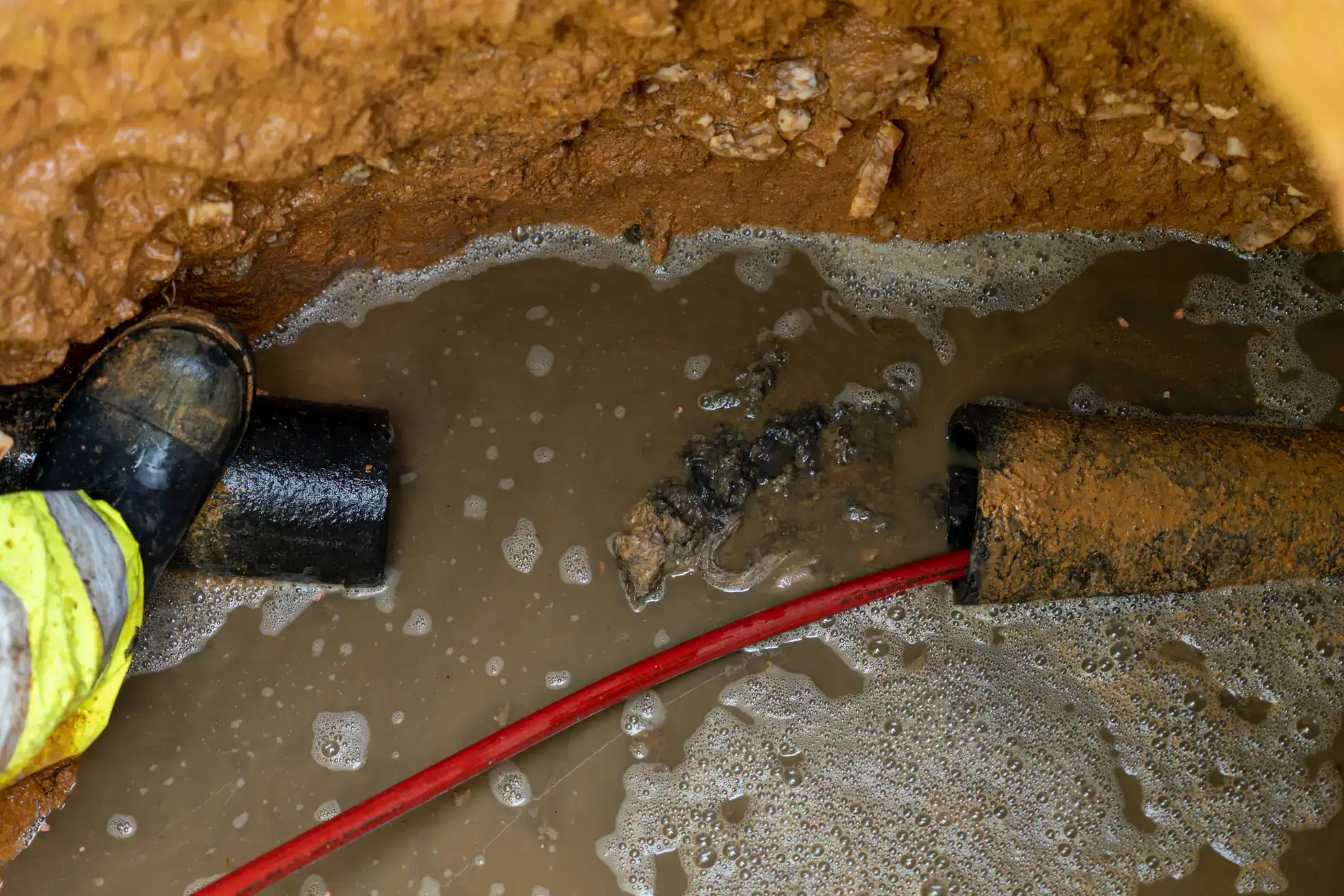
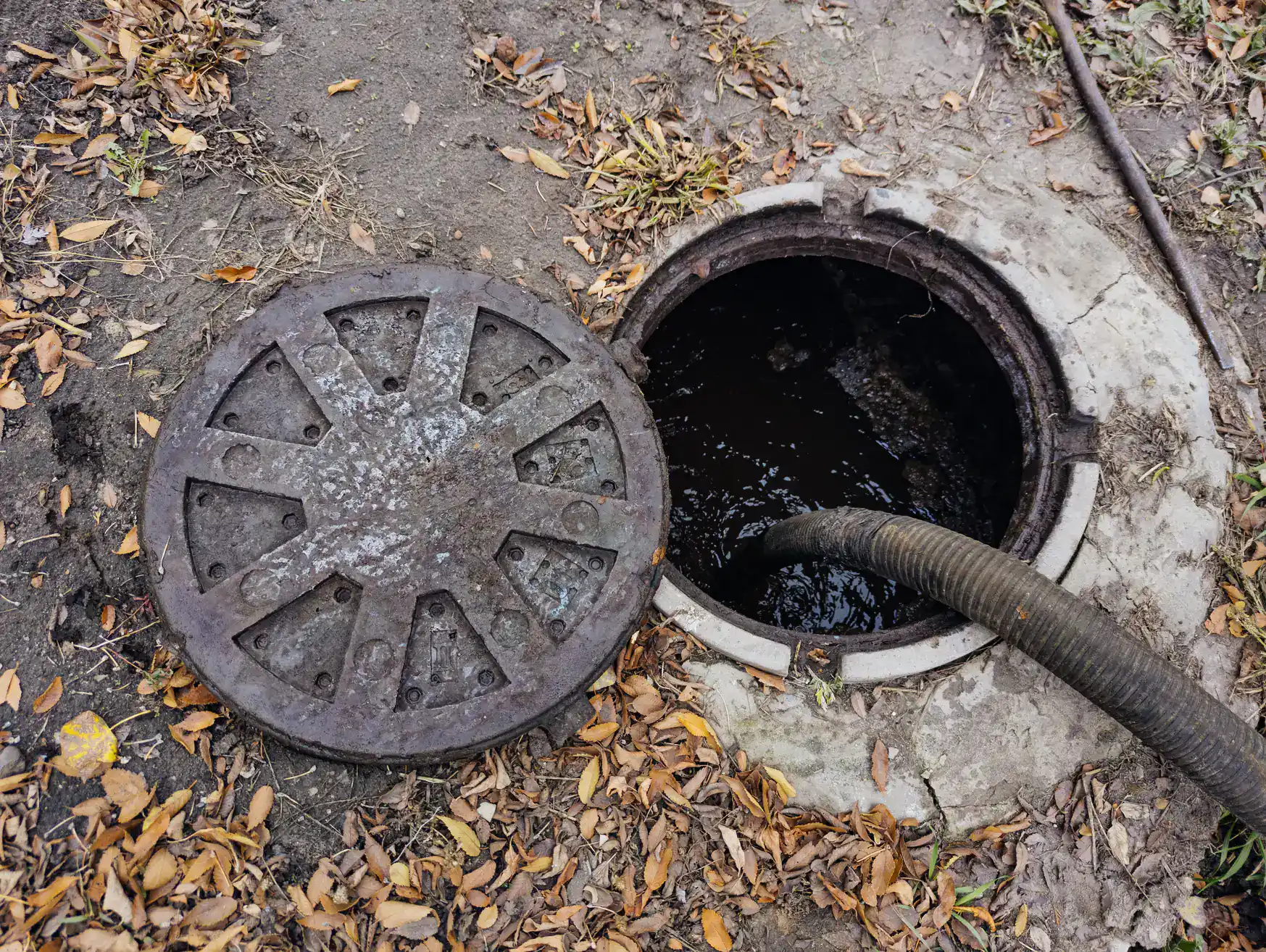
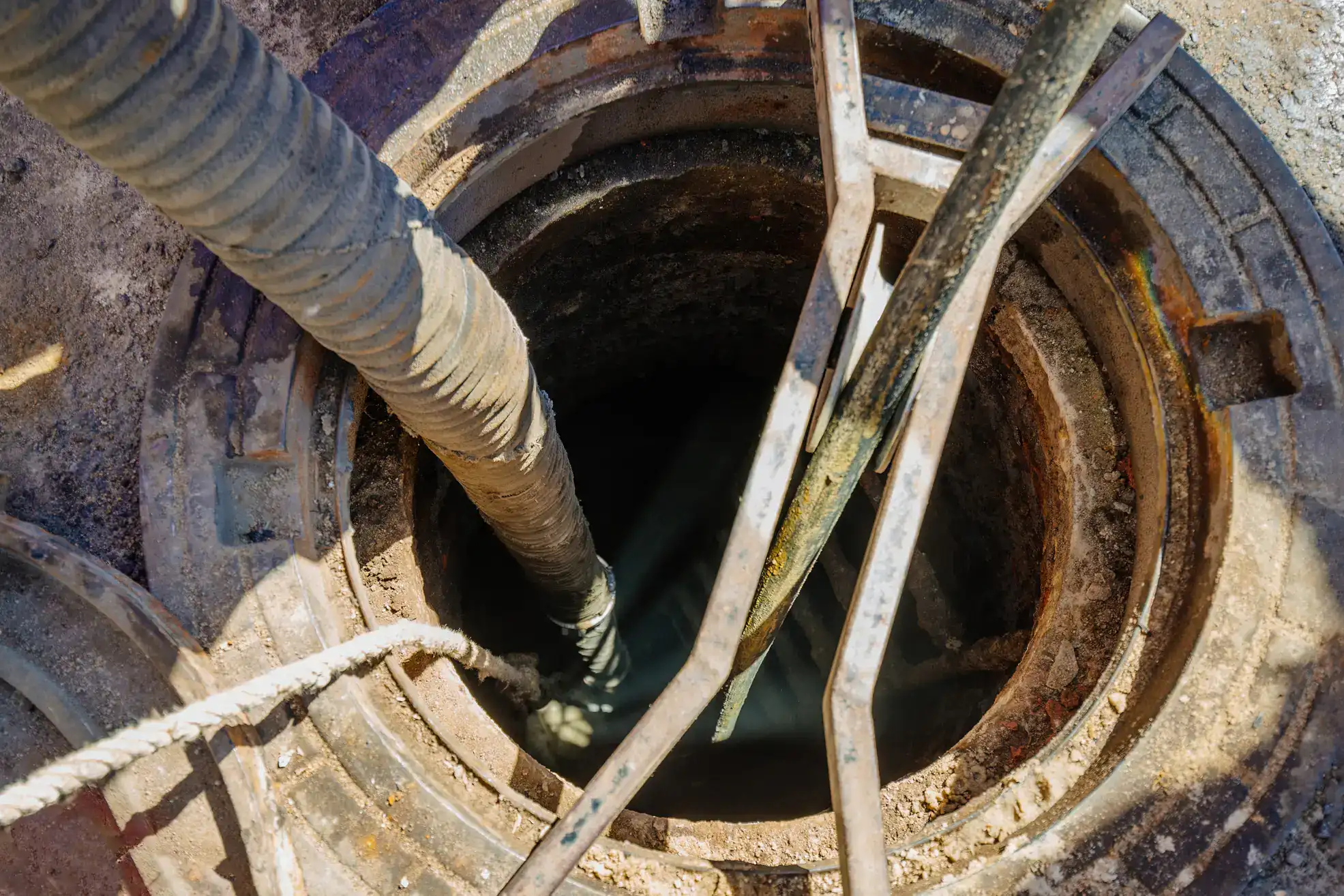
When sewage backup strikes your Bowling Green property, you need professionals who eliminate every trace of contamination and restore your space completely.
I needed a professional consultation explanation of procedure for safe removal of Asbestos in my apartment complex. Without having an account yet, I was very impressed with the caring, knowledgeable and generous advice offered by Jessica, and will look forward to doing business in the future. Thank you so much! I feel much more informed about a sometimes scary endeavor. Peace. Nancy Silva Mineola, NY.
Mia Munoz
Used this company to clean up some water flood in my house. They were fast and easy to work with.very professional, Would recommend to anyone!
Nini Valle
Great company, had a flood and they responded quickly and efficiently. Billed my insurance company directly. I highly recommend this company!
joe colapietro, jr
I had pipe freeze in my basement right before a snow storm and they made to within an hour to help start the clean up process. They we by our side throughout the entire process and even helped with the insurance company. They did such a great job with the cleanup, repair, remidiation, I contracted them to perform the repairs and finishes in the basement. They came with enough manpower and material to get the job done. Leo and Jessica were nothing but a pleasure to deal with!!
Cristian Arredondo c
I had some water damage in my home and Green Island was able to take care of my issue quickly and effectively. I am very pleased with the work they did. They responded quickly and were very professional.
Michael M
Outstanding service! From the office to the field crew everyone was friendly, helpful and responsive. I highly recommend Green Island Group.
You walk back into a space that’s not just clean—it’s safe. No lingering odors haunting your basement. No hidden contamination lurking behind walls or under floors. No sleepless nights wondering if your family is at risk.
The sewage is completely gone, every surface sanitized, and your property restored to its original condition. Harmful bacteria and viruses eliminated. Structural damage prevented. Your family’s health protected.
This is what professional sewage cleanup delivers: complete restoration that gives you back your peace of mind and your normal life, exactly as it was before the backup happened.
We’ve been handling water damage restoration and sewage emergencies across New York City for years. We understand what makes NYC different—aging infrastructure in older buildings, high water tables that make basements particularly vulnerable, and the complex challenges of apartment buildings where contamination can spread quickly.
Bowling Green sits in Manhattan’s Financial District, where historic buildings meet modern demands. We’ve seen how the area’s unique water history, dating back to the first public well dug here in 1667, creates specific sewage backup challenges for today’s property owners.
When Bowling Green residents need sewage cleanup that actually works, they call us because we’ve proven ourselves in this demanding market. We don’t just clean—we restore completely.
First, we respond immediately to your emergency call. Our technicians arrive with advanced moisture detection equipment to assess not just visible damage, but hidden contamination behind walls and under floors that standard cleanup misses.
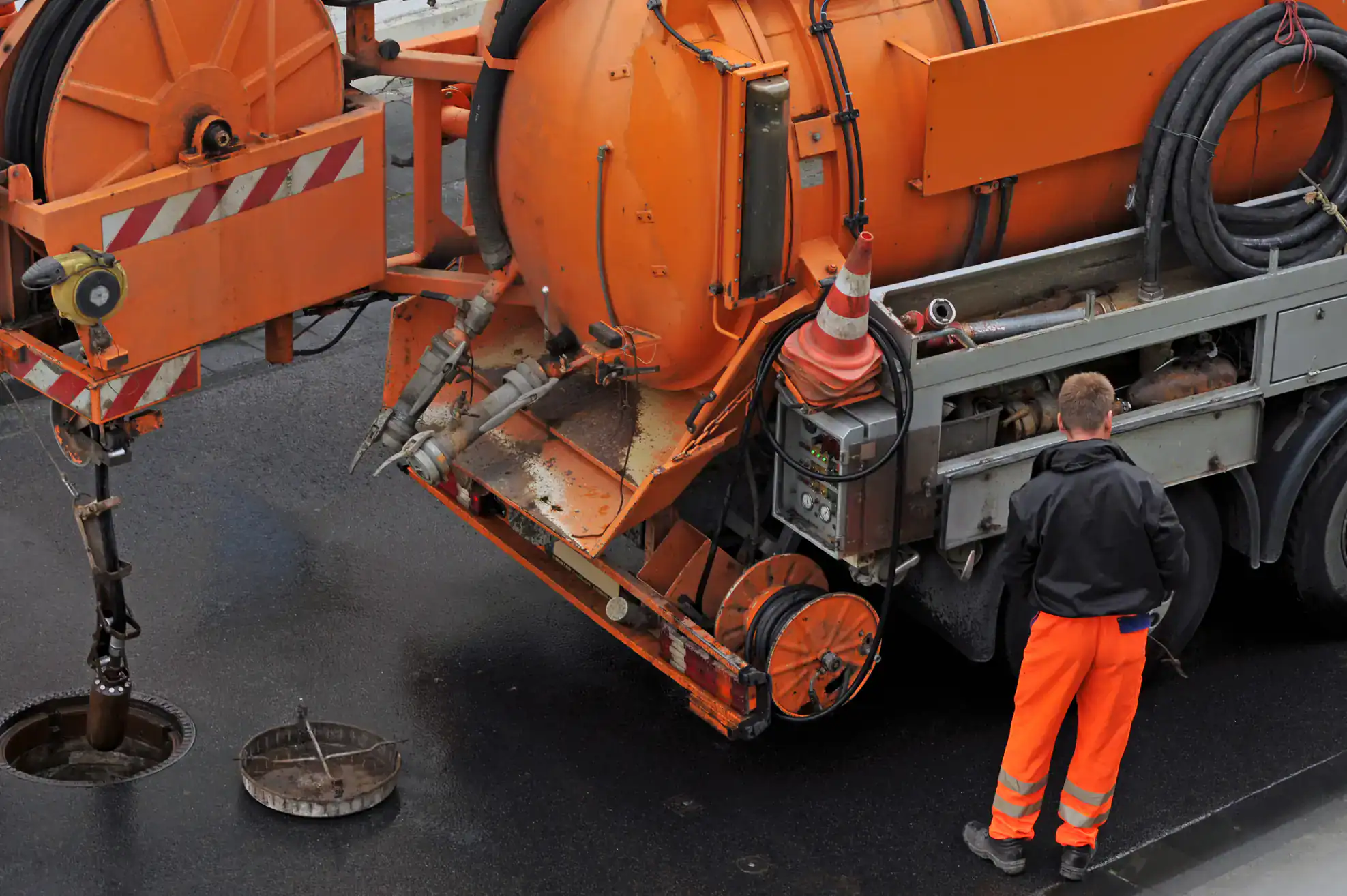
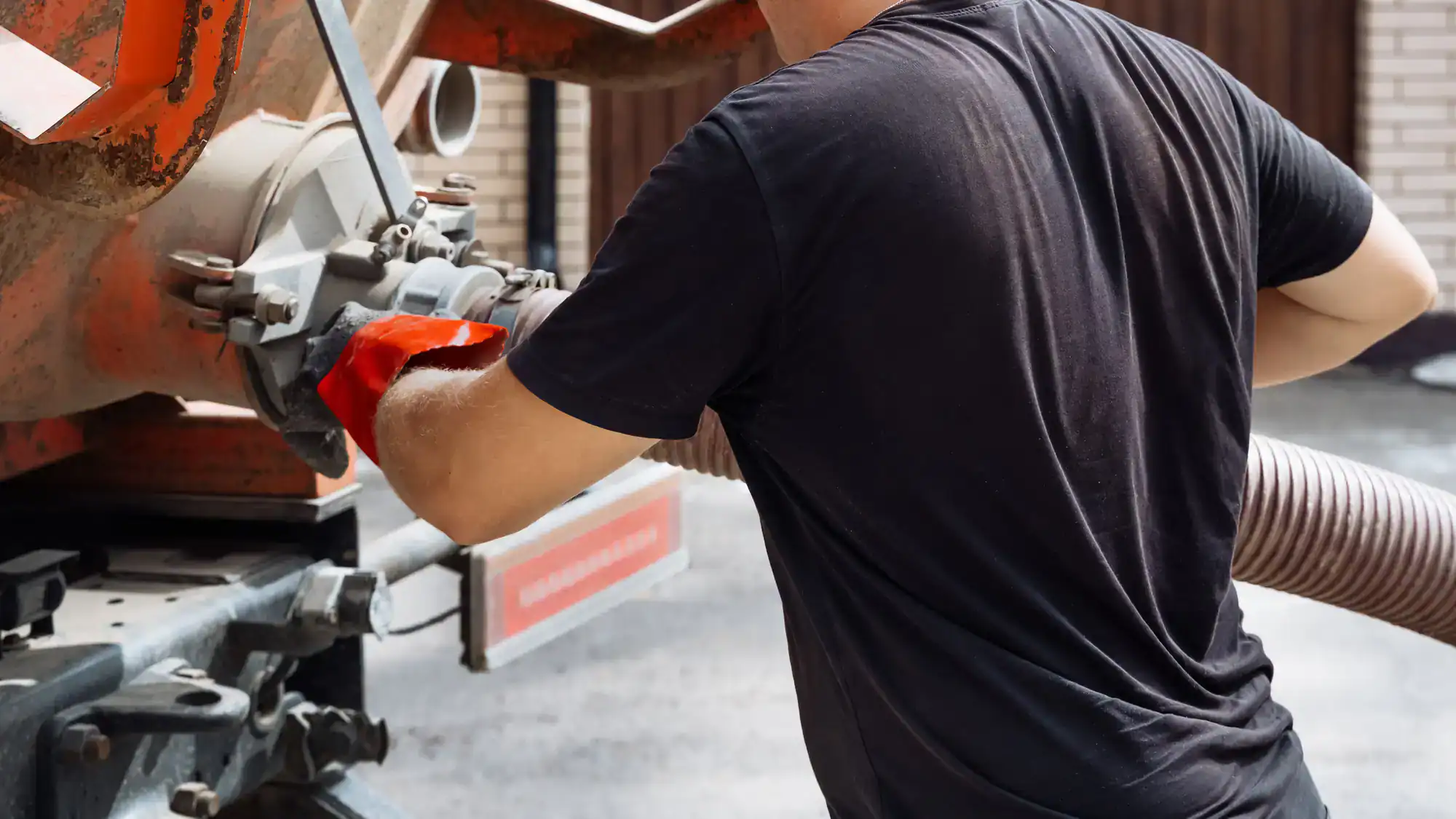
Next, we perform complete water extraction using powerful truck-mounted equipment, then remove all sewage and contaminated materials. We don’t just pump and leave—we sanitize every affected surface and begin structural drying using industrial-grade dehumidifiers and air movers.
Finally, we eliminate lingering odors with specialized deodorization treatments and ensure complete moisture removal to prevent mold growth. We handle sewage backup repairs and make sure your property meets all NYC building codes before we consider the job complete.
Our comprehensive sewage cleanup includes emergency water extraction using truck-mounted units, structural drying with advanced techniques, complete deodorization, and sanitization of all affected areas. We also handle sewage backup repairs and work directly with your insurance company for seamless claims processing.
In Bowling Green, NY, we understand the specific challenges of NYC’s coastal location and high water tables. The area’s proximity to the harbor and aging sewer infrastructure means sewage backups often involve complex contamination patterns requiring specialized water damage restoration techniques.
We’re available 24/7 because sewage emergencies don’t wait for business hours. Our team knows that in NYC’s dense urban environment, a sewage backup in one unit can quickly affect neighboring properties, making immediate professional response critical for containing damage and protecting public health.
How quickly can you respond to a sewage backup emergency in Bowling Green, NY?
We provide 24/7 emergency sewage removal and typically arrive within one hour of your call. Time is absolutely critical with sewage backups because contamination spreads rapidly and health hazards increase exponentially the longer raw sewage sits in your property.
Our technicians carry advanced water extraction and containment equipment in their vehicles, so we can begin emergency response immediately upon arrival. We understand that in Bowling Green’s dense urban environment, delays can mean contamination spreading to adjacent properties or seeping deeper into building materials, making cleanup more extensive and expensive.
Every minute counts when dealing with sewage backup—that’s why we maintain 24/7 availability and prioritize emergency calls to minimize damage and health risks to your family.
What makes sewage cleanup different from regular water damage restoration?
Sewage contains harmful bacteria, viruses, parasites, and other dangerous pathogens that create serious biohazardous conditions requiring specialized handling protocols. Unlike clean water damage, sewage cleanup involves contaminated materials that need proper containment, disposal, and sanitization following strict EPA guidelines.
Our technicians use personal protective equipment and follow rigorous NYC regulations for handling contaminated materials. We don’t just remove the water—we sanitize every surface with hospital-grade disinfectants, properly dispose of contaminated materials, and eliminate all biological contaminants that pose health risks.
Regular water damage restoration doesn’t address these biological hazards, which is why attempting DIY sewage cleanup puts your family’s health at serious risk. Professional sewage cleanup ensures complete decontamination and safety.
Will my insurance cover professional sewage cleanup services in Bowling Green, NY?
Most homeowner’s insurance policies cover sudden and accidental sewage backups, though coverage varies by policy terms and the specific cause of the backup. We work directly with all major insurance companies and handle direct billing to minimize your out-of-pocket expenses during this stressful time.
We document everything thoroughly with detailed photos, moisture readings, and comprehensive reports that insurance adjusters require for claims processing. Our team knows exactly what information insurance companies need and can often expedite the entire claims process significantly.
We’ll review your specific policy details and help you understand what’s covered before beginning any work, so there are no financial surprises. Many clients discover that professional cleanup is actually more cost-effective than attempting DIY repairs that often result in incomplete remediation and recurring problems.
How do you prevent mold growth after sewage cleanup in NYC's humid climate?
Preventing mold requires complete moisture removal and proper sanitization within 24-48 hours of the initial sewage backup. We use industrial-grade dehumidifiers, high-velocity air movers, and precision moisture meters to ensure all affected materials are thoroughly dried to safe levels that prevent mold growth.
Our process includes treating all surfaces with antimicrobial solutions that prevent mold spores from taking hold and multiplying. We monitor moisture levels in walls, floors, and other building materials using specialized equipment that detects hidden moisture that standard methods miss completely.
In NYC’s humid climate and Bowling Green’s proximity to the harbor, mold prevention is especially critical for long-term property health. We don’t consider any job complete until moisture readings confirm all materials are completely dry and properly treated against future mold growth.
What should I do immediately after discovering a sewage backup in my Bowling Green property?
First, evacuate the contaminated area immediately and keep all people and pets away from affected zones. Never attempt to clean sewage yourself—it contains dangerous pathogens including E. coli, hepatitis, and other serious diseases that require professional handling with proper protective equipment.
Turn off electricity to affected areas if you can do so safely from outside the contaminated zone. Take photos for insurance documentation from a safe distance, but don’t enter contaminated areas without proper protective equipment and training.
Call our 24/7 emergency line immediately. The sooner professional sewage cleanup begins, the less structural damage occurs and the lower your overall restoration costs will be. We’ll guide you through any additional safety steps while our emergency response team is en route to your property.
How long does complete sewage cleanup and restoration take in Bowling Green, NY?
Most sewage cleanup projects take 3-5 days depending on the extent of contamination, types of materials affected, and whether structural drying is required. Emergency water extraction and initial sanitization typically happen within the first 24 hours, followed by structural drying which can take 2-4 additional days.
Timeline factors include the volume of sewage, types of building materials affected, humidity levels, and whether sewage backup repairs are needed. We use continuous moisture monitoring equipment to determine when materials are completely dry rather than relying on guesswork or arbitrary timeframes.
We provide daily progress updates and explain what’s happening at each restoration stage. Our priority is thorough decontamination and complete structural drying, not speed—rushing the process often leads to incomplete drying and future problems like mold growth or persistent odors requiring additional remediation work.