I needed a professional consultation explanation of procedure for safe removal of Asbestos in my apartment complex. Without having an account yet, I was very impressed with the caring, knowledgeable and generous advice offered by Jessica, and will look forward to doing business in the future. Thank you so much! I feel much more informed about a sometimes scary endeavor. Peace. Nancy Silva Mineola, NY.
Mia Munoz
Used this company to clean up some water flood in my house. They were fast and easy to work with.very professional, Would recommend to anyone!
Nini Valle
Great company, had a flood and they responded quickly and efficiently. Billed my insurance company directly. I highly recommend this company!
joe colapietro, jr
I had pipe freeze in my basement right before a snow storm and they made to within an hour to help start the clean up process. They we by our side throughout the entire process and even helped with the insurance company. They did such a great job with the cleanup, repair, remidiation, I contracted them to perform the repairs and finishes in the basement. They came with enough manpower and material to get the job done. Leo and Jessica were nothing but a pleasure to deal with!!
Cristian Arredondo c
I had some water damage in my home and Green Island was able to take care of my issue quickly and effectively. I am very pleased with the work they did. They responded quickly and were very professional.
Michael M
Outstanding service! From the office to the field crew everyone was friendly, helpful and responsive. I highly recommend Green Island Group.
When sewage backup strikes your Canaan Lake property, you’re dealing with more than just a mess. You’re facing serious health risks, potential structural damage, and the overwhelming stress of not knowing where to start.
We help property owners in Canaan Lake, NY recover from water damage quickly and efficiently, using proven techniques and reliable equipment to handle everything from minor leaks to major flood damage. We know that without proper equipment and disinfecting agents, harmful bacteria, viruses, fungi, parasites, and other potentially dangerous infectious agents may take hold and pose serious health risks.
Your property gets complete decontamination, thorough structural drying, and professional deodorization. No lingering health hazards. No hidden moisture problems. Just a clean, safe space you can use again without worry.
We have earned a reputation in Suffolk County for restoring properties while reducing stress for customers. We’ve been handling sewage cleanup throughout Canaan Lake and the surrounding area long enough to understand exactly what local property owners face.
Suffolk County’s cold and snowy winters make frozen and burst pipes a real concern among property owners, and we see the results firsthand. With our 24/7 water damage services, help is just a phone call away when disaster strikes at 2 AM or during the weekend.
We’re not just another restoration company. We’re your neighbors who understand that Suffolk County’s population is served with potable drinking water obtained solely from groundwater sources, making proper sewage cleanup critical for protecting both your family and your community’s water supply.
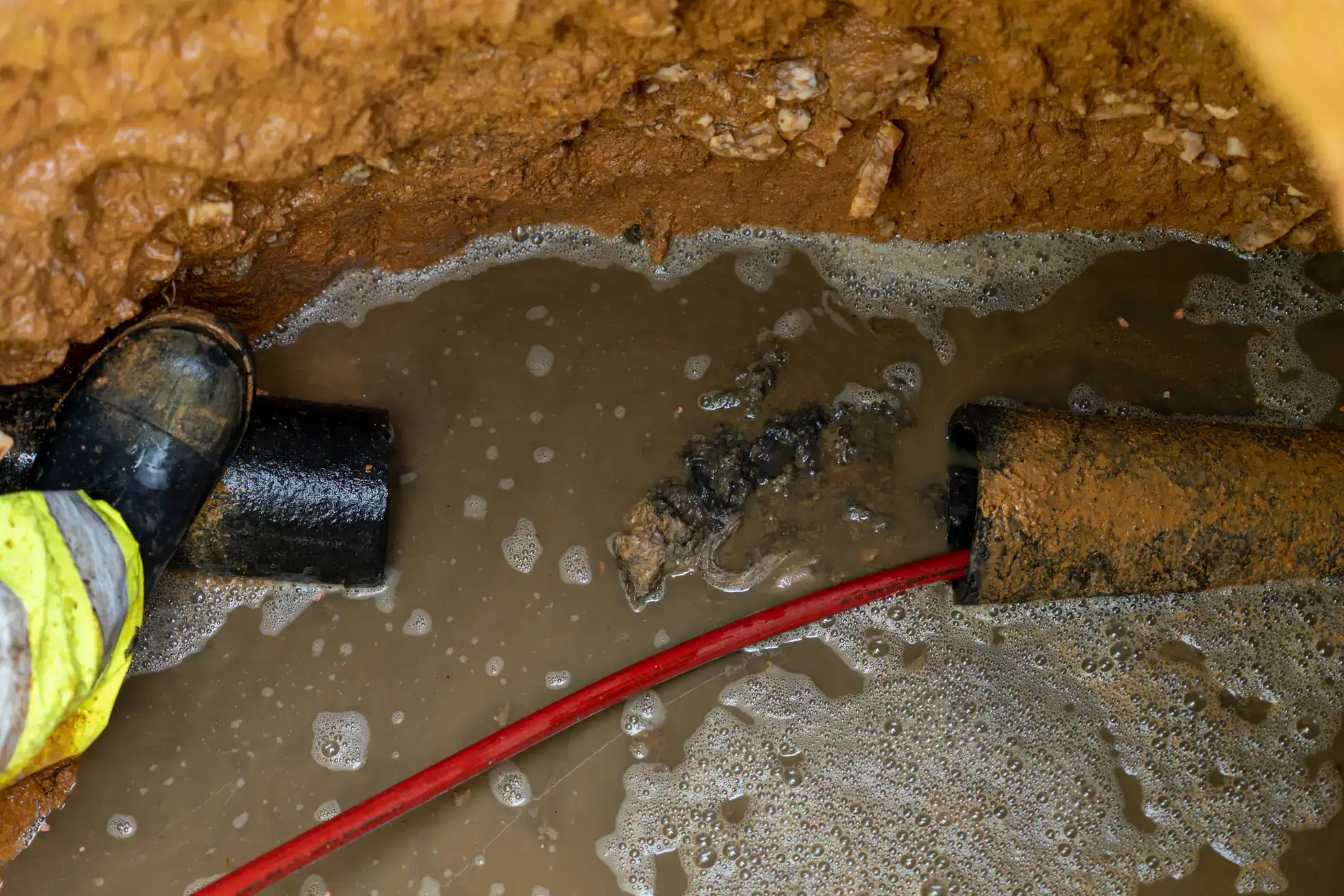
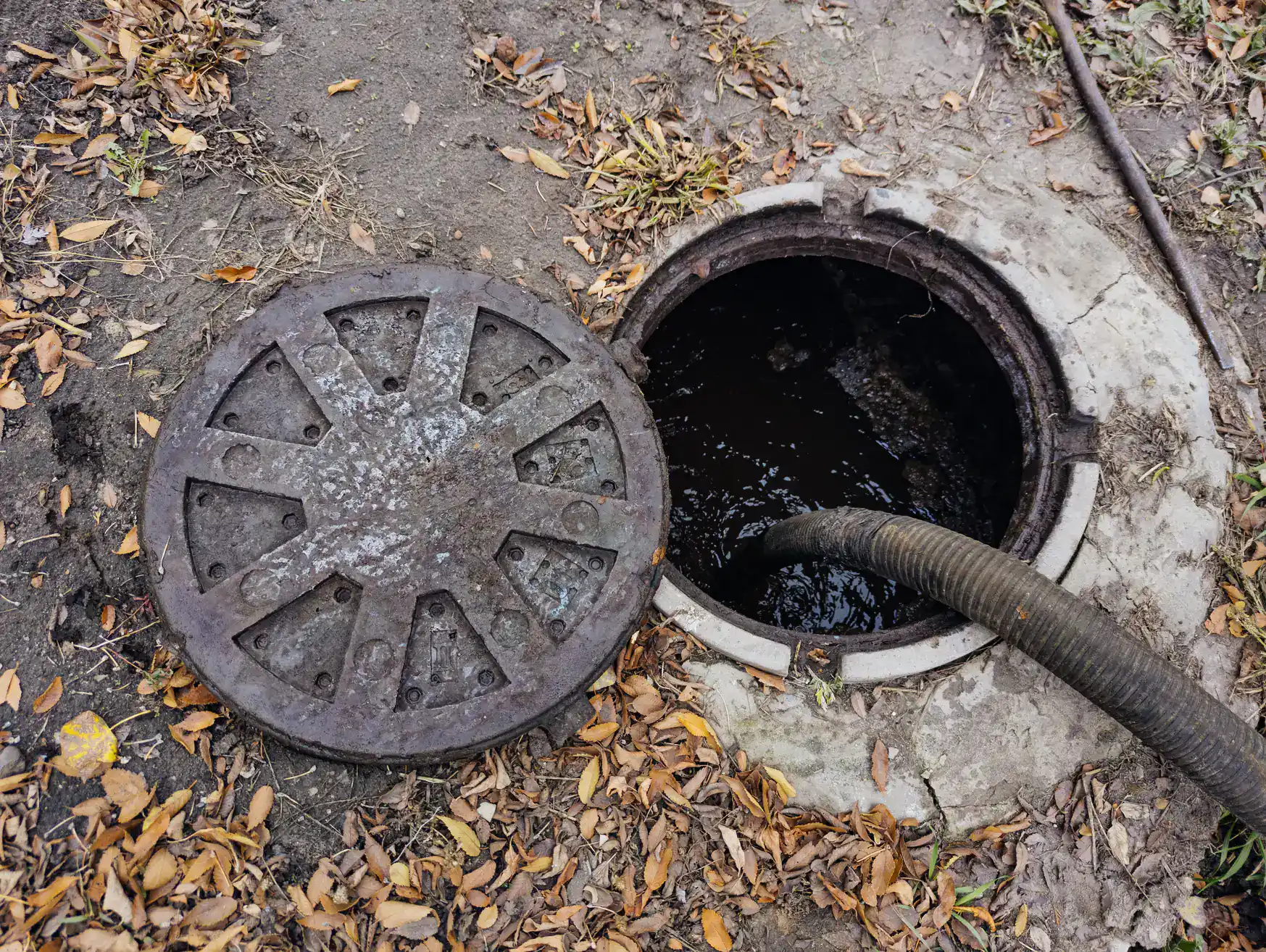
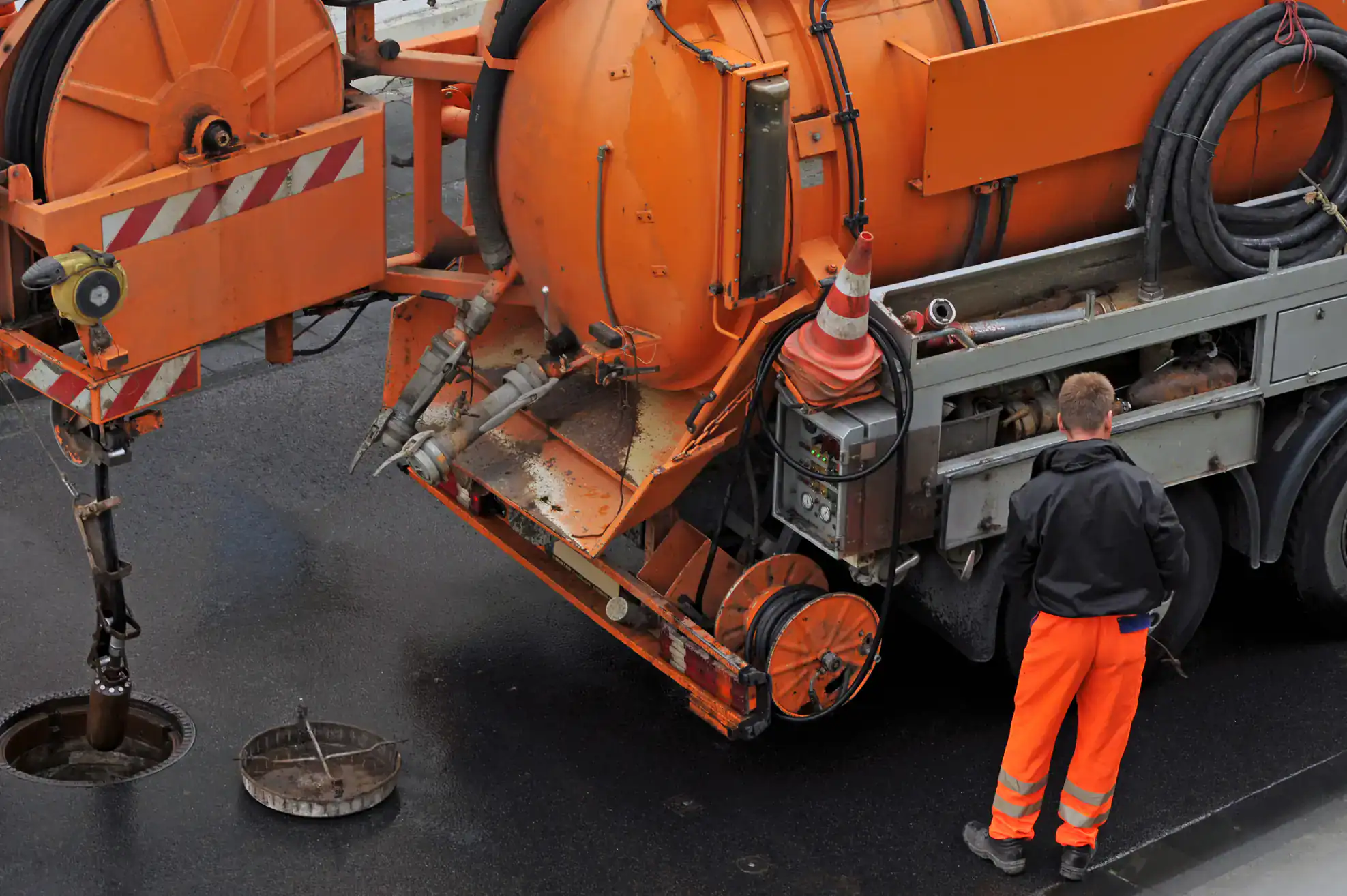
We start by securing the area and assessing the full extent of contamination – not just what’s visible on the surface. Sewage decontamination begins by extracting standing water and sewage, with extracted water considered grossly contaminated and safely discarded into a sanitary sewer system.
Next comes the detailed work. We remove materials that can’t be saved and protect everything that can be restored. Our technicians pressure clean all affected semi-porous and non-porous building materials, such as tile, wood, and cement, then apply bactericide to neutralize bacteria and other contaminants.
The final phase focuses on complete drying and deodorization. We use specialized drying equipment, such as dehumidifiers and air movers, to speed the drying process, which is especially important to prevent mold growth that might cause further damage. Advanced deodorization techniques, like thermal fogging or ozone treatments, neutralize lingering odors so your property doesn’t just look clean – it is clean.
Our sewage cleanup service covers water extraction, structural drying, deodorization, and sewage backup repairs from emergency response through final restoration. You get one team handling every aspect of your recovery.
Here in Canaan Lake, we regularly deal with issues specific to our area. In low-lying coastal areas, septic systems are commonly considered “failing” when ground water comes close to the leaching pit, with many systems failing at once when rain or storm surges submerge septic systems and elevate the water table. Suffolk County’s environment has been hampered for decades by declining water quality, which makes professional cleanup even more critical.
We handle content protection by carefully removing and restoring salvageable items while properly disposing of contaminated materials. Everything gets documented for insurance purposes. We work directly with your insurance carrier to handle claims paperwork, so you can focus on getting your life back to normal instead of fighting with adjusters.
Sewage backup creates immediate health risks that get worse every hour you wait. Exposure to waste water from a sewage backup can result in diseases including Hepatitis A, Tetanus and Giardia, with children and elderly family members facing the highest risk.
Sewage is considered a biohazard and carries many bacteria and germs that can get you seriously sick, and even worse, you can spread that bacteria to others. The contamination doesn’t stay where you see it. Handling wastewater can lead to further issues, spread contamination to other parts of your house, and put you at risk of diseases.
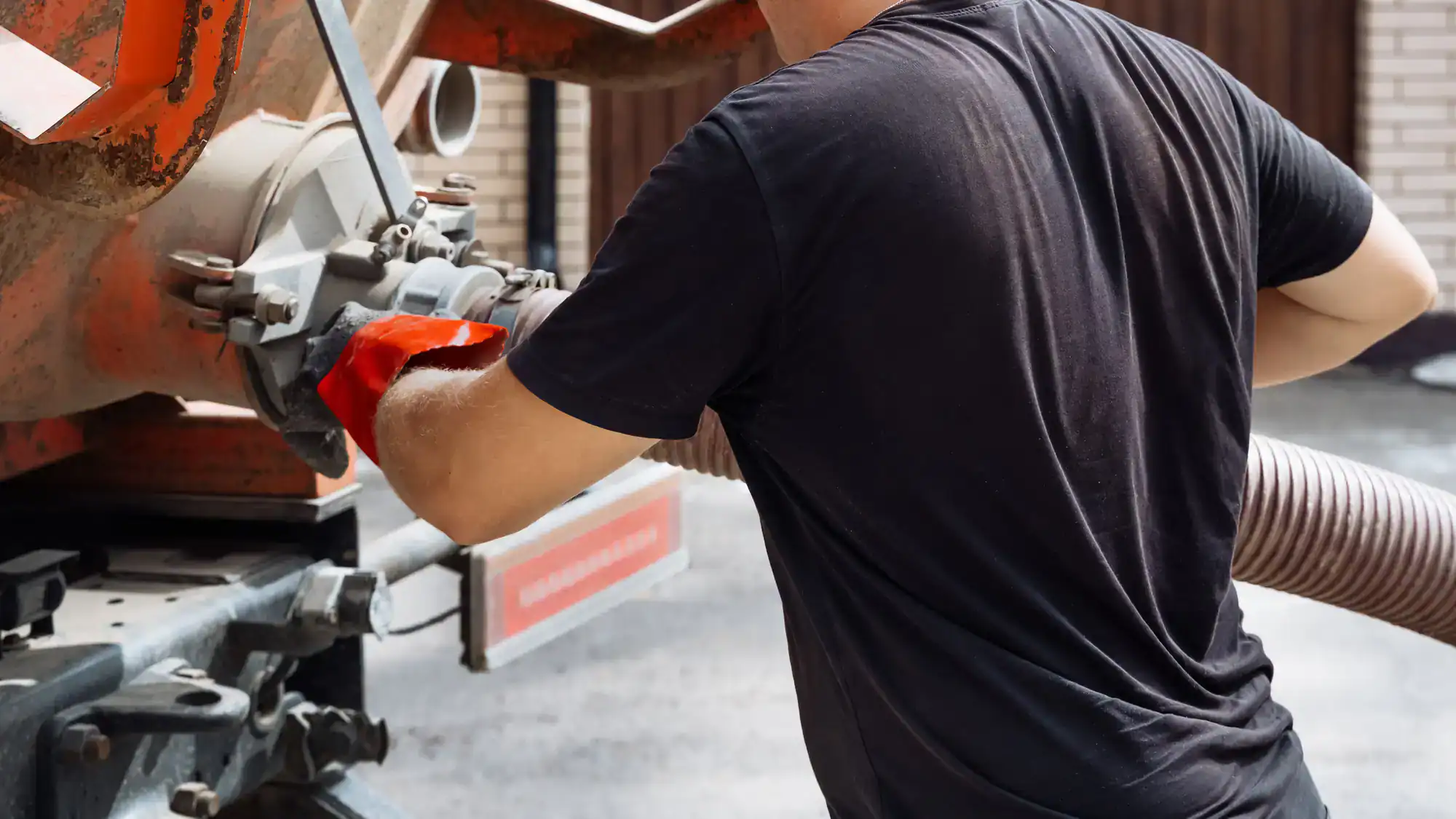
Professional cleanup eliminates these risks completely. We use proper protective equipment and medical-grade disinfectants to ensure every trace of contamination is gone before we consider the job finished.
What's included in professional sewage cleanup service?
Professional sewage cleanup involves multiple specialized steps that go far beyond mopping up water. The process begins by extracting standing water and sewage, with extracted water considered grossly contaminated and safely discarded into a sanitary sewer system.
We remove contaminated materials that can’t be saved, then clean and disinfect all affected surfaces using commercial-grade equipment. We use specialized drying equipment, such as dehumidifiers and air movers, to speed the drying process and prevent mold growth. Advanced deodorization techniques, like thermal fogging or ozone treatments, neutralize lingering odors.
The service includes content protection and restoration, complete insurance documentation, and a final walkthrough to verify your property is safe and fully restored. You’re not done until we’re confident your space is completely safe for your family.
How long does sewage cleanup take?
Sewage cleanup typically takes 1 to 3 days, while full restoration, including drying and repairs, may take up to a week or more, depending on the damage. The timeline depends on how much area is affected, what materials are involved, and how much moisture has penetrated your property.
When it comes to sewage backup, time is of the essence, and without the proper tools and equipment, the cleanup process can go on forever. That’s exactly why professional service matters – we have the equipment and expertise to get the job done efficiently without cutting corners.
We monitor moisture levels throughout the entire process and don’t consider the work complete until your property reaches safe, dry conditions. Our goal is getting you back in your space as quickly as possible while making sure the work is done right.
Will my insurance cover sewage cleanup costs?
Insurance may cover sewage cleanup if your policy includes sewer backup coverage, so you should review your policy details or contact your provider to confirm. Many homeowners are surprised to learn their standard policy doesn’t automatically include this coverage.
We can bill your insurance company directly, which takes the stress of handling claims paperwork off your shoulders during an already difficult time. We work with all major insurance carriers and understand exactly what they need for documentation and approval.
Our team handles the entire insurance process – detailed damage documentation, scope of work preparation, and direct communication with adjusters. This ensures you get the coverage you deserve while you focus on more important things during your recovery.
Can I clean up sewage backup myself?
Cleaning sewage damage yourself is not recommended due to health risks, and you should always contact professionals for thorough cleaning and decontamination. It can be tempting to clean the backup yourself using whatever you have at home, but handling wastewater can lead to further issues, spread contamination to other parts of your house, and put you at risk of diseases.
As sewage professionals, we have the proper gear to prevent exposure and the specialized equipment needed for complete decontamination. DIY cleanup often misses hidden contamination in wall cavities, subflooring, and other areas where problems develop over time.
It’s best to leave the task to sewage cleanup professionals who have the training, experience, and equipment to assess the damage, safely remove wastewater, disinfect the area, and return your property to safe, livable conditions. Your health isn’t worth the risk.
What causes sewage backups in Canaan Lake homes?
Several factors make Canaan Lake properties particularly vulnerable to sewage backups. Suffolk County’s cold and snowy winters make frozen and burst pipes a real concern among property owners, and when pipes freeze and burst, the results can be devastating.
In low-lying coastal areas, septic systems are commonly considered “failing” when ground water comes close to the leaching pit, with many systems failing at once when rain or storm surges submerge septic systems and elevate the water table. Tree roots are surprisingly one of the main culprits of sewage backups, growing and making their way into pipes in the sewer main, where they can corrode and block pipes, causing a backup.
Other common causes include grease disposal down kitchen drains, flushing wet wipes, and using too much toilet paper. Understanding these risks helps with prevention, but when backup happens, professional cleanup is essential for protecting your health and property value.