I needed a professional consultation explanation of procedure for safe removal of Asbestos in my apartment complex. Without having an account yet, I was very impressed with the caring, knowledgeable and generous advice offered by Jessica, and will look forward to doing business in the future. Thank you so much! I feel much more informed about a sometimes scary endeavor. Peace. Nancy Silva Mineola, NY.
Mia Munoz
Used this company to clean up some water flood in my house. They were fast and easy to work with.very professional, Would recommend to anyone!
Nini Valle
Great company, had a flood and they responded quickly and efficiently. Billed my insurance company directly. I highly recommend this company!
joe colapietro, jr
I had pipe freeze in my basement right before a snow storm and they made to within an hour to help start the clean up process. They we by our side throughout the entire process and even helped with the insurance company. They did such a great job with the cleanup, repair, remidiation, I contracted them to perform the repairs and finishes in the basement. They came with enough manpower and material to get the job done. Leo and Jessica were nothing but a pleasure to deal with!!
Cristian Arredondo c
I had some water damage in my home and Green Island was able to take care of my issue quickly and effectively. I am very pleased with the work they did. They responded quickly and were very professional.
Michael M
Outstanding service! From the office to the field crew everyone was friendly, helpful and responsive. I highly recommend Green Island Group.
You walk back into a space that doesn’t smell. The floors are dry. The air is clean. Your family or employees can return without worrying about contamination or health risks.
That’s what proper sewage cleanup looks like when it’s done right. No lingering odors. No hidden moisture that breeds mold later. No corners cut on safety protocols.
We extract every drop of contaminated water, sanitize affected surfaces with hospital-grade disinfectants, and dry structural elements completely. Your property gets restored to a condition that’s actually cleaner than before the backup happened.
We’ve been handling sewage emergencies across NYC and Long Island for years. We understand Canal Street’s aging infrastructure and the unique challenges that come with Manhattan’s older buildings.
Canal Street sits on historically swampy ground with a complex sewer system that dates back generations. When backups happen here, they often involve contaminated water that requires specialized handling and equipment.
Our technicians are IICRC-certified and trained specifically in biohazard cleanup. We’ve seen every type of sewage situation Canal Street can throw at us, from minor backups to major flooding events.
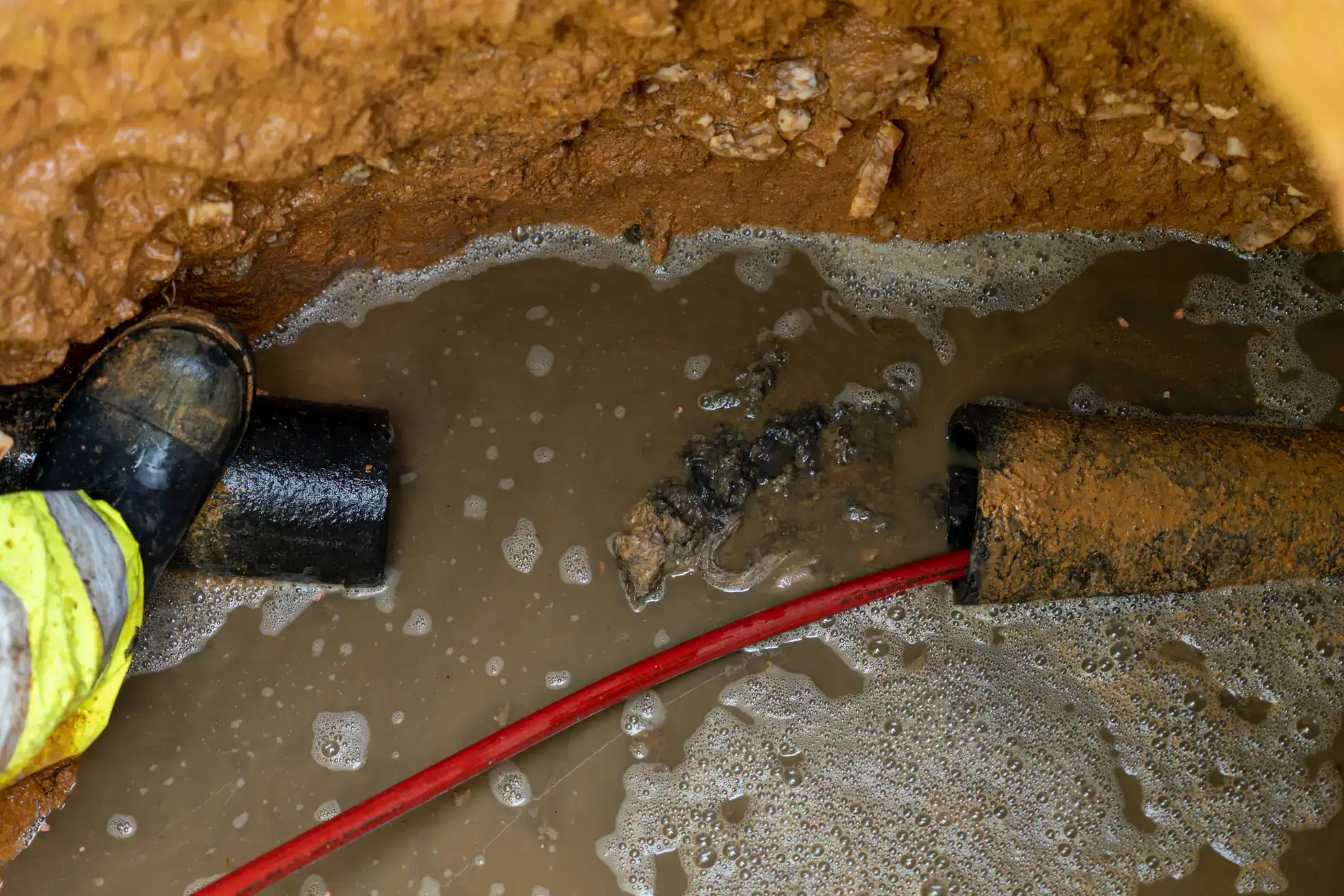
First, we assess the contamination level and identify all affected areas. This includes checking behind walls and under flooring where sewage water might have traveled. We document everything for insurance purposes.
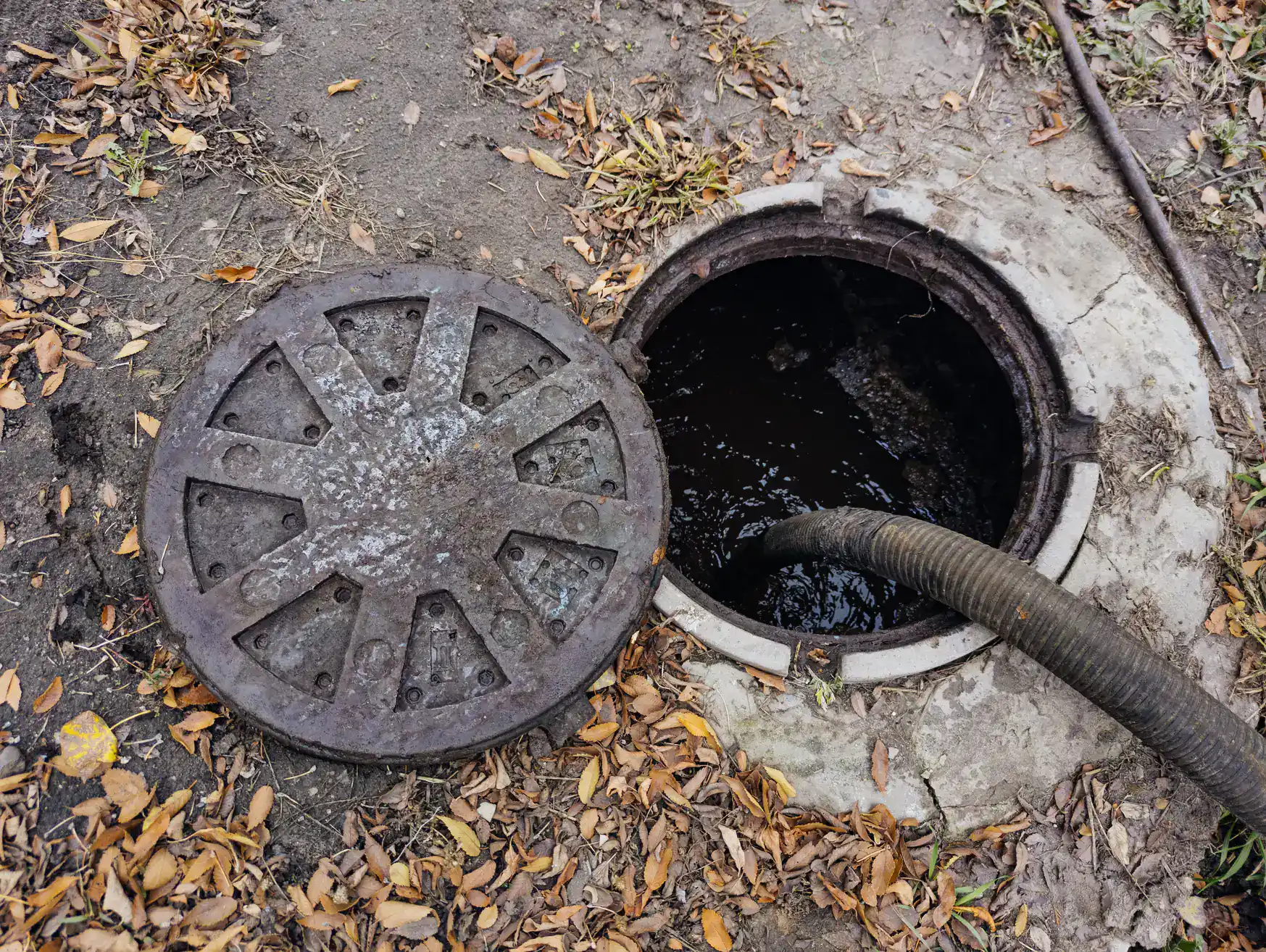
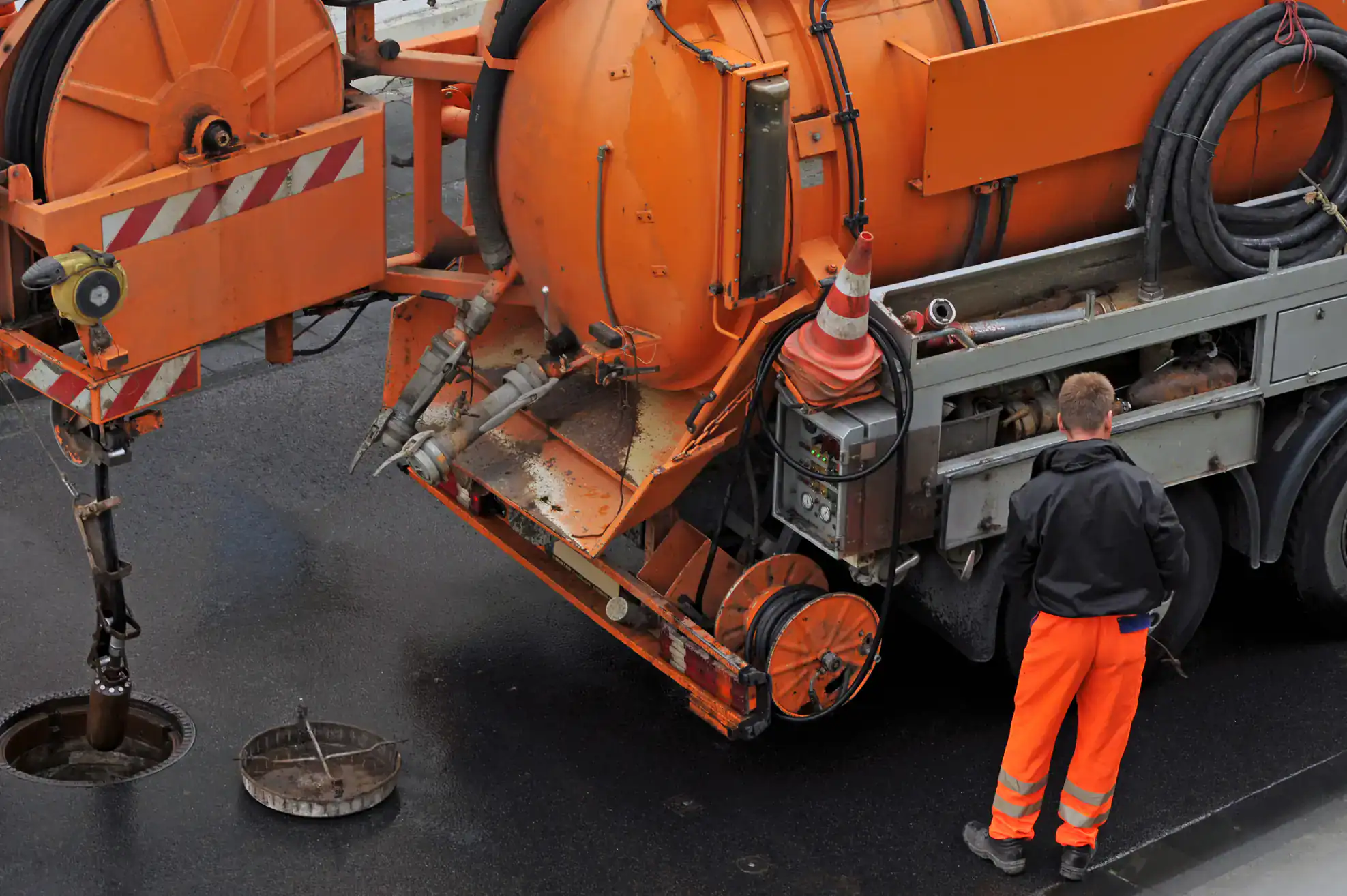
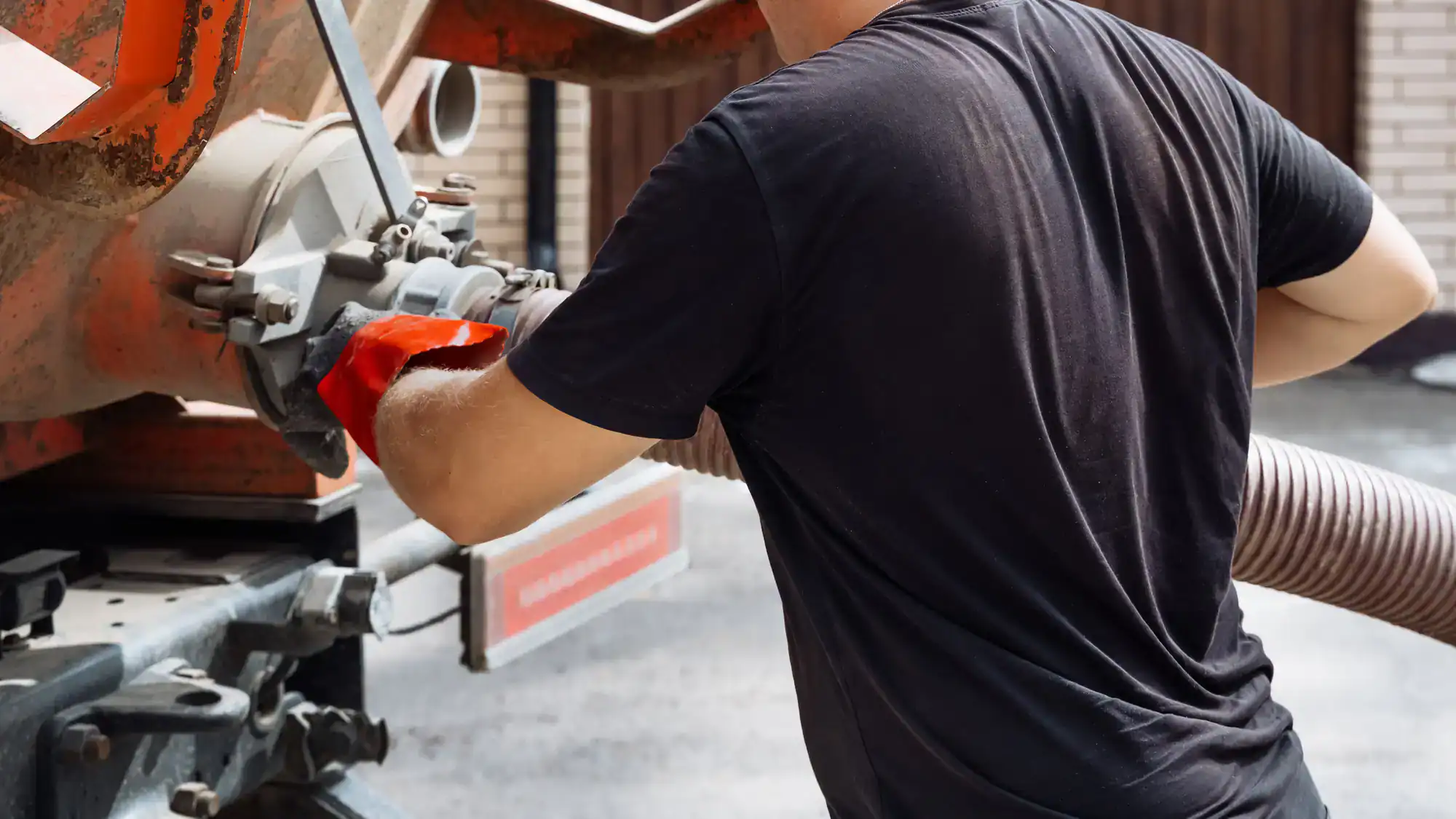
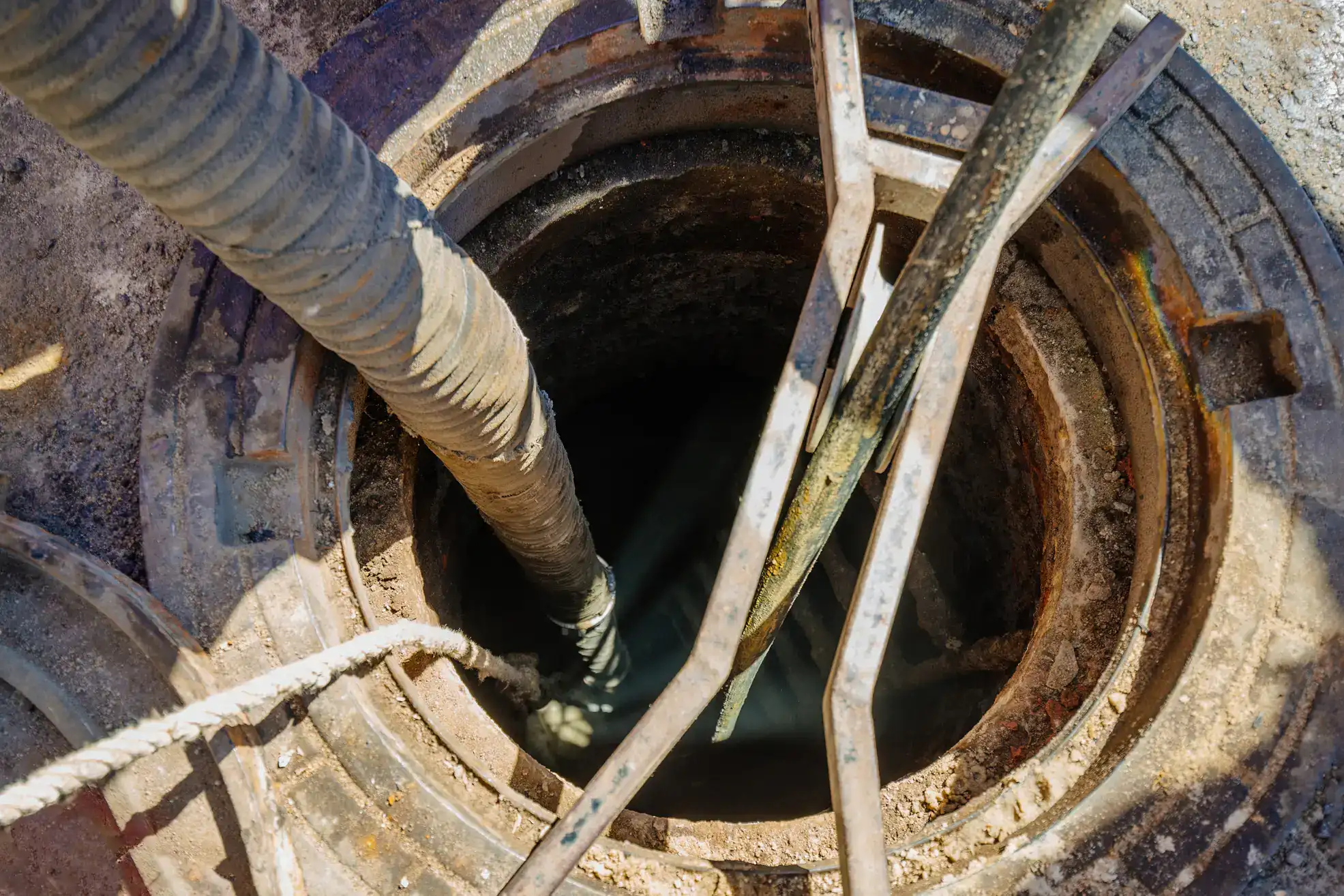
Next comes extraction and removal. We use truck-mounted equipment to remove all standing water and contaminated materials. Everything that can’t be properly sanitized gets safely disposed of following EPA guidelines.
Finally, we sanitize and dry. Industrial-grade disinfectants eliminate harmful bacteria and viruses. Powerful dehumidifiers and air movers ensure complete moisture removal. We monitor humidity levels until everything meets industry standards for safe occupancy.
Our sewage cleanup service includes water extraction using powerful truck-mounted units, structural drying with industrial dehumidifiers, and complete deodorization to eliminate lingering smells. We also handle minor repairs to damaged drywall, flooring, or fixtures.
Canal Street properties often deal with combined sewer systems that handle both wastewater and stormwater. When these systems back up, the contamination can be extensive. We understand how Manhattan’s infrastructure works and what it takes to properly clean and restore properties in this area.
We work directly with your insurance company to document damages and coordinate coverage. Most sewage cleanup services are covered under standard homeowner’s and commercial policies, and we handle the paperwork so you can focus on getting back to normal.
How quickly can you respond to a sewage backup emergency in Canal Street?
We provide 24/7 emergency response and typically arrive within one hour of your call. Sewage backups create immediate health hazards, so speed matters.
The longer contaminated water sits, the deeper it penetrates into flooring, walls, and structural materials. Quick response also prevents mold growth, which can start within 24-48 hours in NYC’s humid conditions.
Our trucks are stocked with extraction equipment, sanitizers, and protective gear so we can start cleanup immediately upon arrival. We don’t need to go back to the shop for supplies.
What health risks does sewage backup create in my Canal Street building?
Raw sewage contains harmful bacteria, viruses, and parasites including E. coli, Salmonella, Hepatitis A, and Giardia. Direct contact or breathing contaminated air can cause serious illness.
Children, elderly residents, and anyone with compromised immune systems face the highest risk. Even healthy adults can develop gastroenteritis, skin infections, or respiratory problems from exposure.
This is why we use full protective equipment and follow strict safety protocols. We also use EPA-approved disinfectants that eliminate these pathogens completely, not just surface cleaning that might leave contamination behind.
Will my insurance cover sewage cleanup costs in Manhattan?
Most homeowner’s and commercial insurance policies cover sudden sewage backups, but coverage varies depending on the cause. If the backup resulted from a covered peril like a burst pipe, you’re typically covered.
However, if the backup was caused by poor maintenance or gradual deterioration, coverage might be limited. Some policies require specific sewage backup endorsements for full protection.
We work directly with insurance companies and can help determine your coverage. We document everything thoroughly and provide detailed estimates that insurance adjusters need for claim processing.
How do you prevent mold growth after sewage cleanup?
Mold prevention starts with complete moisture removal. We use moisture meters to verify that all materials are dried to acceptable levels – typically below 15% moisture content for wood and similar materials.
We also apply antimicrobial treatments to affected surfaces. These treatments create a hostile environment for mold spores and prevent growth even if minor moisture intrusion occurs later.
Our dehumidifiers run continuously until humidity levels drop below 50%. In Canal Street’s climate, this usually takes 3-5 days depending on the extent of water damage and outdoor conditions.
What should I do immediately when sewage backs up into my property?
First, ensure everyone’s safety. Keep people and pets away from contaminated areas. Don’t try to clean it yourself – sewage requires professional handling and protective equipment.
Turn off electricity to affected areas if it’s safe to do so. Don’t use regular household fans or equipment that might spread contamination through the air.
Call us immediately at 631-613-8945. The sooner we start extraction and sanitization, the less damage your property will sustain and the lower your restoration costs will be.
How long does complete sewage cleanup take in Canal Street properties?
Most sewage cleanup projects take 3-5 days from start to finish. Day one involves extraction and removal of contaminated materials. Days 2-4 focus on drying and dehumidification. Final day includes testing and restoration completion.
Larger properties or extensive contamination can take longer. Canal Street’s older buildings sometimes have hidden spaces where water travels, requiring additional drying time.
We provide daily updates on progress and moisture readings. You’ll know exactly when your property is safe for reoccupancy – we don’t rush the process or cut corners on safety.