I needed a professional consultation explanation of procedure for safe removal of Asbestos in my apartment complex. Without having an account yet, I was very impressed with the caring, knowledgeable and generous advice offered by Jessica, and will look forward to doing business in the future. Thank you so much! I feel much more informed about a sometimes scary endeavor. Peace. Nancy Silva Mineola, NY.
Mia Munoz
Used this company to clean up some water flood in my house. They were fast and easy to work with.very professional, Would recommend to anyone!
Nini Valle
Great company, had a flood and they responded quickly and efficiently. Billed my insurance company directly. I highly recommend this company!
joe colapietro, jr
I had pipe freeze in my basement right before a snow storm and they made to within an hour to help start the clean up process. They we by our side throughout the entire process and even helped with the insurance company. They did such a great job with the cleanup, repair, remidiation, I contracted them to perform the repairs and finishes in the basement. They came with enough manpower and material to get the job done. Leo and Jessica were nothing but a pleasure to deal with!!
Cristian Arredondo c
I had some water damage in my home and Green Island was able to take care of my issue quickly and effectively. I am very pleased with the work they did. They responded quickly and were very professional.
Michael M
Outstanding service! From the office to the field crew everyone was friendly, helpful and responsive. I highly recommend Green Island Group.
When sewage backs up into your Centereach home, you’re not just dealing with a mess—you’re facing serious health risks and potential property damage. The smell alone is overwhelming, but the real danger lies in what you can’t see: harmful bacteria, viruses, and contaminants that can make your family sick.
Professional sewage cleanup means more than just removing the waste. It means your home becomes safe again. Your floors, walls, and air are completely sanitized. The lingering odors disappear entirely. Your family can return to normal life without worrying about hidden health hazards or structural damage that could cost thousands later.
You get your peace of mind back. No more wondering if you missed something or if the cleanup was thorough enough. When professionals handle sewage contamination properly, your property is restored to pre-loss condition—clean, safe, and livable.
We’ve been serving Suffolk County residents for years, and we understand exactly what Centereach homeowners face when sewage backups happen. We’ve seen how Long Island’s aging septic systems and sewer lines can fail, especially during heavy storms or when tree roots infiltrate pipes.
Our technicians are trained specifically for sewage contamination cleanup. We follow strict safety protocols and use professional-grade equipment that most companies don’t have access to. When you call us, you’re getting a team that knows the local infrastructure challenges and has the expertise to handle them properly.
We’re available 24/7 because sewage emergencies don’t wait for business hours. Our response time is fast, and we work directly with your insurance company to handle the billing process. You focus on your family—we handle everything else.
First, we assess the situation and secure the area. Our technicians identify all affected areas, test for contamination levels, and create a detailed cleanup plan. Safety comes first—we make sure no one is exposed to harmful contaminants during the process.
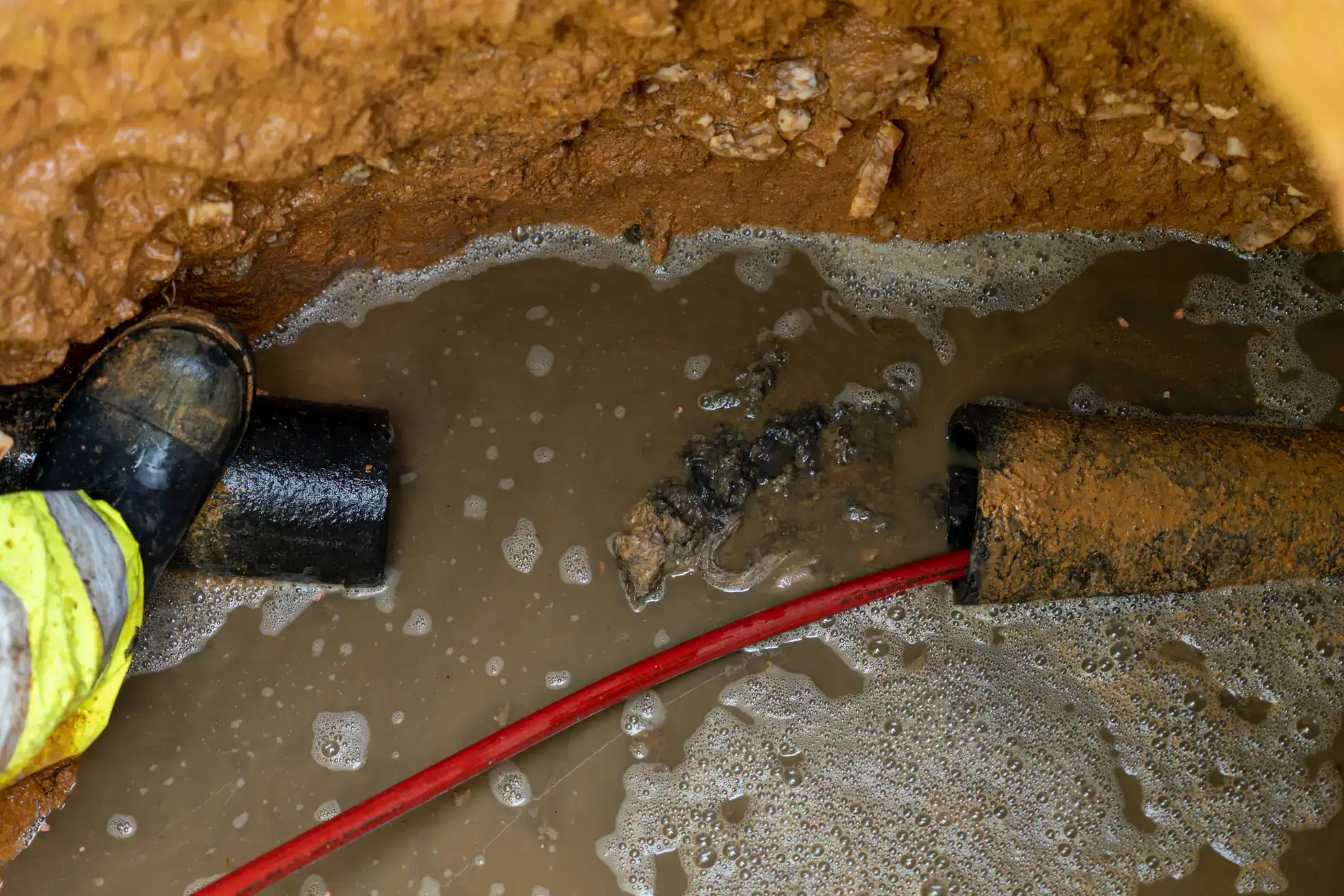
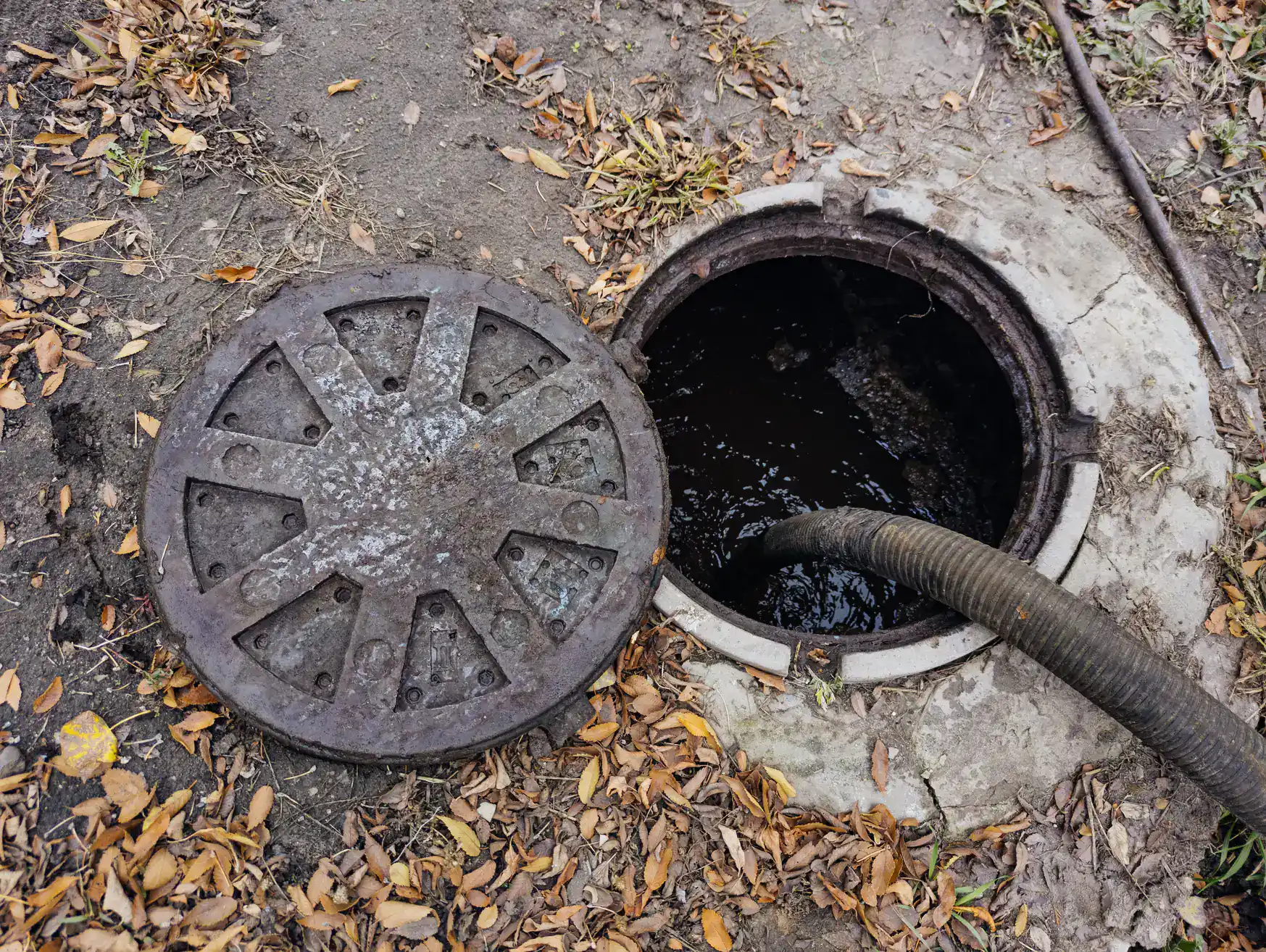
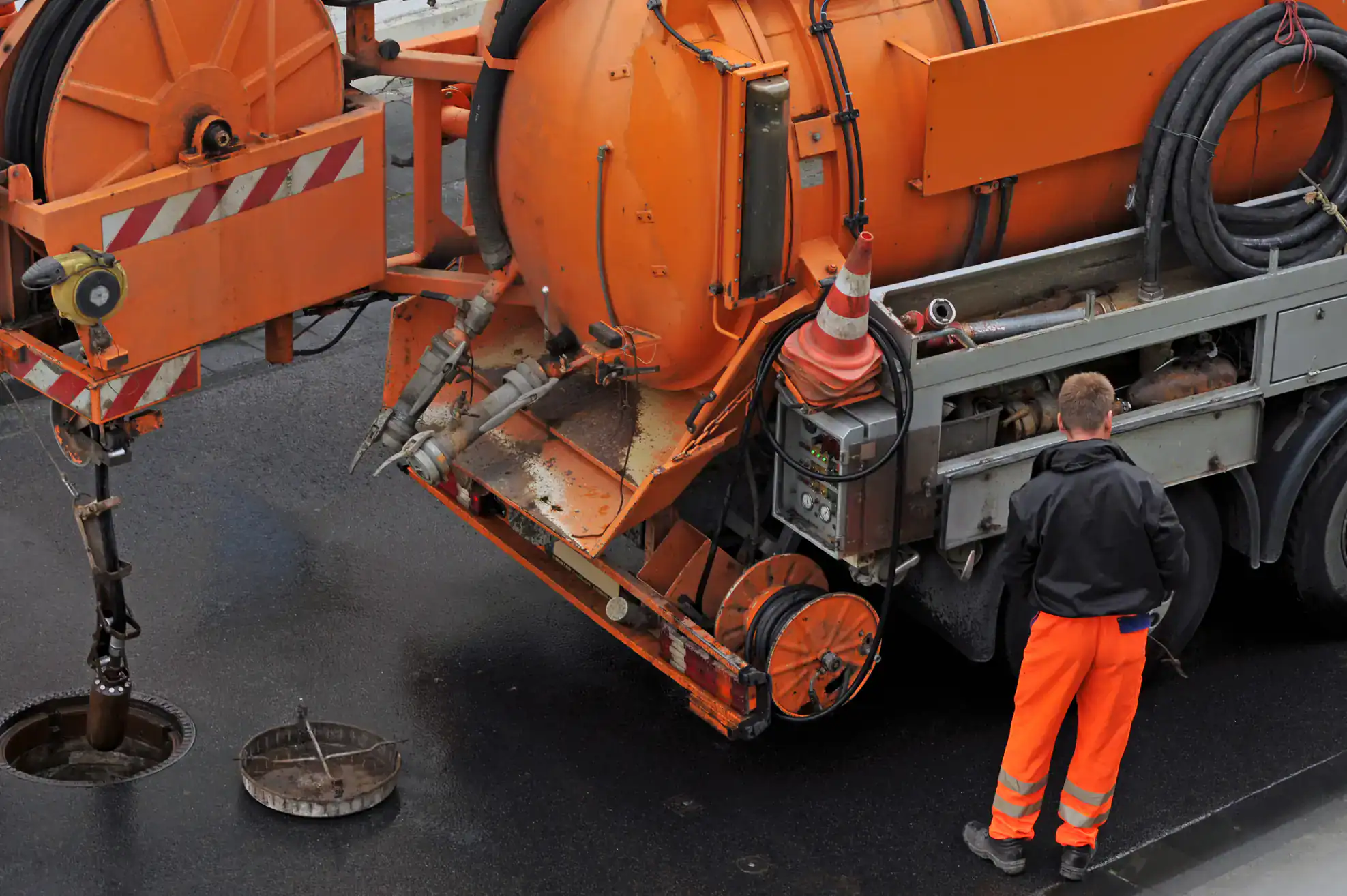
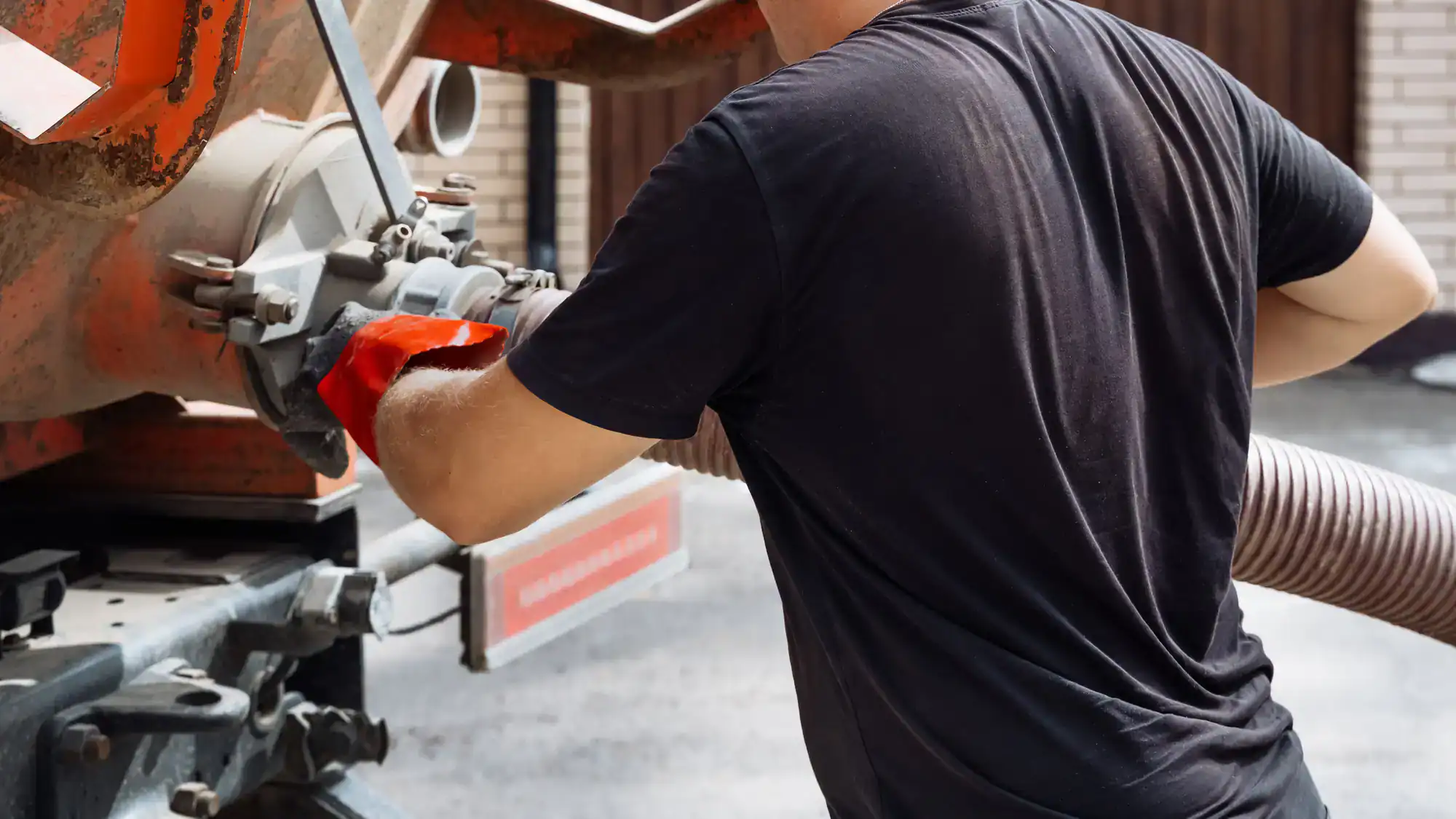
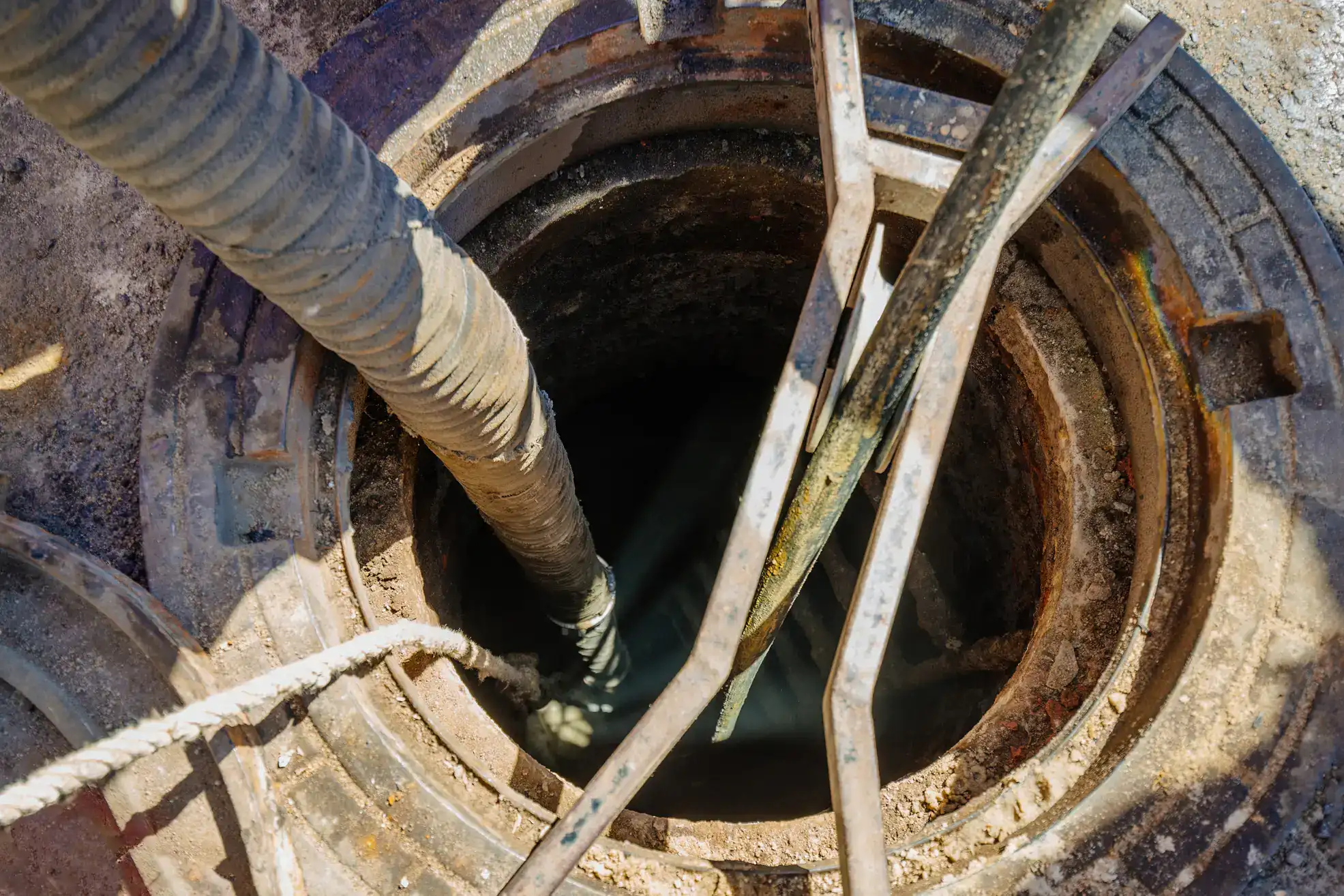
Next comes extraction and removal. We use powerful truck-mounted equipment to remove all sewage and contaminated water. This isn’t something you can do with a shop vacuum—professional extraction equipment removes waste completely and prevents it from seeping deeper into your property’s structure.
Finally, we sanitize and dry everything thoroughly. We treat all affected surfaces with hospital-grade disinfectants, then use industrial dehumidifiers and air movers to eliminate moisture completely. This prevents mold growth and ensures no bacteria or viruses remain. We also handle deodorization to eliminate any lingering smells.
Our sewage cleanup service covers every aspect of contamination removal and property restoration. You get water extraction using powerful pumps and vacuums, structural drying with industrial-grade equipment, complete sanitization of all affected surfaces, and professional deodorization to eliminate odors permanently.
In Centereach, we see specific challenges that other areas don’t face. The high water table on Long Island means sewage can spread further and faster than in other regions. Older homes often have septic systems that weren’t designed for today’s usage patterns. Heavy rainfall can overwhelm aging sewer systems, causing backups in basements and crawl spaces.
We also handle minor repairs caused by sewage damage—things like damaged drywall, flooring, or fixtures that were affected by the backup. Our goal is complete restoration, so you don’t have to coordinate with multiple contractors. Everything gets handled by our team, and we work directly with your insurance company throughout the process.
How quickly can you respond to a sewage backup emergency in Centereach?
We provide 24/7 emergency response and typically arrive within an hour of your call. Sewage backups require immediate attention because contamination spreads quickly and health risks increase the longer waste sits in your home.
Time is critical with sewage cleanup. The first few hours determine how extensive the damage becomes and how much of your property can be saved. We keep emergency crews on standby specifically for these situations because we know that waiting until morning or the next business day can turn a manageable cleanup into a major restoration project.
Our rapid response also means we can often prevent sewage from reaching areas like your HVAC system or spreading to upper floors, which would significantly increase cleanup costs and time.
What health risks come from sewage backup exposure in my home?
Sewage contains dangerous bacteria like E. coli and Salmonella, viruses including Hepatitis A, and parasites like Giardia. Direct contact can cause gastrointestinal illness, skin infections, respiratory problems, and eye irritation. Children and elderly family members face higher risks.
The health dangers aren’t just from touching contaminated surfaces. Sewage releases toxic gases like hydrogen sulfide and methane that can cause breathing problems and central nervous system depression. People with asthma or other respiratory conditions are especially vulnerable to these airborne contaminants.
Even after visible sewage is removed, bacteria and viruses can remain on surfaces and in porous materials like drywall or carpet. That’s why professional sanitization is essential—household cleaners aren’t strong enough to eliminate these health hazards completely.
Will my homeowner's insurance cover professional sewage cleanup costs?
Most homeowner’s insurance policies cover sudden sewage backups, especially when caused by issues like burst pipes or sewer line failures. We work directly with insurance companies and handle the billing process for you.
Coverage typically includes water extraction, sanitization, structural drying, and restoration of damaged materials. However, insurance companies require professional documentation and proper cleanup procedures to approve claims. DIY cleanup attempts can actually void your coverage because insurance companies need proof that contamination was handled according to industry standards.
We document everything throughout the cleanup process and provide detailed reports to your insurance company. This includes photos, moisture readings, air quality tests, and itemized lists of all services performed. Our experience with insurance claims helps ensure your coverage is maximized.
Can I clean up sewage backup myself to save money?
Attempting DIY sewage cleanup is dangerous and often makes the situation worse. You don’t have access to professional-grade extraction equipment, hospital-level disinfectants, or the safety gear needed to handle hazardous waste safely.
Sewage contamination requires specialized equipment that most homeowners don’t own. Shop vacuums can’t remove sewage completely and may actually spread contamination to clean areas. Household cleaners aren’t strong enough to eliminate dangerous bacteria and viruses. Without proper moisture detection equipment, you can’t ensure everything is completely dry, which leads to mold growth later.
Insurance companies also require professional cleanup for coverage approval. If you attempt DIY cleanup and miss contaminated areas or don’t follow proper procedures, your insurance claim may be denied. The money you think you’re saving upfront often costs much more in the long run.
How long does complete sewage cleanup and restoration take?
Most sewage cleanup projects take 3-5 days for complete restoration, depending on the extent of contamination and materials affected. Emergency extraction and sanitization happen immediately, but structural drying and final restoration require time to ensure everything is completely safe.
The timeline depends on several factors: how much sewage was involved, what materials were contaminated, and how long the waste sat before cleanup began. Porous materials like carpet and drywall take longer to dry completely than hard surfaces. Areas with poor ventilation or high humidity may require additional drying time.
We never rush the process because incomplete drying leads to mold growth and ongoing contamination issues. We use moisture meters and air quality testing to confirm everything meets safety standards before declaring the job complete. Your family’s health is more important than getting back to normal quickly.
What should I do immediately after discovering sewage backup in my home?
Stop using all water immediately and evacuate the contaminated area. Don’t try to clean anything yourself—sewage contains dangerous pathogens that require professional handling. Call us right away at our 24/7 emergency line.
Turn off electricity to affected areas if you can do so safely from outside the contaminated zone. Don’t walk through sewage water, and keep children and pets away from the area completely. Open windows for ventilation if possible, but don’t use fans that might spread contaminated air to clean areas.
Document the damage with photos for insurance purposes, but don’t enter contaminated areas without proper protective equipment. The sooner you call professionals, the less damage occurs and the faster your home returns to normal. Every minute counts with sewage contamination.