I needed a professional consultation explanation of procedure for safe removal of Asbestos in my apartment complex. Without having an account yet, I was very impressed with the caring, knowledgeable and generous advice offered by Jessica, and will look forward to doing business in the future. Thank you so much! I feel much more informed about a sometimes scary endeavor. Peace. Nancy Silva Mineola, NY.
Mia Munoz
Used this company to clean up some water flood in my house. They were fast and easy to work with.very professional, Would recommend to anyone!
Nini Valle
Great company, had a flood and they responded quickly and efficiently. Billed my insurance company directly. I highly recommend this company!
joe colapietro, jr
I had pipe freeze in my basement right before a snow storm and they made to within an hour to help start the clean up process. They we by our side throughout the entire process and even helped with the insurance company. They did such a great job with the cleanup, repair, remidiation, I contracted them to perform the repairs and finishes in the basement. They came with enough manpower and material to get the job done. Leo and Jessica were nothing but a pleasure to deal with!!
Cristian Arredondo c
I had some water damage in my home and Green Island was able to take care of my issue quickly and effectively. I am very pleased with the work they did. They responded quickly and were very professional.
Michael M
Outstanding service! From the office to the field crew everyone was friendly, helpful and responsive. I highly recommend Green Island Group.
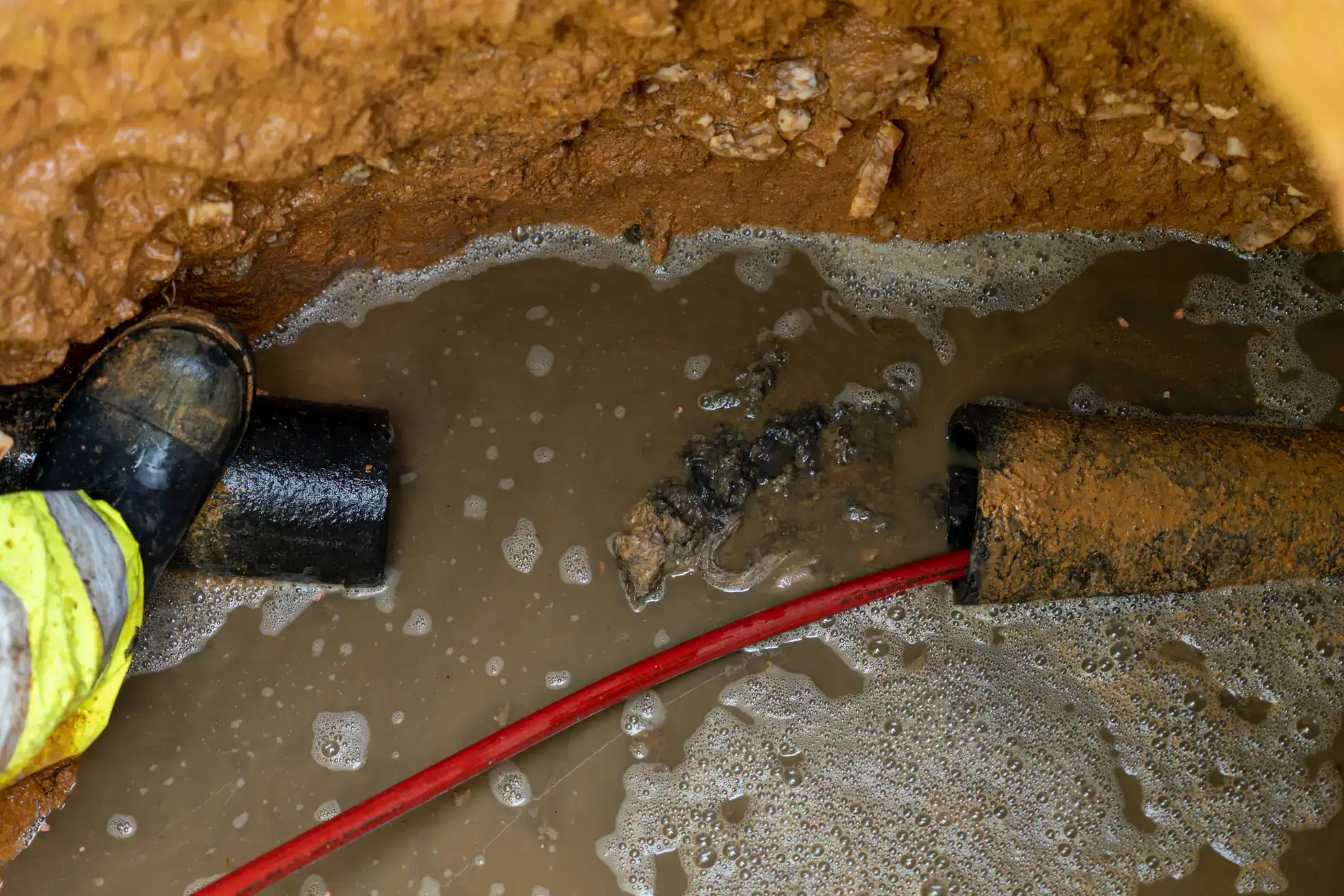
You’re dealing with more than just a mess. Raw sewage brings dangerous bacteria, viruses, and health risks that can make your family sick. The smell alone is overwhelming, and every minute that passes means more damage seeping into your floors, walls, and belongings.
We eliminate these health hazards completely. Your home becomes safe for your family again, with no lingering odors or contamination. The structural damage stops spreading, preventing costly repairs down the road.
Most importantly, you get your life back. No more worrying about what’s lurking in your basement or whether your property will ever feel clean again.
We’ve been handling sewage emergencies across Long Island for years. We understand Commack’s unique challenges—from aging sewer infrastructure to the tree root problems that plague many Suffolk County neighborhoods.
Our technicians know exactly how sewage issues develop in this area. We’ve seen how Commack’s older homes can have vulnerable basement drains, and we understand the local soil conditions that affect drainage patterns.
When Commack residents need sewage cleanup that actually works, they call us because we’ve proven ourselves in this community. We’re available 24/7, work directly with your insurance company, and handle everything from emergency extraction to complete restoration.
First, we assess the full extent of the contamination. Our technicians identify all affected areas, including hidden damage behind walls and under flooring that you might not see. We determine what can be saved and what needs complete replacement.
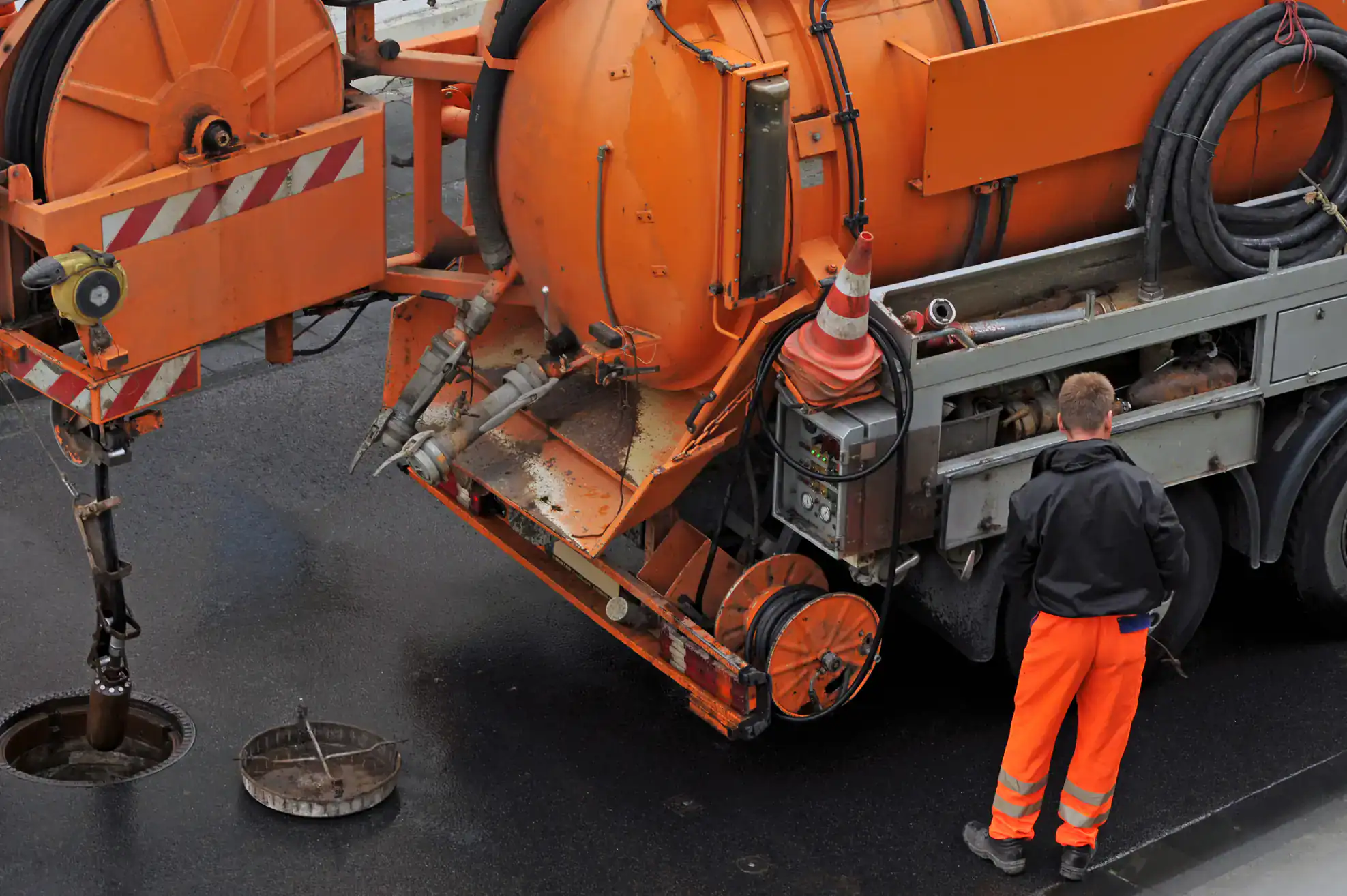
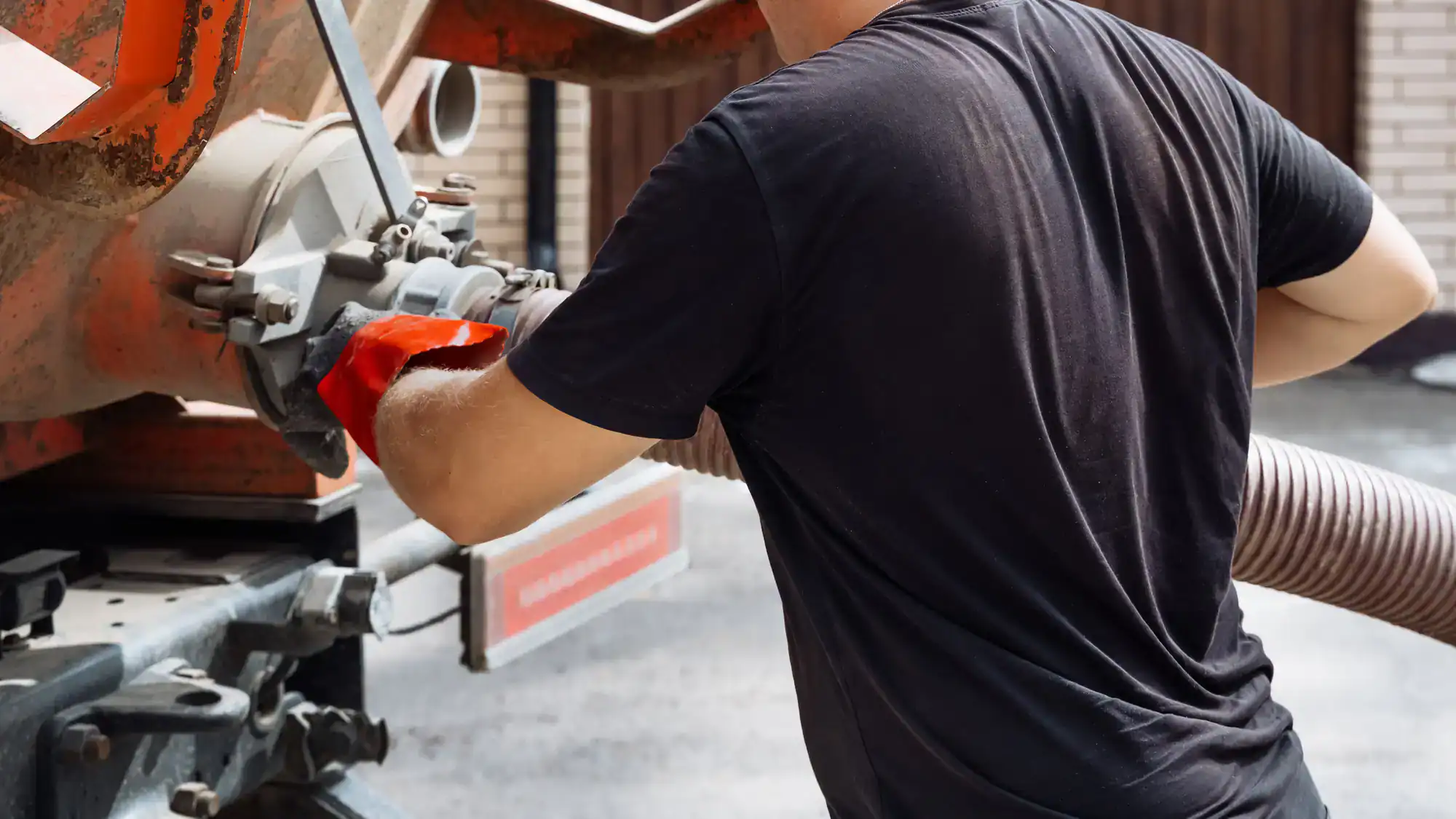
Next comes extraction and removal. We use powerful truck-mounted equipment to remove all sewage and contaminated water quickly. This isn’t a shop-vac job—we have industrial-grade extraction units that handle the worst backups efficiently.
Finally, we sanitize and dry everything thoroughly. We eliminate all bacteria and viruses, then use advanced drying techniques to prevent mold growth. Your property gets restored to a safe, clean condition that meets all health and safety standards.
Your sewage cleanup includes everything needed to restore your property completely. We handle water extraction using powerful pumps and vacuums, followed by structural drying to prevent mold growth. Deodorization eliminates lingering odors with specialized treatments, not just air fresheners.
In Commack, we often see sewage issues combined with basement flooding, especially in homes near the Sunken Meadow Creek area or properties with older cesspool systems. Many Commack homeowners don’t realize their basement floor drains are the first warning sign of main sewer line problems.
We also address minor repairs caused by the sewage backup. Our team understands Commack’s building requirements and local regulations, ensuring all restoration work meets Suffolk County standards. Most insurance policies cover this type of damage, and we handle the paperwork directly with your carrier.
How quickly can you respond to sewage emergencies in Commack?
We provide 24/7 emergency sewage cleanup in Commack with rapid response times. Most calls get a technician on-site within an hour, depending on your exact location and current conditions.
Time matters with sewage backups because contamination spreads quickly and health risks increase every hour. The longer sewage sits, the more it penetrates into porous materials like drywall, insulation, and subflooring. What starts as a manageable cleanup can become a major reconstruction project if you wait.
Our emergency response includes immediate assessment, containment of the affected area, and extraction of standing sewage water. We bring all necessary equipment on the first visit, so there’s no delay waiting for additional tools or supplies.
What causes sewage backups in Commack homes?
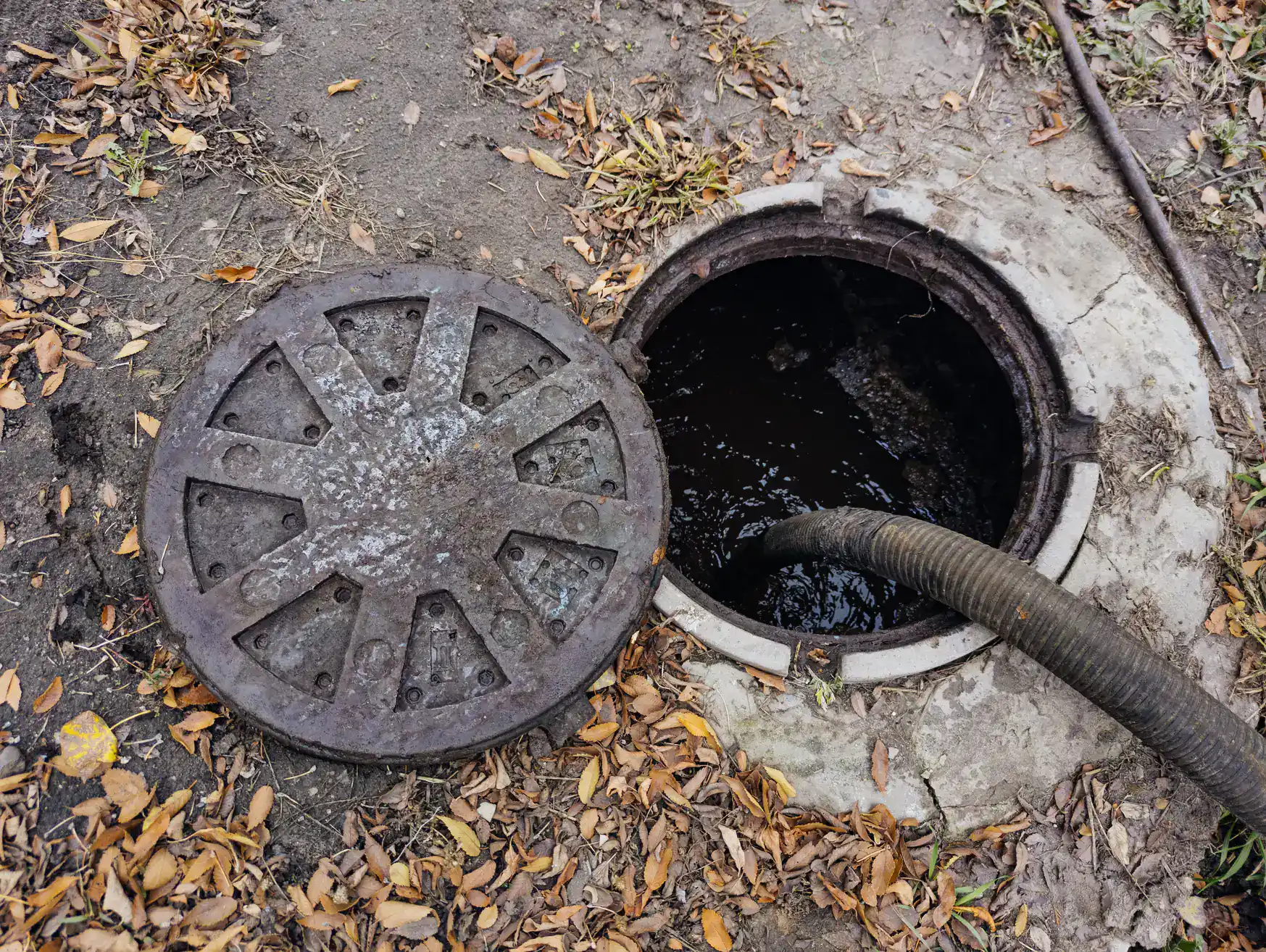
Tree roots are the leading cause of sewage backups in Commack. Mature trees throughout the area send roots seeking moisture, and they penetrate sewer line joints and small cracks. Over time, these roots grow larger and eventually crush or completely block pipes.
Commack’s older cesspool systems also create backup issues when they become overloaded or fail. Many homes built in the 1960s and 1970s have cesspools that need pumping every 3-5 years, and homeowners often don’t realize they’re overdue until toilets start backing up.
Main sewer line disruptions can also cause problems. When the municipal system has issues or gets overwhelmed during heavy rains, sewage can back up through your basement floor drains. This is especially common in lower-lying areas of Commack near natural drainage patterns.
Is sewage cleanup covered by homeowners insurance in Commack?
Most homeowners insurance policies do cover sewage cleanup, but coverage depends on the specific cause of the backup. If the sewage backup results from a covered peril like a sudden pipe break or system failure, insurance typically pays for cleanup and restoration.
However, coverage may be limited if the backup stems from lack of maintenance, like an overdue cesspool pumping or neglected sewer line repairs. Some policies require separate sewer backup coverage, which is relatively inexpensive to add but crucial for complete protection.
We work directly with insurance companies and handle all the documentation and claims process. Our detailed assessment reports and photo documentation help ensure you get fair compensation for the damage. We can often begin work immediately while the claim processes, so you don’t have to wait for approval to start protecting your health and property.
Can I clean up sewage myself to save money?
Attempting DIY sewage cleanup is dangerous and often makes the problem worse. Raw sewage contains harmful bacteria, viruses, and parasites that can cause serious illness. Without proper protective equipment and training, you risk exposure to diseases like Hepatitis A, E. coli, and Giardia.
Home equipment isn’t powerful enough to handle sewage extraction and sanitization properly. Shop vacuums and household cleaners can’t eliminate the health hazards or prevent mold growth. You’ll likely miss contamination in hidden areas, leading to ongoing odor and health problems.
Most importantly, improper cleanup can void your insurance coverage. Insurance companies expect professional remediation for category 3 water damage (sewage), and DIY attempts may be seen as inadequate treatment. The money you think you’re saving upfront often costs much more in health problems, recurring issues, and denied claims later.
How do you prevent mold growth after sewage cleanup?
Preventing mold growth requires complete moisture elimination and proper sanitization within 24-48 hours of the initial sewage exposure. We use industrial-grade dehumidifiers and air movers to thoroughly dry all affected materials, including hidden areas behind walls and under flooring.
Our moisture meters detect water content in materials that appear dry to the naked eye. Wood framing, insulation, and drywall can retain moisture for days or weeks without proper drying equipment. We monitor moisture levels throughout the drying process to ensure everything reaches safe levels.
We also apply antimicrobial treatments to all affected surfaces. These treatments eliminate existing mold spores and create a hostile environment for future growth. Combined with complete drying, this approach prevents the mold problems that often develop after water damage incidents. Our process meets industry standards and prevents the secondary damage that can cost thousands more than the original cleanup.
What should I do immediately when sewage backs up in my Commack home?
Stop the source if possible by locating any visible blockage or shutting off water to prevent additional flow. Don’t use toilets, sinks, or drains in the affected area, as this can worsen the backup and spread contamination.
Turn off electricity to the affected area if there’s any chance of electrical contact with sewage water. Water and electricity create deadly hazards, so err on the side of caution. If you can’t safely reach the electrical panel, wait for professionals.
Avoid walking through sewage unless absolutely necessary, and never let children or pets near the contaminated area. Take photos for insurance documentation, but don’t attempt cleanup yourself. Call us immediately at our 24/7 emergency line—the sooner professional cleanup begins, the less damage you’ll have and the lower your restoration costs will be.