I needed a professional consultation explanation of procedure for safe removal of Asbestos in my apartment complex. Without having an account yet, I was very impressed with the caring, knowledgeable and generous advice offered by Jessica, and will look forward to doing business in the future. Thank you so much! I feel much more informed about a sometimes scary endeavor. Peace. Nancy Silva Mineola, NY.
Mia Munoz
Used this company to clean up some water flood in my house. They were fast and easy to work with.very professional, Would recommend to anyone!
Nini Valle
Great company, had a flood and they responded quickly and efficiently. Billed my insurance company directly. I highly recommend this company!
joe colapietro, jr
I had pipe freeze in my basement right before a snow storm and they made to within an hour to help start the clean up process. They we by our side throughout the entire process and even helped with the insurance company. They did such a great job with the cleanup, repair, remidiation, I contracted them to perform the repairs and finishes in the basement. They came with enough manpower and material to get the job done. Leo and Jessica were nothing but a pleasure to deal with!!
Cristian Arredondo c
I had some water damage in my home and Green Island was able to take care of my issue quickly and effectively. I am very pleased with the work they did. They responded quickly and were very professional.
Michael M
Outstanding service! From the office to the field crew everyone was friendly, helpful and responsive. I highly recommend Green Island Group.
You wake up to clean floors, fresh air, and the confidence that your family is safe. No lingering odors. No health risks lurking in corners you can’t see. No wondering if the job was done right.
That’s what happens when sewage cleanup is handled by people who actually know what they’re doing. Your home gets back to being your home – not a contaminated space you’re afraid to use.
The difference is in the details. Proper extraction that removes every trace of contaminated water. Structural drying that prevents mold from taking hold weeks later. Deodorization that eliminates smells at their source, not just covers them up.
We’ve been handling sewage emergencies across Long Island for years. We know Fire Island’s unique challenges – the septic systems, the groundwater issues, the logistics of getting equipment to barrier island properties.
Davis Park residents deal with specific problems other areas don’t face. Aging septic systems that struggle with seasonal occupancy spikes. Sandy soil that doesn’t process waste like mainland properties. Ferry schedules that complicate emergency response.
We’ve seen it all and we’re equipped for it all. When you call us, you’re getting technicians who understand exactly what you’re dealing with and how to fix it right.
First, we assess the situation completely. Where’s the contamination? How far has it spread? What surfaces are affected? We document everything for insurance purposes and create a clear plan before we start any work.
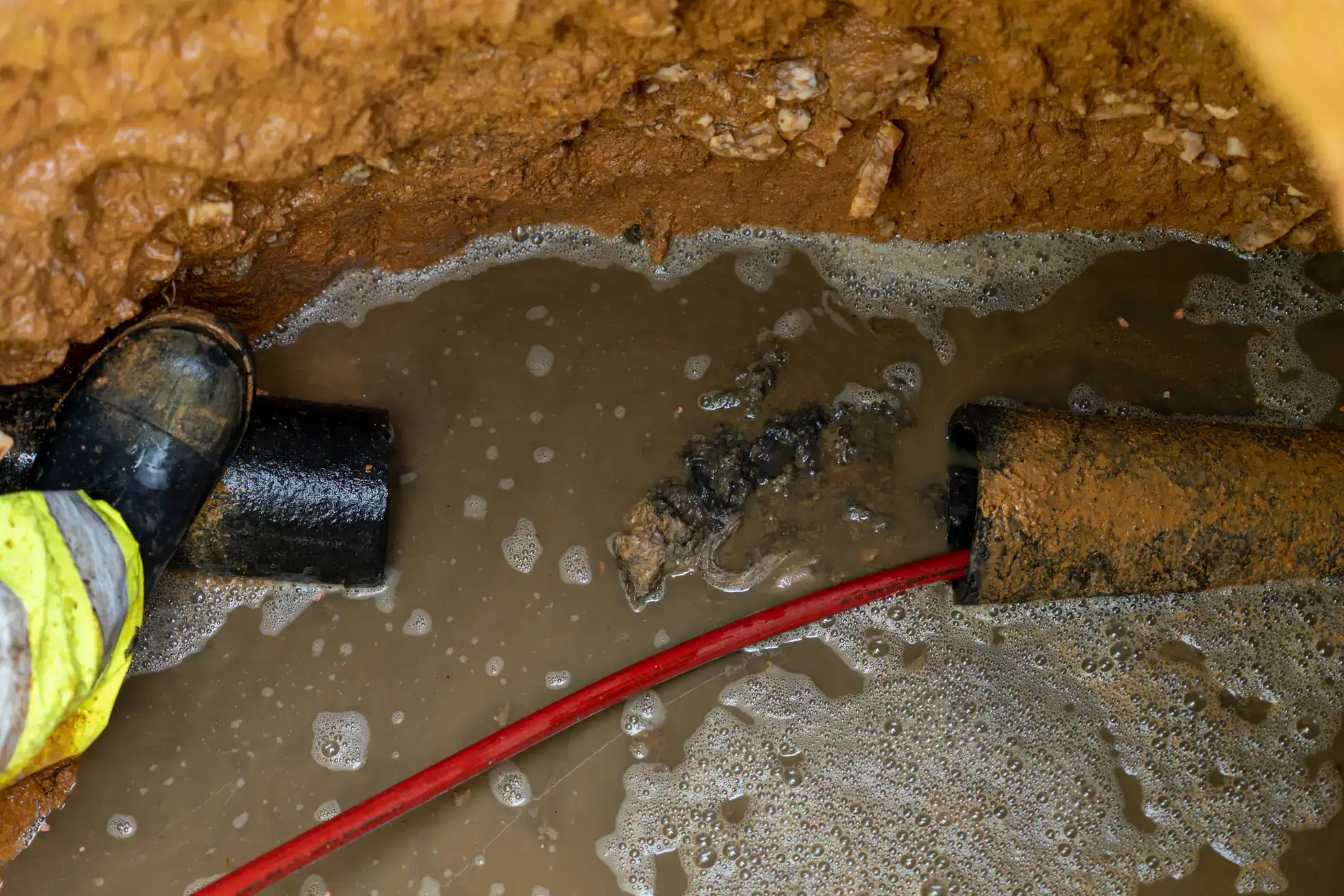
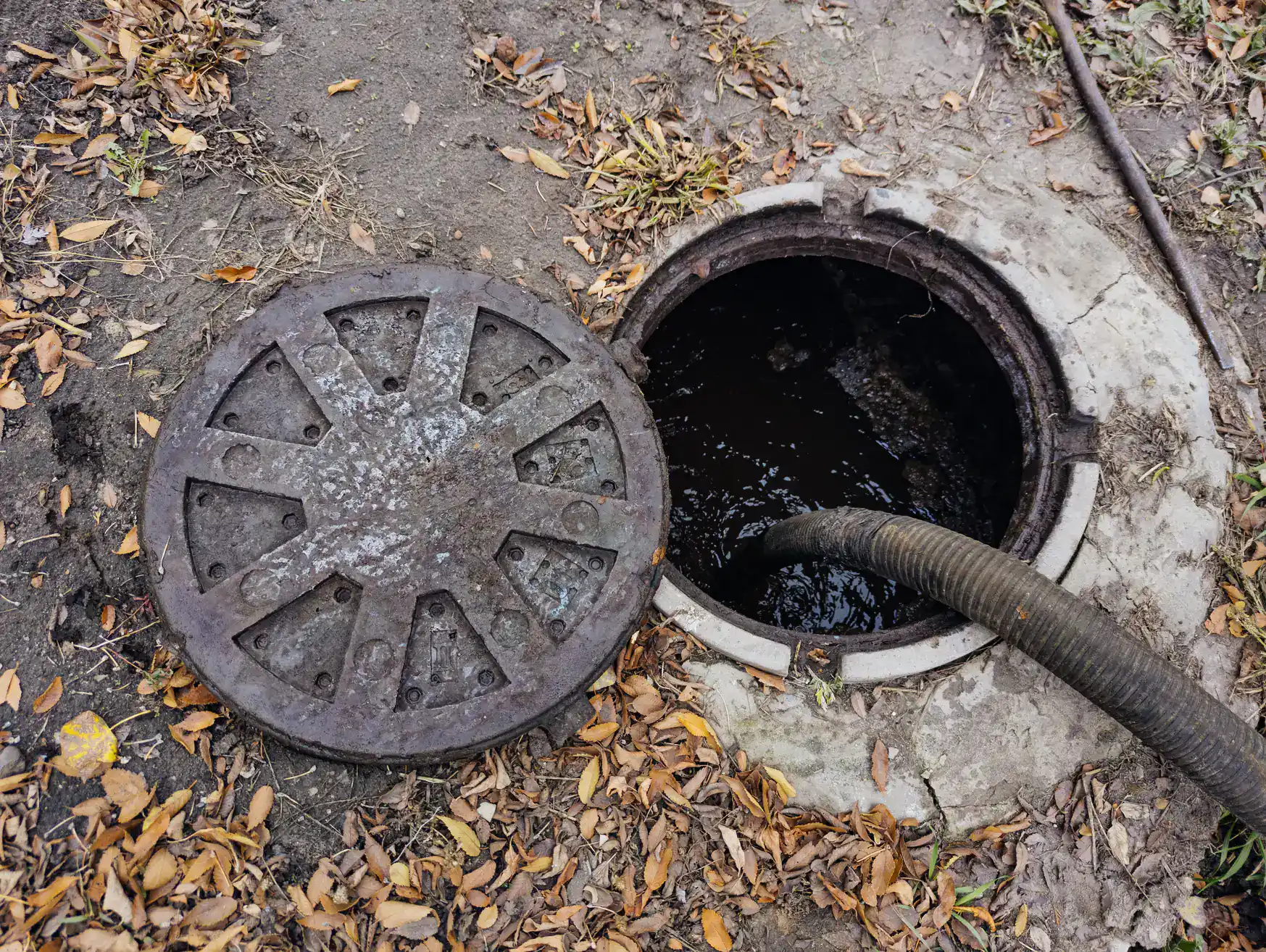
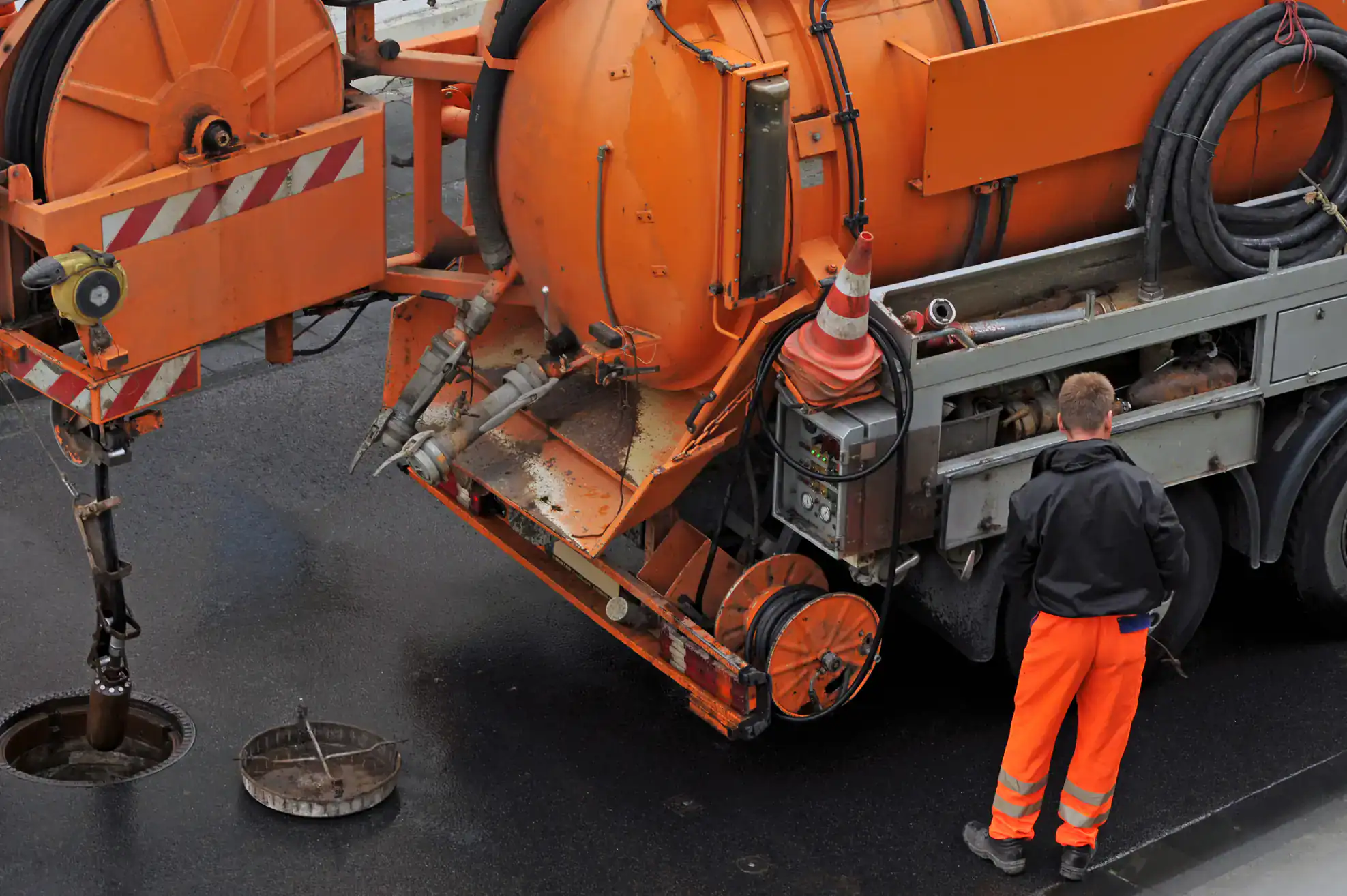
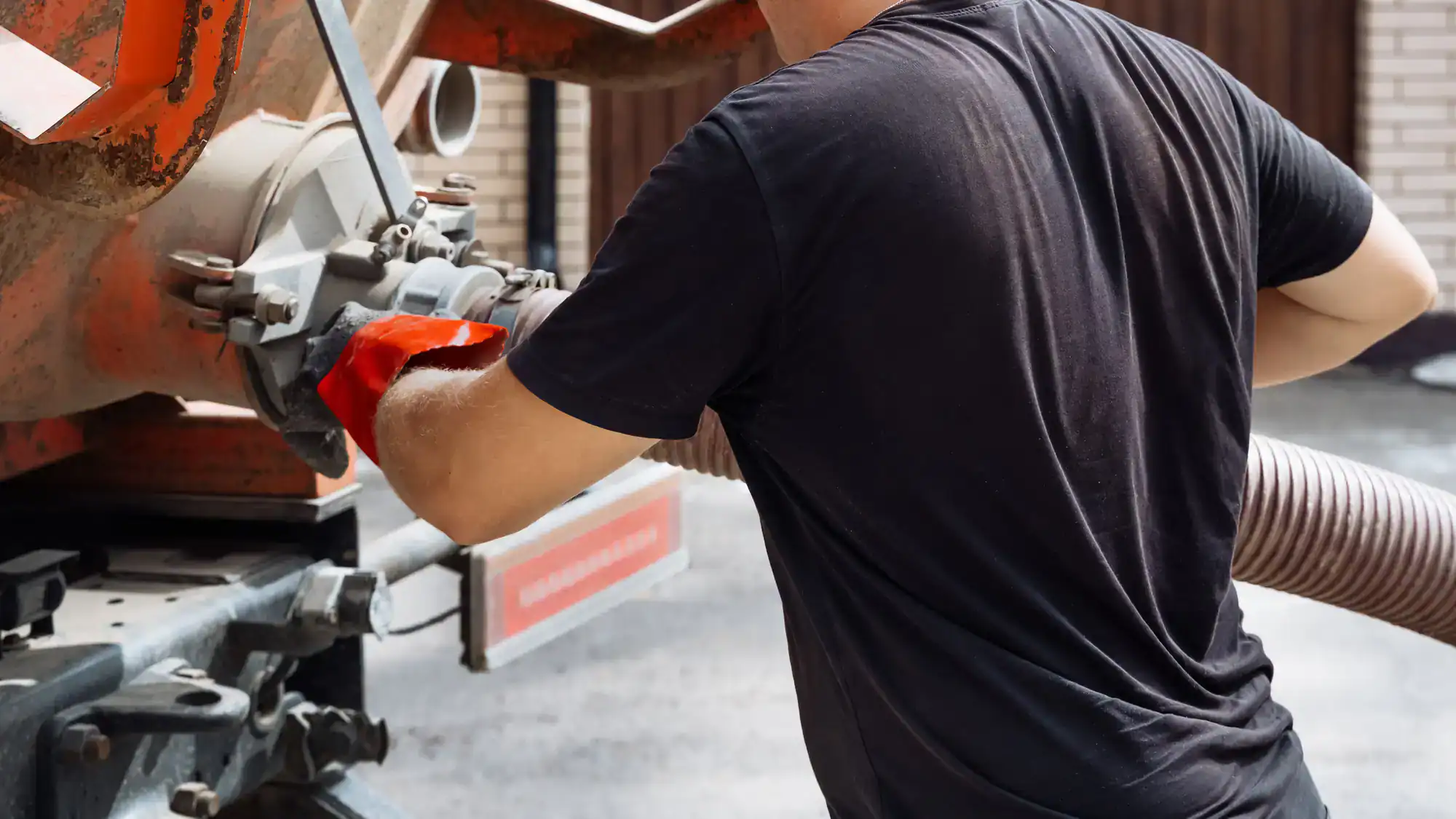
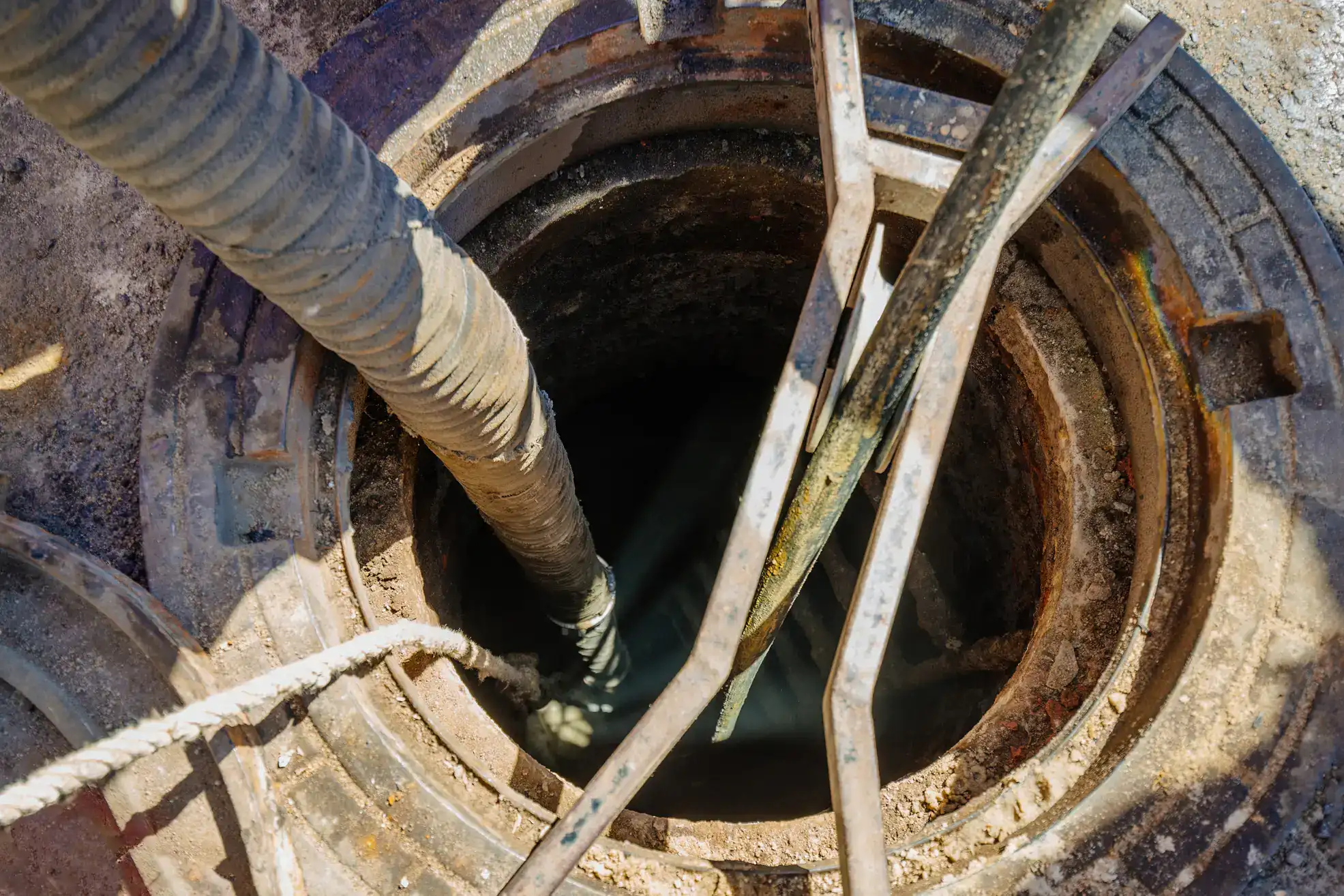
Next comes extraction and removal. We use truck-mounted equipment to remove all contaminated water and waste. This isn’t a shop vacuum job – we’re talking about industrial-grade pumps that handle the volume and contamination levels properly.
Finally, we sanitize and dry everything thoroughly. Every surface gets disinfected with professional-grade antimicrobials. Industrial dehumidifiers and air movers ensure complete structural drying. We don’t leave until we’re certain the space is safe and dry.
Our sewage cleanup service covers every aspect of restoration. Water extraction removes standing sewage and contaminated water using powerful pumps designed for hazardous waste. Structural drying prevents secondary damage and mold growth that can show up weeks later.
Deodorization eliminates odors at their molecular level, not just masking them with fragrances. We also handle minor repairs to drywall, flooring, or fixtures damaged by the backup.
Davis Park properties face unique challenges with septic system failures and seasonal usage patterns. Fire Island’s high groundwater table means contamination spreads differently than mainland properties. We factor in these local conditions when developing your restoration plan, ensuring the cleanup addresses the specific risks your property faces.
How quickly can you respond to a sewage emergency in Davis Park?
We provide 24/7 emergency response to Davis Park and all Fire Island communities. Most calls get a response within 2-4 hours, depending on ferry schedules and weather conditions.
Time matters with sewage backups because contamination spreads and health risks increase every hour. We keep emergency equipment staged on Long Island specifically for Fire Island calls, so we’re not starting from scratch when you need help.
Our response includes immediate assessment, contamination containment, and emergency extraction to stop the situation from getting worse while we mobilize our full cleanup crew.
What health risks come from sewage backup in my home?
Raw sewage contains dangerous bacteria, viruses, and parasites that cause serious illness. Exposure can lead to hepatitis, gastroenteritis, respiratory infections, and skin diseases.
Children and elderly family members face higher risks because their immune systems are more vulnerable. Even brief exposure through skin contact or breathing contaminated air can cause problems.
That’s why we treat every sewage cleanup as a hazardous material situation. Our technicians use full protective equipment and follow strict decontamination protocols to eliminate health risks completely, not just clean up the visible mess.
Will my homeowner's insurance cover sewage cleanup costs?
Coverage depends on what caused the backup and your specific policy terms. Sewage backups from municipal sewer line problems are often covered, while septic system failures may require separate coverage.
We work directly with insurance companies and document everything needed for your claim. Photos, moisture readings, contamination assessments – we provide the detailed documentation adjusters require.
Most policies have time limits for reporting water damage claims, so it’s important to call both us and your insurance company as soon as possible. We can often start emergency cleanup while insurance details get sorted out.
How do you handle sewage cleanup differently than regular water damage?
Sewage cleanup requires hazardous material protocols that regular water damage doesn’t. We use specialized extraction equipment designed for contaminated waste, not just clean water pumps.
Every surface gets treated with EPA-approved antimicrobial solutions that kill bacteria and viruses. Materials that can’t be properly decontaminated get removed and disposed of as hazardous waste.
Air quality is a major concern with sewage backups. We use negative air pressure systems and specialized filtration to prevent contaminated particles from spreading to clean areas of your home during the cleanup process.
What causes sewage backups in Davis Park properties specifically?
Fire Island’s unique conditions create specific sewage backup risks. High groundwater levels overwhelm septic systems, especially during storms or seasonal high-usage periods.
Aging septic systems struggle with the seasonal occupancy spikes common in Davis Park. A system sized for year-round residents gets overwhelmed when summer rental occupancy triples the load.
Tree root intrusion into older septic lines is common in the sandy soil conditions. Roots seek out moisture and nutrients in septic pipes, eventually causing blockages that lead to backups into the house.
How long does complete sewage cleanup and restoration take?
Emergency extraction and decontamination typically take 1-2 days for most residential properties. Complete structural drying and restoration can take 3-7 days depending on the extent of contamination.
Fire Island logistics add time to the process because all equipment and materials must be transported by ferry. We factor this into our timeline and keep emergency supplies staged locally when possible.
The drying phase can’t be rushed because moisture trapped in walls or subfloors leads to mold problems later. We use moisture meters to confirm everything is completely dry before we consider the job finished.