I needed a professional consultation explanation of procedure for safe removal of Asbestos in my apartment complex. Without having an account yet, I was very impressed with the caring, knowledgeable and generous advice offered by Jessica, and will look forward to doing business in the future. Thank you so much! I feel much more informed about a sometimes scary endeavor. Peace. Nancy Silva Mineola, NY.
Mia Munoz
Used this company to clean up some water flood in my house. They were fast and easy to work with.very professional, Would recommend to anyone!
Nini Valle
Great company, had a flood and they responded quickly and efficiently. Billed my insurance company directly. I highly recommend this company!
joe colapietro, jr
I had pipe freeze in my basement right before a snow storm and they made to within an hour to help start the clean up process. They we by our side throughout the entire process and even helped with the insurance company. They did such a great job with the cleanup, repair, remidiation, I contracted them to perform the repairs and finishes in the basement. They came with enough manpower and material to get the job done. Leo and Jessica were nothing but a pleasure to deal with!!
Cristian Arredondo c
I had some water damage in my home and Green Island was able to take care of my issue quickly and effectively. I am very pleased with the work they did. They responded quickly and were very professional.
Michael M
Outstanding service! From the office to the field crew everyone was friendly, helpful and responsive. I highly recommend Green Island Group.
When sewage backs up into your East Islip home, you’re not just dealing with a mess—you’re facing serious health risks. Raw sewage carries dangerous pathogens like Hepatitis A, Tetanus, and Giardia that can make your family seriously ill.
We extract every drop of contaminated water, sanitize affected areas with professional-grade equipment, and eliminate odors completely. Your basement goes from hazardous waste zone back to usable space.
You get your property restored to pre-damage condition and your peace of mind back, knowing the job was done right the first time.
We’ve been handling sewage emergencies across Long Island for years. We understand what East Islip homeowners face—aging infrastructure from homes built in the 1950s, high water tables that make basements vulnerable, and sewer systems that can’t always handle heavy rainfall.
Many of the single-family homes in your neighborhood were built when sewer technology was different. That means you’re more likely to deal with backups, especially during storms.
We work directly with your insurance company and handle the paperwork, so you don’t pay upfront costs while dealing with an emergency.
First, we assess the damage and secure the area to prevent further contamination. Our team arrives with industrial-grade water extraction equipment to remove all standing sewage water from your property.
Next comes structural drying using commercial dehumidifiers and air movers. We don’t just dry what you can see—we use moisture meters to find hidden water that could cause mold later.
Finally, we sanitize everything with professional disinfectants, eliminate odors with specialized deodorization equipment, and restore damaged materials. We document everything for your insurance claim and make sure your property meets health and safety standards before we’re done.
Our sewage cleanup service includes water extraction, structural drying, deodorization, sanitization, and repairs. We handle everything from basement floods to bathroom backups, using state-of-the-art equipment designed specifically for contaminated water removal.
East Islip’s location on Long Island means your home faces unique risks. The high water table makes basement flooding more common, and aging sewer infrastructure increases the likelihood of backups. Many of Suffolk County’s sewers are over 60 years old, and nearly 65% of older systems experience overflow events.
We’re available 24/7 because sewage emergencies don’t wait for business hours. Our certified technicians respond immediately to minimize damage and health risks to your family.
How dangerous is sewage water in my East Islip home?
Sewage water is classified as Category 3 contaminated water—the most dangerous type. It contains harmful bacteria, viruses, and parasites that can cause serious illnesses including Hepatitis A, Tetanus, and Giardia.
Children, elderly family members, and anyone with compromised immune systems face the highest risk. Even brief exposure can lead to infections, gastrointestinal problems, and respiratory issues.
That’s why professional cleanup is essential. We use specialized equipment and disinfectants to eliminate these health risks completely, not just clean what you can see.
Will my homeowner's insurance cover sewage cleanup in East Islip?
Most homeowner’s insurance policies cover sewage backup cleanup, but coverage depends on the cause and your specific policy terms. Sudden pipe bursts and equipment failures are typically covered, while gradual seepage may not be.
We work directly with all major insurance companies and handle the claims process for you. Our team documents all damage thoroughly and provides detailed reports that insurance adjusters require.
We also offer direct billing in most cases, so you don’t need to pay upfront costs while dealing with an emergency. We’ll review your policy and help you understand what’s covered before starting work.
How quickly can you respond to sewage backups in East Islip?
We provide 24/7 emergency response because sewage cleanup can’t wait. Our team typically arrives within hours of your call, depending on current conditions and your specific location in East Islip.
Speed matters with sewage damage. Every hour that contaminated water sits in your home increases health risks and potential damage to your property. Sewage can seep into porous materials like drywall and flooring, making cleanup more extensive.
Our rapid response helps minimize damage, reduce cleanup costs, and get your family back into a safe, healthy environment as quickly as possible.
What equipment do you use for sewage cleanup and water extraction?
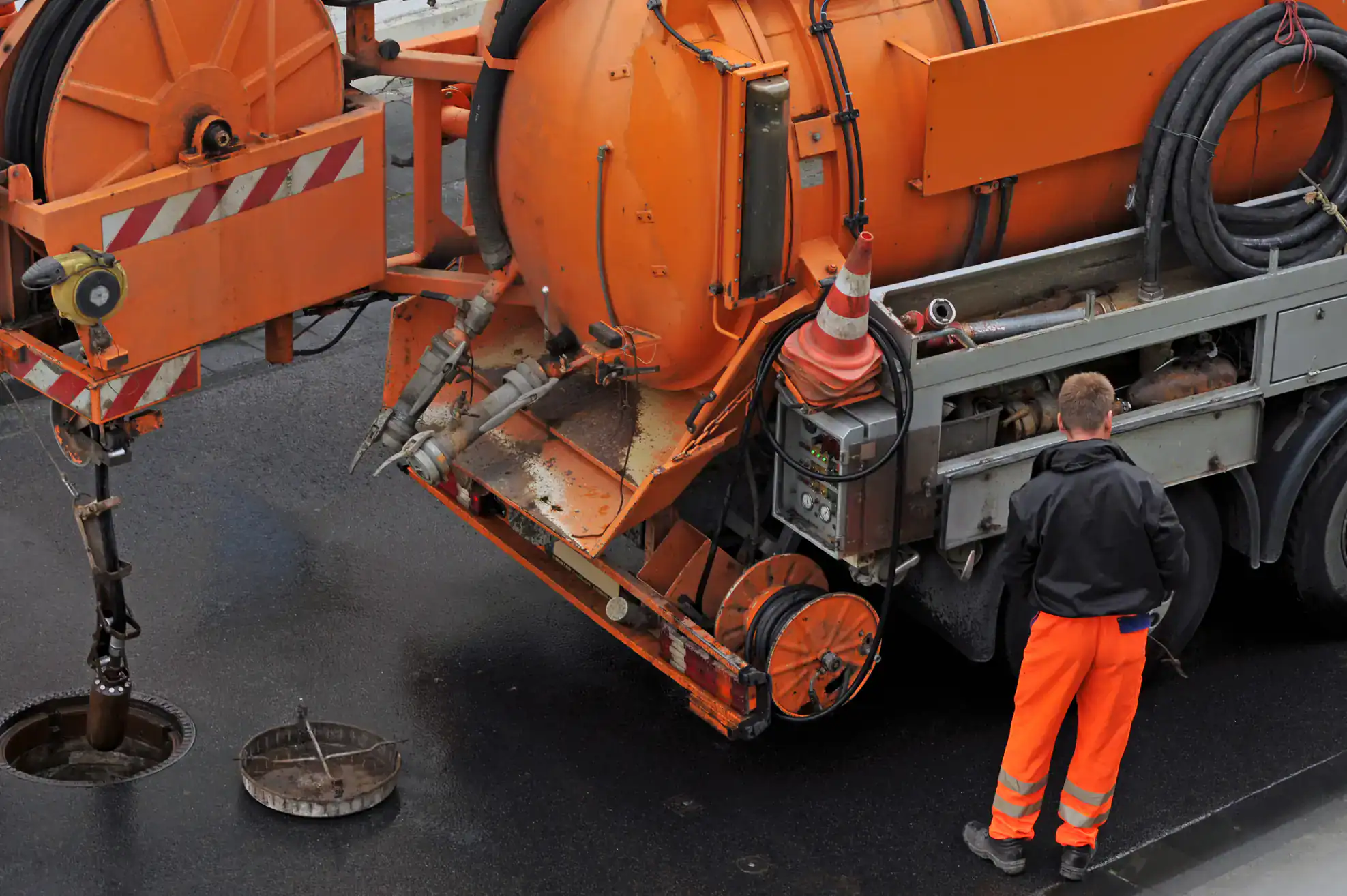
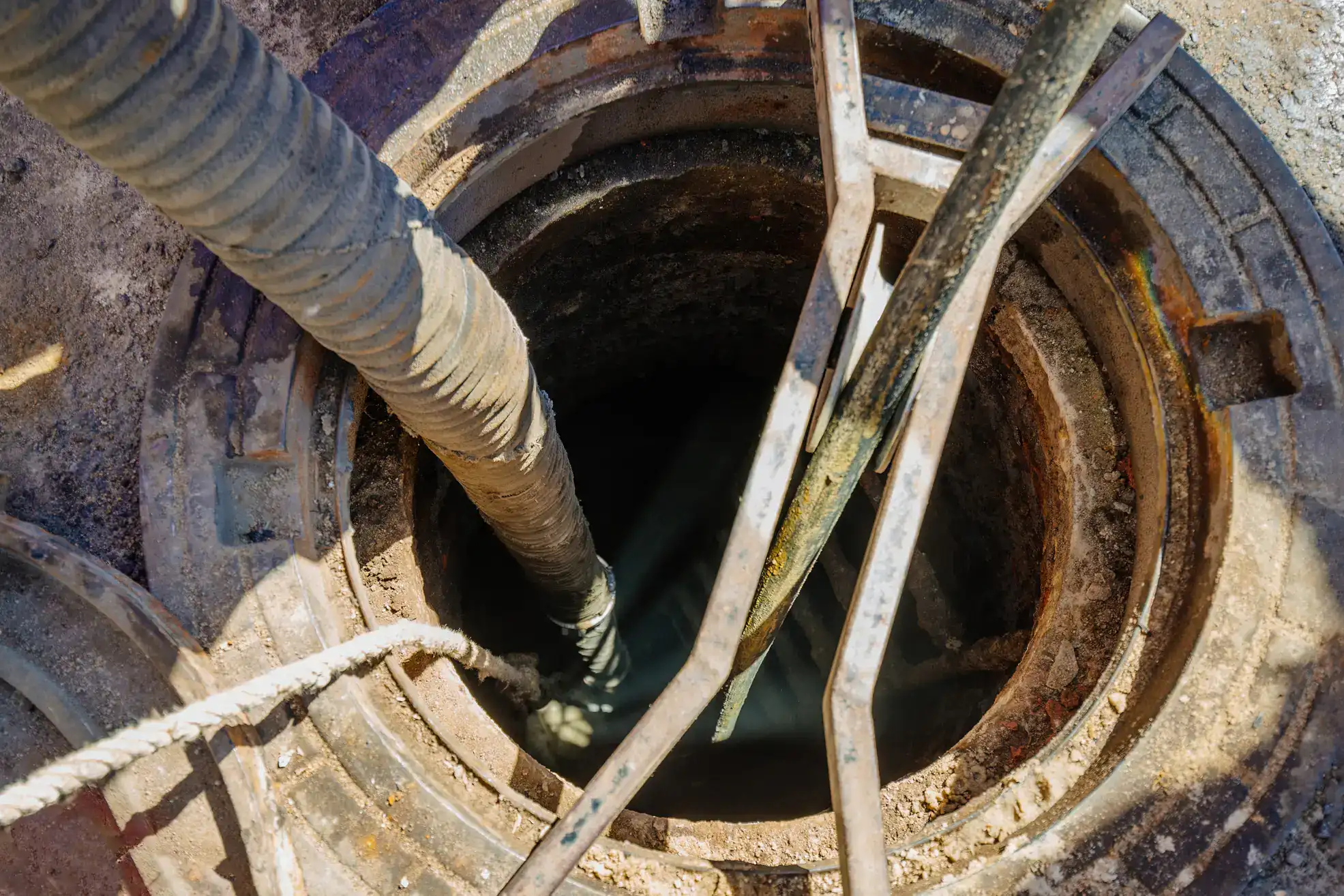
We use industrial-grade water extraction equipment specifically designed for contaminated water removal. This includes powerful truck-mounted extractors that can remove hundreds of gallons per minute, plus portable extractors for tight spaces.
Our structural drying equipment includes commercial dehumidifiers, high-velocity air movers, and specialized drying mats that pull moisture from under flooring. We also use moisture meters and thermal imaging cameras to detect hidden water that could cause problems later.
For sanitization, we use EPA-approved disinfectants and antimicrobial treatments that eliminate pathogens and prevent future contamination. All our equipment meets industry standards for biohazard cleanup.
Can you prevent mold growth after sewage cleanup in my home?
Yes, preventing mold growth is a critical part of our sewage cleanup process. Mold can start growing within 24-48 hours in moist conditions, and sewage provides the perfect environment for dangerous mold species.
We use commercial-grade dehumidifiers and air movers to dry affected areas completely, not just surface moisture. Our moisture meters ensure materials reach proper dryness levels before we consider the job complete.
We also apply antimicrobial treatments to prevent future mold growth and monitor humidity levels throughout the drying process. If mold has already started growing, we can handle remediation as part of the restoration process.
What makes East Islip properties more vulnerable to sewage backups?
East Islip homes face several factors that increase sewage backup risk. Many properties were built in the 1950s with aging sewer connections that are more prone to failure. Tree roots commonly infiltrate older pipes, causing blockages that lead to backups.
The area’s high water table makes basement flooding more likely during heavy rainfall or storms. When groundwater levels rise, it can overwhelm aging septic systems and sewer connections.
Suffolk County’s sewer infrastructure is also aging—about 40% of the county’s sewers are over 60 years old, and nearly 65% of older systems experience overflow events. This means backups can happen even when your home’s plumbing is working properly.