I needed a professional consultation explanation of procedure for safe removal of Asbestos in my apartment complex. Without having an account yet, I was very impressed with the caring, knowledgeable and generous advice offered by Jessica, and will look forward to doing business in the future. Thank you so much! I feel much more informed about a sometimes scary endeavor. Peace. Nancy Silva Mineola, NY.
Mia Munoz
Used this company to clean up some water flood in my house. They were fast and easy to work with.very professional, Would recommend to anyone!
Nini Valle
Great company, had a flood and they responded quickly and efficiently. Billed my insurance company directly. I highly recommend this company!
joe colapietro, jr
I had pipe freeze in my basement right before a snow storm and they made to within an hour to help start the clean up process. They we by our side throughout the entire process and even helped with the insurance company. They did such a great job with the cleanup, repair, remidiation, I contracted them to perform the repairs and finishes in the basement. They came with enough manpower and material to get the job done. Leo and Jessica were nothing but a pleasure to deal with!!
Cristian Arredondo c
I had some water damage in my home and Green Island was able to take care of my issue quickly and effectively. I am very pleased with the work they did. They responded quickly and were very professional.
Michael M
Outstanding service! From the office to the field crew everyone was friendly, helpful and responsive. I highly recommend Green Island Group.
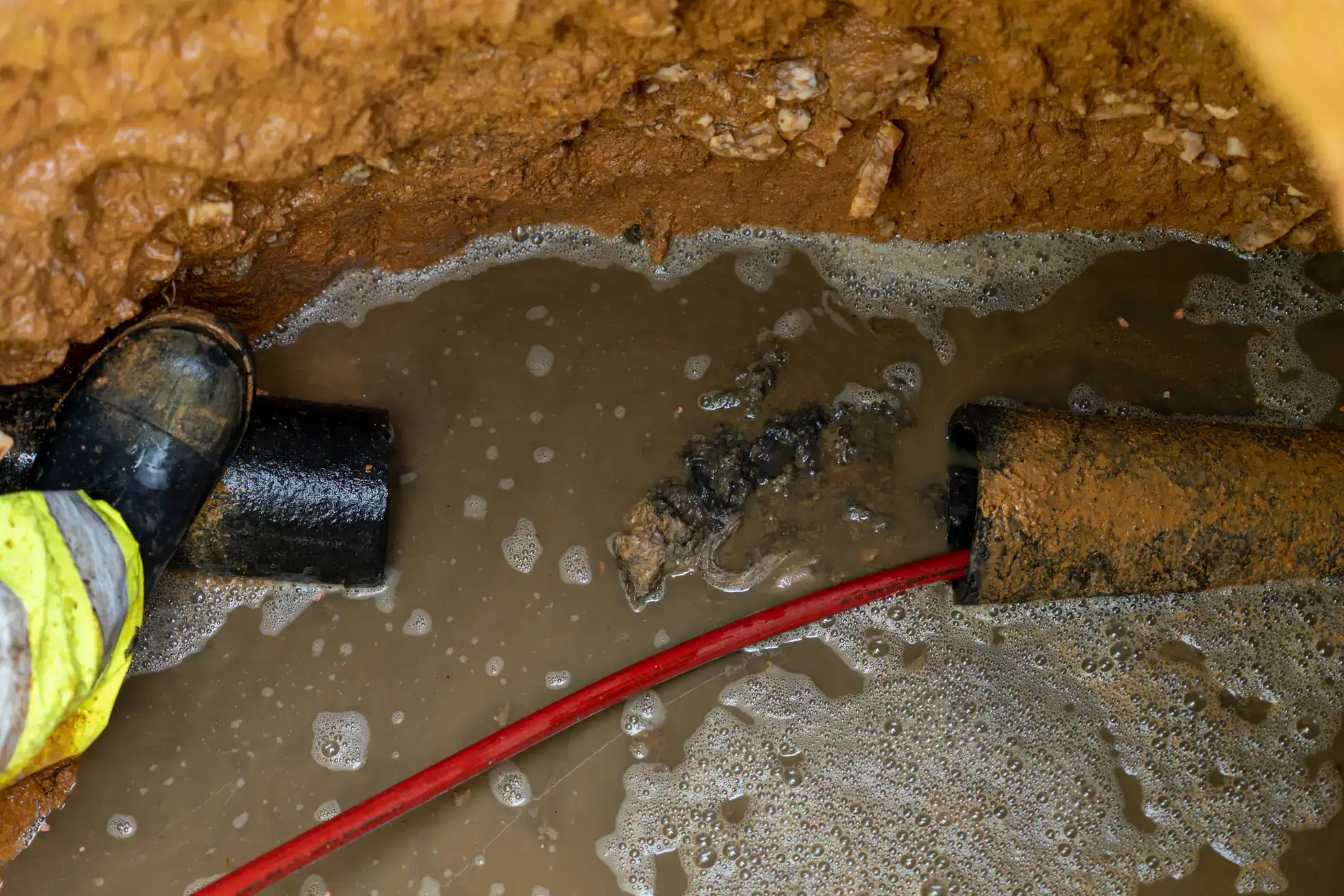
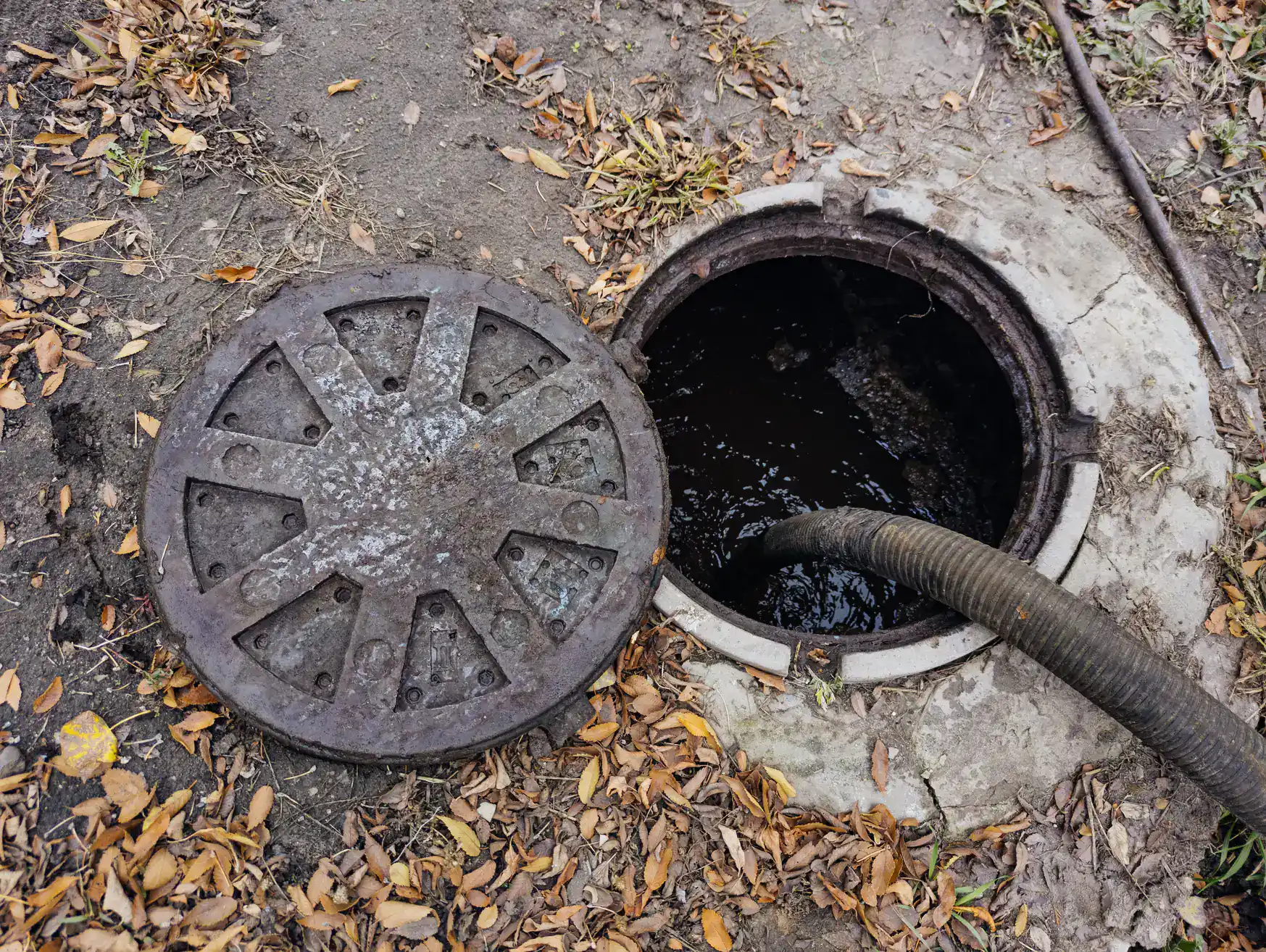
When sewage backup strikes your Gardiners Point property, you’re not just dealing with a mess—you’re facing serious health risks and potential structural damage. Professional sewage cleanup eliminates dangerous bacteria, viruses, and pathogens that can cause infections and serious illness.
After our restoration process, you get your property back to its pre-loss condition. No lingering odors, no hidden contamination, no worry about mold growth down the line. Your family or employees can safely return to a clean, healthy environment.
The difference between amateur cleanup attempts and professional restoration is significant. We handle Category 3 contaminated water with specialized equipment and techniques that protect your health while preventing costly secondary damage.
We’ve completed over 5,000 restoration projects across New York State, including countless sewage cleanup emergencies in Long Island communities like Gardiners Point. We’re a certified minority and woman-owned business that follows all NYS, NYC, and USEPA regulations.
Long Island’s aging sewer infrastructure means sewage backups happen more frequently than most homeowners expect. We understand the specific challenges facing Gardiners Point properties—from seasonal storm surges to older pipe systems that can fail without warning.
Our team responds 24/7 because sewage contamination doesn’t wait for business hours. We’ve built our reputation on quick response times and thorough restoration that gets families back in their homes safely.
First, we assess the extent of contamination and identify any safety hazards. Our technicians wear full protective equipment and secure the area to prevent cross-contamination to unaffected parts of your property.
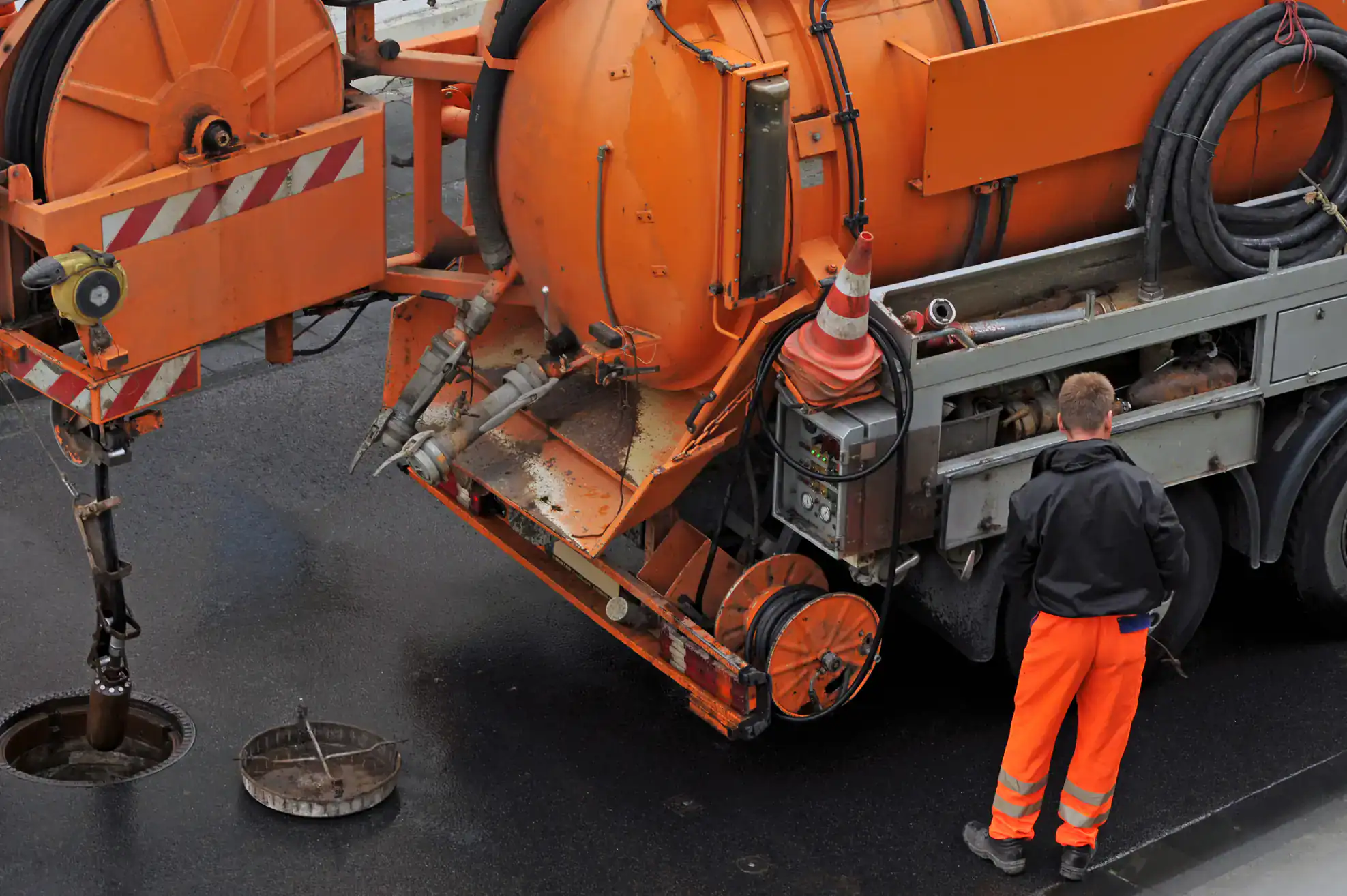
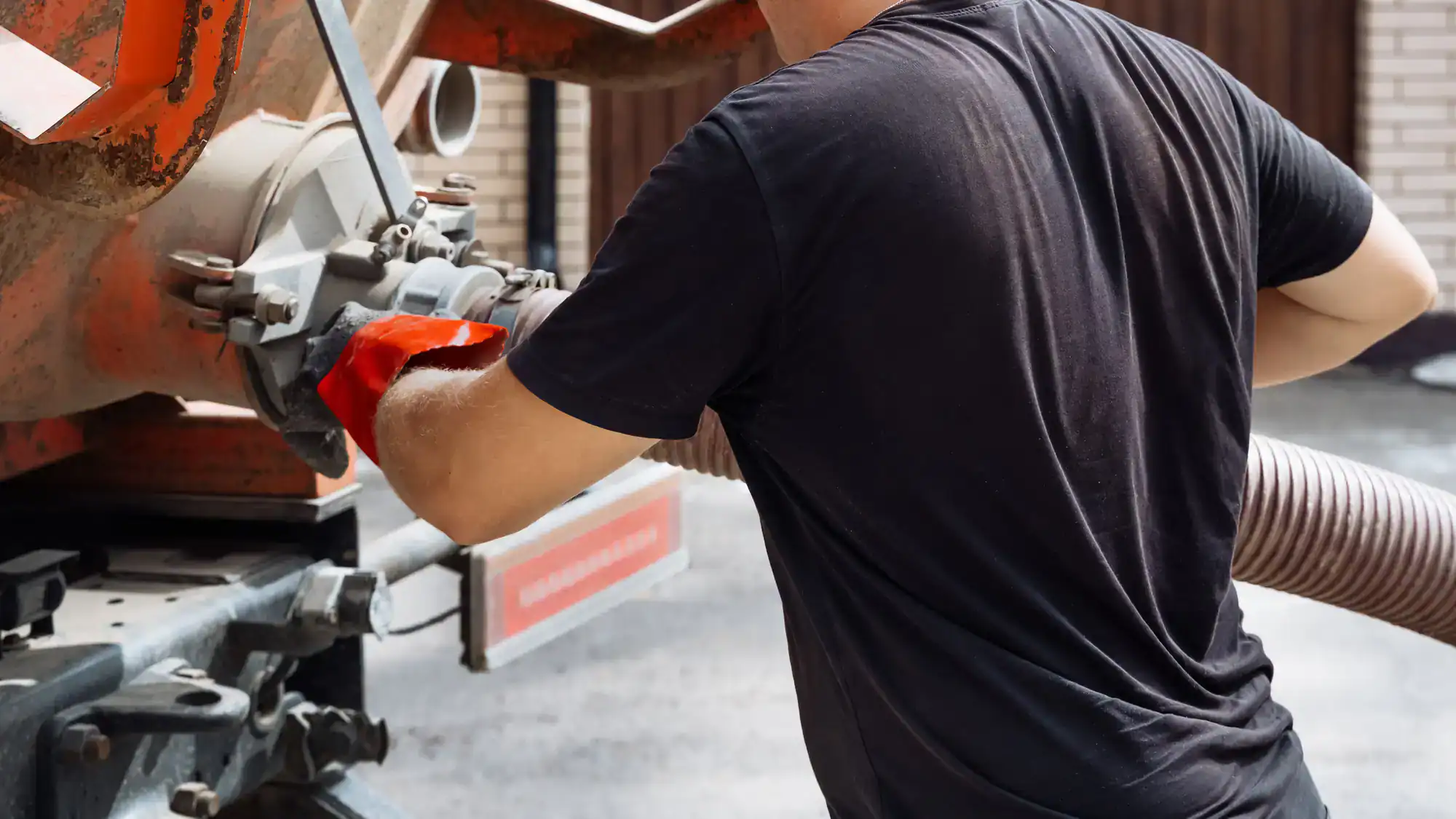
Next comes water extraction and sewage removal using powerful truck-mounted equipment. We remove all contaminated materials that can’t be safely restored—carpet padding, drywall, insulation—anything that absorbed sewage water gets properly disposed of according to regulations.
The final phase involves structural drying, thorough sanitization, and deodorization. We use professional-grade air movers and dehumidifiers to eliminate moisture, then apply EPA-approved disinfectants to kill remaining pathogens. Only after air quality testing confirms safety do we complete any necessary repairs and restoration work.
Sewage cleanup in Gardiners Point requires more than just removing visible waste. Our service includes comprehensive water extraction, structural drying, antimicrobial treatment, and complete deodorization. We handle everything from minor toilet overflows to major sewer main backups.
Long Island’s coastal location means properties face unique challenges during storm seasons. Heavy rainfall can overwhelm aging sewer systems, causing backups in basements and ground-level areas. We’re equipped to handle these weather-related emergencies with rapid response and specialized storm damage protocols.
Every sewage cleanup project includes documentation for insurance claims, air quality testing, and preventive recommendations to reduce future backup risks. We work directly with your insurance company to streamline the claims process and ensure proper coverage for restoration costs.
How quickly should I call for professional sewage cleanup in Gardiners Point?
Call immediately—within the first hour if possible. Sewage contains dangerous bacteria, viruses, and parasites that multiply rapidly in warm, moist conditions. The longer contaminated water sits, the deeper it penetrates building materials and the more extensive the damage becomes.
Category 3 water like sewage can cause serious health problems including hepatitis, gastroenteritis, and respiratory infections. Children, elderly individuals, and anyone with compromised immune systems face even higher risks from exposure.
Every hour of delay also increases restoration costs. Drywall, flooring, and insulation that might be salvageable with immediate professional treatment often require complete replacement after extended exposure to sewage contamination.
What's the difference between sewage cleanup and regular water damage restoration?
Sewage cleanup requires specialized training, equipment, and safety protocols that go far beyond standard water damage restoration. We treat sewage as Category 3 “black water”—the most contaminated classification that poses serious health risks even if it looks relatively clean.
Our technicians wear full protective equipment including respirators, chemical-resistant suits, and rubber boots. We use hospital-grade disinfectants and follow strict decontamination procedures to prevent spreading contamination to clean areas of your property.
The disposal process is also different. Contaminated materials must be bagged and disposed of according to environmental regulations, not just thrown in regular dumpsters. Air quality testing ensures the space is safe before anyone can return to normal use.
Will my insurance cover sewage backup cleanup in Gardiners Point?
Coverage depends on your specific policy and the cause of the backup. Many standard homeowner’s policies exclude sewer backup damage unless you have specific sewer backup coverage as an add-on endorsement.
If the backup resulted from a covered peril like a storm that overwhelmed the municipal system, you may have coverage under your main policy. However, backups caused by maintenance issues in your private sewer line typically aren’t covered without specific backup coverage.
We work directly with insurance companies and can help document the damage properly for your claim. Our detailed reports include photos, moisture readings, and scope of work that insurance adjusters need to process claims quickly and fairly.
How long does sewage cleanup and restoration take in Gardiners Point?
Initial sewage removal and safety stabilization typically takes 1-2 days, but complete restoration can take 3-7 days depending on the extent of contamination and materials affected. Structural drying alone requires 3-5 days in most cases.
The timeline depends on several factors: the amount of sewage, how long it sat before cleanup began, which building materials were affected, and weather conditions that impact drying. Basements and areas with poor ventilation take longer to dry completely.
We provide daily updates on progress and moisture readings so you know exactly when each phase will be complete. Our goal is thorough restoration that prevents future problems, not just quick cleanup that might leave hidden moisture or contamination behind.
Can I clean up a small sewage backup myself?
We strongly advise against DIY sewage cleanup, even for seemingly minor backups. Raw sewage contains dangerous pathogens including E. coli, salmonella, hepatitis viruses, and parasites that can cause serious illness through skin contact, inhalation, or accidental ingestion.
Proper cleanup requires specialized equipment you don’t have at home—industrial extractors, antimicrobial treatments, air scrubbers, and protective equipment. Household tools like shop vacuums and mops can actually spread contamination to clean areas of your home.
Even small amounts of sewage can penetrate porous materials like drywall and subflooring, creating hidden contamination that leads to mold growth and ongoing health risks. Professional assessment determines what can be safely cleaned versus what needs replacement.
What causes sewage backups in Gardiners Point properties?
Long Island’s aging infrastructure is a major factor—approximately 40% of New York’s sewer lines are over 60 years old, making them prone to cracks, collapses, and blockages. Tree roots seeking moisture can penetrate these older pipes and create obstructions.
Heavy rainfall and storm surge events can overwhelm the municipal sewer system, causing backups into private properties through basement drains and ground-level fixtures. This is especially common during nor’easters and tropical storms that bring rapid, heavy precipitation.
Property-specific issues include flushing inappropriate items (wipes, feminine products, grease buildup), broken sewer laterals between your home and the street connection, and failed sump pumps during flooding events. Regular maintenance and proper usage help prevent many backup situations.