I needed a professional consultation explanation of procedure for safe removal of Asbestos in my apartment complex. Without having an account yet, I was very impressed with the caring, knowledgeable and generous advice offered by Jessica, and will look forward to doing business in the future. Thank you so much! I feel much more informed about a sometimes scary endeavor. Peace. Nancy Silva Mineola, NY.
Mia Munoz
Used this company to clean up some water flood in my house. They were fast and easy to work with.very professional, Would recommend to anyone!
Nini Valle
Great company, had a flood and they responded quickly and efficiently. Billed my insurance company directly. I highly recommend this company!
joe colapietro, jr
I had pipe freeze in my basement right before a snow storm and they made to within an hour to help start the clean up process. They we by our side throughout the entire process and even helped with the insurance company. They did such a great job with the cleanup, repair, remidiation, I contracted them to perform the repairs and finishes in the basement. They came with enough manpower and material to get the job done. Leo and Jessica were nothing but a pleasure to deal with!!
Cristian Arredondo c
I had some water damage in my home and Green Island was able to take care of my issue quickly and effectively. I am very pleased with the work they did. They responded quickly and were very professional.
Michael M
Outstanding service! From the office to the field crew everyone was friendly, helpful and responsive. I highly recommend Green Island Group.
Raw sewage is a breeding ground for harmful bacteria and viruses. When we finish, that’s gone. Your property is sanitized, dried, and safe again.
No lingering contamination hiding behind walls. No future mold problems. Sewage can cause significant damage to your property, including structural issues and mold growth – but only if it’s not handled right the first time.
You get your space back without wondering if it’s really clean. The smell disappears completely. Your family or employees can return safely.
Green Island Group NY has been handling water emergencies across New York City for years. We understand the unique challenges that come with NYC properties – from aging infrastructure in older buildings to the high water tables that make basements particularly vulnerable.
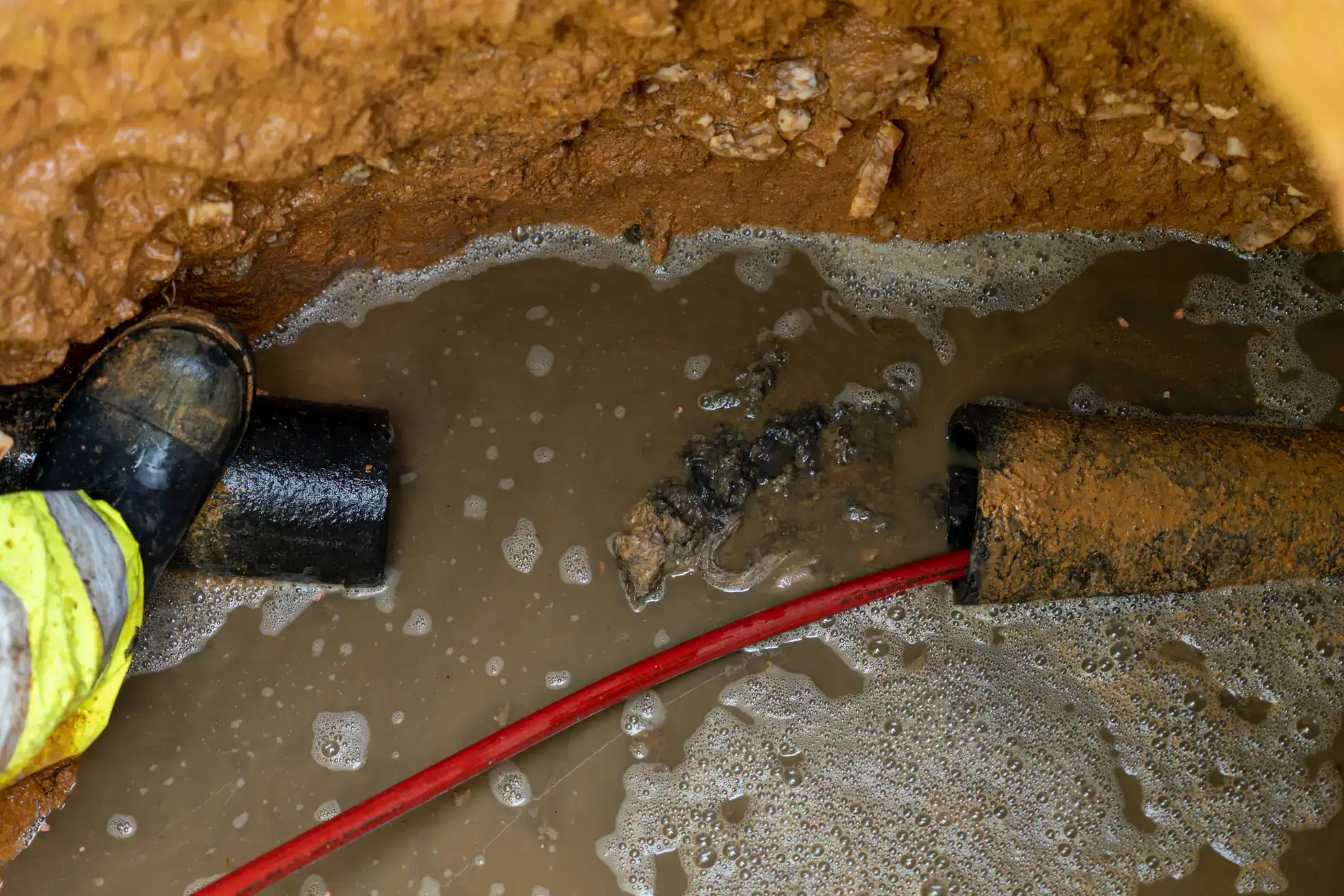
Here’s what we see daily in Grand Central: The average age of New York City’s 6,400 miles of sewage mains is approximately 84 years. Nearly 4,000 miles of sewer pipe are made of vitreous clay. These older, earthenware pipes are more susceptible to cracking, blockage and groundwater infiltration.
That’s why response time matters. The city’s aging infrastructure combined with more intense rainfall is resulting in more backups. We’ve built our entire operation around getting to you fast and fixing it right.
First, we assess what you’re dealing with. We thoroughly inspect the affected area to determine the extent of the damage and identify any potential hazards. Sewage hides in places you can’t see – behind walls, under floors, inside HVAC systems.
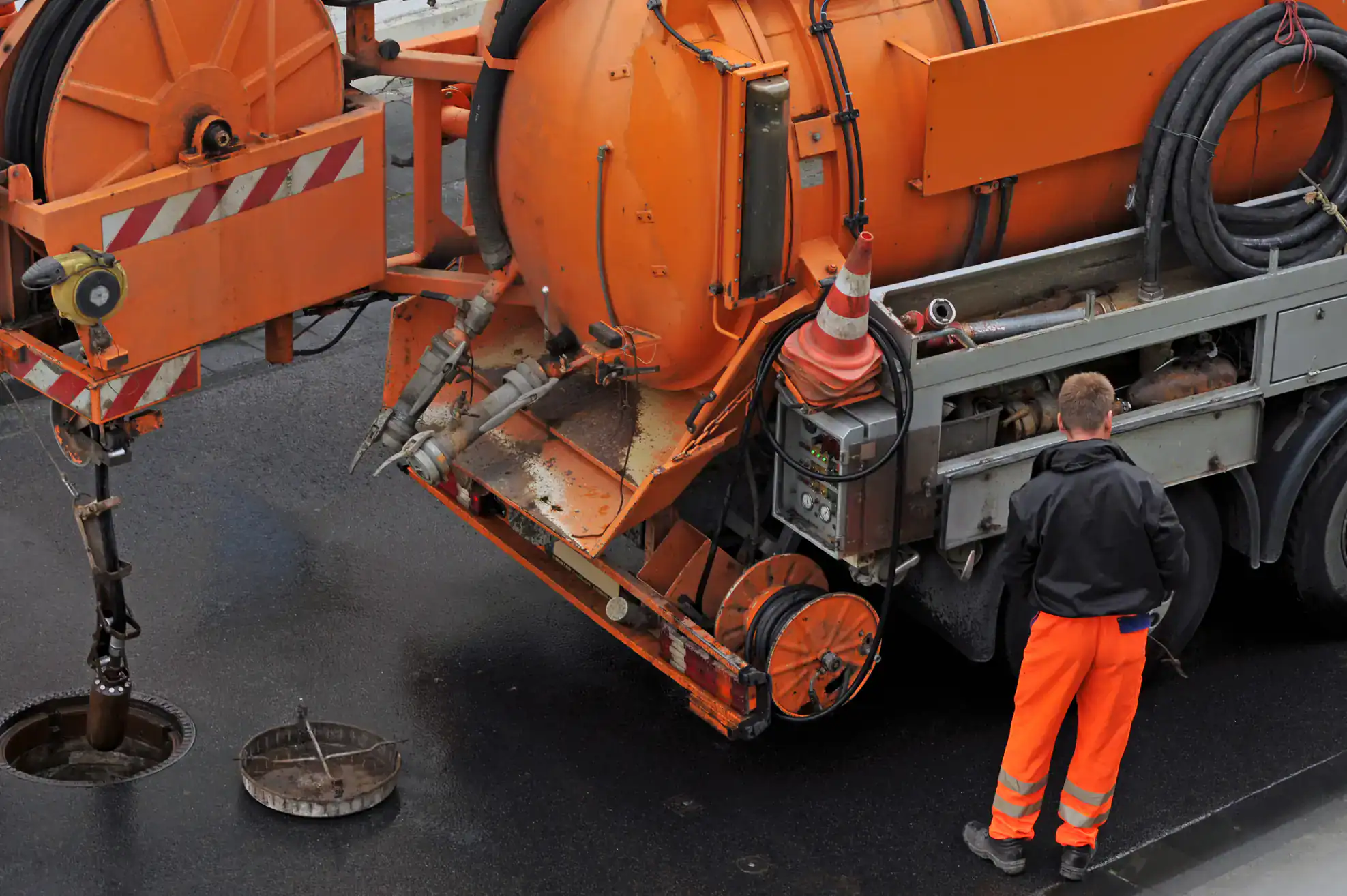
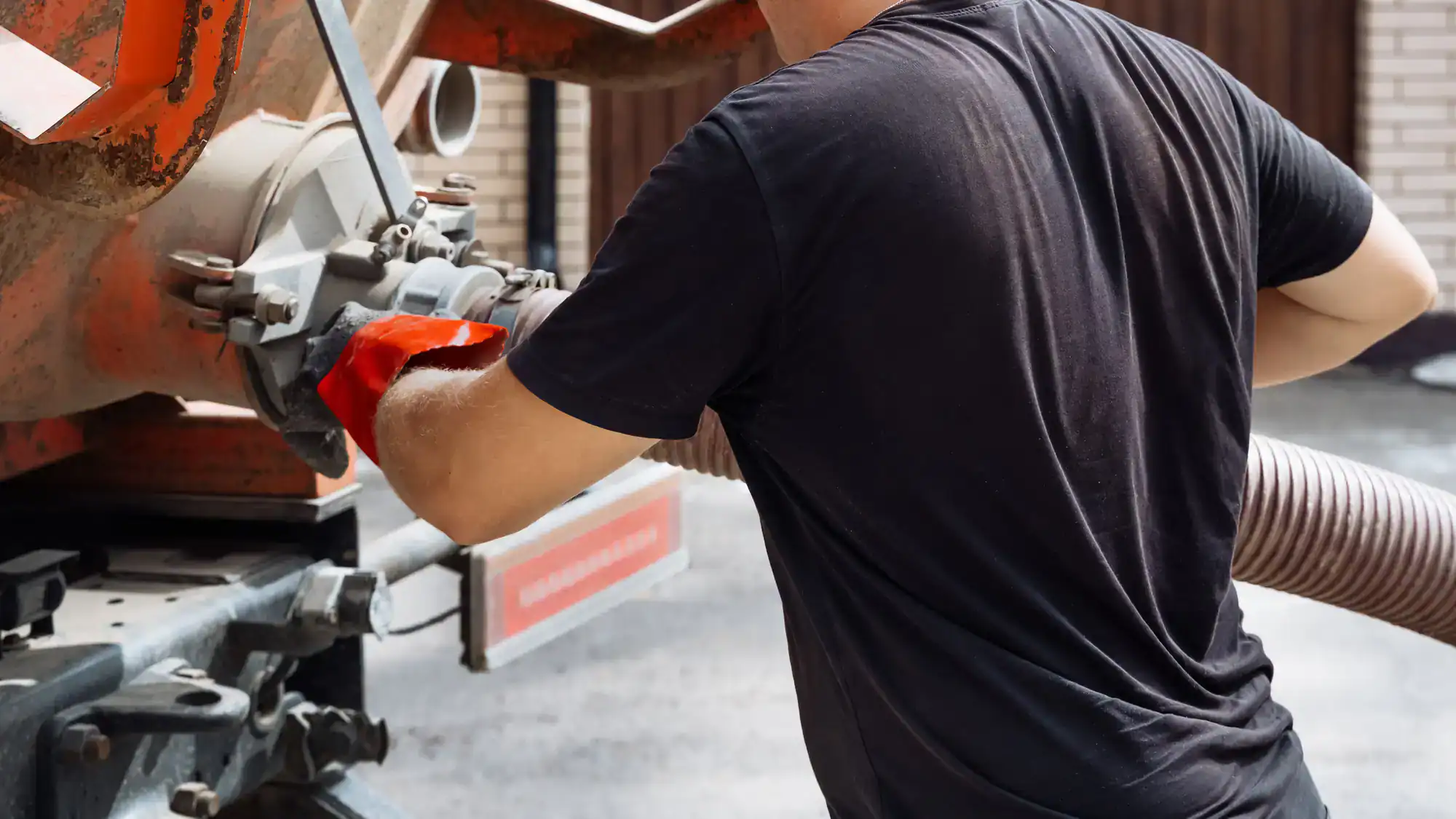
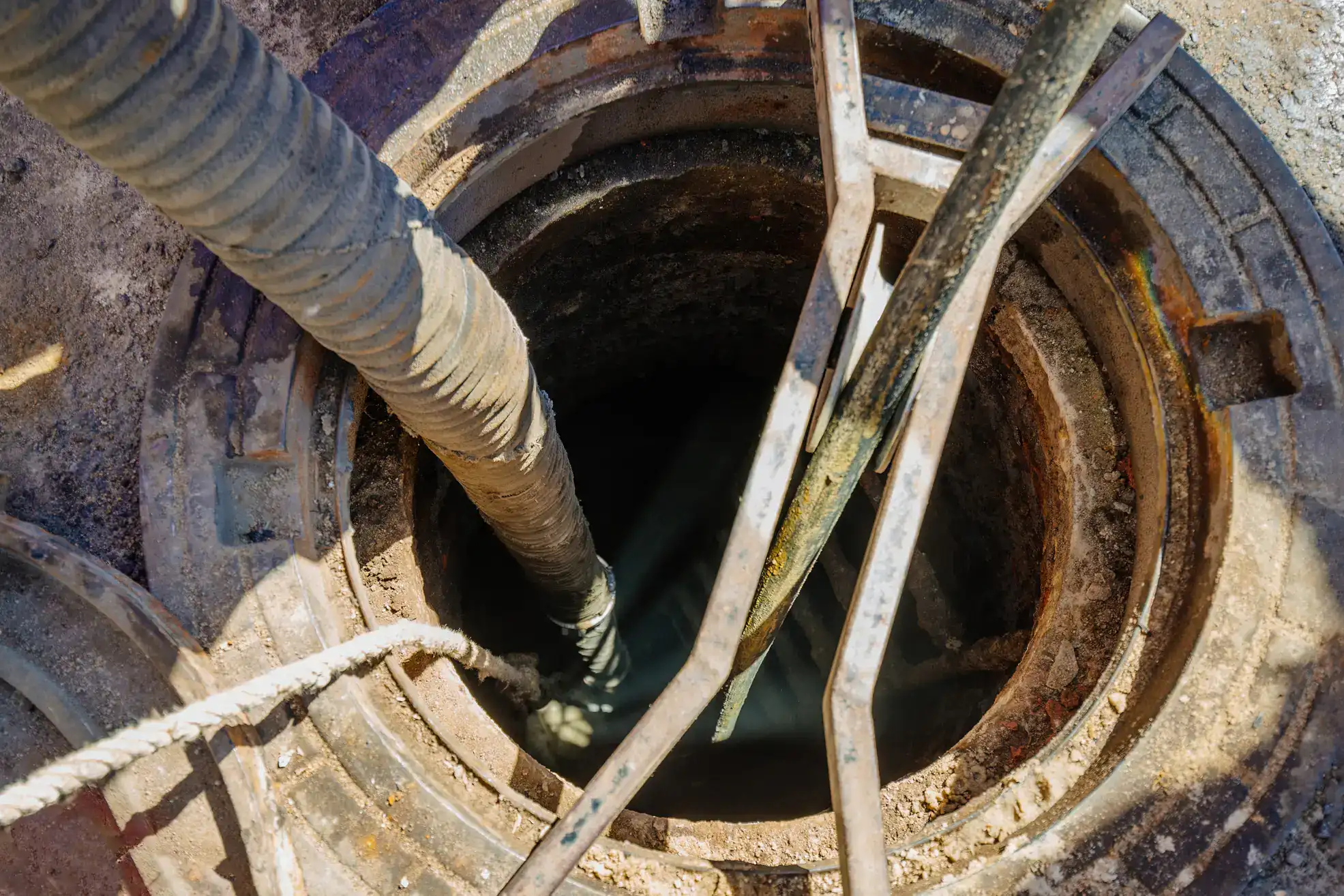
Next comes extraction. We use powerful equipment to remove sewage and contaminated water. Not shop vacuums. Industrial-grade truck-mounted equipment designed for biohazardous waste.
Then we sanitize everything. We sanitize all affected surfaces and use advanced drying techniques to prevent mold growth. Hospital-grade disinfectants kill bacteria, viruses, and pathogens. Finally, we work with you to restore your property to its pre-loss condition.
Proper inspection, disinfection, & remediation are all necessary in the cleanup of a sewage spill to ensure your safety. Using an extractor and household disinfectant alone are not effective enough to ensure that the area is free of health hazards.
Here’s what complete sewage cleanup actually includes: water extraction using truck-mounted equipment, antimicrobial treatment of all contaminated surfaces, structural drying with professional dehumidifiers, air scrubbing to remove airborne contaminants, and complete deodorization.
Sewer water can travel under flooring, be absorbed into the walls, and seep inside appliances. In Grand Central’s older buildings, this happens more than you’d think. Our moisture detection equipment finds hidden contamination. We document everything for insurance and work directly with your carrier to handle claims.
How dangerous is sewage water in my Grand Central property?
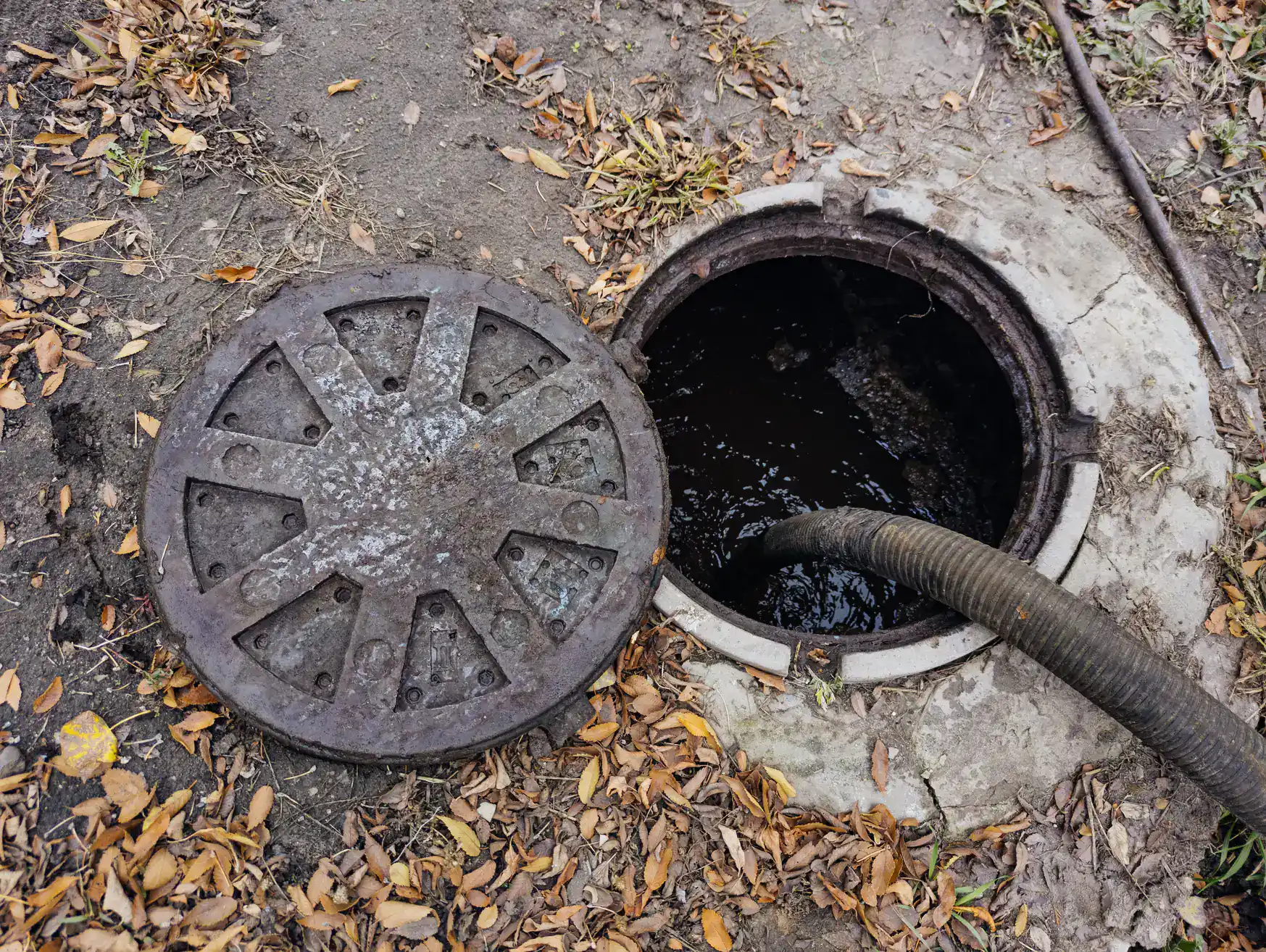
Exposure to waste water from a sewage backup can result in a number of diseases, including Hepatitis A, Tetanus and Giardia. Leptospirosis, E. Coli are a few of the diseases living in sewer water. If left untreated and not treated properly, the sewage water can cause serious health problems. Especially in children and the elderly who suffer from chronic respiratory illness.
This isn’t regular dirty water. Sewage contains biohazards and is grossly unsanitary containing bacteria and viruses that have the potential to cause serious illness. That’s exactly why we use protective equipment, follow EPA protocols, and never cut corners on sanitization. Your health isn’t worth risking with DIY cleanup attempts.
How fast can you get to my Grand Central sewage emergency?
We’re available 24/7 for emergency water damage restoration services. We offer 24/7 emergency services, so you can count on us to be there when you need us most. For Grand Central, we typically arrive within 60 minutes of your call.
Sewage damage and backups are considered emergency situations and need to be contained quickly to protect your home and family. Every minute sewage sits in your property increases health risks and property damage. Sewage backup situations cannot be left for “later”, it is a serious danger which needs to be addressed immediately. That’s why we maintain 24/7 availability – disasters don’t wait for business hours.
What makes sewage cleanup different from regular water damage?
Sewage water is considered the most dangerous form of any water damage cleanup emergency. Regular water damage involves clean water from burst pipes or storms. Sewage cleanup involves Category 3 “black water” – the most contaminated type.
Sewage cleaning and restoration requires proper training, specialty equipment and Personal Protective Equipment (PPE) to handle infectious waste. All of our certified techs adhere to the IICRC professional standards for hazardous materials cleanup. We follow strict biohazard protocols, use hospital-grade disinfectants, and ensure proper disposal according to EPA regulations. This isn’t something you can handle with household cleaners.
Will insurance cover my Grand Central sewage cleanup costs?
Most homeowner’s policies cover sudden sewage backups, especially when caused by municipal system failures or heavy rainfall. We work with all insurance companies and handle direct billing, so you don’t have to worry about upfront costs while dealing with an emergency.
We bill insurance companies directly. We highly recommend this company – that’s what our customers consistently tell us. We document all damage thoroughly, provide detailed estimates, and communicate directly with adjusters. Our experience with insurance claims helps ensure you get the coverage you deserve without managing paperwork during a crisis.
What should I do immediately when sewage backs up?
When a sewage backup happens, you need to move quickly. Evacuate young children, elderly, people with asthma and weak immune systems first. Then call a sewage cleanup specialist. Don’t touch sewage water—it can contain harmful bacteria, viruses and parasites.
Turn off electricity to affected areas if water is near outlets. If possible, stop the source of the backup or turn off your main water valve. Move valuables, documents and electronics away from contaminated areas—if it’s safe to do so. Take clear photos or videos of all affected areas and items for insurance purposes. Then call us immediately. Don’t attempt cleanup yourself – you’ll likely miss hidden contamination and risk your health.
How long does professional sewage cleanup take in NYC?
Initial extraction and sanitization typically takes 1-2 days. The final step would be to set up air movers and dehumidifiers so the entire structure dries properly. These machines have to run continuously for 72 hours. Complete restoration usually takes 3-7 days depending on contamination extent.
Cleaning and drying time of your contents is dependent upon the extent of the sewage damage. Factors include how long sewage was present, which materials were affected, and whether contamination spread to hidden areas. We’ll give you a realistic timeline upfront and keep you informed throughout the process. No surprises, no delays from cutting corners.