I needed a professional consultation explanation of procedure for safe removal of Asbestos in my apartment complex. Without having an account yet, I was very impressed with the caring, knowledgeable and generous advice offered by Jessica, and will look forward to doing business in the future. Thank you so much! I feel much more informed about a sometimes scary endeavor. Peace. Nancy Silva Mineola, NY.
Mia Munoz
Used this company to clean up some water flood in my house. They were fast and easy to work with.very professional, Would recommend to anyone!
Nini Valle
Great company, had a flood and they responded quickly and efficiently. Billed my insurance company directly. I highly recommend this company!
joe colapietro, jr
I had pipe freeze in my basement right before a snow storm and they made to within an hour to help start the clean up process. They we by our side throughout the entire process and even helped with the insurance company. They did such a great job with the cleanup, repair, remidiation, I contracted them to perform the repairs and finishes in the basement. They came with enough manpower and material to get the job done. Leo and Jessica were nothing but a pleasure to deal with!!
Cristian Arredondo c
I had some water damage in my home and Green Island was able to take care of my issue quickly and effectively. I am very pleased with the work they did. They responded quickly and were very professional.
Michael M
Outstanding service! From the office to the field crew everyone was friendly, helpful and responsive. I highly recommend Green Island Group.
You walk back into a home that smells normal again. No lingering odors, no health concerns, no reminders of what happened. The floors are dry, the air is clean, and you can actually breathe easy knowing the contamination is completely gone.
That’s what proper sewage cleanup looks like. Not just removing the obvious mess, but eliminating every trace of contamination that could threaten your family’s health or create long-term problems.
When sewage cleanup is done right, you get your life back without the worry of what might be growing behind walls or under floors.
We’ve been handling water damage and sewage emergencies throughout Queens for years. We understand that Hollis Hills sits on former wetlands, which means water problems here aren’t just bad luck—they’re part of the area’s geography.
We’ve seen how the city’s recent infrastructure investments help, but we also know that when sewage backs up into your home, you need someone who can respond immediately. Our team is based locally and equipped to handle the specific challenges that Hollis Hills homeowners face.
You’re not dealing with a national chain that doesn’t understand your neighborhood. You’re working with restoration professionals who know exactly why certain streets flood and what it takes to properly clean up the mess.
First, we assess the extent of contamination and immediately contain the affected area to prevent spread. Our team arrives with professional-grade protective equipment because sewage contains dangerous pathogens that require proper handling.
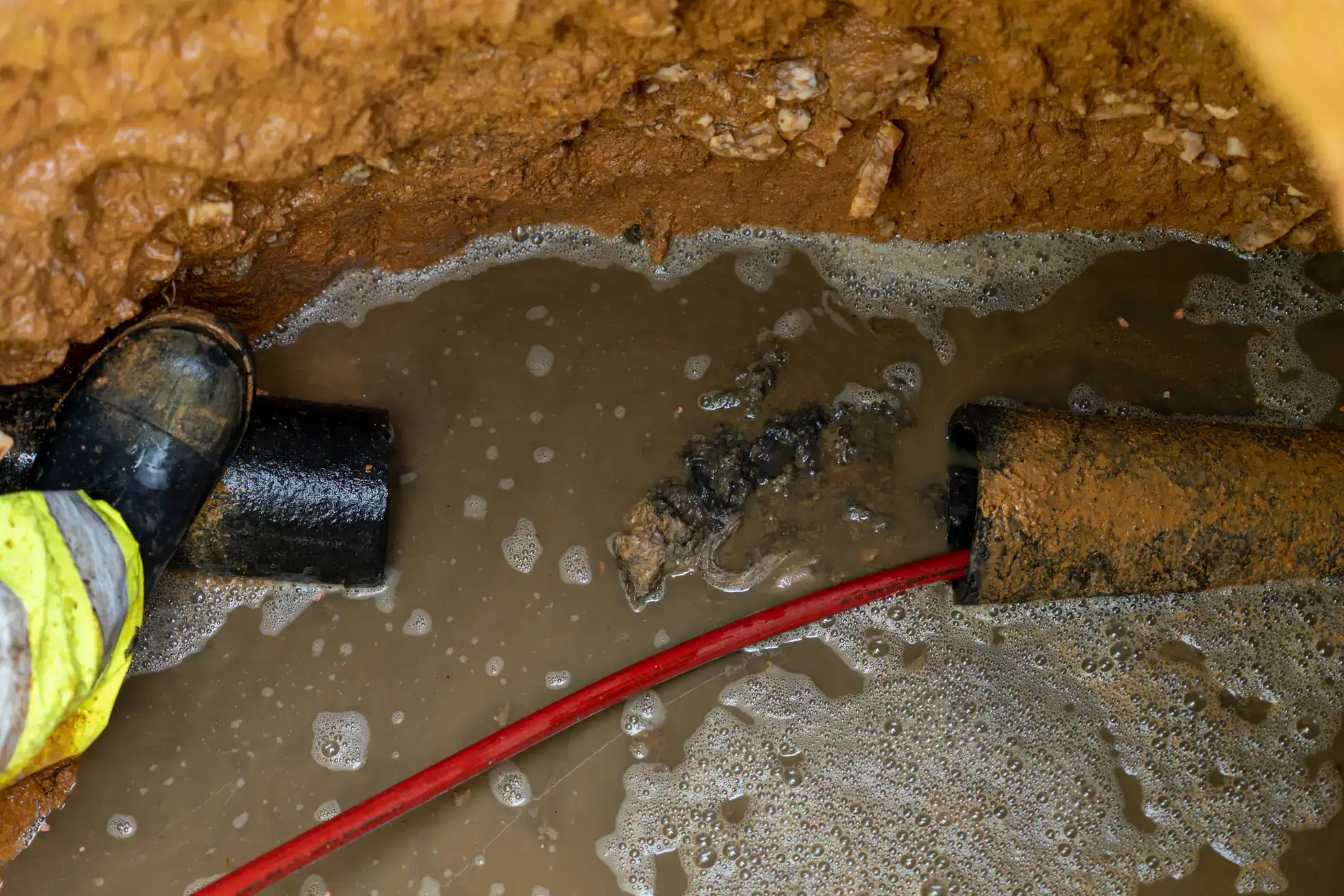
Next comes complete water extraction using powerful pumps and specialized equipment. We don’t just remove standing water—we extract moisture from carpets, padding, and subflooring where contamination can hide and cause problems later.
Then we handle structural drying with industrial dehumidifiers and air movers, followed by thorough deodorization and sanitization of all affected surfaces. Finally, we restore any damaged materials to return your home to its pre-loss condition.
Your sewage cleanup includes complete water extraction, structural drying, deodorization, and sanitization of all affected areas. We handle contaminated material removal, carpet and padding replacement when necessary, and full restoration of damaged surfaces.
In Hollis Hills, we often see sewage backups that affect basements and first floors due to the area’s unique drainage challenges. Our service accounts for this, including specialized equipment for below-grade water extraction and moisture detection tools that ensure we find hidden dampness that could lead to mold.
We also coordinate with insurance companies familiar with Queens water damage claims, helping streamline the process so you can focus on getting back to normal instead of fighting paperwork.
How quickly can you respond to sewage backup emergencies in Hollis Hills?
We provide 24/7 emergency response with technicians typically arriving within 60-90 minutes of your call. Sewage emergencies can’t wait for business hours, especially in Hollis Hills where drainage issues can escalate quickly.
Time is critical with sewage cleanup because contaminated water poses immediate health risks and can cause exponentially more damage the longer it sits. Our rapid response helps minimize both the health hazards and the extent of property damage you’ll face.
What health risks does sewage backup create in my home?
Sewage contains dangerous bacteria, viruses, and parasites that can cause serious illness through direct contact or airborne exposure. Common health risks include gastroenteritis, hepatitis, and respiratory infections.
Children, elderly family members, and anyone with compromised immune systems face especially high risks from sewage contamination. This is why we use professional-grade protective equipment and follow strict safety protocols during cleanup.
Beyond immediate health risks, untreated sewage can lead to mold growth within 24-48 hours, creating additional respiratory hazards that can persist long after the initial cleanup.
Will my homeowner's insurance cover sewage cleanup in Hollis Hills?
Insurance coverage for sewage cleanup varies significantly depending on your specific policy and the cause of the backup. Many standard homeowner’s policies exclude sewer backup unless you have specific additional coverage.
Since Hollis Hills isn’t in a designated flood zone, many residents don’t carry flood insurance, which can complicate coverage for water-related damages. We work directly with insurance companies and can help you understand what your policy covers.
We recommend documenting everything thoroughly and contacting your insurance company immediately. Our team can provide detailed reports and work directly with adjusters to support your claim.
How do you prevent mold growth after sewage cleanup?
Mold prevention starts with complete moisture removal using industrial-grade dehumidifiers and air movers that we monitor continuously until moisture levels return to normal. We don’t just dry surfaces—we ensure structural materials like subflooring and wall cavities are completely dry.
We use moisture detection equipment to identify hidden dampness that could support mold growth later. Any materials that can’t be properly cleaned and dried, like carpet padding or drywall that’s been saturated, get removed and replaced.
Our final step includes antimicrobial treatment of affected areas to inhibit any potential mold or bacteria growth. We also provide humidity monitoring recommendations to help prevent future moisture problems.
What's the difference between sewage cleanup and regular water damage restoration?
Sewage cleanup requires much more extensive safety protocols because you’re dealing with Category 3 “black water” that contains dangerous pathogens. Our technicians use full protective equipment and follow strict contamination control procedures.
The cleaning process is more intensive, requiring specialized disinfectants and antimicrobial treatments that aren’t necessary for clean water damage. We also have to dispose of contaminated materials according to specific regulations.
Recovery time is typically longer because we can’t take shortcuts with sanitization. Everything that contacted sewage must be either thoroughly disinfected or properly disposed of, which means more extensive material removal and replacement than you’d see with clean water damage.
How long does complete sewage cleanup take in Hollis Hills homes?
Most residential sewage cleanups take 3-7 days from start to finish, depending on the extent of contamination and how much structural material needs replacement. Emergency water extraction and initial sanitization happen within the first 24 hours.
Structural drying typically takes 2-4 days with our professional equipment running continuously. Final restoration work, like replacing flooring or drywall, adds another 1-3 days depending on what materials were affected.
In Hollis Hills, we sometimes encounter complications from the area’s drainage issues or older home construction that can extend the timeline. We’ll give you a realistic timeframe after our initial assessment and keep you updated throughout the process.