I needed a professional consultation explanation of procedure for safe removal of Asbestos in my apartment complex. Without having an account yet, I was very impressed with the caring, knowledgeable and generous advice offered by Jessica, and will look forward to doing business in the future. Thank you so much! I feel much more informed about a sometimes scary endeavor. Peace. Nancy Silva Mineola, NY.
Mia Munoz
Used this company to clean up some water flood in my house. They were fast and easy to work with.very professional, Would recommend to anyone!
Nini Valle
Great company, had a flood and they responded quickly and efficiently. Billed my insurance company directly. I highly recommend this company!
joe colapietro, jr
I had pipe freeze in my basement right before a snow storm and they made to within an hour to help start the clean up process. They we by our side throughout the entire process and even helped with the insurance company. They did such a great job with the cleanup, repair, remidiation, I contracted them to perform the repairs and finishes in the basement. They came with enough manpower and material to get the job done. Leo and Jessica were nothing but a pleasure to deal with!!
Cristian Arredondo c
I had some water damage in my home and Green Island was able to take care of my issue quickly and effectively. I am very pleased with the work they did. They responded quickly and were very professional.
Michael M
Outstanding service! From the office to the field crew everyone was friendly, helpful and responsive. I highly recommend Green Island Group.
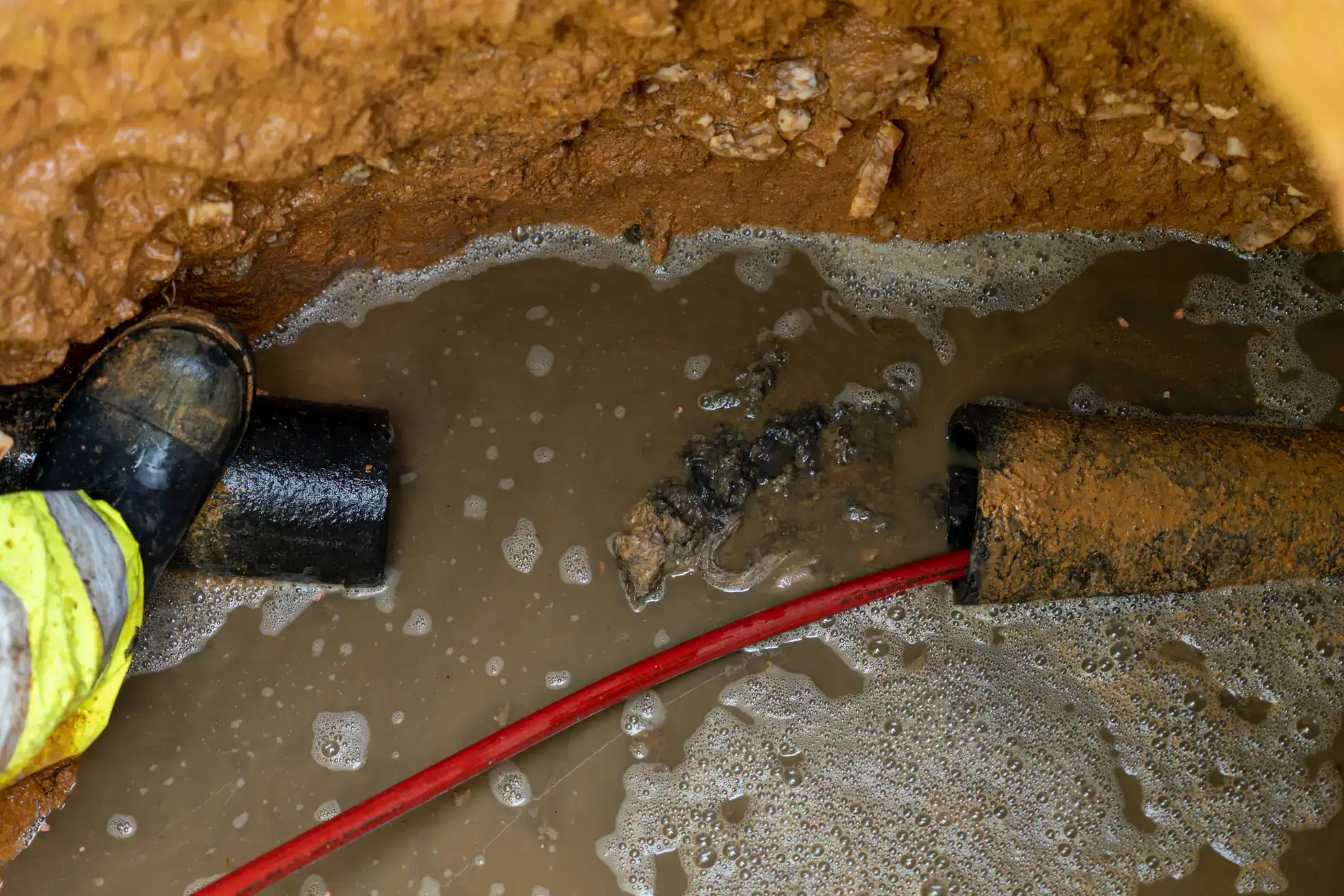
When sewage backs up in your Kings Park home, you’re not just dealing with a mess—you’re facing serious health risks and potential property damage. Raw sewage contains harmful bacteria, viruses, and pathogens that can make your family sick and contaminate everything it touches.
We eliminate these dangers completely. Our specialized equipment removes all contaminated water, sanitizes every affected surface, and dries your property thoroughly to prevent mold growth.
You get your safe, clean space back without the lingering odors, health concerns, or structural damage that comes from improper cleanup. Your property returns to pre-incident condition, and your family can breathe easy again.
We’ve been serving Kings Park and Suffolk County for years, handling everything from minor sewage backups to major flooding emergencies. We understand the unique challenges Long Island properties face—from tree root intrusions in older sewer lines to storm-related backups.
Our team includes experienced professionals like Leo and Jessica who’ve guided countless Kings Park families through the restoration process. We work directly with your insurance company, handling the paperwork and billing so you can focus on getting your life back to normal.
Kings Park residents know they can count on us for honest pricing, quality work, and the kind of local service that treats your emergency like it’s happening to our own family.
When you call us, we respond immediately—often within an hour, even during storms or after hours. Our first priority is stopping the source and securing the area to prevent further contamination.
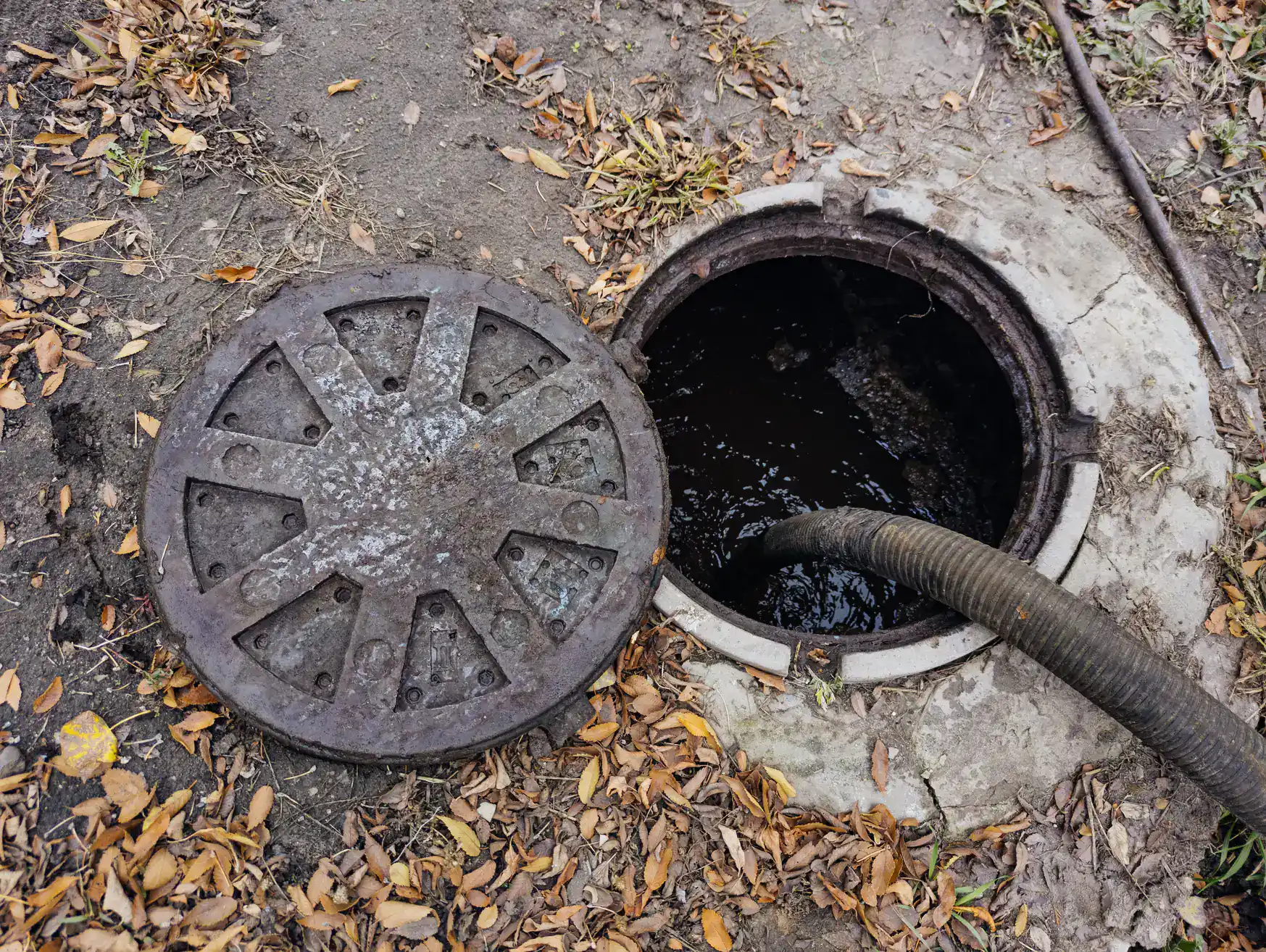
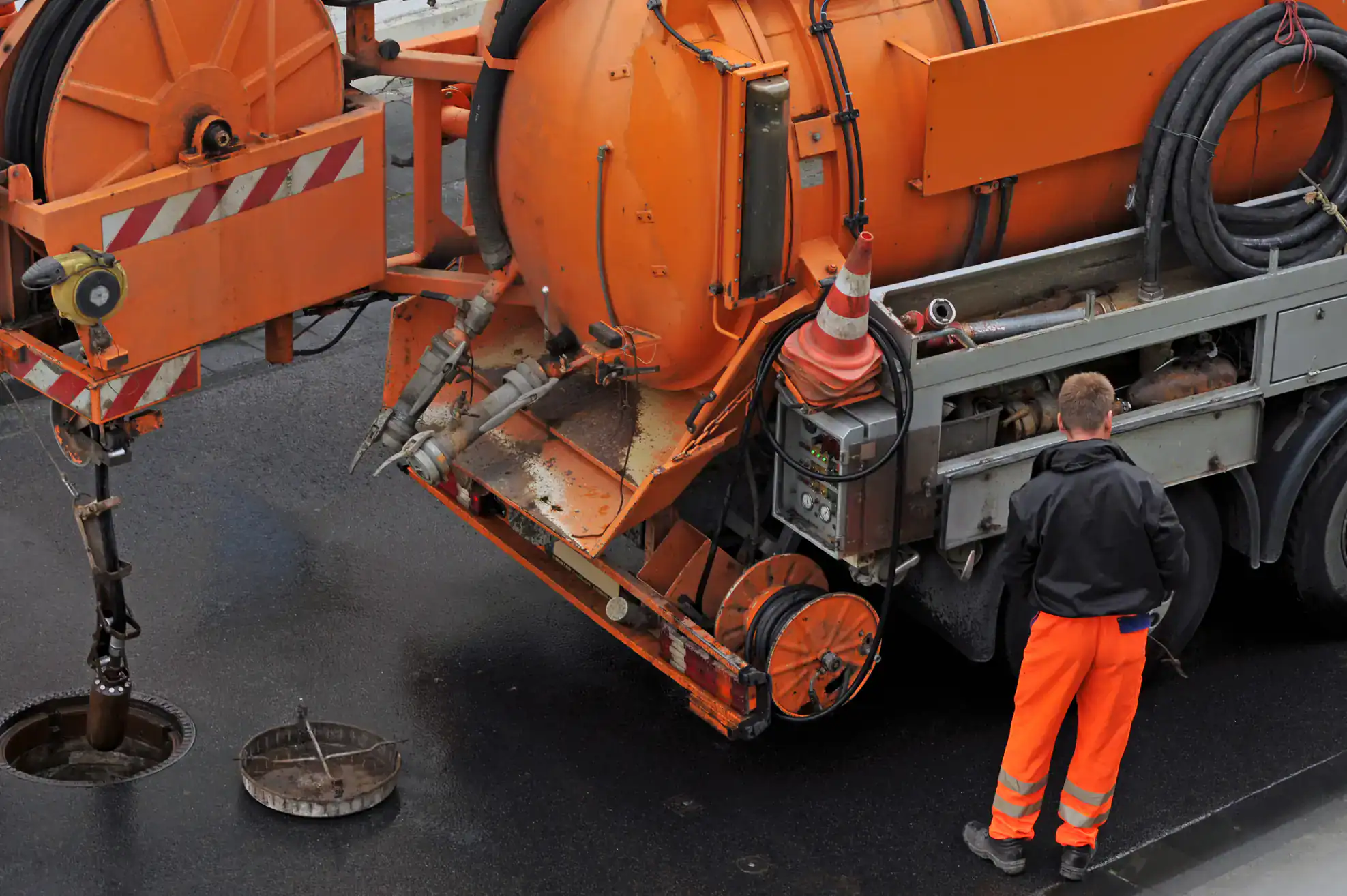
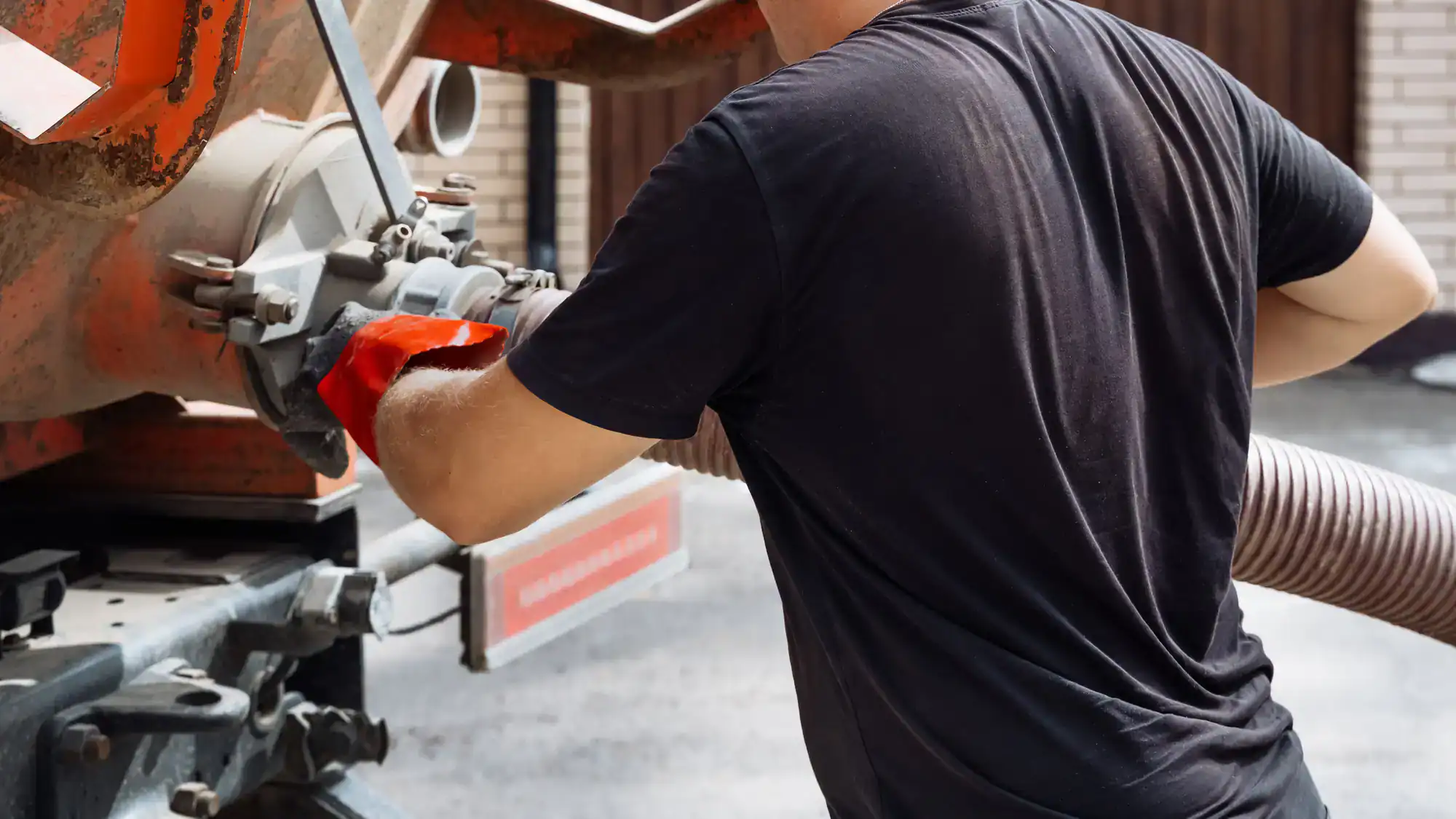
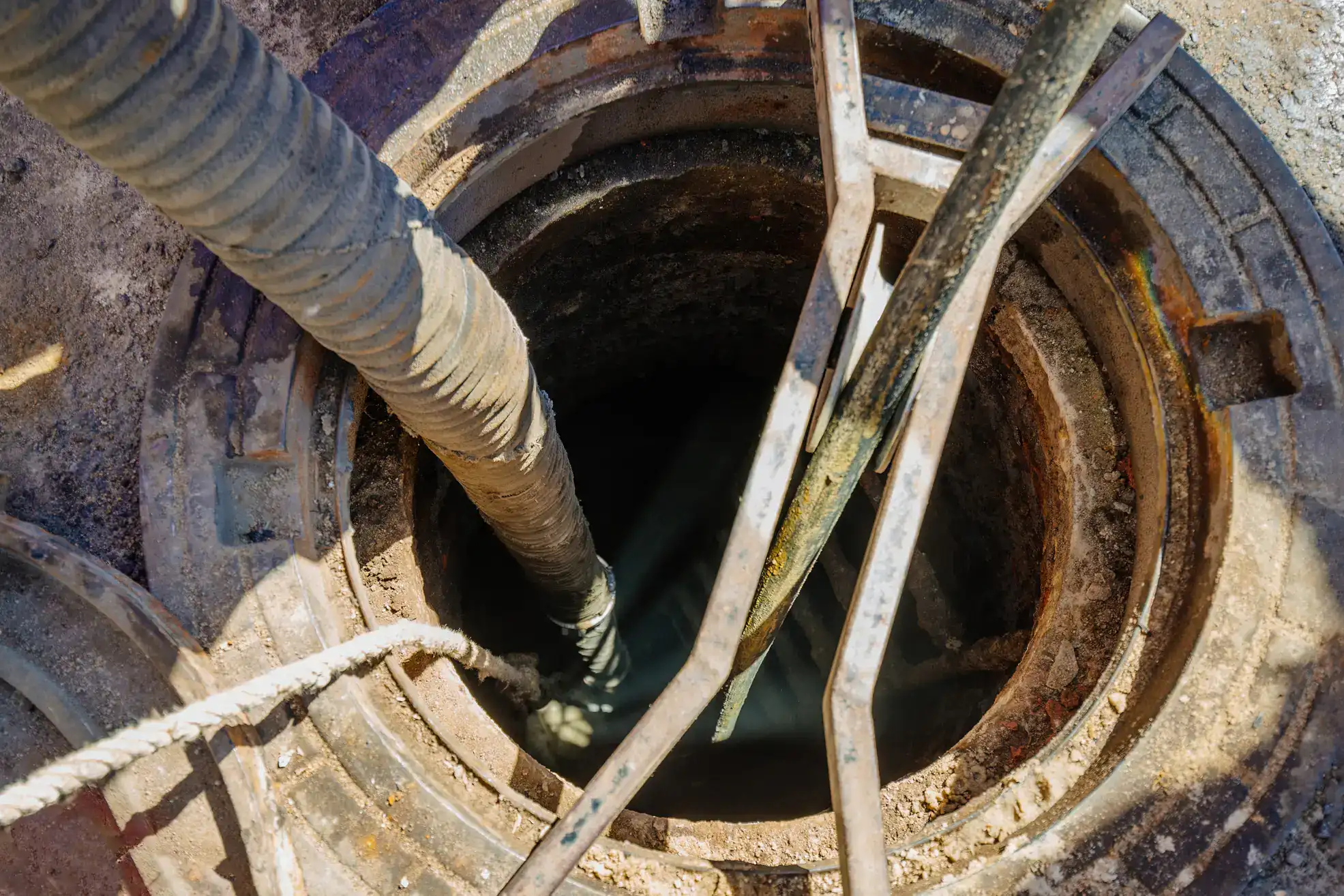
Next, we extract all standing sewage water using powerful truck-mounted pumps and vacuums. We then remove any contaminated materials that can’t be safely cleaned and begin the sanitization process using professional-grade disinfectants.
The final phase involves thorough structural drying with industrial dehumidifiers and air movers to prevent mold growth. We monitor moisture levels until everything is completely dry, then handle any necessary repairs to return your property to its original condition. Throughout the process, we document everything for your insurance claim and keep you informed every step of the way.
Our sewage cleanup service includes everything needed to restore your Kings Park property safely. We handle water extraction, structural drying, deodorization, sanitization, and minor repairs—all under one roof.
Kings Park’s mature tree population means many properties deal with root-related sewer issues. Tree roots seek out water sources and can infiltrate even small cracks in sewer lines, eventually causing major backups. We see this frequently in older neighborhoods where clay pipes are more vulnerable to root intrusion.
The area’s proximity to water and occasional severe weather also creates conditions for basement flooding and sewer overflows. Our local experience means we understand these patterns and can often prevent secondary damage that out-of-area companies might miss. We know which Kings Park properties are more susceptible to recurring issues and can recommend preventive measures to help you avoid future problems.
How quickly can you respond to a sewage emergency in Kings Park?
We provide 24/7 emergency response and typically arrive within an hour of your call, even during storms or holidays. Sewage backups can’t wait—every minute increases health risks and property damage.
Our trucks are equipped and ready to go, and we keep crews on standby specifically for these emergencies. When you’re dealing with raw sewage in your home, time is critical for preventing bacteria spread and minimizing contamination.
What causes sewage backups in Kings Park homes?
Tree roots are the most common cause of sewer line problems in Kings Park. The area’s mature trees send roots searching for water, and they often find their way into small cracks or joints in sewer pipes. Once inside, roots grow and create blockages.
Heavy rainfall can also overwhelm the municipal sewer system or cause ground shifting that damages private sewer lines. Older homes with clay pipes are especially vulnerable to both root intrusion and weather-related damage.
Grease buildup, flushing inappropriate items, and general pipe deterioration also contribute to backups, but root infiltration accounts for the majority of main sewer line issues we see in this area.
Will my homeowner's insurance cover sewage cleanup costs?
Most standard homeowner’s policies don’t automatically cover sewer backup damage, but many insurers offer sewer backup coverage as an add-on for around $5-6 per month. This coverage typically provides $10,000-$25,000 in protection.
We work directly with insurance companies and handle all the documentation and billing when coverage applies. Even if you’re not sure about your coverage, we’ll help you navigate the claims process and determine what’s covered.
The key is calling us immediately—insurance companies want to see that you took prompt action to minimize damage, and our detailed documentation helps support your claim.
How do you ensure complete sanitization after sewage cleanup?
We use a multi-step sanitization process that goes far beyond basic cleaning. First, we remove all contaminated water and materials using specialized extraction equipment. Then we apply professional-grade antimicrobial treatments that eliminate bacteria, viruses, and other pathogens.
Our team uses EPA-approved disinfectants specifically designed for sewage contamination. We also employ advanced drying techniques with industrial dehumidifiers and air movers to eliminate moisture that could support bacterial growth or mold development.
Every surface is treated and tested to ensure it meets safety standards before we consider the job complete. We don’t just clean what you can see—we address contamination that may have seeped into subflooring, wall cavities, or other hidden areas.
What should I do immediately after discovering a sewage backup?
Stop using all water fixtures immediately—don’t flush toilets, run water, or use the washing machine or dishwasher. This prevents additional sewage from backing up and worsening the situation.
Call us right away, then stay out of the contaminated area. Raw sewage contains dangerous bacteria and viruses that can cause serious illness through skin contact or inhalation. Don’t attempt to clean it yourself with household products.
If possible, take photos and videos for insurance documentation, but only from a safe distance. Turn off electricity to the affected area if water has reached electrical outlets or appliances, but only if you can do so safely from a dry location.
How much does professional sewage cleanup cost in Kings Park?
Sewage cleanup costs typically range from $7-14 per square foot, with most residential jobs falling between $2,000-$10,000 depending on the extent of contamination and damage. The final cost depends on factors like the size of the affected area, how long sewage was present, and what materials need replacement.
Acting quickly actually saves money—the longer sewage sits, the more it spreads and penetrates into materials that then require replacement rather than cleaning. We provide detailed estimates and work with your insurance when coverage applies.
Our pricing is transparent, and we’ll explain all costs upfront. Many homeowners find that professional cleanup costs less than trying to handle it themselves when you factor in equipment rental, replacement materials, and the risk of incomplete cleanup leading to future mold or odor problems.