I needed a professional consultation explanation of procedure for safe removal of Asbestos in my apartment complex. Without having an account yet, I was very impressed with the caring, knowledgeable and generous advice offered by Jessica, and will look forward to doing business in the future. Thank you so much! I feel much more informed about a sometimes scary endeavor. Peace. Nancy Silva Mineola, NY.
Mia Munoz
Used this company to clean up some water flood in my house. They were fast and easy to work with.very professional, Would recommend to anyone!
Nini Valle
Great company, had a flood and they responded quickly and efficiently. Billed my insurance company directly. I highly recommend this company!
joe colapietro, jr
I had pipe freeze in my basement right before a snow storm and they made to within an hour to help start the clean up process. They we by our side throughout the entire process and even helped with the insurance company. They did such a great job with the cleanup, repair, remidiation, I contracted them to perform the repairs and finishes in the basement. They came with enough manpower and material to get the job done. Leo and Jessica were nothing but a pleasure to deal with!!
Cristian Arredondo c
I had some water damage in my home and Green Island was able to take care of my issue quickly and effectively. I am very pleased with the work they did. They responded quickly and were very professional.
Michael M
Outstanding service! From the office to the field crew everyone was friendly, helpful and responsive. I highly recommend Green Island Group.
You walk into a clean, odor-free space that’s actually safe for your family. No lingering smells, no hidden bacteria, no worries about what’s lurking behind walls or under floors.
The mess is gone. The health risks are eliminated. Your property is restored to the condition it was in before the backup happened.
That’s what professional sewage cleanup looks like when it’s done right the first time.
We’ve been handling sewage emergencies across Long Island for years. We’re the local team that actually shows up when you call, with over 5,000 completed restoration projects behind us.
We know Manorville’s older infrastructure and the unique challenges that come with Suffolk County’s heavily wooded areas and aging sewer systems. When tree roots invade pipes or heavy rains overwhelm the system, we’ve seen it all.
You’re dealing with licensed, insured professionals who follow New York State regulations and work directly with your insurance company.
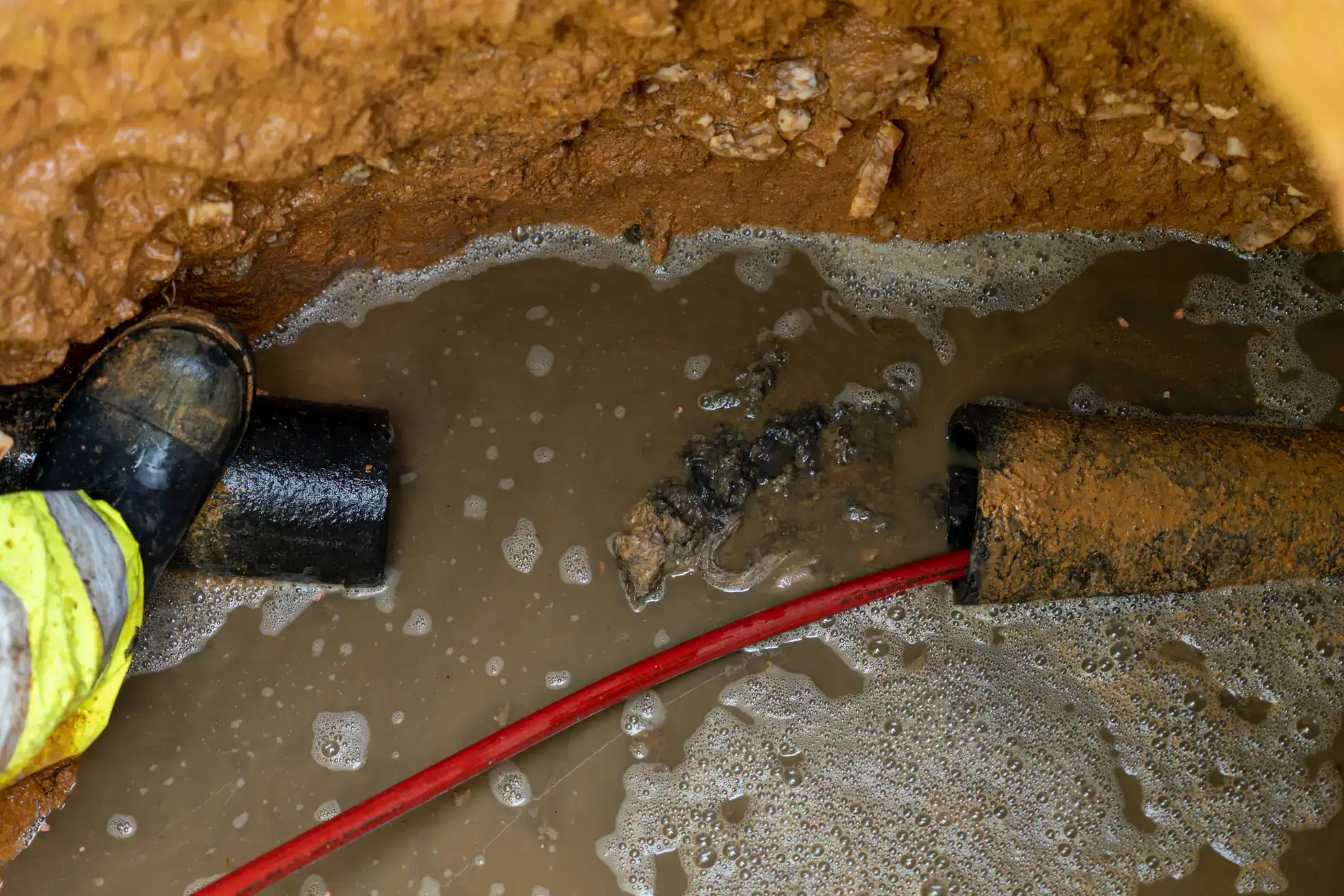
First, we assess the damage and identify any safety hazards. Our team determines exactly what we’re dealing with and creates a plan to handle it safely.
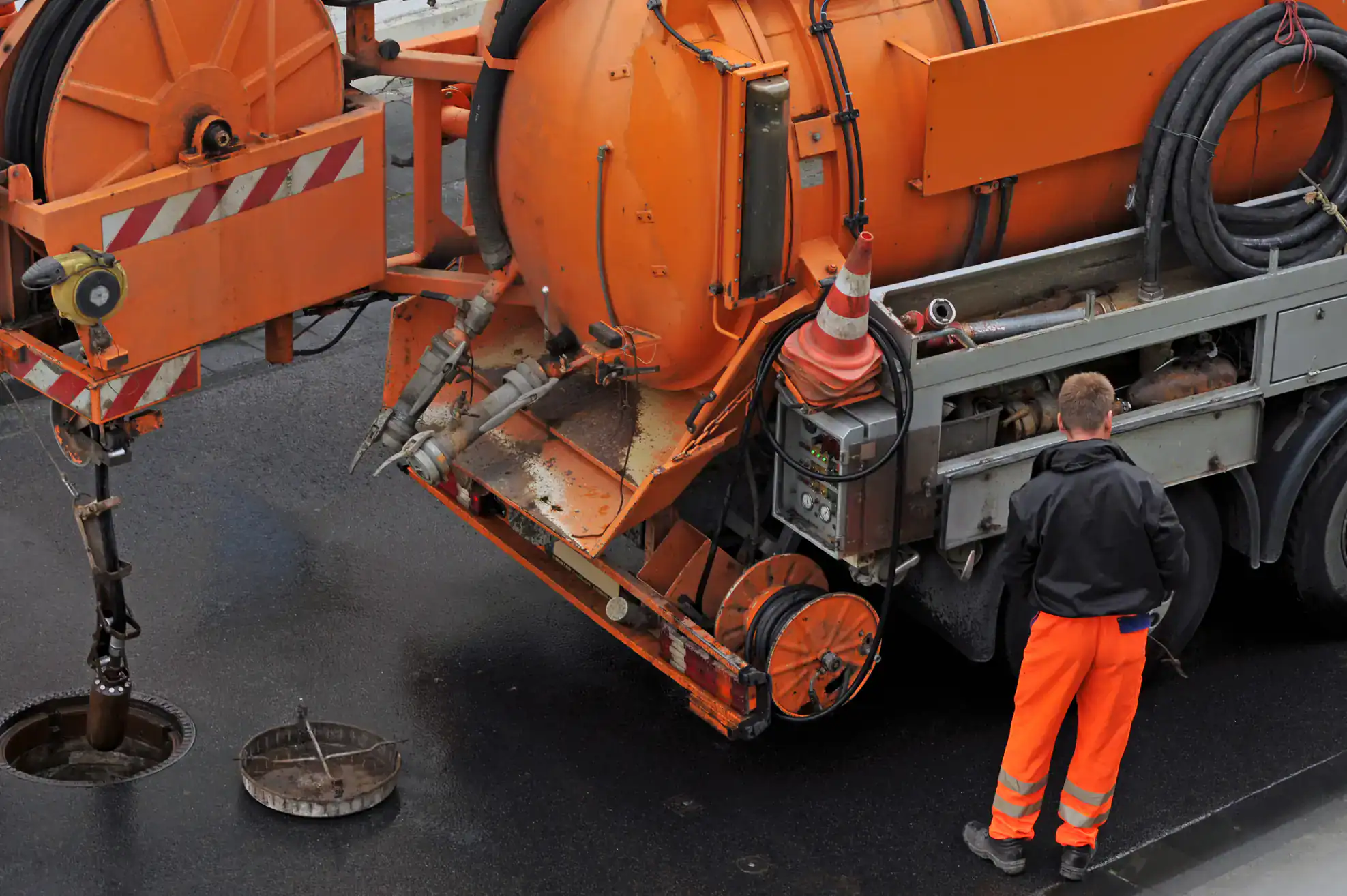
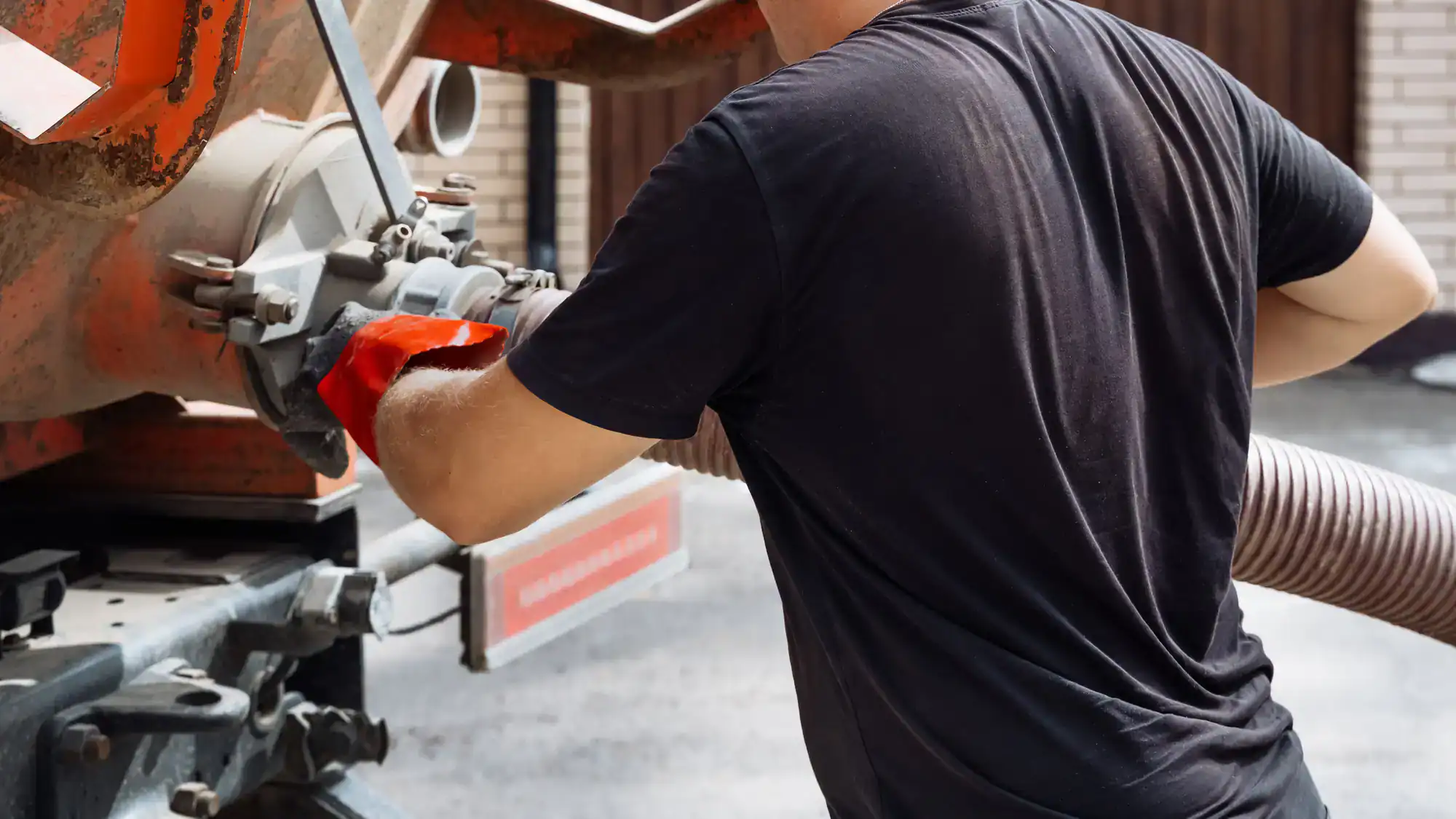
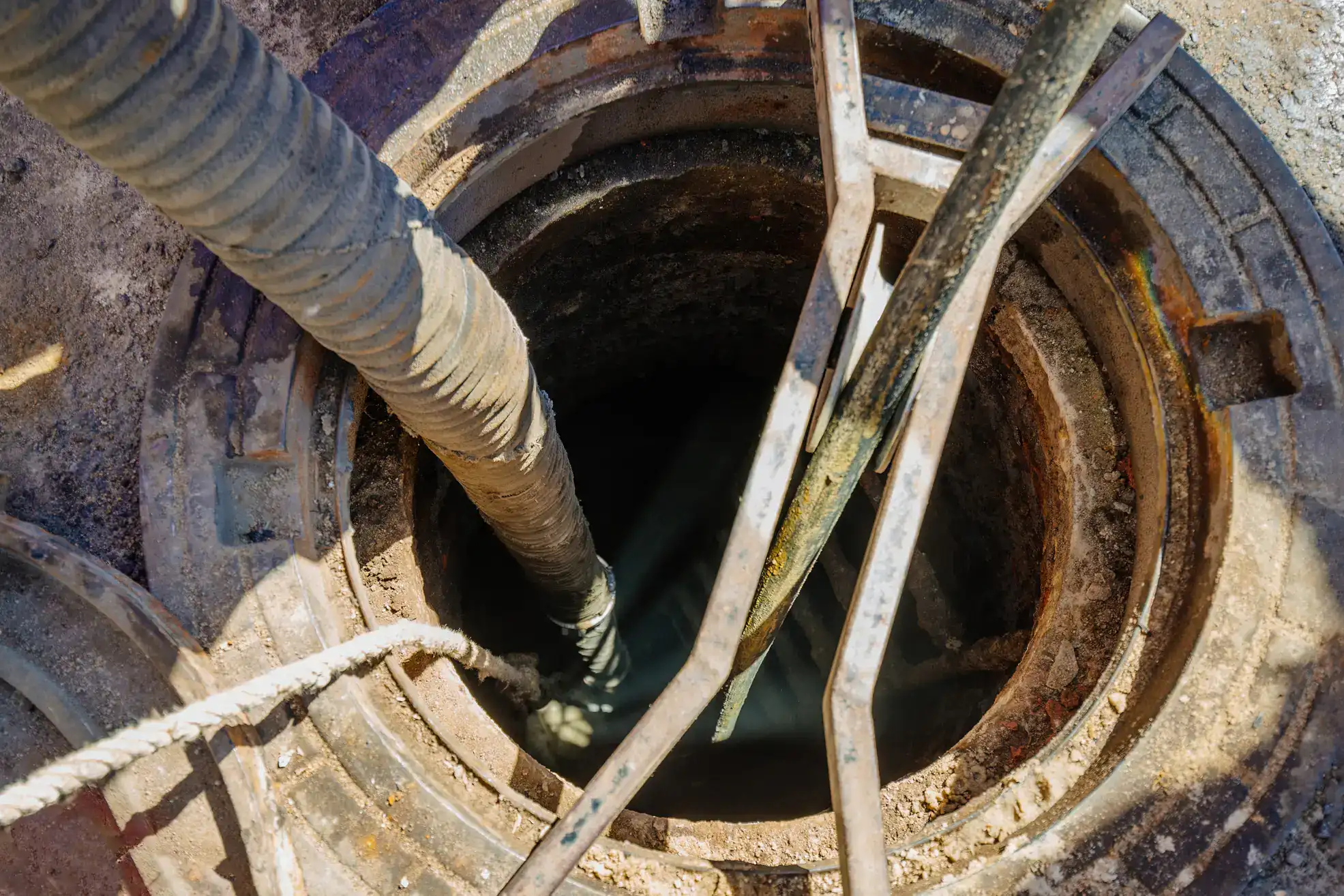
Next comes extraction and removal. We use powerful, truck-mounted equipment to remove all sewage and contaminated water from your property. This isn’t a shop vac job – this is industrial-grade water extraction that gets everything out.
Finally, we sanitize and dry everything thoroughly. EPA-approved disinfectants eliminate bacteria and viruses while our advanced drying techniques prevent mold growth. We don’t just clean the surface – we make sure the space is actually safe.
Your sewage cleanup includes water extraction, structural drying, deodorization, and sanitization. We handle everything from minor toilet backups to major sewer line failures that flood entire basements.
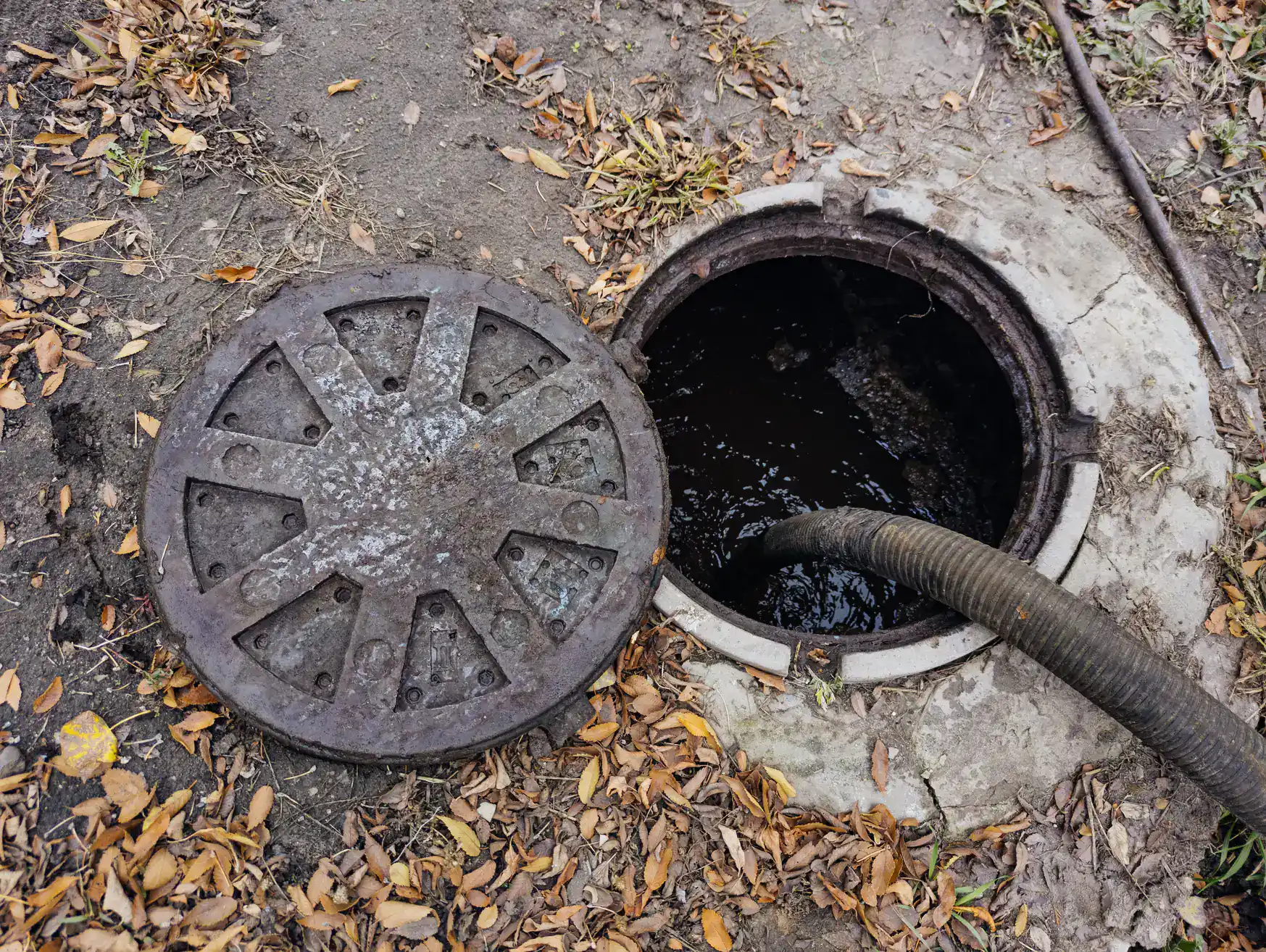
In Manorville’s older homes, sewage problems often involve more than just surface cleaning. Tree roots commonly invade aging sewer lines, especially in the area’s wooded neighborhoods. When these systems fail, contaminated water can seep into subflooring, wall cavities, and stored belongings.
We provide documentation for insurance claims and work directly with your carrier. Most homeowners don’t realize that standard policies often exclude sewage backup without specific endorsements, but we help navigate that process so you understand exactly what’s covered.
How quickly can you respond to a sewage backup in Manorville?
We’re available 24/7 and typically arrive within 60 minutes of your call. Sewage cleanup is always treated as an emergency because the health risks and property damage increase rapidly with time.
The longer sewage sits in your home, the more it penetrates into porous materials like drywall, subflooring, and insulation. What starts as a manageable cleanup can quickly become a major reconstruction project if not addressed immediately.
That’s why we maintain emergency response capability around the clock, including weekends and holidays.
What health risks come with sewage backup in my home?
Raw sewage contains harmful bacteria, viruses, and pathogens that can cause serious illness. Direct contact can lead to infections, diarrhea, and diseases like hepatitis A. Even breathing in airborne particles from sewage can worsen respiratory conditions.
Children and elderly family members face higher risks from exposure. The bacteria in sewage can also contaminate surfaces throughout your home, not just where you see the obvious mess.
This is why professional cleanup with proper safety equipment and EPA-approved disinfectants is essential. Household cleaners and shop vacs simply can’t eliminate these health hazards effectively.
Will my homeowner's insurance cover sewage cleanup costs?
Standard homeowner’s policies often exclude sewage backup unless you have a specific endorsement or rider. Many homeowners discover this gap in coverage only after experiencing a backup.
However, if you do have sewage backup coverage, most insurance companies will cover the cleanup and restoration costs. We work directly with insurance carriers and provide detailed documentation to support your claim.
We recommend reviewing your policy now to understand your coverage limits and deductibles. If you don’t have sewage backup coverage, contact your agent about adding it – the premium is usually modest compared to potential cleanup costs.
How much does professional sewage cleanup cost in Manorville?
Costs vary significantly based on the extent of contamination and damage. Simple toilet overflows might cost a few hundred dollars to remediate, while major basement flooding from sewer line failures can reach tens of thousands.
Category 3 sewage cleanup (raw sewage) typically costs $7-7.50 per square foot and often requires replacing anything the sewage contacted. The total includes extraction, sanitization, structural drying, and disposal of contaminated materials.
We provide detailed estimates before starting work and help you understand what your insurance covers. Many homeowners are surprised to learn that prompt professional cleanup often costs less than trying to handle it themselves and dealing with recurring problems later.
What's the difference between sewage cleanup and regular water damage?
Sewage cleanup involves category 3 “black water” that contains harmful bacteria, viruses, and pathogens. This requires specialized safety equipment, EPA-approved disinfectants, and often complete replacement of porous materials that contacted the sewage.
Regular water damage from clean sources like broken pipes involves category 1 “clean water” that can often be extracted and dried without health concerns. The cleanup process, equipment, and safety protocols are completely different.
Sewage also requires proper disposal of contaminated materials according to environmental regulations. Our technicians are trained in biohazard protocols and follow strict safety procedures that aren’t necessary for standard water damage restoration.
Can I clean up sewage backup myself to save money?
We strongly advise against DIY sewage cleanup due to serious health risks and the likelihood of incomplete remediation. Sewage contains harmful bacteria and pathogens that require proper safety equipment and specialized disinfectants to eliminate.
Inadequate cleanup often leads to lingering odors, hidden contamination, and mold growth that creates bigger problems and higher costs later. Insurance companies may also question coverage if professional restoration standards weren’t followed.
The specialized equipment needed – industrial extractors, air movers, dehumidifiers, and EPA-approved disinfectants – typically costs more to rent than hiring professionals who already have everything and know how to use it safely.