I needed a professional consultation explanation of procedure for safe removal of Asbestos in my apartment complex. Without having an account yet, I was very impressed with the caring, knowledgeable and generous advice offered by Jessica, and will look forward to doing business in the future. Thank you so much! I feel much more informed about a sometimes scary endeavor. Peace. Nancy Silva Mineola, NY.
Mia Munoz
Used this company to clean up some water flood in my house. They were fast and easy to work with.very professional, Would recommend to anyone!
Nini Valle
Great company, had a flood and they responded quickly and efficiently. Billed my insurance company directly. I highly recommend this company!
joe colapietro, jr
I had pipe freeze in my basement right before a snow storm and they made to within an hour to help start the clean up process. They we by our side throughout the entire process and even helped with the insurance company. They did such a great job with the cleanup, repair, remidiation, I contracted them to perform the repairs and finishes in the basement. They came with enough manpower and material to get the job done. Leo and Jessica were nothing but a pleasure to deal with!!
Cristian Arredondo c
I had some water damage in my home and Green Island was able to take care of my issue quickly and effectively. I am very pleased with the work they did. They responded quickly and were very professional.
Michael M
Outstanding service! From the office to the field crew everyone was friendly, helpful and responsive. I highly recommend Green Island Group.
A sewage backup doesn’t just create a mess—it creates a health hazard that puts your family at risk. The smell, the contamination, the potential for structural damage and mold growth. You need it handled fast and handled completely.
That’s exactly what happens when you call us. We don’t just remove the sewage and call it done. We extract all contaminated water, dry the affected areas thoroughly, eliminate odors at the source, and sanitize everything to eliminate harmful bacteria and viruses. Your basement, your home, your peace of mind—restored.
The difference is in the details. While others might miss hidden moisture that leads to mold problems weeks later, our process ensures your property is truly clean and safe for your family.
We’ve been handling sewage emergencies across Nassau County for years. We understand the unique challenges that come with Long Island properties—from aging infrastructure to high water tables that make basements particularly vulnerable to sewage backups.
What sets us apart is our deep knowledge of Merrick and surrounding areas. We know how Nassau County’s separate sewer systems work, we understand the local flooding patterns, and we’ve seen firsthand how quickly sewage situations can escalate if not handled properly.
Our team responds 24/7 because sewage emergencies don’t wait for business hours. When you call 631-256-5711, you’re getting technicians who’ve handled countless sewage cleanups in your neighborhood and know exactly what needs to be done.
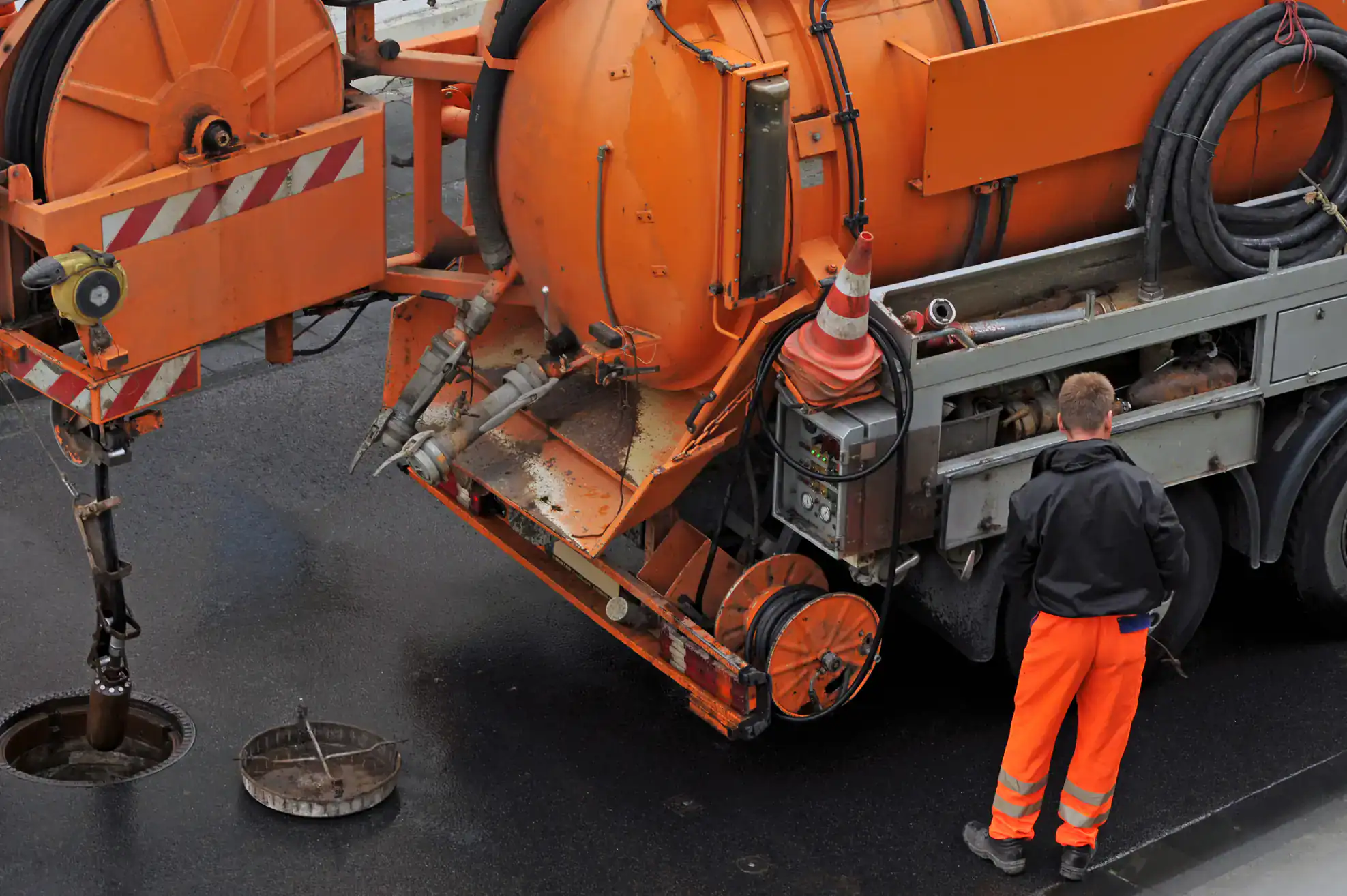
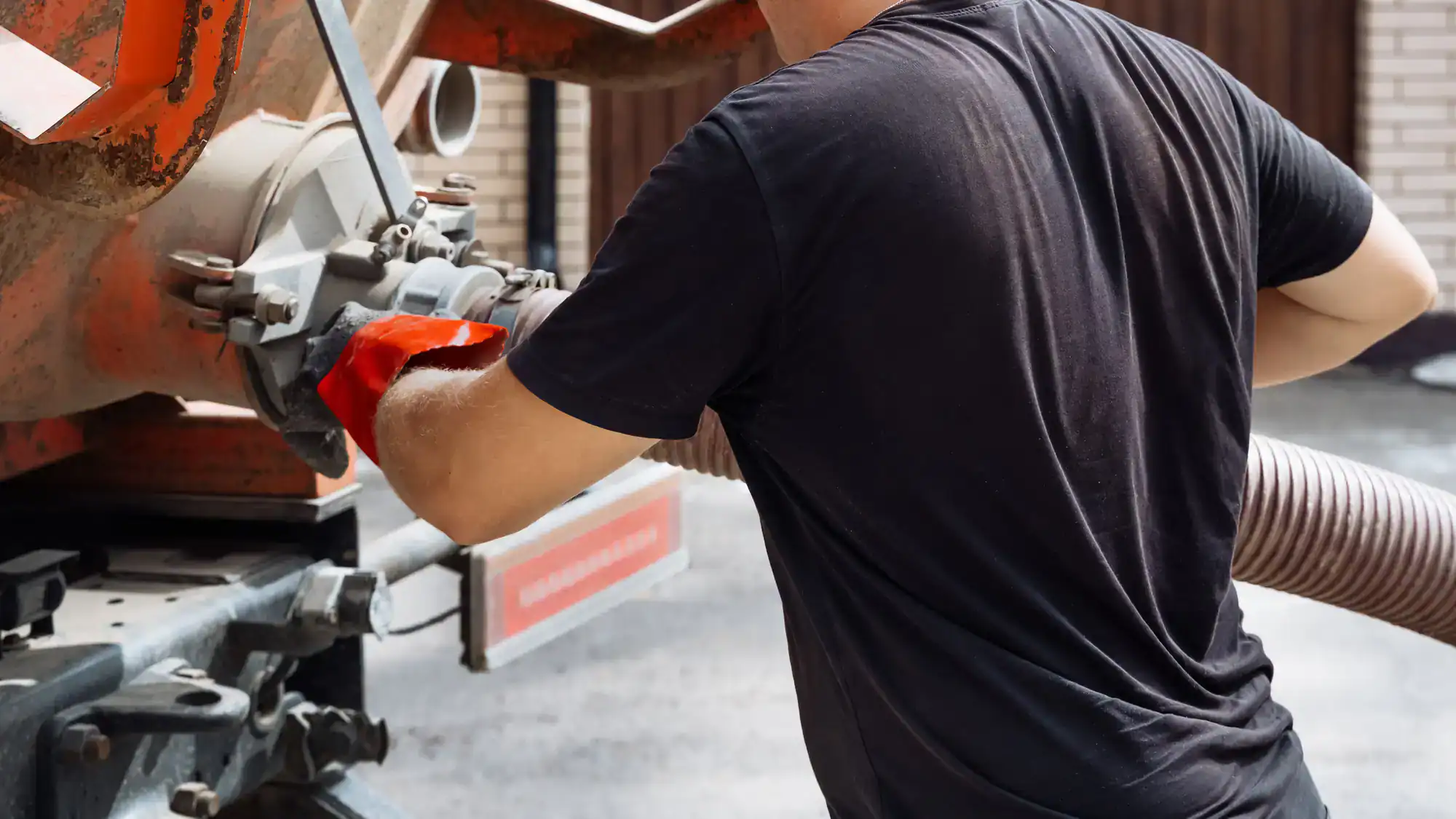
First, we respond immediately to your call. Our technicians arrive with powerful truck-mounted extraction equipment to assess the situation and secure the area to prevent further contamination.
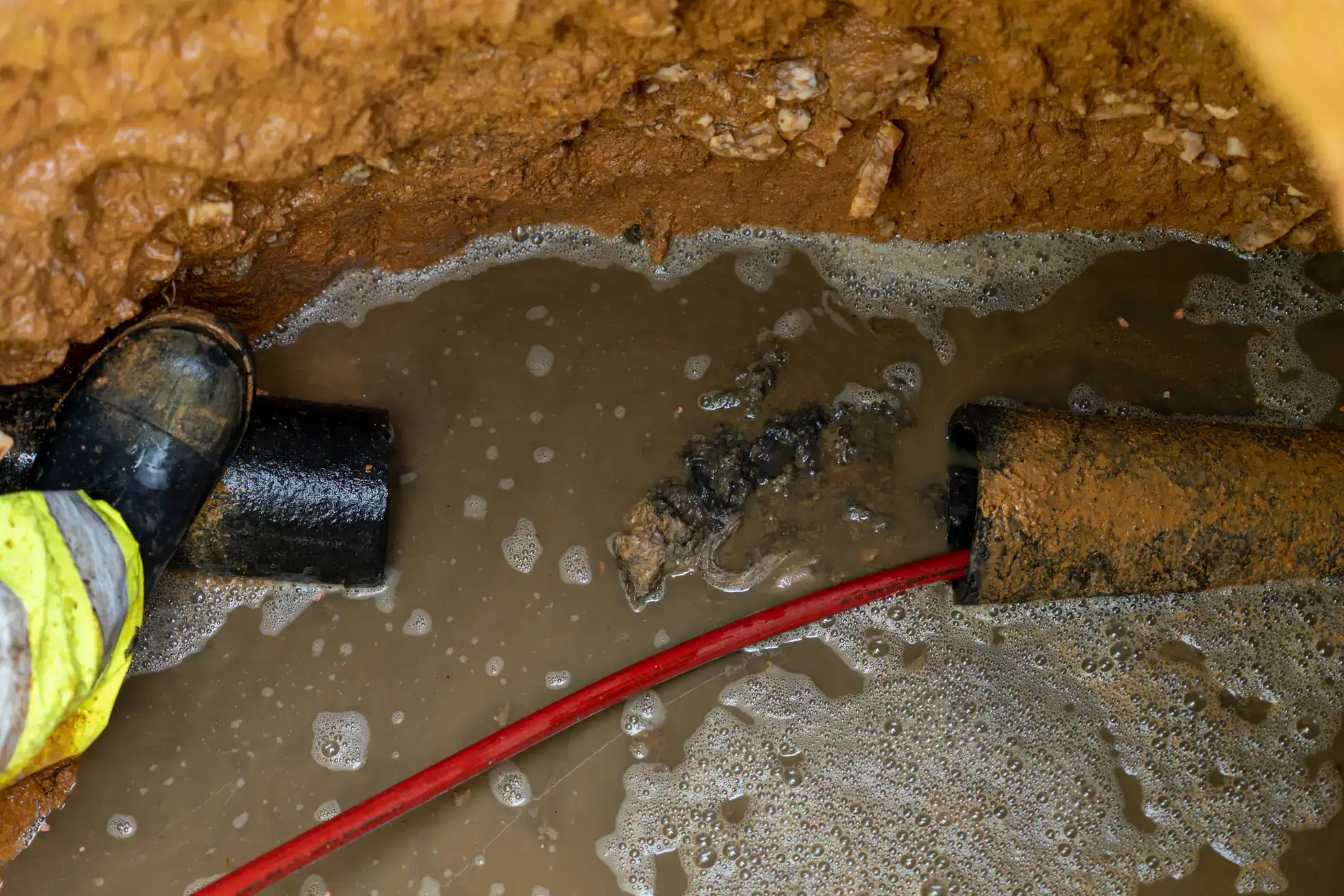
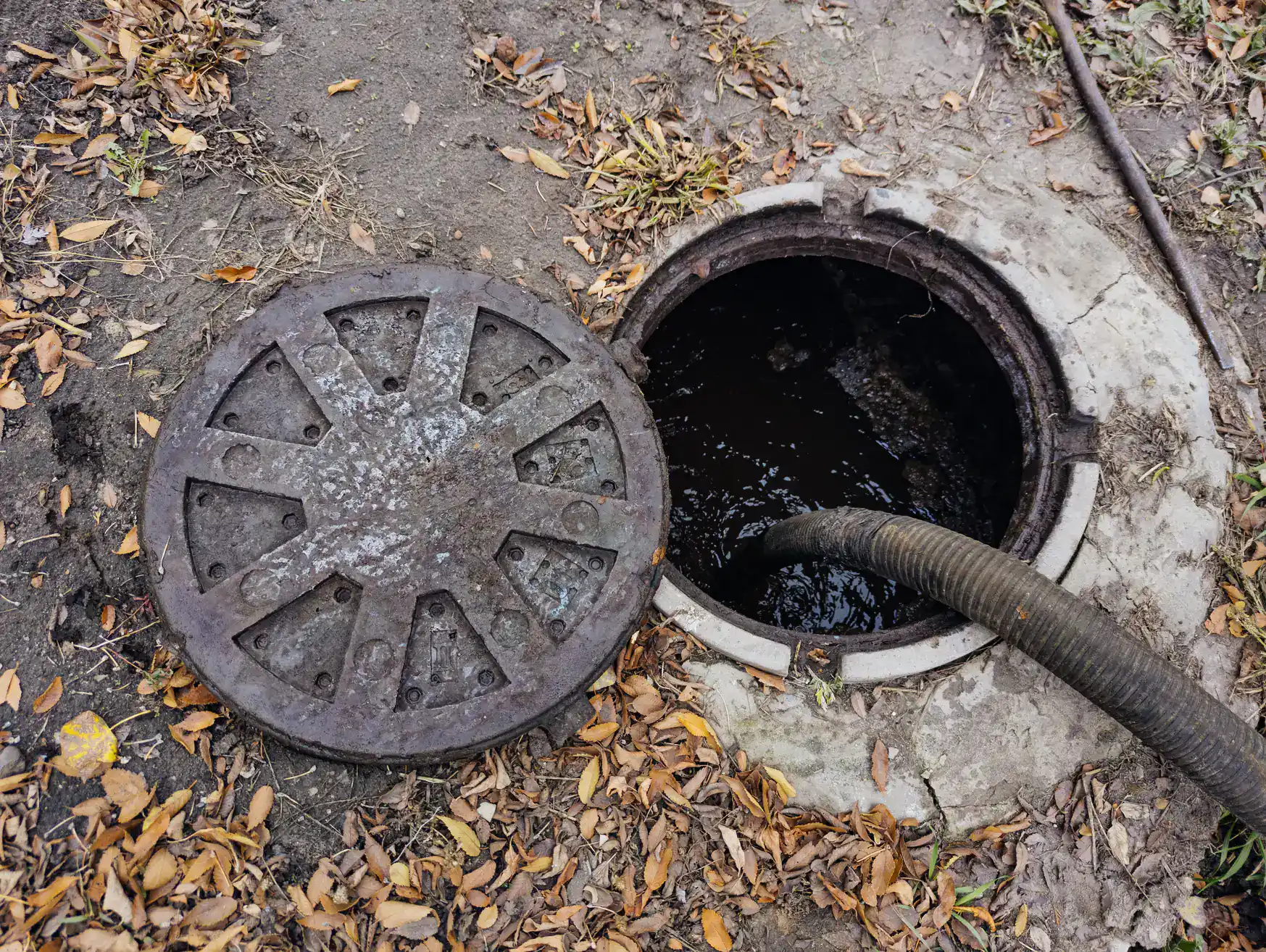
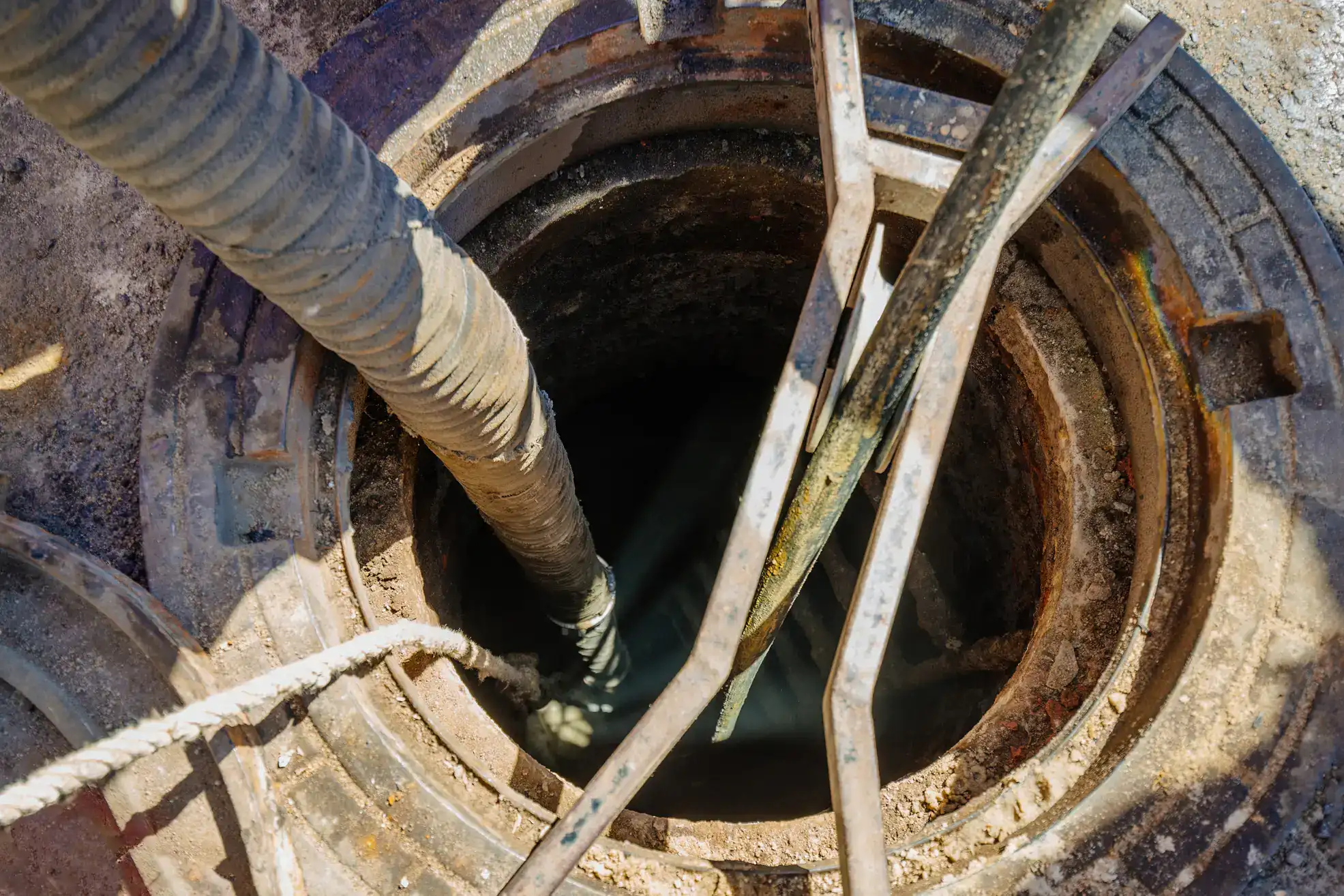
Next, we remove all sewage and contaminated water using specialized pumps and vacuums designed for this type of hazardous material. We don’t just extract what’s visible—we use moisture detection equipment to find hidden contamination behind walls and under floors.
Then comes the critical part: structural drying and sanitization. We set up industrial-grade dehumidifiers and air movers to thoroughly dry all affected areas. We apply antimicrobial treatments to eliminate harmful bacteria and viruses, and use specialized deodorization techniques to eliminate lingering odors completely.
Finally, we handle any minor repairs needed and work directly with your insurance company for billing. You get your property back to pre-loss condition without the headache of dealing with claims paperwork.
Our sewage cleanup service in Merrick goes far beyond just removing the waste. You get comprehensive water extraction, structural drying, deodorization, sanitization, and minor repairs—everything needed to restore your property completely.
Here in Nassau County, we see sewage backups caused by everything from aging sewer lines to storm surges that overwhelm drainage systems. Merrick’s location on Long Island’s South Shore means properties face unique challenges from high water tables and coastal flooding that can force sewage back into basements and lower levels.
That’s why our process is designed specifically for Long Island conditions. We use equipment rated for both fresh and saltwater contamination, and our drying techniques account for the high humidity levels common in coastal areas. We also understand local building codes and work with insurance companies familiar with Nassau County claims, making the entire process smoother for you.
How quickly can you respond to a sewage backup emergency in Merrick?
We provide 24/7 emergency response for sewage cleanup in Merrick and can typically be on-site within an hour of your call. Sewage emergencies require immediate attention because contamination spreads quickly and health risks increase the longer raw sewage remains in your property.
Our rapid response time matters because every hour of delay means more contamination, higher cleanup costs, and greater risk of permanent damage to your floors, walls, and belongings. We keep fully equipped trucks stationed throughout Nassau County specifically to ensure fast response times for emergencies like yours.
When you call 631-256-5711, you’re connected directly to our emergency dispatch, not a call center. We’ll ask a few quick questions about your situation and dispatch the nearest available crew immediately.
Is sewage cleanup covered by homeowners insurance in Nassau County?
Most homeowners insurance policies in Nassau County do cover sewage cleanup when it results from sudden, accidental events like pipe bursts or sewer line breaks. However, coverage can vary significantly based on your specific policy and the cause of the backup.
We work directly with insurance companies throughout Long Island and handle the claims documentation for you. Our technicians photograph all damage, document the cleanup process, and provide detailed reports that insurance adjusters need to process your claim quickly.
The key is calling us immediately and avoiding any DIY cleanup attempts that could complicate your claim. Insurance companies want to see that professional remediation was done properly, and we know exactly what documentation they require for Nassau County claims.
What health risks come with sewage exposure in my home?
Raw sewage contains dangerous bacteria, viruses, and parasites that can cause serious illness through direct contact, inhalation, or ingestion. Common health effects include gastroenteritis, skin infections, respiratory problems, and in severe cases, hepatitis or other serious diseases.
Children, elderly family members, and anyone with compromised immune systems face even higher risks from sewage exposure. The contamination doesn’t just stay where you can see it—sewage can soak into porous materials like drywall, insulation, and flooring, creating ongoing health hazards even after the visible mess is cleaned up.
That’s why professional sanitization is essential, not optional. We use EPA-approved antimicrobial treatments that eliminate pathogens at the molecular level, ensuring your home is truly safe for your family. DIY cleaning with household products simply can’t achieve this level of decontamination.
How do you prevent mold growth after sewage cleanup?
Preventing mold after sewage cleanup requires thorough drying and proper moisture control, which is critical in Nassau County’s humid coastal climate. Mold can begin growing within 24-48 hours in conditions created by sewage backups, and it thrives in the organic matter that sewage leaves behind.
Our structural drying process uses industrial-grade dehumidifiers and air movers strategically placed to eliminate moisture from all affected materials, including inside wall cavities and under flooring. We monitor moisture levels continuously until they reach acceptable standards, not just until surfaces feel dry.
We also apply antimicrobial treatments that prevent mold growth on treated surfaces. This is especially important in Merrick basements where high groundwater levels create naturally humid conditions that encourage mold growth. Our process accounts for these local environmental factors to ensure long-term mold prevention.
What should I do immediately after discovering a sewage backup?
First, ensure everyone’s safety by keeping family members and pets away from the contaminated area. Don’t attempt to clean anything yourself—sewage requires specialized equipment and safety procedures that most homeowners don’t have access to.
Turn off electricity to the affected area if it’s safe to do so, but don’t enter standing water to reach electrical outlets or switches. If sewage has reached electrical outlets, appliances, or your electrical panel, call an electrician immediately after calling us.
Call us at 631-256-5711 right away, even if it’s the middle of the night. Take photos for insurance purposes, but only from a safe distance. Don’t use fans or open windows, as this can spread contamination to unaffected areas. The sooner we can begin proper extraction and sanitization, the better your outcome will be.
How long does professional sewage cleanup take in Merrick homes?
The timeline for sewage cleanup in Merrick typically ranges from 3-7 days, depending on the extent of contamination and the size of the affected area. Emergency extraction and initial sanitization usually happen on day one, but complete structural drying often takes several days in Long Island’s humid climate.
Basement sewage backups generally take longer because concrete floors and foundation walls hold moisture longer than other materials. We use moisture meters to monitor progress and won’t consider the job complete until all materials reach acceptable dryness levels—rushing this process leads to mold problems later.
Throughout the process, we provide daily updates on our progress and adjust our equipment as needed. Most families can return to using unaffected areas of their home within 24-48 hours, but affected areas remain off-limits until we’ve completed all drying and final sanitization steps.