I needed a professional consultation explanation of procedure for safe removal of Asbestos in my apartment complex. Without having an account yet, I was very impressed with the caring, knowledgeable and generous advice offered by Jessica, and will look forward to doing business in the future. Thank you so much! I feel much more informed about a sometimes scary endeavor. Peace. Nancy Silva Mineola, NY.
Mia Munoz
Used this company to clean up some water flood in my house. They were fast and easy to work with.very professional, Would recommend to anyone!
Nini Valle
Great company, had a flood and they responded quickly and efficiently. Billed my insurance company directly. I highly recommend this company!
joe colapietro, jr
I had pipe freeze in my basement right before a snow storm and they made to within an hour to help start the clean up process. They we by our side throughout the entire process and even helped with the insurance company. They did such a great job with the cleanup, repair, remidiation, I contracted them to perform the repairs and finishes in the basement. They came with enough manpower and material to get the job done. Leo and Jessica were nothing but a pleasure to deal with!!
Cristian Arredondo c
I had some water damage in my home and Green Island was able to take care of my issue quickly and effectively. I am very pleased with the work they did. They responded quickly and were very professional.
Michael M
Outstanding service! From the office to the field crew everyone was friendly, helpful and responsive. I highly recommend Green Island Group.
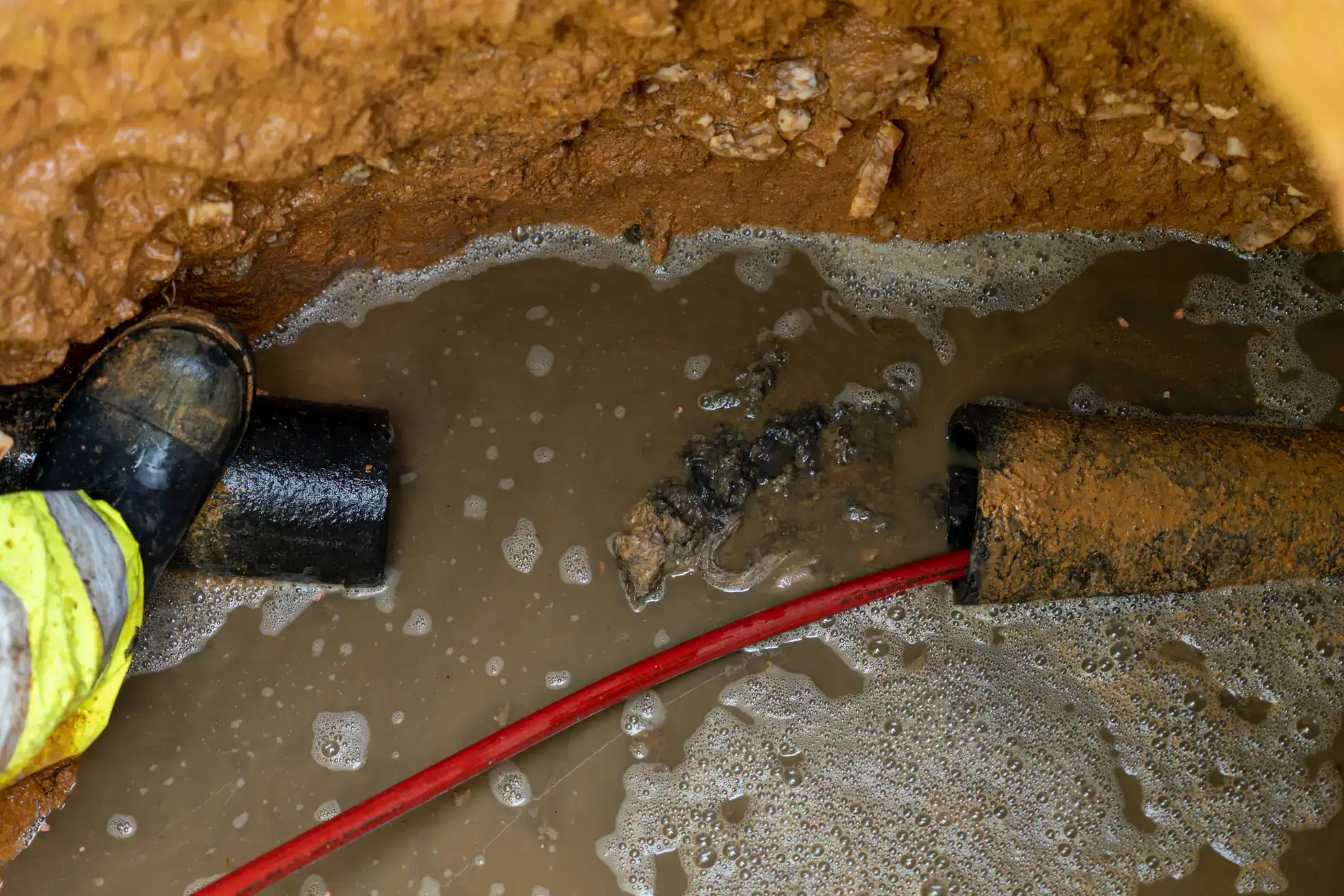
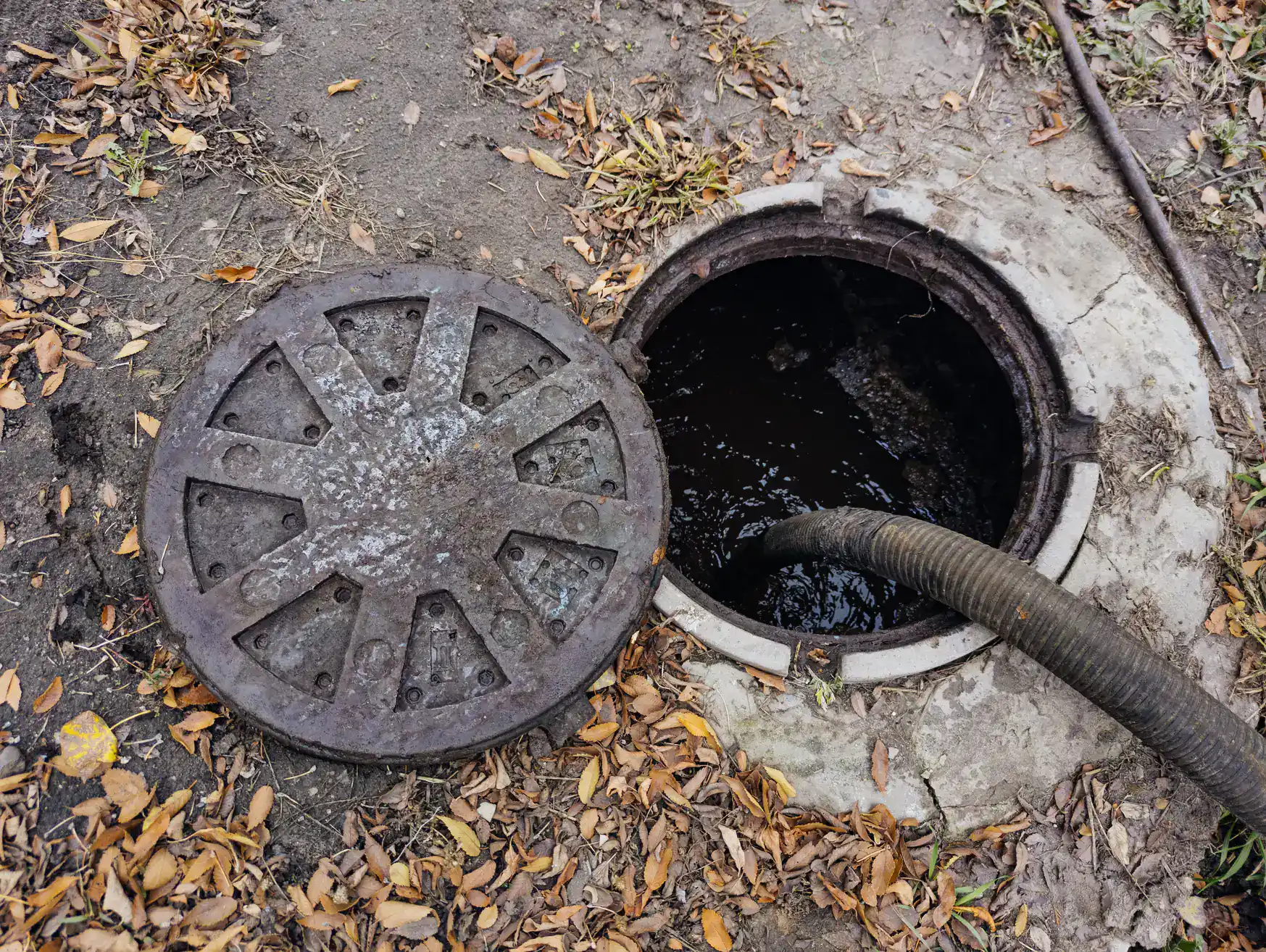
You wake up to sewage in your basement. The smell hits you first, then the reality of what you’re dealing with. This isn’t just water damage—it’s a health emergency that demands immediate professional attention.
Our sewage cleanup process eliminates dangerous bacteria like E. coli, Salmonella, and Hepatitis A from your property. We extract contaminated water, sanitize affected areas, and dry everything thoroughly to prevent mold growth. When we’re done, your space is safe for your family again.
The difference between calling us immediately and waiting? Waiting turns a manageable cleanup into structural damage, potential health problems, and thousands more in repair costs. We respond 24/7 because sewage doesn’t wait for business hours.
We’ve served Parkside and Long Island communities for years, handling everything from minor backups to major sewage emergencies. We understand the unique challenges Long Island properties face—from aging sewer systems to heavy rainfall that overwhelms municipal systems.
Our technicians aren’t just trained in sewage cleanup; they’re certified in safety protocols that protect both your property and our team. We follow strict environmental regulations because cutting corners on sewage cleanup isn’t just unprofessional—it’s dangerous.
When your neighbors in Parkside face sewage emergencies, they call us because we’ve proven we can handle the worst situations safely and completely. Your property gets the same attention whether it’s a small backup or a major disaster.
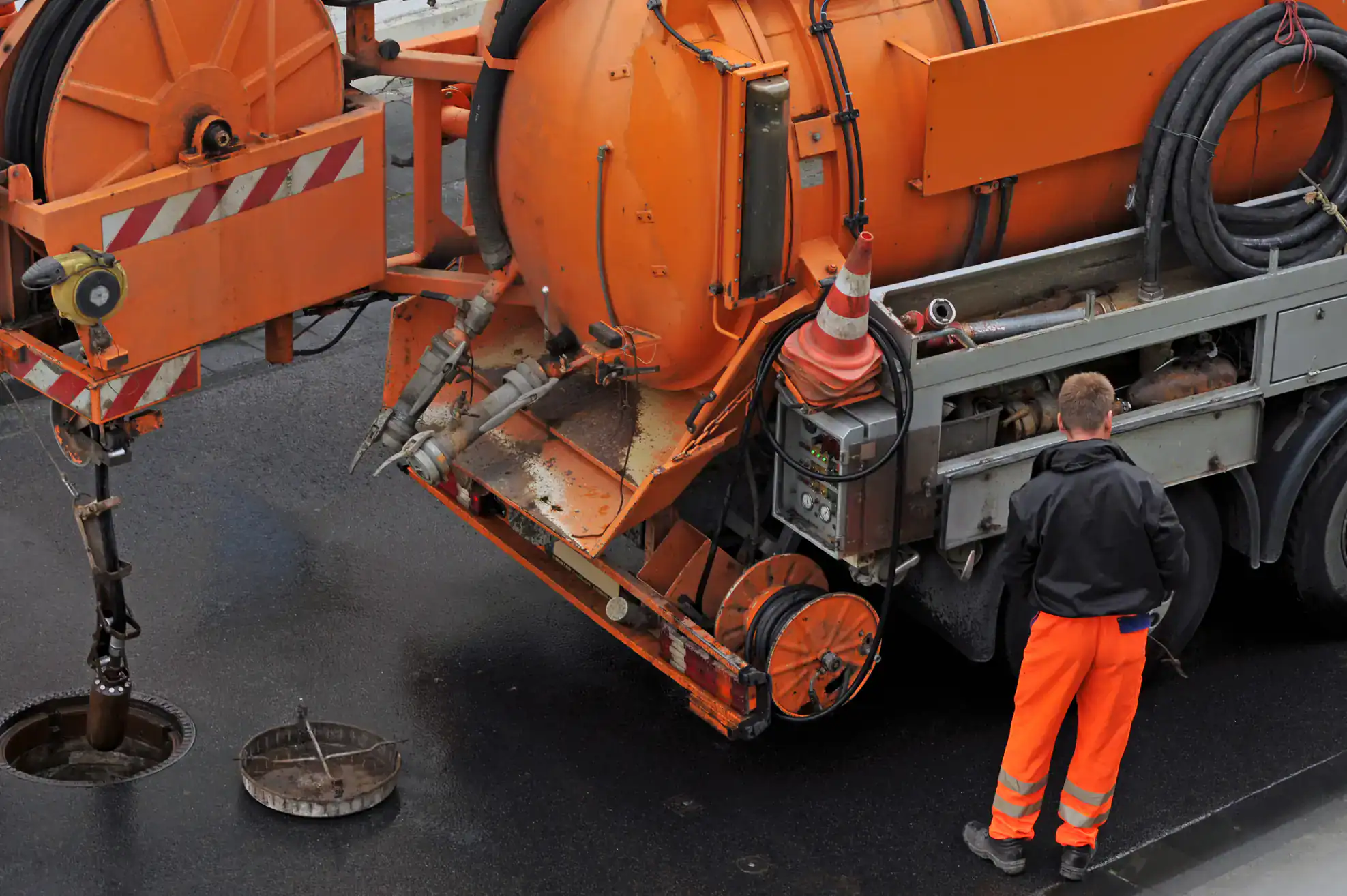
First, we assess the extent of contamination and identify safety hazards. Our team arrives with professional-grade protective equipment and truck-mounted extraction units designed specifically for sewage removal.
We extract all contaminated water and remove damaged materials that can’t be properly sanitized. Next comes thorough cleaning with hospital-grade disinfectants that eliminate bacteria, viruses, and parasites. Every surface gets treated, not just the obvious areas.
Finally, we set up industrial drying equipment to remove moisture from walls, floors, and structural materials. This prevents mold growth and ensures your property is completely restored. We monitor moisture levels until everything meets industry standards for safe occupancy.
Sewage cleanup in Parkside requires understanding local conditions. Many homes here have basements that are particularly vulnerable to backups during heavy rains. Older sewer lines in established neighborhoods can fail without warning, sending raw sewage into finished basements and living spaces.
Our service includes water extraction using powerful pumps, structural drying with commercial dehumidifiers, complete deodorization to eliminate lingering smells, and minor repairs to restore your property. We also coordinate with your insurance company to document damage properly.
Long Island’s humid climate makes thorough drying critical. Moisture left behind creates perfect conditions for mold growth, which can start within 24-48 hours. Our monitoring equipment ensures every hidden pocket of moisture is eliminated before we consider the job complete.
How quickly should I call for professional sewage cleanup in Parkside?
Call immediately—within the first hour if possible. Sewage contains dangerous bacteria like E. coli, Salmonella, and Hepatitis A that multiply rapidly in contaminated materials. The longer you wait, the deeper these pathogens penetrate into porous surfaces like drywall and flooring.
Toxic gases from sewage backup can cause respiratory problems and headaches. If you smell sewage in your home, evacuate the area and call professionals right away. Attempting cleanup yourself without proper equipment puts your health at serious risk.
Every hour of delay also increases property damage. What starts as surface contamination becomes structural damage requiring expensive repairs and replacement of materials that could have been saved with immediate professional intervention.
What health risks does sewage backup pose to my family?
Sewage exposure can cause gastroenteritis, typhoid fever, dysentery, and leptospirosis. Children and elderly family members face higher risks due to weaker immune systems. Even brief contact with contaminated water can cause skin infections and eye irritation.
Airborne contaminants from sewage create respiratory hazards, especially for family members with asthma or chronic breathing conditions. Hydrogen sulfide gas from sewage can cause nausea, headaches, and lung damage with prolonged exposure.
The contamination doesn’t stop when visible water is removed. Bacteria and viruses remain in porous materials, creating ongoing health risks until professional sanitization eliminates all pathogens. This is why proper cleanup requires specialized equipment and training.
Can I clean up sewage backup myself to save money?
Attempting DIY sewage cleanup puts your health in serious danger and often costs more in the long run. Sewage contains Category 3 contamination—the most dangerous level—requiring specialized equipment, protective gear, and disinfectants not available to consumers.
Without proper extraction equipment, moisture remains trapped in walls and subfloors, leading to mold growth and structural damage. Regular household cleaners can’t eliminate sewage-borne pathogens, leaving your family exposed to ongoing health risks.
Insurance companies often require professional documentation for sewage damage claims. DIY cleanup can void coverage and leave you responsible for thousands in damages that professional restoration would have prevented. The initial cost of professional service is always less than dealing with health problems and structural repairs later.
How long does professional sewage cleanup take in Parkside homes?
Most sewage cleanup projects take 3-5 days depending on the extent of contamination and affected materials. We begin extraction and sanitization immediately, but complete drying requires 72 hours minimum with industrial equipment running continuously.
Parkside’s older homes often have basements with concrete floors and finished walls that absorb contamination deeply. These materials need extended drying time to prevent mold growth. We use moisture meters to verify safe levels before removing equipment.
The timeline also depends on what materials need replacement. Carpet and padding always require disposal after sewage contact. Drywall may need replacement if contamination wicks up more than two feet. We’ll give you a clear timeline after initial assessment.
Will my insurance cover sewage backup cleanup costs?
Coverage depends on your specific policy and what caused the backup. Many standard homeowner’s policies exclude sewer backup unless you purchased additional coverage. However, if the backup resulted from a covered event like burst pipes, you may have coverage.
We work directly with insurance companies to document damage properly and provide detailed estimates. Our technicians photograph all affected areas and create moisture maps that insurance adjusters need for claim processing.
Even without insurance coverage, professional cleanup costs less than dealing with health problems, mold remediation, and structural repairs that result from improper cleanup. We offer flexible payment options to help Parkside homeowners get their properties restored safely regardless of insurance limitations.
What causes sewage backups in Parkside area homes?
Parkside’s established neighborhoods have aging sewer lines that can crack or collapse, causing backups into homes. Tree roots from mature landscaping often infiltrate old clay pipes, creating blockages that force sewage back through floor drains and toilets.
Heavy rainfall overwhelms municipal sewer systems, especially during storms when stormwater and sewage share the same pipes. When the system can’t handle volume, sewage backs up into the lowest points—typically basements in our area.
Grease buildup and flushed items like wipes create blockages in main sewer lines. Even if you’re careful about what goes down your drains, problems upstream can affect your property. Regular sewer line inspections can identify potential problems before they become emergencies requiring extensive cleanup.