I needed a professional consultation explanation of procedure for safe removal of Asbestos in my apartment complex. Without having an account yet, I was very impressed with the caring, knowledgeable and generous advice offered by Jessica, and will look forward to doing business in the future. Thank you so much! I feel much more informed about a sometimes scary endeavor. Peace. Nancy Silva Mineola, NY.
Mia Munoz
Used this company to clean up some water flood in my house. They were fast and easy to work with.very professional, Would recommend to anyone!
Nini Valle
Great company, had a flood and they responded quickly and efficiently. Billed my insurance company directly. I highly recommend this company!
joe colapietro, jr
I had pipe freeze in my basement right before a snow storm and they made to within an hour to help start the clean up process. They we by our side throughout the entire process and even helped with the insurance company. They did such a great job with the cleanup, repair, remidiation, I contracted them to perform the repairs and finishes in the basement. They came with enough manpower and material to get the job done. Leo and Jessica were nothing but a pleasure to deal with!!
Cristian Arredondo c
I had some water damage in my home and Green Island was able to take care of my issue quickly and effectively. I am very pleased with the work they did. They responded quickly and were very professional.
Michael M
Outstanding service! From the office to the field crew everyone was friendly, helpful and responsive. I highly recommend Green Island Group.
You walk back into a home that’s completely safe for your family. The smell is gone. The contamination is eliminated. Your floors, walls, and belongings are either restored or properly replaced.
No more worrying about hidden bacteria or mold growing behind your walls. No more stress about whether the cleanup was thorough enough. Your insurance paperwork is handled, and you can focus on getting back to your normal routine.
The difference between professional sewage cleanup and trying to handle it yourself isn’t just about convenience—it’s about your family’s health and your property’s long-term safety.
Green Island Group has been handling sewage emergencies across Long Island and the five boroughs for years. We understand what Rosedale homeowners face—aging infrastructure, combined storm and sewer systems, and the flooding issues that residents know all too well.
Our certified technicians have seen every type of sewage backup situation. From basement flooding during heavy rains to main line blockages caused by tree roots, we respond to Rosedale properties within an hour, 24/7.
We’re not just another restoration company. We’re your neighbors who understand that sewage emergencies don’t wait for business hours, and neither do we.
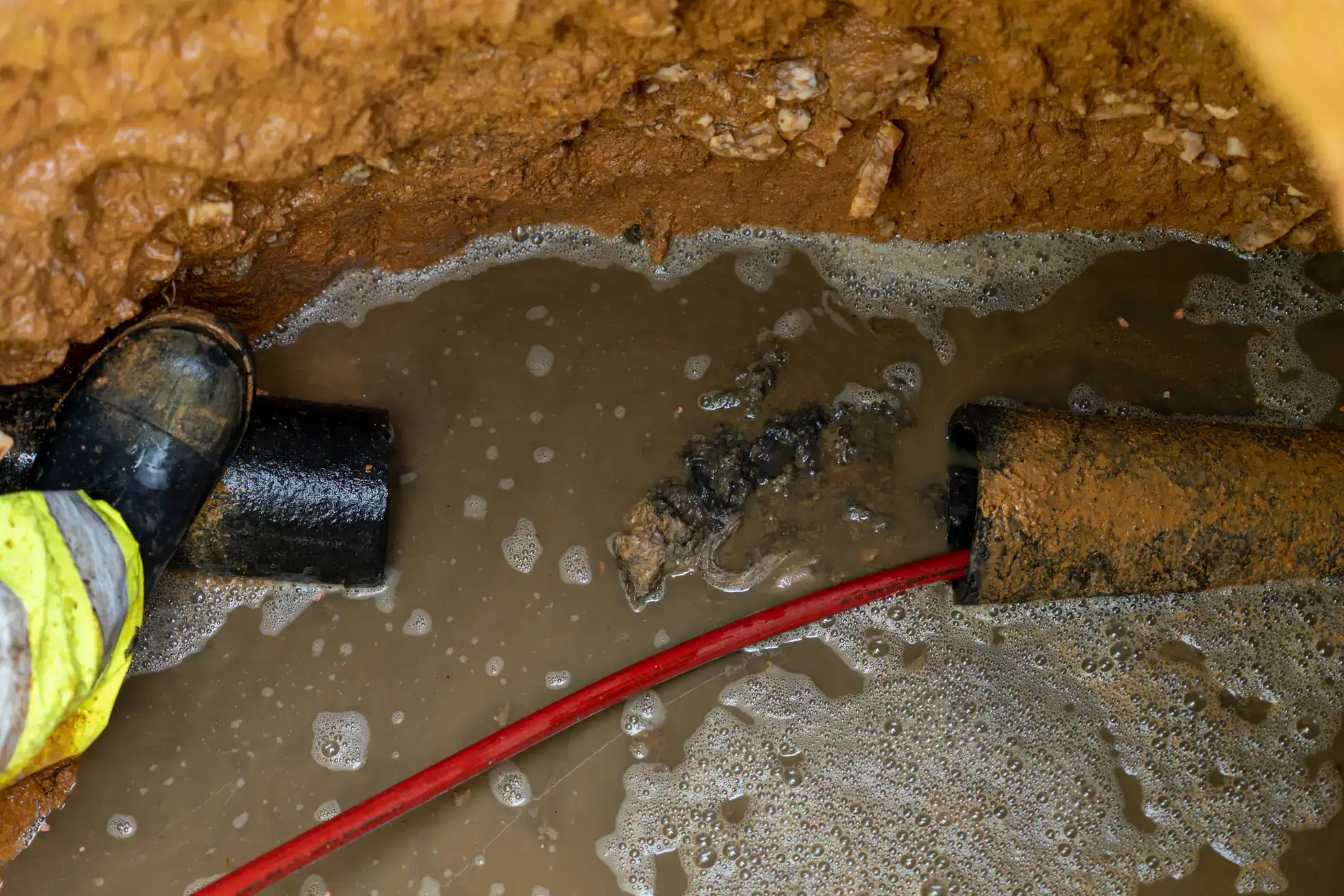
First, we assess the contamination level and identify all affected areas—including places you might not see. Our technicians use advanced moisture detection equipment to find hidden water behind walls and under floors.
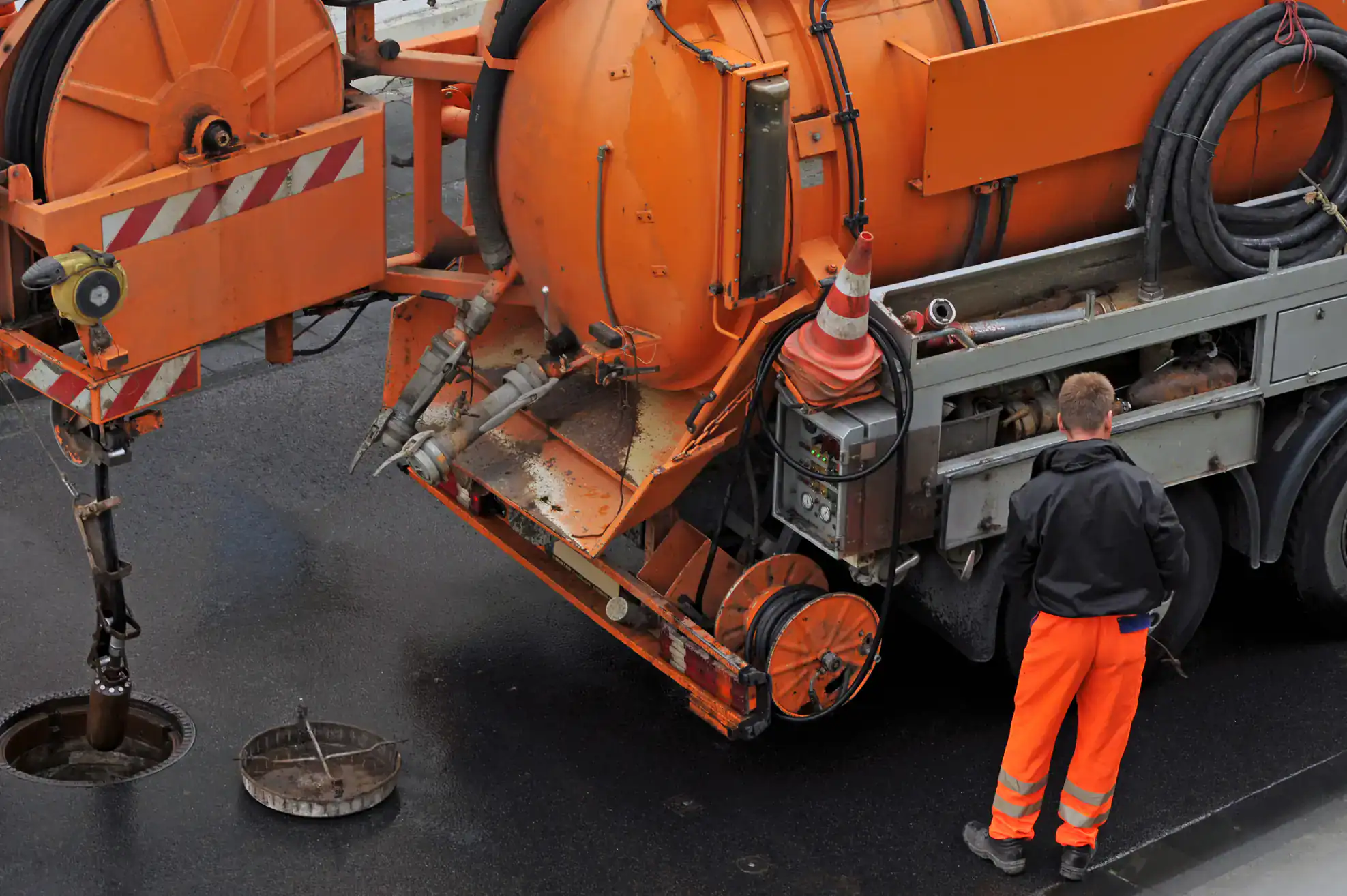
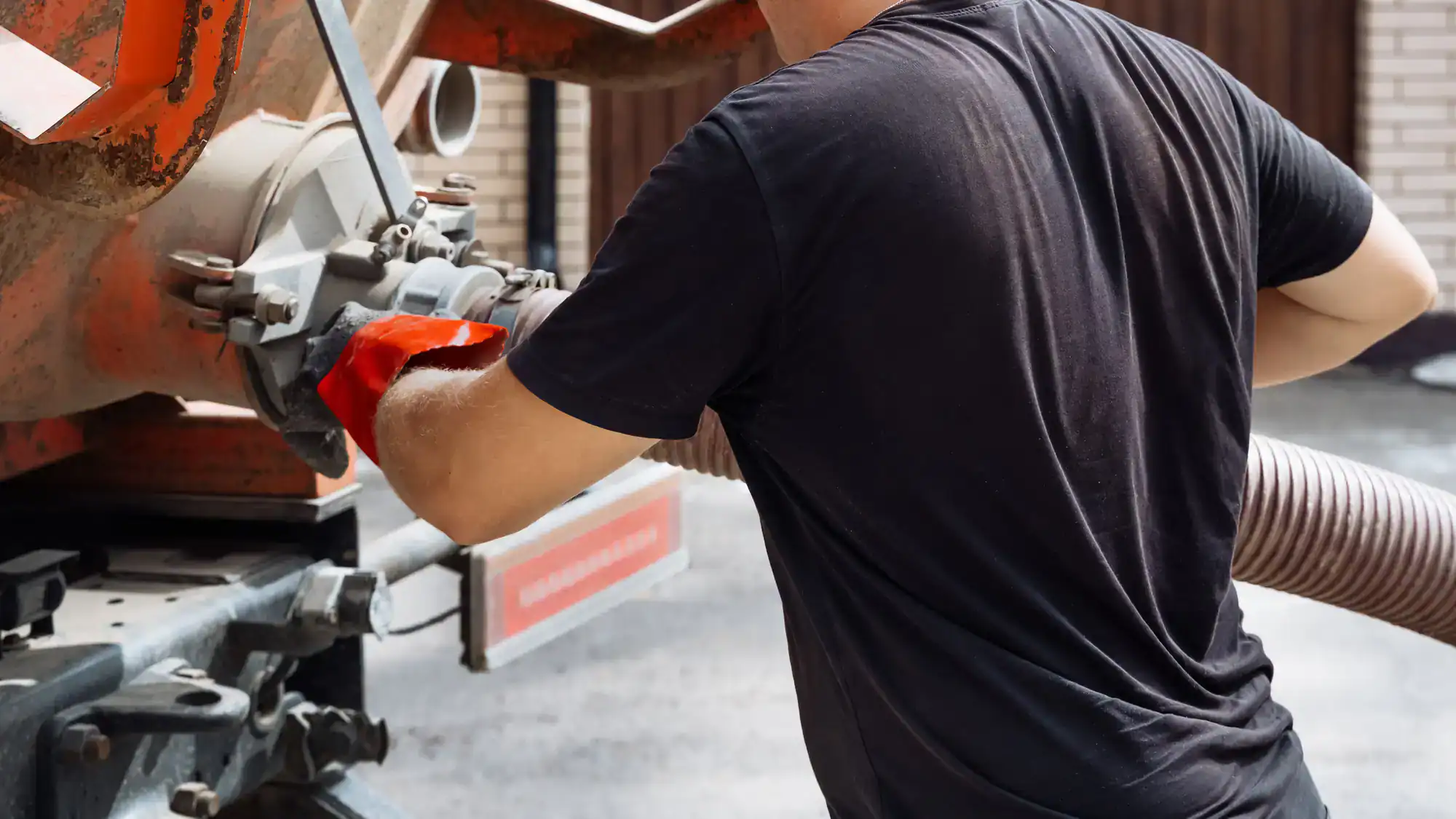
Next comes the extraction and removal phase. We remove all contaminated water and materials using powerful truck-mounted equipment. Everything that can’t be safely cleaned gets properly disposed of according to EPA guidelines.
Then we begin structural drying with industrial-grade dehumidifiers and air movers. This isn’t just about removing visible water—we’re preventing the mold growth that can start within 24 hours. Finally, we sanitize every surface and restore your property to its pre-damage condition, documenting everything for your insurance claim.
Your sewage cleanup service includes complete water extraction, structural drying, deodorization, and sanitization. We handle everything from initial assessment to final restoration, including any minor repairs needed.
In Rosedale, we often deal with sewage backups caused by the area’s aging sewer infrastructure—much of Queens’ sewer system is over 60 years old. We also see frequent issues during heavy rains when the combined storm and sewage systems get overwhelmed.
Our local experience means we know which Rosedale properties are most vulnerable to repeat issues and can recommend preventive measures. We work directly with your insurance company and provide all necessary documentation to ensure your claim is processed smoothly.
How quickly can you respond to a sewage emergency in Rosedale?
We typically arrive at Rosedale properties within one hour of your call, 24 hours a day. Time is critical with sewage backups because harmful bacteria multiply rapidly, and mold can begin growing within 24-48 hours.
Our emergency response team is always on standby with fully equipped trucks ready to handle any size sewage cleanup. We understand that sewage emergencies are stressful and potentially dangerous, which is why we prioritize immediate response to protect your family’s health and minimize property damage.
Is it safe for my family to stay in the house during sewage cleanup?
No, you should evacuate the affected areas immediately and avoid contact with contaminated surfaces. Raw sewage contains harmful bacteria, viruses, and parasites that can cause serious illnesses including Hepatitis A, E. coli, and Giardia.
Our certified technicians wear full protective equipment and follow strict safety protocols during cleanup. We’ll let you know when it’s safe to return to your home—typically after all contaminated materials are removed, the area is thoroughly sanitized, and proper drying is complete. Your family’s safety is our top priority throughout the entire process.
Will my homeowner's insurance cover sewage cleanup in Rosedale?
Coverage depends on the cause of the sewage backup and your specific policy. Most standard homeowner’s policies cover sudden, accidental sewage backups from internal plumbing failures, but may exclude backups from municipal sewer system overflows or flooding.
We work directly with insurance companies and provide detailed documentation of all damage and cleanup activities. Our team will help you understand your coverage and ensure all necessary paperwork is submitted correctly. We can often bill your insurance company directly, reducing your out-of-pocket expenses and paperwork burden.
What causes most sewage backups in Rosedale specifically?
In Rosedale, we commonly see sewage backups caused by tree root intrusion into aging sewer lines, blockages from grease and debris, and system overflows during heavy rains. Much of the area’s sewer infrastructure is over 60 years old, making it more prone to cracks and blockages.
The combined storm and sewer system in NYC can become overwhelmed during heavy rainfall, causing sewage to back up through floor drains. We also see issues with private sewer laterals—the pipes connecting your home to the main sewer line—which homeowners are responsible for maintaining. Regular maintenance and proper disposal habits can prevent many of these issues.
How do you prevent mold growth after sewage cleanup?
Preventing mold growth requires thorough moisture removal and proper drying techniques. We use industrial-grade dehumidifiers, air movers, and moisture detection equipment to ensure all affected materials are completely dried, not just surface-level.
Our technicians monitor moisture levels throughout the drying process and don’t consider the job complete until readings return to normal levels. We also remove and dispose of any porous materials that can’t be properly sanitized, such as carpet padding or drywall that’s been saturated. This comprehensive approach prevents mold growth and ensures your home is safe for reoccupation.
What's the difference between sewage cleanup and regular water damage restoration?
Sewage cleanup involves contaminated water (called “black water”) that contains harmful bacteria, viruses, and parasites, requiring specialized handling and disposal procedures. Regular water damage typically involves clean water from sources like burst pipes or roof leaks.
Sewage cleanup requires more extensive safety precautions, specialized equipment, and often the removal of more materials that can’t be safely cleaned. Our technicians are specifically trained in biohazard cleanup and follow EPA guidelines for handling contaminated materials. The sanitization process is also much more intensive, using hospital-grade disinfectants to eliminate all health hazards before restoration begins.