I needed a professional consultation explanation of procedure for safe removal of Asbestos in my apartment complex. Without having an account yet, I was very impressed with the caring, knowledgeable and generous advice offered by Jessica, and will look forward to doing business in the future. Thank you so much! I feel much more informed about a sometimes scary endeavor. Peace. Nancy Silva Mineola, NY.
Mia Munoz
Used this company to clean up some water flood in my house. They were fast and easy to work with.very professional, Would recommend to anyone!
Nini Valle
Great company, had a flood and they responded quickly and efficiently. Billed my insurance company directly. I highly recommend this company!
joe colapietro, jr
I had pipe freeze in my basement right before a snow storm and they made to within an hour to help start the clean up process. They we by our side throughout the entire process and even helped with the insurance company. They did such a great job with the cleanup, repair, remidiation, I contracted them to perform the repairs and finishes in the basement. They came with enough manpower and material to get the job done. Leo and Jessica were nothing but a pleasure to deal with!!
Cristian Arredondo c
I had some water damage in my home and Green Island was able to take care of my issue quickly and effectively. I am very pleased with the work they did. They responded quickly and were very professional.
Michael M
Outstanding service! From the office to the field crew everyone was friendly, helpful and responsive. I highly recommend Green Island Group.
You walk back into a home that doesn’t smell like a sewer. Your family can safely use the basement again without worrying about contaminated surfaces or lingering bacteria.
The standing water is gone, the floors are dry, and the air smells normal. No more holding your breath when you go downstairs. No more wondering if your kids are safe playing in areas that were flooded with sewage.
Your property value stays intact because the cleanup was done right the first time. Insurance claims get processed smoothly because we document everything properly and work directly with your adjuster.
We’ve been cleaning up sewage disasters throughout Queens for years. We know how Saint Albans’ older sewer systems fail and exactly what it takes to restore your home safely.
Your neighbors call us because we show up fast, work clean, and don’t leave until the job is completely finished. We’ve seen every type of backup this area produces – from simple toilet overflows to full basement floods.
We’re not the cheapest option, and that’s intentional. You’re dealing with dangerous contamination that requires proper equipment, certified techniques, and materials that actually eliminate health risks instead of just masking odors.
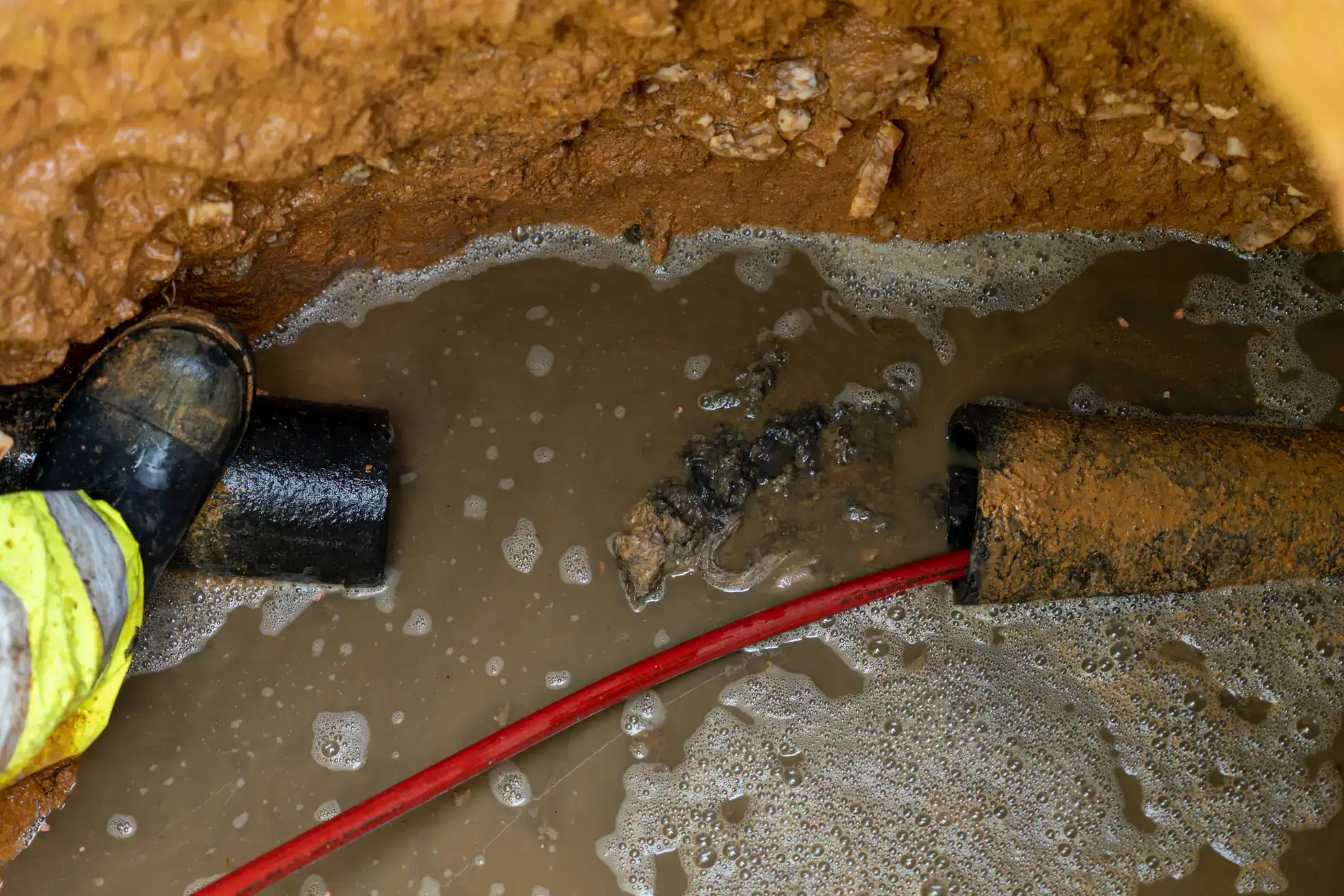
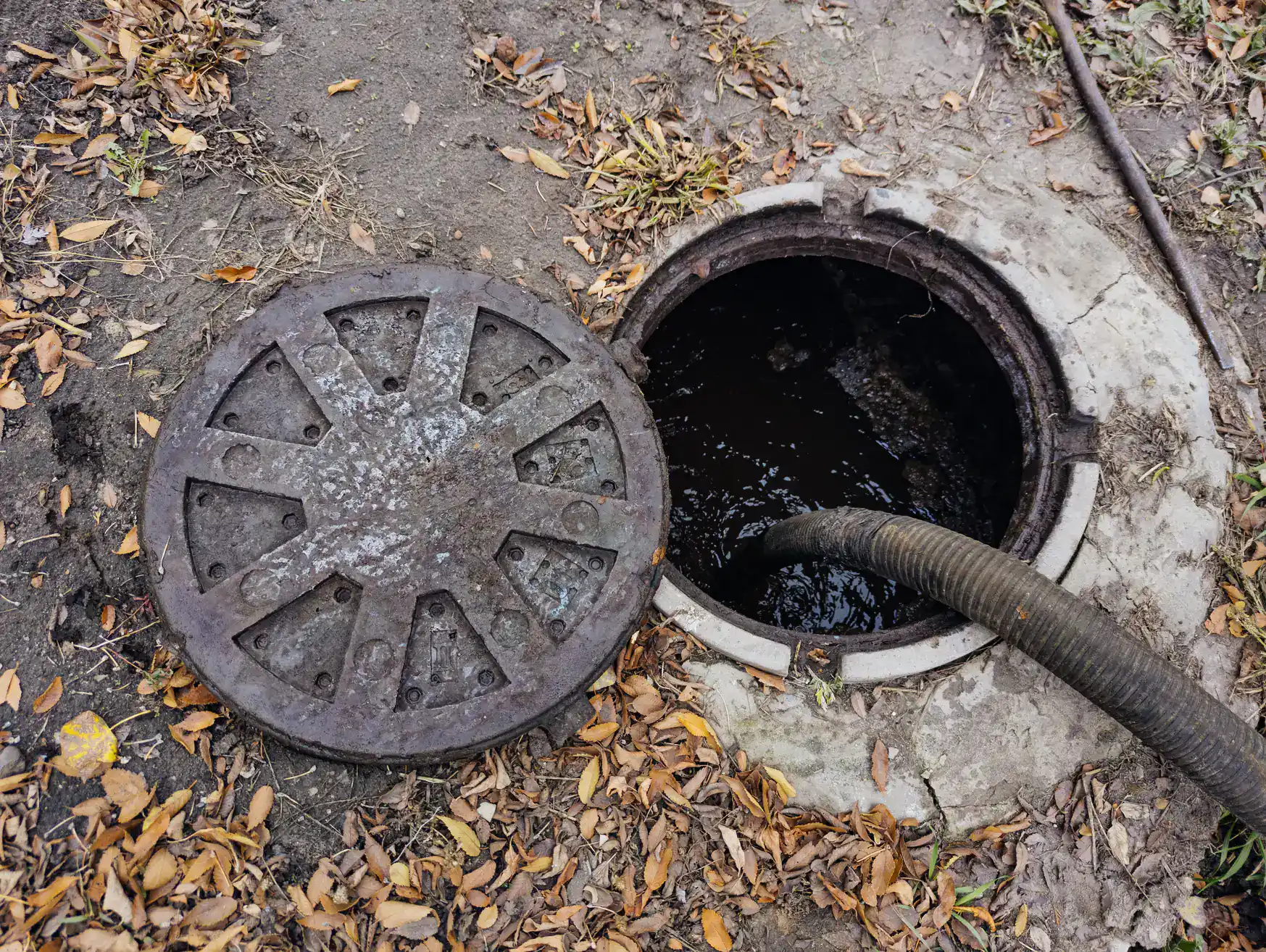
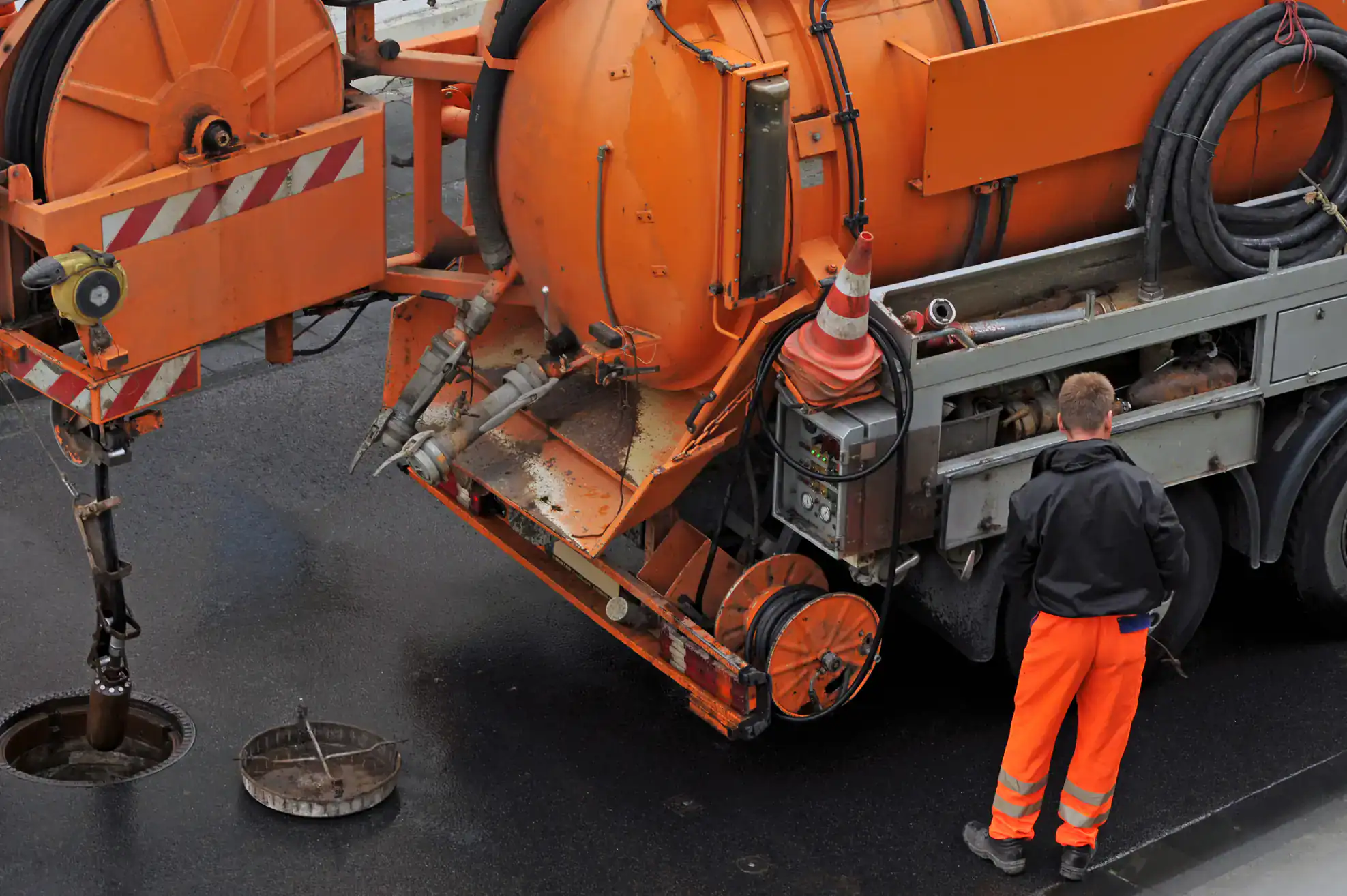
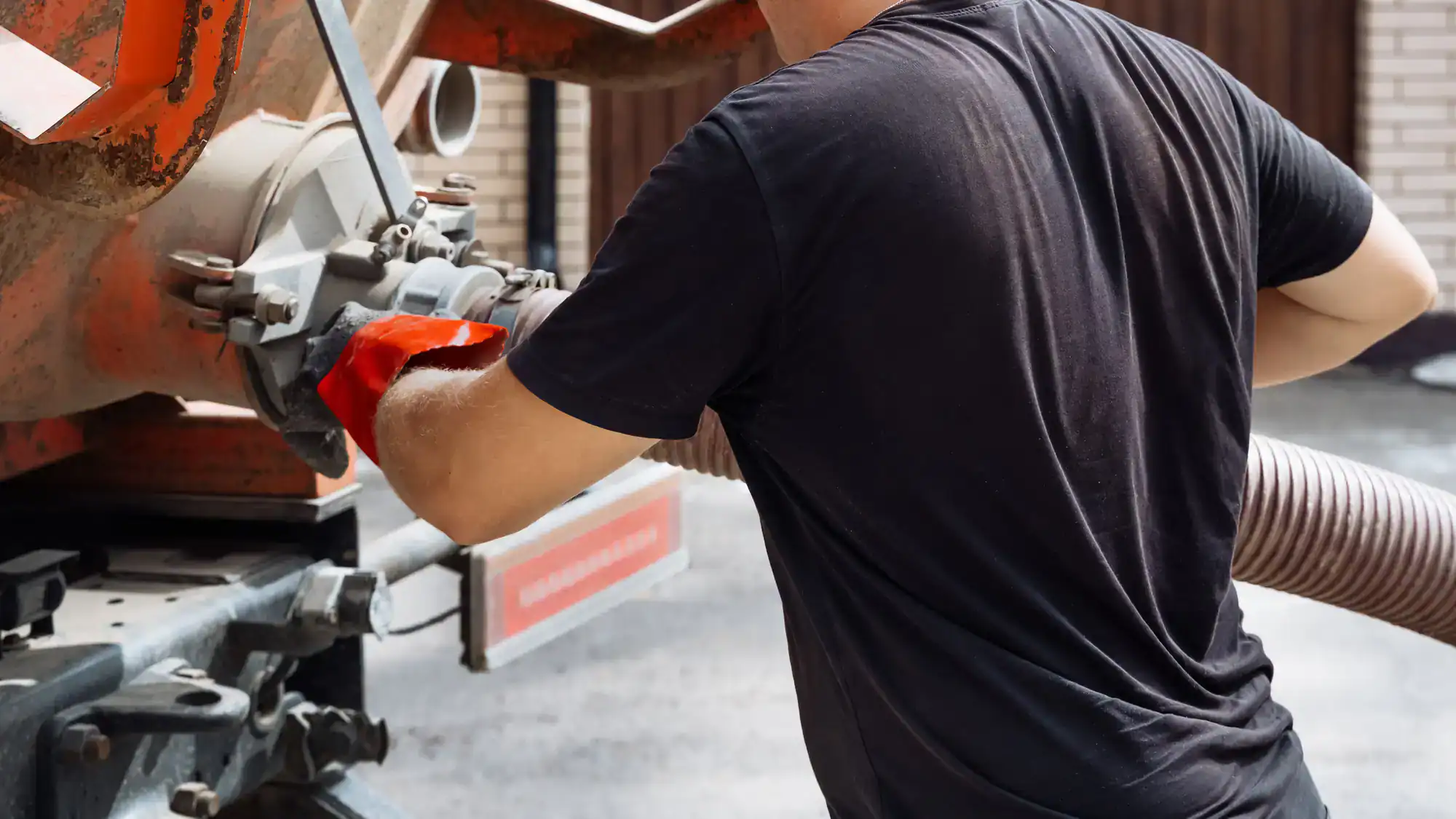
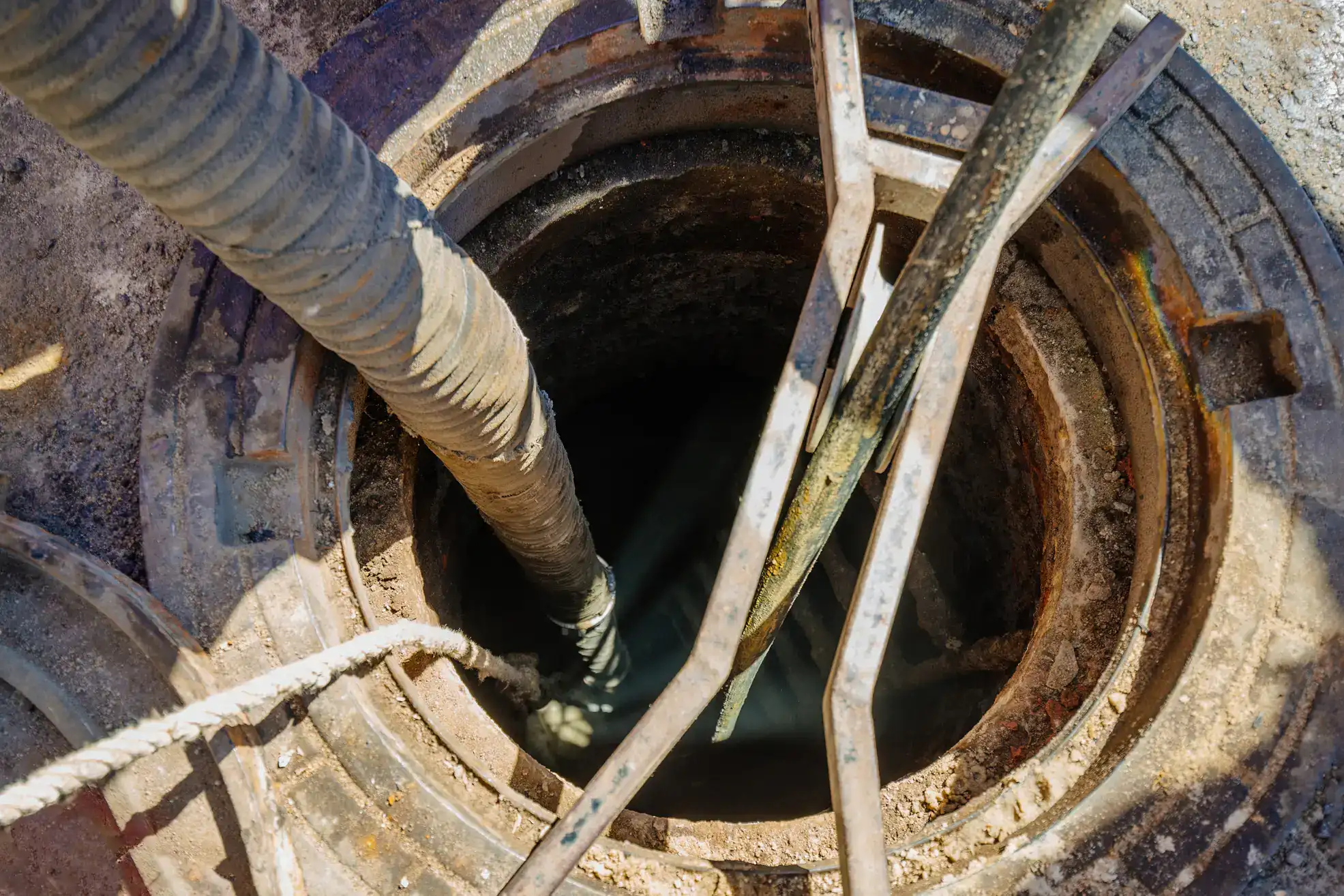
First, we contain the contaminated area and remove all standing sewage water using industrial-grade extraction equipment. This isn’t a shop vacuum job – we’re talking about pumps that can handle thick, contaminated water without spreading bacteria throughout your home.
Next comes structural drying with commercial dehumidifiers and air movers positioned strategically to pull moisture from walls, floors, and hidden spaces where mold loves to grow. We monitor moisture levels with professional meters until everything reaches safe, dry standards.
Finally, we disinfect every surface with EPA-approved antimicrobials, remove any materials that can’t be safely restored, and deodorize the space completely. You get documentation of our process for insurance purposes and peace of mind that the cleanup meets health department standards.
Our sewage cleanup includes water extraction, structural drying, deodorization, and sewage backup repairs – everything needed to restore your Saint Albans home to a safe, livable condition.
Saint Albans homes face unique challenges with aging sewer infrastructure and heavy rainfall that overwhelms the city’s storm systems. Many properties in this area were built in the 1950s with sewer lines that are now reaching the end of their useful life, making backups more frequent and severe.
We understand these local conditions and plan every cleanup accordingly. Our equipment and techniques are specifically chosen for the types of sewage problems common in Queens, from simple drain backups to major system failures that flood entire basements.
How quickly can you respond to a sewage backup in Saint Albans?
We provide 24/7 emergency response and typically arrive within 2-4 hours of your call, even during major storm events or weekends. Time is critical with sewage backups because every hour of delay increases health risks and property damage.
Our emergency hotline at 631-256-5711 connects you directly to our dispatch team who can have a crew en route while you’re still on the phone. We keep fully-equipped trucks ready specifically for these urgent situations.
During severe weather or multiple emergency calls, we prioritize based on safety risks and property damage potential, but we always communicate realistic arrival times so you know exactly when help is coming.
Is it safe to stay in my home during sewage cleanup?
It depends on the extent of contamination, but we typically recommend staying elsewhere during active cleanup of Category 3 water damage, which includes sewage backups. Raw sewage contains dangerous bacteria, viruses, and parasites that can cause serious illness through direct contact or airborne particles.
We establish containment barriers to prevent contamination from spreading to unaffected areas of your home. If the backup is contained to a basement or single room, you may be able to safely occupy other areas while we work.
Our team uses professional-grade personal protective equipment and follows strict safety protocols. We’ll assess your specific situation and give you clear guidance on whether it’s safe to remain in the home or if temporary relocation is necessary for your family’s health.
Will my homeowner's insurance cover sewage cleanup costs?
Coverage varies significantly depending on your specific policy and the cause of the backup. Most standard homeowner’s policies exclude sewer backups unless you have specific sewer backup coverage, which is typically available as an add-on endorsement.
If the backup resulted from a covered peril like a burst pipe inside your home, you may have coverage. However, backups caused by municipal sewer system failures or maintenance issues are usually excluded without specific sewer coverage.
We work directly with insurance adjusters and can help document the damage properly to support your claim. We’ll also provide detailed estimates and work within your coverage limits when possible. Many clients find that having professional documentation and restoration actually helps their claims get approved and processed faster.
How do you eliminate sewage odors completely?
Eliminating sewage odors requires more than just masking them with air fresheners. We use a multi-step deodorization process that addresses the source of odors at the molecular level.
First, we remove all contaminated materials that can’t be properly cleaned – this includes porous materials like drywall, insulation, and carpeting that have absorbed sewage. Then we clean all remaining surfaces with antimicrobial solutions that kill odor-causing bacteria.
Finally, we use professional-grade deodorization equipment including ozone generators, hydroxyl generators, or thermal fogging depending on the situation. These methods actually break down odor molecules rather than just covering them up, ensuring the smells don’t return once we’re finished.
What's the difference between sewage cleanup and regular water damage restoration?
Sewage cleanup involves Category 3 water, which is heavily contaminated with bacteria, viruses, and other dangerous pathogens. This requires specialized equipment, cleaning agents, and safety protocols that go far beyond standard water damage restoration.
Regular water damage from clean sources like burst pipes or roof leaks can often be dried and restored with minimal material removal. Sewage contamination requires us to remove and dispose of any porous materials that contacted the sewage, use EPA-registered disinfectants, and follow strict containment procedures.
Our technicians wear full protective gear during sewage cleanup and use negative air pressure systems to prevent contaminated particles from spreading. The entire process takes longer and costs more than clean water restoration, but it’s the only way to ensure your home is truly safe for occupancy afterward.
How can I prevent future sewage backups in my Saint Albans home?
Prevention starts with understanding what causes backups in older neighborhoods like Saint Albans. Avoid flushing anything except toilet paper and human waste – no wipes, feminine products, or “flushable” items that actually clog pipes.
Don’t pour grease, oils, or food scraps down kitchen drains, as these create blockages in your home’s lines and the municipal system. Have your sewer line inspected every few years, especially if your home was built before 1970, to catch tree root intrusion or pipe deterioration early.
Consider installing a backwater valve if you’re in a low-lying area prone to backups during heavy rains. This device prevents sewage from flowing back into your home when the municipal system gets overwhelmed. While it requires a plumbing permit and professional installation, it can save you from repeated cleanup costs and health risks.