I needed a professional consultation explanation of procedure for safe removal of Asbestos in my apartment complex. Without having an account yet, I was very impressed with the caring, knowledgeable and generous advice offered by Jessica, and will look forward to doing business in the future. Thank you so much! I feel much more informed about a sometimes scary endeavor. Peace. Nancy Silva Mineola, NY.
Mia Munoz
Used this company to clean up some water flood in my house. They were fast and easy to work with.very professional, Would recommend to anyone!
Nini Valle
Great company, had a flood and they responded quickly and efficiently. Billed my insurance company directly. I highly recommend this company!
joe colapietro, jr
I had pipe freeze in my basement right before a snow storm and they made to within an hour to help start the clean up process. They we by our side throughout the entire process and even helped with the insurance company. They did such a great job with the cleanup, repair, remidiation, I contracted them to perform the repairs and finishes in the basement. They came with enough manpower and material to get the job done. Leo and Jessica were nothing but a pleasure to deal with!!
Cristian Arredondo c
I had some water damage in my home and Green Island was able to take care of my issue quickly and effectively. I am very pleased with the work they did. They responded quickly and were very professional.
Michael M
Outstanding service! From the office to the field crew everyone was friendly, helpful and responsive. I highly recommend Green Island Group.
Picture walking back into a home that’s not just clean—it’s genuinely safe. The smell is completely gone, the health risks are eliminated, and your family can breathe easy again.
No lingering worries about bacteria hiding in corners or mold developing behind walls. Your basement floor is dry, your air is fresh, and everything feels like home again.
That’s what happens when sewage cleanup is done right the first time, with the equipment and expertise that actually eliminates the problem instead of just masking it.
We’ve been handling sewage emergencies across Suffolk County for years, and we know exactly what Stony Brook homeowners face when disaster strikes.
Many homes in your area were built in the 1950s, which means aging sewer lines and infrastructure that can fail without warning. We’ve cleaned up after tree roots breaking through old pipes, heavy rains overwhelming the system, and everything in between.
What sets us apart is straightforward: we show up fast, work safely, and don’t leave until your home is actually restored, not just “cleaned up.”
First, we assess the situation and identify any immediate safety concerns—then we get to work stopping the source if possible and containing the damage.
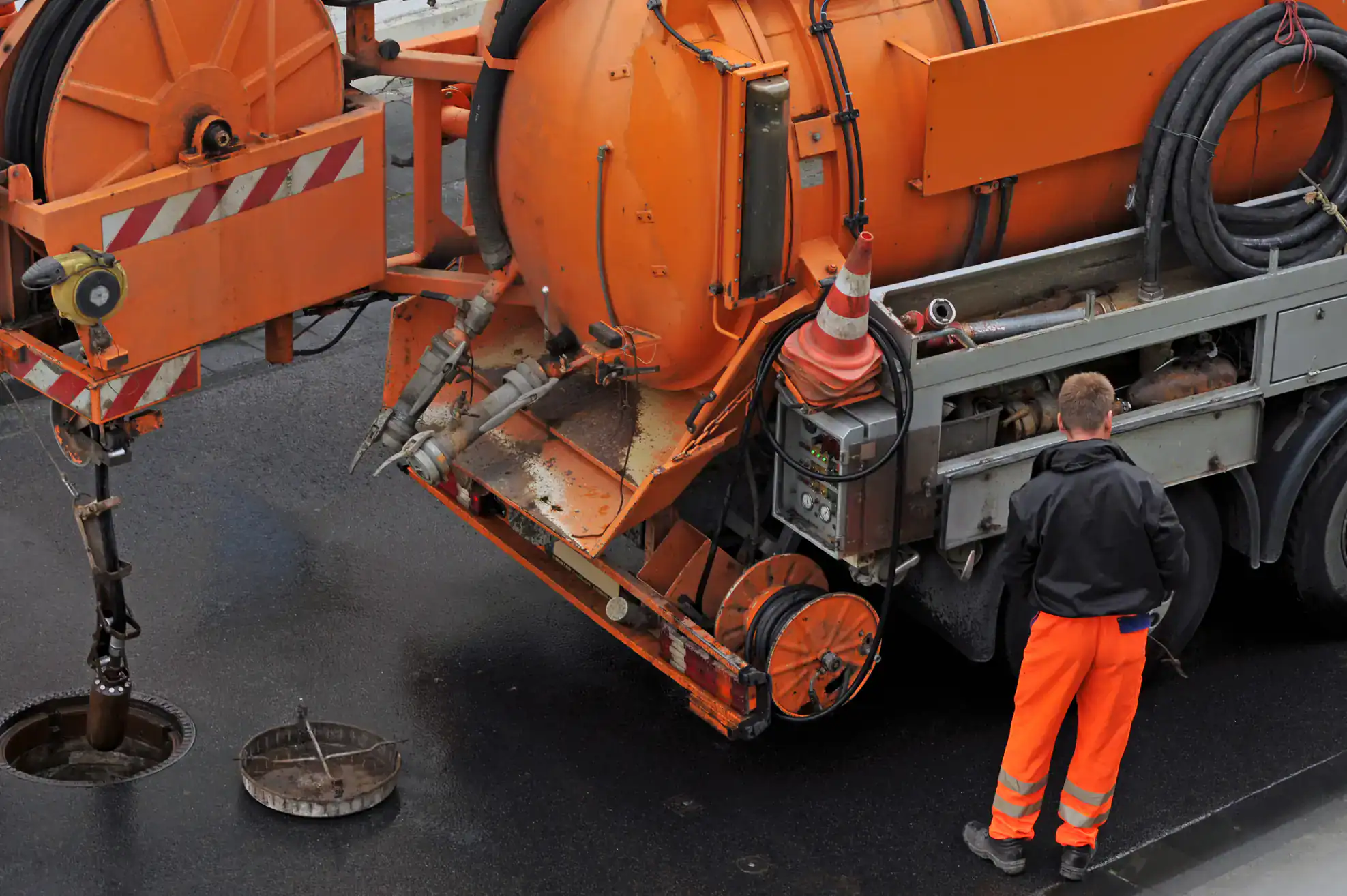
Next comes the removal phase: all contaminated water gets extracted using our powerful truck-mounted equipment, and any materials that can’t be safely cleaned get removed from your property.
Finally, we sanitize everything with EPA-approved disinfectants, dry the structure completely to prevent mold, and deodorize to eliminate any lingering odors. You’re left with a home that’s not just clean, but genuinely safe for your family.
Everything Included in Professional Sewage Cleanup
Our sewage cleanup service covers everything from the initial emergency response to the final restoration. You get water extraction, structural drying, complete sanitization, and deodorization—all handled by our trained professionals with the right equipment.
In Stony Brook, we often deal with basement backups because many homes have floor drains that become the lowest point when sewer lines get overwhelmed. We understand how your home’s layout affects the cleanup process and what it takes to get everything properly dried and sanitized.
We also handle all the documentation you need for insurance claims, work directly with your insurance company when possible, and provide the kind of thorough cleanup that actually passes inspection. This isn’t about quick fixes—it’s about making your home safe and livable again.
How quickly can you respond to a sewage backup emergency in Stony Brook?
We’re available 24/7 for sewage emergencies and typically arrive within an hour of your call. Sewage cleanup is genuinely time-sensitive—the longer contaminated water sits in your home, the more damage it causes and the higher your health risks become.
Our rapid response isn’t just about convenience. Within hours, sewage can start soaking into walls, floors, and structural materials, turning a manageable cleanup into a major restoration project. Quick action also prevents the bacterial growth that makes the health risks even more serious.
What health risks does sewage backup actually pose to my family?
Sewage contains dangerous bacteria, viruses, and pathogens that can cause serious illness through direct contact or even breathing contaminated air. We’re talking about E. coli, Salmonella, Hepatitis A, and other diseases that can put your family in the hospital.
Children and elderly family members are especially vulnerable, but anyone can get sick from exposure to sewage. Even small amounts can cause infections, gastrointestinal problems, and respiratory issues. This is why professional cleanup with proper safety equipment isn’t optional—it’s necessary to protect your family’s health.
The contaminated materials also create perfect conditions for toxic mold growth, which brings its own set of health problems including respiratory issues and allergic reactions.
Can I clean up a small sewage backup myself to save money?
We strongly advise against DIY sewage cleanup, even for what looks like a “small” backup. Raw sewage requires specialized equipment, safety gear, and sanitization techniques that most homeowners don’t have access to.
Without proper protective equipment, you’re exposing yourself to serious health risks. Without professional-grade extraction and drying equipment, you can’t remove all the contaminated water or properly dry the affected areas, which leads to mold growth and structural damage.
Most importantly, if the cleanup isn’t done correctly the first time, you’ll end up paying much more to fix the problems that develop later—like mold remediation, structural repairs, and ongoing health issues.
Will my homeowner's insurance cover professional sewage cleanup in Stony Brook?
Many homeowner’s insurance policies do cover sewage backup damage, but coverage varies depending on your specific policy and the cause of the backup. We work with insurance companies regularly and can help you understand what’s covered.
We provide all the documentation your insurance company needs, including photos, detailed reports, and itemized estimates. When possible, we bill your insurance company directly so you don’t have to pay upfront and wait for reimbursement.
The key is acting quickly and using a professional service that knows how to properly document the damage and cleanup process. Insurance companies want to see that the work was done correctly to prevent future claims.
How do you prevent mold growth after sewage cleanup?
Preventing mold after sewage cleanup requires complete moisture removal and proper drying techniques—something that can’t be done with household fans and dehumidifiers. We use industrial-grade equipment to extract all standing water and moisture from affected materials.
Our structural drying process includes specialized air movers and commercial dehumidifiers that run continuously until moisture levels return to normal. We also monitor the drying process with moisture meters to ensure everything is completely dry before we consider the job finished.
We apply antimicrobial treatments to prevent bacterial and mold growth, and we remove any materials that can’t be safely cleaned or dried. Mold can start growing within 24-48 hours in the right conditions, so this isn’t something you can handle slowly or incompletely.
What causes sewage backups in older Stony Brook homes?
Many Stony Brook homes were built in the 1950s, which means aging sewer lines that are more prone to problems. Tree roots are actually one of the biggest culprits—they grow into small cracks in old sewer pipes and eventually create major blockages.
Heavy rainfall can also overwhelm older sewer systems that weren’t designed for today’s usage patterns. When the municipal system gets overloaded, sewage backs up into the lowest drains in your home, usually starting with basement floor drains.
Other common causes include pipes clogged with grease and debris buildup, damaged or collapsed sewer lines, and simple wear and tear on connections that have been in place for decades. Regular maintenance and inspections can help prevent some of these issues, but when they do happen, quick professional response is essential.