I needed a professional consultation explanation of procedure for safe removal of Asbestos in my apartment complex. Without having an account yet, I was very impressed with the caring, knowledgeable and generous advice offered by Jessica, and will look forward to doing business in the future. Thank you so much! I feel much more informed about a sometimes scary endeavor. Peace. Nancy Silva Mineola, NY.
Mia Munoz
Used this company to clean up some water flood in my house. They were fast and easy to work with.very professional, Would recommend to anyone!
Nini Valle
Great company, had a flood and they responded quickly and efficiently. Billed my insurance company directly. I highly recommend this company!
joe colapietro, jr
I had pipe freeze in my basement right before a snow storm and they made to within an hour to help start the clean up process. They we by our side throughout the entire process and even helped with the insurance company. They did such a great job with the cleanup, repair, remidiation, I contracted them to perform the repairs and finishes in the basement. They came with enough manpower and material to get the job done. Leo and Jessica were nothing but a pleasure to deal with!!
Cristian Arredondo c
I had some water damage in my home and Green Island was able to take care of my issue quickly and effectively. I am very pleased with the work they did. They responded quickly and were very professional.
Michael M
Outstanding service! From the office to the field crew everyone was friendly, helpful and responsive. I highly recommend Green Island Group.
Picture walking back into your property after a sewage emergency. The air smells fresh. The floors are dry and clean. No trace of contamination anywhere.
You’re not wondering if hidden bacteria are lurking behind walls or if that smell will come back next week. The health hazard is completely eliminated, and your property is restored to exactly how it was before the backup happened.
This is what proper sewage cleanup looks like. Complete water extraction, thorough structural drying, and professional deodorization that actually works. You get your normal life back without the stress of wondering if the job was done right.
We’ve handled sewage emergencies throughout Manhattan for years. We understand what makes Wall Street properties different—the aging infrastructure, shared plumbing systems, and how quickly contamination spreads in high-density buildings.
Most sewage backups in Manhattan aren’t isolated incidents. When one unit has problems, it often affects hallways, adjacent spaces, or entire floors. Our technicians know how to quickly trace contamination paths and stop the spread before it gets worse.
We’ve worked in everything from pre-war office buildings to modern residential towers in the Financial District. Our local expertise means faster response times, better coordination with building management, and insurance claims that actually get approved.
We start with immediate assessment and containment. Our technicians arrive with moisture detection equipment to map the full scope of contamination—not just what’s visible, but what’s hidden behind walls and under flooring.
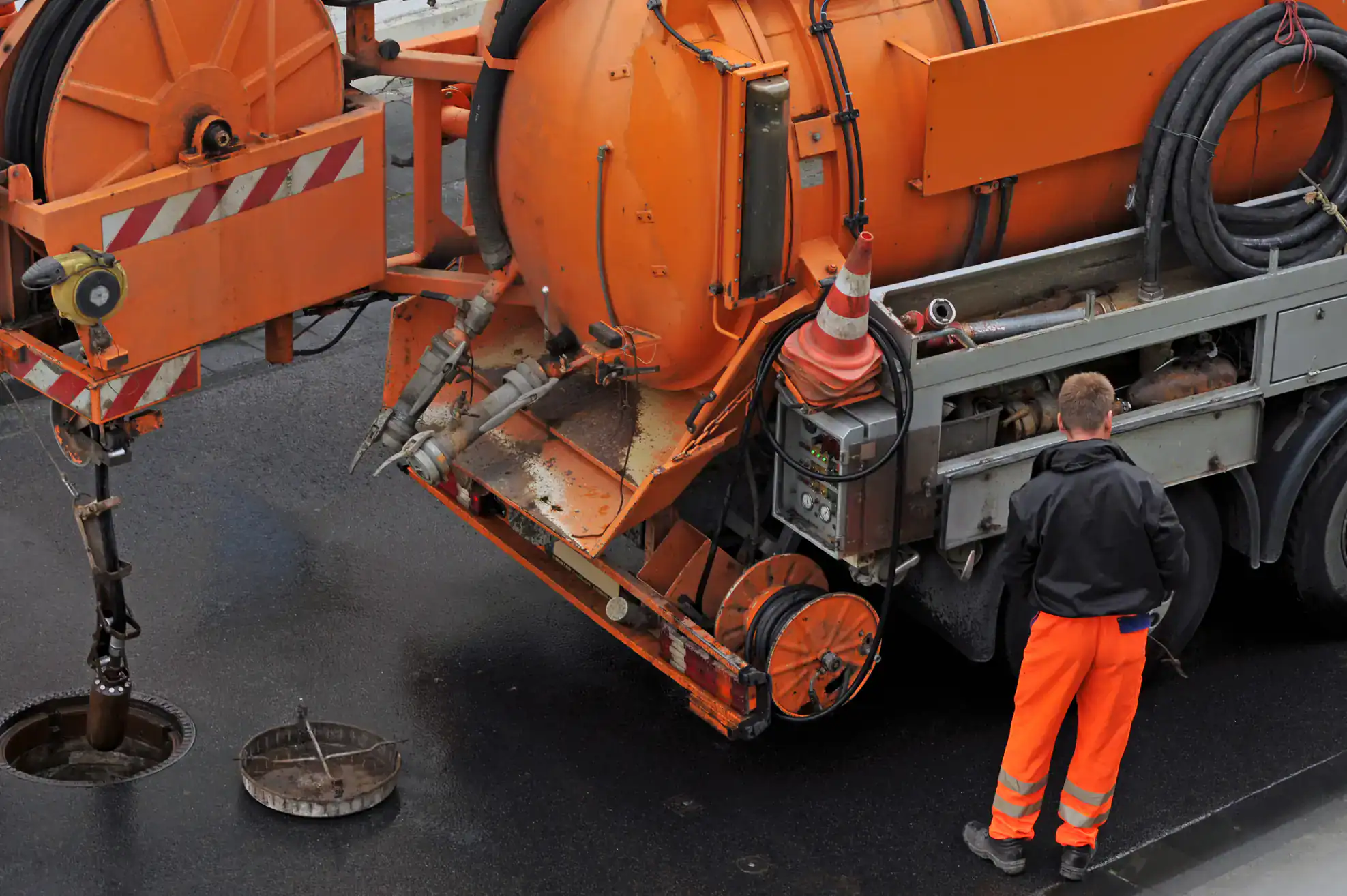
Next comes complete water extraction and sanitization. We remove all standing sewage water using powerful truck-mounted equipment, dispose of contaminated materials following NYC health codes, and apply EPA-approved disinfectants to every affected surface.
Finally, we handle structural drying and odor elimination. Industrial dehumidifiers and air movers ensure everything is completely dry to prevent mold growth. We use specialized odor neutralizers that eliminate sewage smells at the source, not just mask them. You get final documentation for insurance and our guarantee that the space is safe.
Our sewage cleanup service includes everything: emergency water extraction, structural drying, complete deodorization, biohazard disposal, and minor repairs. No hidden fees, no surprise charges, no additional contractors needed.
Wall Street’s unique infrastructure creates specific challenges. About 60% of Manhattan uses combined sewer systems where storm water and sewage share the same pipes. During heavy rains, these systems get overwhelmed and sewage backs up into buildings. We’re experienced with these citywide events and know how to handle large-scale contamination.
For commercial properties in the Financial District, we understand that downtime costs money. We work to isolate problem areas so business operations can continue. Our technicians coordinate with building management, work around business hours when possible, and provide detailed documentation for insurance claims and regulatory compliance.
How fast can you respond to sewage emergencies in Wall Street?
We typically arrive within 60 minutes of your call, 24 hours a day. Our emergency response teams are stationed throughout Manhattan specifically to minimize response times to the Financial District.
Speed matters with sewage backups because contamination spreads quickly through Manhattan’s interconnected building systems. What starts as a problem in one unit can affect entire floors within hours. Our rapid response prevents this escalation and keeps cleanup costs manageable.
When you call, you’ll speak directly with our dispatch team who can provide immediate guidance on safety precautions while our technicians are en route. We come fully equipped to start the cleanup process immediately—no delays waiting for equipment or supplies.
What makes sewage cleanup different from regular water damage restoration?
Sewage water is classified as Category 3 contaminated water, which means it contains harmful bacteria, viruses, and pathogens that create serious health risks. This requires completely different safety protocols, equipment, and disposal procedures than clean water damage.
Our technicians wear full protective equipment and follow strict biohazard handling procedures. Everything the sewage touches must either be professionally sanitized with EPA-approved disinfectants or completely removed and disposed of as hazardous waste. Regular cleaning methods aren’t sufficient.
We also use specialized air filtration equipment to remove airborne contaminants and conduct final testing to ensure no harmful microorganisms remain. The process takes longer than standard water damage restoration because health and safety can’t be compromised.
Will insurance cover sewage cleanup in my Manhattan property?
Most insurance policies cover sewage cleanup when it results from sudden plumbing failures, but coverage varies based on your specific policy and the cause of the backup. We handle the entire insurance claims process for you.
We document everything with detailed photos, moisture readings, and damage assessments that insurance adjusters need. Our experience with NYC properties means we know exactly how to present your claim for the best possible outcome. We also offer direct billing to eliminate upfront costs during your emergency.
If the backup was caused by city sewer problems, additional coverage may be available through municipal claims. We help navigate these options and ensure you get maximum coverage for your restoration costs.
How do you prevent contamination from spreading throughout the building?
We immediately establish containment barriers using plastic sheeting and negative air pressure systems to isolate the contaminated area. This prevents sewage bacteria and odors from migrating to clean spaces through ventilation systems or shared walls.
In Manhattan’s high-density buildings, contamination can spread through unexpected pathways—elevator shafts, utility chases, or shared plumbing stacks. Our technicians trace these potential routes and seal them before starting cleanup. We also monitor air quality in adjacent areas to ensure containment is effective.
For multi-story buildings, we check floors above and below the affected area because sewage can travel vertically through the building’s infrastructure. This comprehensive approach prevents cross-contamination that could affect other tenants or business operations.
What should I do immediately when I discover sewage in my property?
Call us immediately, then evacuate the contaminated area and keep everyone out until we arrive. Don’t attempt to clean sewage yourself—exposure can cause serious illness including hepatitis, E. coli infection, and other diseases.
Turn off electricity to the affected area if you can safely reach the breaker from outside the contaminated space. Take photos for insurance purposes but don’t walk through sewage water or touch contaminated surfaces. Open windows if possible to improve ventilation.
Avoid using toilets or running water in the affected area as this can worsen the backup. Don’t use fans or air conditioning that might spread contaminated air to clean areas. The faster you call for professional help, the less damage you’ll have and the lower your restoration costs will be.
How long does complete sewage cleanup take in Wall Street buildings?
Most residential sewage cleanups take 2-5 days from initial response to final clearance. Commercial properties or large-scale backups may require 5-10 days depending on the extent of contamination and building complexity.
Day one involves emergency response, water extraction, and initial sanitization. Days 2-4 focus on structural drying using industrial dehumidifiers and air movers. We monitor moisture levels continuously and won’t declare the job complete until everything meets industry standards for dryness.
For Wall Street commercial properties, we coordinate with your schedule to minimize business disruption. We can often isolate work areas and operate during off-hours. You’ll get daily progress updates and a clear timeline so you can plan accordingly.