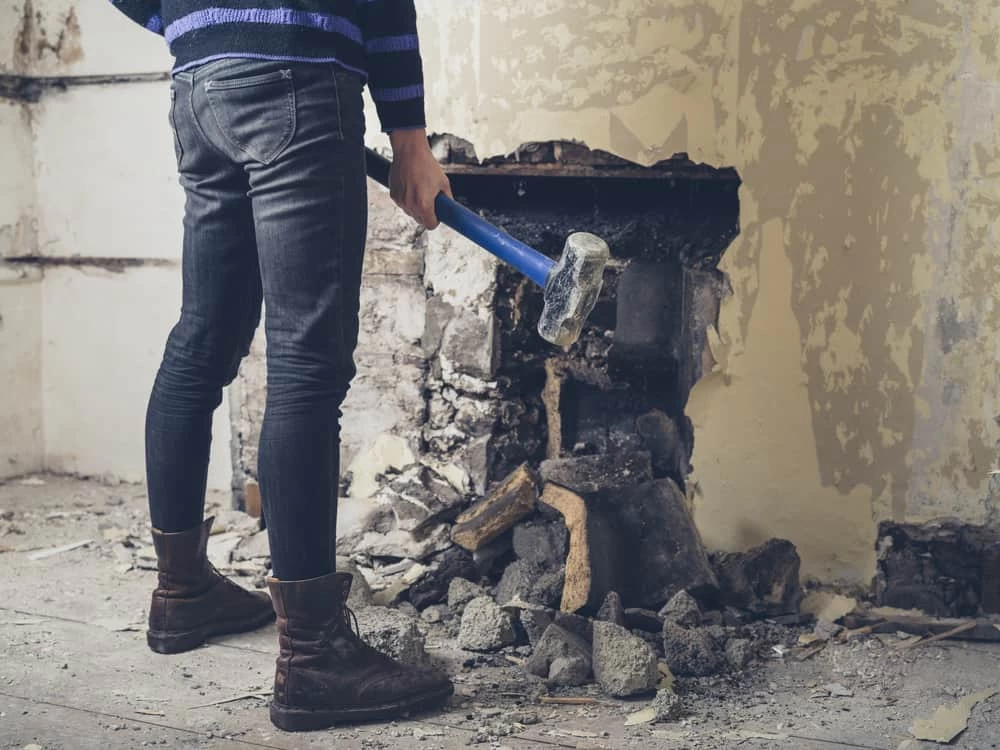
When a $900,000 Home Takes a Direct Hit, Speed and Credentials Matter
Storm damage in Albertson moves fast — and so does the clock on mold, hidden water, and structural damage hiding behind walls. We respond 24/7 with the licenses, equipment, and insurance know-how to handle all of it.
I needed a professional consultation explanation of procedure for safe removal of Asbestos in my apartment complex. Without having an account yet, I was very impressed with the caring, knowledgeable and generous advice offered by Jessica, and will look forward to doing business in the future. Thank you so much! I feel much more informed about a sometimes scary endeavor. Peace. Nancy Silva Mineola, NY.
Mia Munoz
Used this company to clean up some water flood in my house. They were fast and easy to work with.very professional, Would recommend to anyone!
Nini Valle
Great company, had a flood and they responded quickly and efficiently. Billed my insurance company directly. I highly recommend this company!
joe colapietro, jr
I had pipe freeze in my basement right before a snow storm and they made to within an hour to help start the clean up process. They we by our side throughout the entire process and even helped with the insurance company. They did such a great job with the cleanup, repair, remidiation, I contracted them to perform the repairs and finishes in the basement. They came with enough manpower and material to get the job done. Leo and Jessica were nothing but a pleasure to deal with!!
Cristian Arredondo c
I had some water damage in my home and Green Island was able to take care of my issue quickly and effectively. I am very pleased with the work they did. They responded quickly and were very professional.
Michael M
Outstanding service! From the office to the field crew everyone was friendly, helpful and responsive. I highly recommend Green Island Group.
What Getting It Right Actually Looks Like for Albertson Homeowners
When a Nor’easter drops a mature oak through your roof on Willis Avenue at midnight, the visible damage is only part of the problem. Water moves fast — into insulation, behind drywall, under flooring — and mold starts growing within 24 to 48 hours. Getting the right contractor on-site quickly isn’t just about fixing what you can see. It’s about stopping what you can’t.
Here’s what most Albertson homeowners don’t realize until it’s too late: the majority of homes in this hamlet were built in the 1940s through the 1960s. That means your roof, walls, and insulation may contain asbestos or lead paint. When storm damage disturbs those materials, a general contractor alone can’t legally handle the full scope of the job under New York State law. You need a company that holds the right licenses — not one that will figure it out as they go.
When this is handled correctly, you’re not just putting your home back together. You’re protecting an asset that’s likely worth between $750,000 and $1,000,000 in today’s Albertson market. You get a dry, structurally sound home, a completed insurance claim, and the confidence that nothing was missed, covered up, or left to become a bigger problem six months from now.
Every License Albertson Homeowners Actually Need — Under One Roof
We’re a full-service disaster restoration company serving Nassau County, including Albertson and the surrounding Town of North Hempstead. This isn’t a franchise operation dispatching crews from out of state. Our team is local, our licenses are New York-specific, and our work is done by people who know this area.
The credential stack matters here more than it does almost anywhere else on Long Island. We hold a Nassau County General Contractor license, NYS DOL Mold Remediation certification, NYS DOL Asbestos Handler certification, USEPA Lead Certification, USEPA RRP certification, and we’re an Approved Emergency Response Contractor through the NYS Office of General Services — a government-level vetting credential that most restoration companies in this market simply don’t have.
When your home near the Clark Botanic Garden or along the Hillside Terrace neighborhood takes storm damage, you need a contractor who can legally handle everything that damage might uncover. That’s what we bring to every job in Albertson.
From the First Call to the Final Walkthrough — No Gaps, No Surprises
The moment you call, the clock stops working against you. Our emergency response team is available around the clock — because storm damage in Albertson doesn’t wait for business hours, and neither does the mold risk that follows water intrusion. The first step is getting someone on-site fast to secure the property, stop active water entry, and document everything thoroughly for your insurance claim.
Once the property is stabilized, the real assessment begins. We use industrial thermal imaging cameras and commercial moisture meters to map water migration behind walls and under floors — the damage that a visual inspection alone will miss. In Albertson’s pre-1980 housing stock, that assessment also includes checking for disturbed asbestos-containing materials or lead paint, because storm damage in older homes frequently exposes both. Any work involving those materials requires NYS DOL and EPA-certified handling, which we’re licensed to perform directly — no subcontracting, no delays waiting on a third party.
From there, it’s water extraction, structural drying, mold prevention, and full structural repair and interior restoration. All permits required by the Town of North Hempstead Building Department are handled as part of the process. When the job is done, you get a complete walkthrough — not a rushed handoff — to confirm everything meets the standard you were promised.
Built for Albertson's Homes — Not a Generic Checklist
Storm damage restoration in Albertson isn’t one-size-fits-all. The hamlet’s dense tree canopy — the same mature hardwoods that line residential streets near the Clark Botanic Garden’s 1,000-plus labeled trees — creates a specific wind damage pattern during Nor’easters and tropical systems. A branch through a roof in a 1955 cape cod on a Herricks school district block carries different risks than the same damage in a newer home. Our scope is built around that reality.
The full-service scope covers emergency property securing and debris removal, water extraction and structural drying, thermal imaging and moisture mapping, mold prevention and remediation, asbestos and lead assessment and abatement where required, roof repair and replacement, siding and structural repair, and complete interior restoration. Insurance documentation and direct billing to your carrier is included — you don’t pay out of pocket while the work is being done, and you don’t spend your time fighting with adjusters while your home is still in pieces.
For Albertson homeowners in the Albertson Downs area served by East Williston schools, or in the western blocks zoned for Herricks, the property value stakes are real and specific. We use impact-resistant materials on repairs where applicable — not just to restore your home to where it was, but to reduce its exposure to the next storm season on Long Island.
Does storm damage in Albertson homes typically involve asbestos or lead paint risks?
It’s a real and common concern in Albertson specifically. Roughly 85% of the hamlet’s housing was built before 1980 — the threshold after which asbestos was phased out of residential construction materials and lead paint was standard practice. When a storm tears through a roof, punctures siding, or floods a basement in one of these homes, there’s a meaningful probability that asbestos-containing materials or lead paint have been disturbed in the process.
Under New York State law, disturbing asbestos-containing materials requires a NYS DOL-licensed asbestos contractor. Under EPA RRP rules, renovation and repair work in pre-1978 homes requires EPA-certified contractors. A general contractor without those specific certifications cannot legally handle the full scope of storm restoration in most Albertson homes. We hold both the NYS DOL Asbestos Handler certification and the USEPA RRP certification, which means the entire job — from initial damage assessment through final restoration — can be completed legally and safely under one contractor. You don’t have to coordinate a separate abatement company or wait on a third party to clear the site before repairs can begin.
How quickly does mold start growing after storm water damage in my home?
Mold begins growing within 24 to 48 hours of moisture exposure. In Albertson’s older housing stock, with its plaster walls, wood framing, and fibrous insulation, moisture moves quickly into materials that are difficult to dry without commercial-grade equipment.
The difference between a $4,000 repair and a $25,000 remediation is often just a matter of days. Water that enters through a storm-damaged roof on a Tuesday night and isn’t extracted and dried properly by Wednesday can produce active mold growth by Thursday. Our 24/7 emergency response exists specifically because of this window. Industrial dehumidifiers, commercial water extractors, and thermal imaging to locate hidden moisture pockets aren’t optional extras — they’re what keeps a manageable storm repair from becoming a major remediation project that disrupts your home and your family for weeks.
Do I need a permit for storm damage repairs in Albertson, NY?
In most cases involving structural repairs, yes. Albertson is an unincorporated hamlet in the Town of North Hempstead, which means all building permits and inspections are handled through the Town of North Hempstead Building Department — not a village-level authority. Any storm damage repair that involves structural changes, roof replacement, or significant reconstruction requires a permit from that department.
There’s also a specific Town of North Hempstead code provision worth knowing: if storm damage exceeds 50% of a structure’s exterior and interior floor systems, the repair must conform to current building and fire codes — not just be restored to its pre-storm condition. That means a major storm event could trigger code compliance requirements that go beyond a straight repair. We handle the permit process as part of every job in Albertson. You don’t have to navigate the Town of North Hempstead’s Building Department on your own while also managing a damaged home and an insurance claim.
Will my homeowner's insurance cover storm damage repair costs in Nassau County?
Most standard homeowner’s insurance policies in New York cover sudden and accidental storm damage — wind damage, fallen trees, roof damage from storms, and resulting water intrusion. What they typically don’t cover is damage that resulted from deferred maintenance or pre-existing conditions, which is why thorough documentation from the moment of the storm is critical. Nassau County insurance adjusters are experienced at distinguishing between storm-caused damage and wear-and-tear, so the quality of your initial damage documentation directly affects your claim outcome.
We handle the insurance paperwork and bill the insurance company directly. That means you’re not paying out of pocket while the work is underway and waiting weeks for reimbursement — which matters when you’re already carrying one of the higher property tax bills in New York, with Albertson’s median coming in around $10,000 per year. Our team documents damage in a way that captures the full scope of what you’re entitled to under your policy, including secondary damage like mold risk and hidden water intrusion that adjusters might otherwise overlook.
What types of storm damage are most common for Albertson homeowners specifically?
Albertson’s storm damage profile is shaped by a few specific local conditions. The hamlet has an exceptionally dense tree canopy — the same mature oaks, maples, and hardwoods that give residential streets their character near the Clark Botanic Garden also create significant wind damage exposure during Nor’easters and late-summer tropical systems. Fallen trees and large branches are the most common trigger for storm damage claims in this part of Nassau County, leading to roof punctures, siding damage, and the structural breaches that allow water intrusion.
Beyond wind and tree damage, Albertson also sees basement flooding from heavy rainfall events. The hamlet’s relatively flat terrain and clay-heavy North Shore soils don’t drain quickly, and multi-inch precipitation events — which have become more frequent across the Northeast — can overwhelm residential drainage systems. The Town of North Hempstead even maintains a stormwater retention basin on I.U. Willets Road at Searingtown Road, right in the hamlet’s core, which signals that stormwater management is an active infrastructure concern in this area. In winter, Nor’easters bring ice dam formation on the low-pitched rooflines common to Albertson’s 1950s and 1960s cape cods, and freeze-thaw cycles cause pipe bursts that compound water intrusion damage.
How do I choose a trustworthy storm damage contractor in Albertson after a major storm?
The biggest risk after a major storm in Nassau County isn’t the damage itself — it’s hiring the wrong contractor to fix it. Storm chasers and out-of-area companies show up after every significant weather event, and many of them hold no verifiable New York-specific licenses, carry no Nassau County General Contractor certification, and have no accountability once they leave. In a hamlet where homes routinely appraise above $750,000 and the majority were built before 1980, the legal and financial consequences of hiring an unlicensed contractor are significant.
The specific credentials to ask for in Albertson are a Nassau County General Contractor license, NYS DOL Mold Remediation certification, and — given the age of local housing — NYS DOL Asbestos Handler and USEPA RRP certifications. Beyond licensing, look for a contractor who handles insurance billing directly, has verifiable reviews from Nassau County homeowners, and can demonstrate that they pull permits through the Town of North Hempstead’s Building Department. We’re also an Approved Emergency Response Contractor through the NYS Office of General Services — a government-vetted credential that requires demonstrated capacity, proper licensing, and adequate insurance to earn. It’s the kind of third-party verification that no directory listing or franchise sign can substitute for.