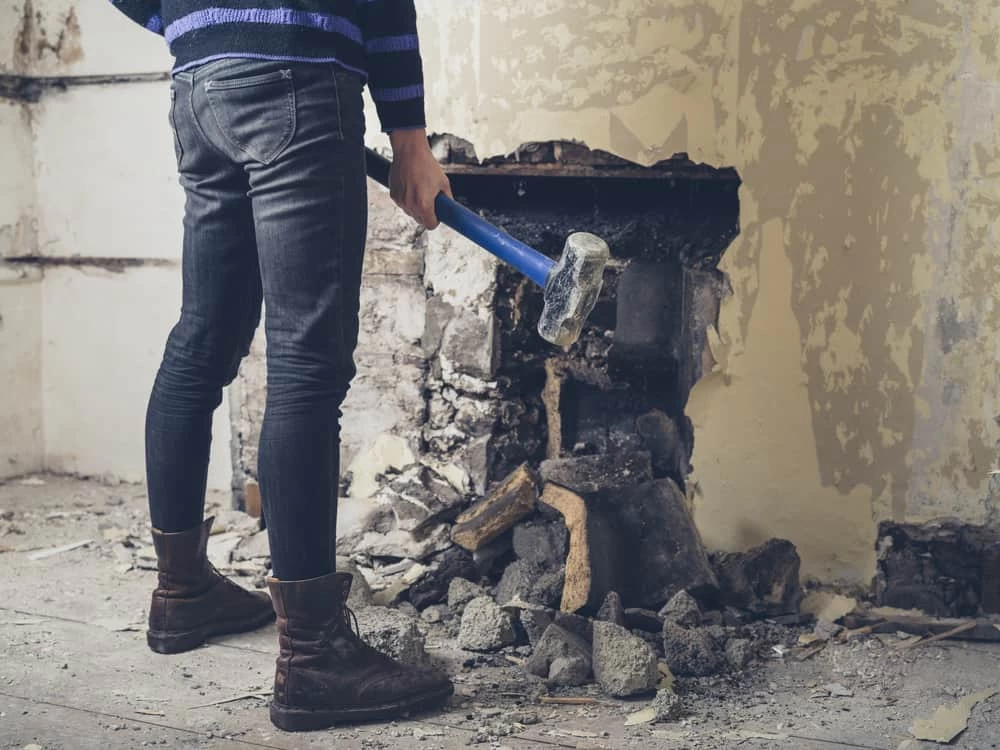
Centerport’s waterfront exposure and hillside terrain don’t leave much margin when a storm rolls through. We respond fast, handle the insurance process, and restore your property the right way start to finish.
I needed a professional consultation explanation of procedure for safe removal of Asbestos in my apartment complex. Without having an account yet, I was very impressed with the caring, knowledgeable and generous advice offered by Jessica, and will look forward to doing business in the future. Thank you so much! I feel much more informed about a sometimes scary endeavor. Peace. Nancy Silva Mineola, NY.
Mia Munoz
Used this company to clean up some water flood in my house. They were fast and easy to work with.very professional, Would recommend to anyone!
Nini Valle
Great company, had a flood and they responded quickly and efficiently. Billed my insurance company directly. I highly recommend this company!
joe colapietro, jr
I had pipe freeze in my basement right before a snow storm and they made to within an hour to help start the clean up process. They we by our side throughout the entire process and even helped with the insurance company. They did such a great job with the cleanup, repair, remidiation, I contracted them to perform the repairs and finishes in the basement. They came with enough manpower and material to get the job done. Leo and Jessica were nothing but a pleasure to deal with!!
Cristian Arredondo c
I had some water damage in my home and Green Island was able to take care of my issue quickly and effectively. I am very pleased with the work they did. They responded quickly and were very professional.
Michael M
Outstanding service! From the office to the field crew everyone was friendly, helpful and responsive. I highly recommend Green Island Group.
The worst part of storm damage usually isn’t what you can see. A torn shingle or a cracked window is obvious. What isn’t obvious is the water that migrated into your wall cavity overnight, or the moisture sitting inside your attic insulation that you won’t notice until mold shows up six months from now. That hidden damage is where most restoration jobs go sideways and it’s exactly what separates a real restoration from a patch job.
For homes along Centerport Harbor and the peninsula communities, storm surge and wind-driven rain don’t just damage surfaces they get inside. The harbor-front bungalows in the HBCA beach community, many of them built in the post-war decades, have older framing, older insulation, and older drainage systems that weren’t designed for the kind of nor’easters Long Island has been seeing lately. Water finds every gap. And once it’s in, the clock starts.
For the hillside homes farther from the water, the risk is different but just as real. Mature oaks and maples common throughout Centerport’s wooded neighborhoods don’t always fall clean. A root system weakened by saturated soil can bring down a tree that looks perfectly healthy, and a limb through a roof at 2 a.m. creates a situation that needs immediate attention, not a next-business-day callback. What you get at the end of a proper restoration is a home that’s documented, dried, structurally sound, and protected against what comes next not just a surface that looks fine until it doesn’t.
Storm Damage Restoration Company Serving Centerport
12 Years on Long Island, 5,000+ Jobs, and We Know Centerport
We’re a Suffolk County-based restoration contractor not a franchise, not a call center, and not a company that showed up after the last big storm and will disappear after the next one. Founded by CEO Jessica Dussan and VP Leo Torres, we’ve been operating on Long Island for over 12 years and have completed more than 5,000 restoration projects across the region, including the neighborhoods and waterfront properties throughout Centerport.
Centerport sits within the Town of Huntington, and that matters practically not just geographically. Structural restoration work here requires a Suffolk County General Contractor license and goes through the Town of Huntington’s Building Department for permits. We hold that license and know that process. We also hold a NYS DOL Mold License, USEPA Lead and Asbestos certifications, and IICRC-certified technicians on staff credentials that become directly relevant when storm damage opens up a wall in one of Centerport’s older homes near the harbor.
When customers mention Jessica and Leo by name in their reviews not the brand, the people that says something. You’re not handing your home over to an anonymous crew. There are real, named individuals accountable for every job we take.
When you call, someone actually picks up day or night, including weekends and holidays. The first priority is stopping the damage from getting worse. That means emergency tarping, board-up, or water extraction, depending on what happened. In Centerport, where winding hillside roads can be blocked by downed trees after a major storm, we navigate this terrain with the familiarity that comes from years of working in these neighborhoods not a GPS route and a guess.
Once the property is secured, the assessment phase begins. This is where thermal imaging comes in. Moisture that’s invisible on the surface shows up clearly with the right equipment, and finding it early is the difference between a targeted drying job and a full mold remediation months later. Every affected area gets documented photographs, moisture readings, scope of damage because that documentation is exactly what your insurance adjuster is going to need.
From there, the restoration work begins in sequence: structural repairs, roofing, siding, interior work all permitted properly through the Town of Huntington where required. We handle communication with your insurance company throughout, and in many cases bill them directly. You stay informed at every step, but you’re not the one chasing paperwork or translating contractor reports for an adjuster who’s never seen your property.
Storm Damage Cleanup and Restoration in Centerport
Everything Your Centerport Home Needs Under One License
Storm damage rarely stops at one category of work, and in Centerport it almost never does. A nor’easter that peels back roofing on a harbor-view colonial also drives rain into the attic. That attic moisture saturates insulation, seeps into wall framing, and creates mold conditions before the shingles are even replaced. We handle the full chain emergency response, debris and tree removal, roof repair, water extraction and structural drying, mold remediation, and complete interior and exterior restoration under one license and one team.
For Centerport’s older housing stock, particularly the mid-century homes in the HBCA community along the harbor, storm damage can expose more than water intrusion. Walls disturbed in pre-1978 homes may contain asbestos insulation or lead paint. Most restoration companies aren’t licensed to handle that. We hold USEPA Lead certification, USEPA RRP certification, and a NYS DOL Asbestos License so if something unexpected turns up when the walls open, the job doesn’t stop and you don’t need to find a separate contractor.
Centerport’s harbor-front and peninsula properties also fall within FEMA-designated Special Flood Hazard Areas in some zones, and restoration work in those areas has to comply with Suffolk County floodplain management requirements. That’s not something every contractor is prepared for. It’s something we navigate regularly.
Does homeowner's insurance cover storm damage to my Centerport property?
Most standard homeowner’s insurance policies in New York cover wind damage, wind-driven rain, and damage caused by falling trees which are among the most common storm damage scenarios in Centerport, given the hamlet’s heavily wooded hillside neighborhoods and direct Long Island Sound exposure. What standard policies typically do not cover is flooding from storm surge or rising water, which is a separate flood insurance policy relevant specifically for harbor-front and peninsula properties in Centerport that fall within FEMA-designated Special Flood Hazard Areas.
The practical answer is: it depends on what caused the damage and what coverage you’re carrying. The best thing you can do immediately after a storm event is document everything before anything is moved or repaired photographs, video, written notes. We help homeowners build that documentation from the start, and communicate directly with adjusters throughout the claim process. In many cases, we bill your insurance company directly, which removes you from the back-and-forth entirely.
How quickly does mold develop after storm water gets into my home?
Mold can begin growing on damp surfaces within 24 to 48 hours and that timeline doesn’t care whether the water is visible or hidden inside a wall cavity. In Centerport’s older housing stock, particularly the post-war bungalows along the harbor, older insulation and framing materials tend to hold moisture longer than modern construction, which accelerates that window. By the time mold is visible on a wall surface, it has typically been growing behind it for weeks.
This is why the assessment phase matters as much as the emergency response. We use thermal imaging cameras during every storm damage inspection to identify moisture pockets that aren’t visible on the surface. Finding hidden moisture early allows for targeted extraction and drying before mold has a chance to establish. If mold is already present, we hold a NYS DOL Mold Remediation License meaning remediation can happen as part of the same restoration project, not as a separate engagement with a separate contractor down the road.
What should I do first when a tree falls on my house in Centerport?
The first thing is safety don’t go into any area of the home where structural integrity is uncertain, and don’t attempt to remove the tree yourself. A tree that has come through a roof has likely compromised framing, and removing it without proper shoring can cause secondary collapse. Once you and your family are safe, call a licensed restoration contractor immediately and call your insurance company to open a claim.
In Centerport, where large mature oaks and maples are common throughout the hillside neighborhoods, tree-through-roof events are one of the most frequent storm damage calls. The response process involves emergency tarping to stop water intrusion, structural assessment to determine what’s been compromised, debris removal, and then a sequenced repair starting with structural stabilization before any cosmetic or interior work begins. We handle all of that including the debris removal so you’re not coordinating multiple contractors while your roof is open to the weather.
Do I need a permit for storm damage repairs in Centerport, NY?
Emergency work tarping, board-up, water extraction, and immediate stabilization can typically proceed without a permit. That’s the work that stops the damage from getting worse, and waiting for a permit before doing it would be counterproductive. However, once you move into structural repairs, roof replacement, or significant interior restoration work, permits are required through the Town of Huntington’s Building Department, which has jurisdiction over Centerport.
This matters for a few reasons. Unpermitted structural work can create real problems when you go to sell your home and in Centerport’s real estate market, where homes move quickly at high price points, a buyer’s inspector who finds unpermitted work can derail a sale. It also affects your insurance claim documentation. We pull the appropriate permits for all work that requires them, coordinate with the Town of Huntington’s Building Department, and ensure that every phase of the restoration is properly documented and compliant. You don’t have to manage that process yourself.
Can storm damage to an older Centerport home expose asbestos or lead paint?
Yes and it’s more common than most homeowners expect. The federal cutoff for lead paint use in residential construction is 1978, and for asbestos-containing building materials, widespread use continued into the late 1970s and in some products into the 1980s. A significant portion of Centerport’s housing stock particularly the mid-century bungalows in the HBCA beach community along the harbor, many of which were built between the 1940s and 1970s falls within that age range.
When storm damage cracks walls, disturbs insulation, or damages original siding and roofing materials in these homes, it can expose asbestos fibers or lead dust. Handling those materials safely and legally requires contractors with specific federal and state certifications USEPA Lead certification, USEPA RRP certification, and a NYS DOL Asbestos License. Most general restoration companies don’t hold all of these. We do. If storm damage opens up something unexpected in your home, the job doesn’t stop and you don’t need to locate a separate licensed contractor. It’s handled as part of the same project.
How does Green Island Group handle the insurance claim process for Centerport homeowners?
From the first site visit, we document damage in the format insurance adjusters actually need detailed photographs, moisture readings, written scope of damage, and itemized repair documentation. That documentation goes to your adjuster directly, and we communicate with your insurance company throughout the process so you’re not translating contractor reports or chasing callbacks between two parties who don’t speak the same language.
In many cases, we bill your insurance company directly meaning your involvement in the financial back-and-forth is limited to your deductible. For Centerport homeowners carrying coverage on properties valued at $700,000 or more, making sure the claim is documented completely and accurately isn’t just a convenience it’s the difference between a full restoration and an underpaid settlement that leaves you covering the gap. We know what adjusters look for, what gets disputed, and how to build a claim file that holds up. That’s been a consistent theme in customer reviews, and it’s one of the more practical reasons homeowners in this area call us specifically.