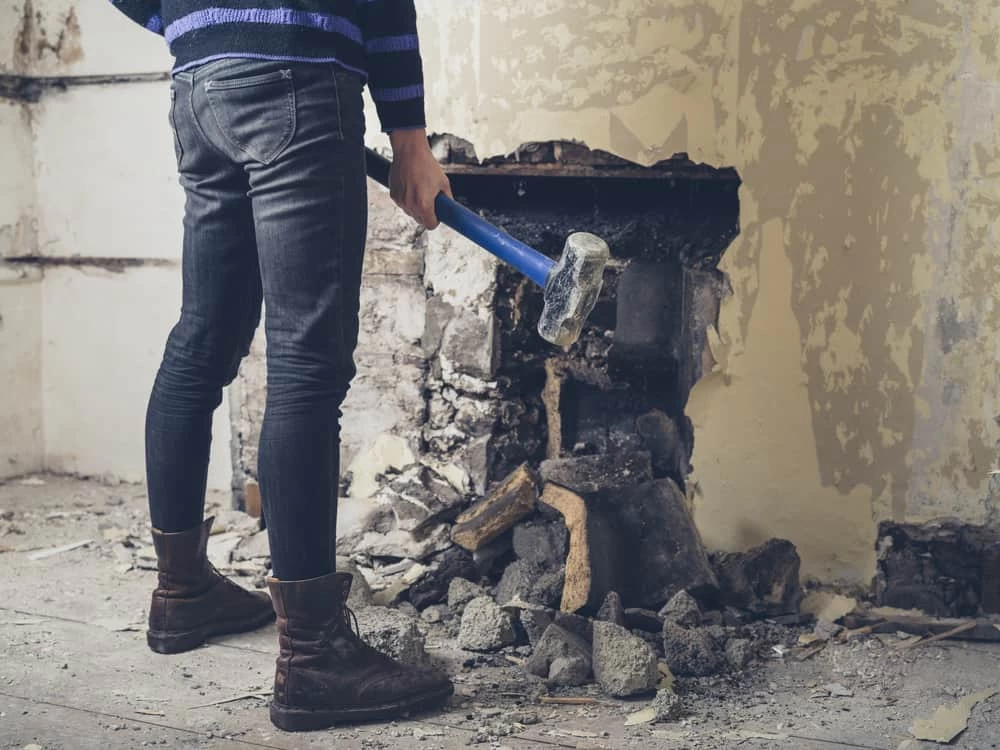
When the Storm Hits a 1960s Deer Park Home, the Damage Goes Deeper Than It Looks
Most homes in Deer Park were built before 1980 and what’s behind those walls matters as much as what you can see. We respond fast, document everything, and handle your insurance claim so you’re not left sorting it out alone.
I needed a professional consultation explanation of procedure for safe removal of Asbestos in my apartment complex. Without having an account yet, I was very impressed with the caring, knowledgeable and generous advice offered by Jessica, and will look forward to doing business in the future. Thank you so much! I feel much more informed about a sometimes scary endeavor. Peace. Nancy Silva Mineola, NY.
Mia Munoz
Used this company to clean up some water flood in my house. They were fast and easy to work with.very professional, Would recommend to anyone!
Nini Valle
Great company, had a flood and they responded quickly and efficiently. Billed my insurance company directly. I highly recommend this company!
joe colapietro, jr
I had pipe freeze in my basement right before a snow storm and they made to within an hour to help start the clean up process. They we by our side throughout the entire process and even helped with the insurance company. They did such a great job with the cleanup, repair, remidiation, I contracted them to perform the repairs and finishes in the basement. They came with enough manpower and material to get the job done. Leo and Jessica were nothing but a pleasure to deal with!!
Cristian Arredondo c
I had some water damage in my home and Green Island was able to take care of my issue quickly and effectively. I am very pleased with the work they did. They responded quickly and were very professional.
Michael M
Outstanding service! From the office to the field crew everyone was friendly, helpful and responsive. I highly recommend Green Island Group.
Your Deer Park Home Back to Normal Without the Runaround
After a storm, the visible damage is only part of the problem. Water that gets in through a cracked soffit or a lifted shingle doesn’t stop at the surface it works its way into wall cavities, insulation, and framing, where it sits quietly and starts growing mold within 24 to 48 hours. By the time you smell something, the problem is already weeks old.
Deer Park’s housing stock makes this especially relevant. The majority of homes here were built between the 1950s and 1980s, which means original roofing systems, older insulation, and in many cases materials that contain asbestos or lead-based paint. When storm damage disturbs those materials, you’re not just dealing with a repair you’re dealing with a hazmat situation that most contractors aren’t licensed to touch. We are.
The other thing that changes after a good restoration is the insurance conversation. Most homeowners in the 11729 area don’t realize how much of their storm damage is actually covered or how much a poorly documented claim costs them. When the damage is assessed correctly, photographed thoroughly, and communicated to your adjuster the right way, the outcome is different. That’s the difference between a partial payout and a full one.
Licensed for Everything a Deer Park Storm Can Uncover
We’ve been working across Long Island for over 12 years, and that includes being on the ground during Hurricane Sandy when wind damage spread across the Town of Babylon, and again during the August 2024 flooding that prompted a state disaster declaration for Suffolk County. This isn’t a company that showed up after the last bad storm to chase work we’ve been here through all of it.
What separates us from most restoration companies operating in Deer Park isn’t just experience it’s the licensing stack. We hold a Suffolk County General Contractor license, a NYS DOL Mold license, a NYS DOL Asbestos license, and USEPA Lead and RRP certifications. That matters in a community where a significant portion of homes predate 1978. When storm damage cracks a wall or tears off original siding in Deer Park, those materials don’t just need repair they need a licensed professional who can handle what’s inside them legally and safely.
Jessica Dussan and Leo Torres lead the company directly. When something needs to be resolved, there are real people accountable for the outcome not a franchise call center routing your job to whoever’s available.
What Happens From Your First Call to the Final Walkthrough at Your Deer Park Home
When you call, the first priority is stopping the damage from getting worse. That means emergency securing boarding up openings, tarping compromised roof sections, and removing debris that’s still causing active harm. For Deer Park homeowners dealing with a downed tree on a roof or a blown-out section of siding after a nor’easter, this step matters more than anything else. Every hour that opening stays exposed is another hour of water intrusion.
Once the property is secured, the real assessment begins. We use thermal imaging cameras to find moisture that isn’t visible to the eye water that’s already migrated into wall cavities, subfloor assemblies, or insulation. This is where older Deer Park homes require extra attention, because the original building materials in a 1960s cape or ranch don’t shed water the way newer construction does. If the assessment turns up asbestos-containing materials or lead paint in disturbed areas, that work is handled in-house by our licensed technicians not subcontracted out.
From there, the scope of work is documented in the format your insurance adjuster needs to see it. We communicate directly with your carrier, and in many cases bill them directly. Any structural repairs, roof work, or remediation that requires a permit gets pulled through the Town of Babylon Building Department the right way, so there are no surprises when you go to sell the home down the road. The job isn’t done until the property is fully restored and you’ve walked through it yourself.
Every License Required for Deer Park's Aging Homes Under One Roof
Storm damage restoration in Deer Park covers more ground than it does in newer communities. When a nor’easter works through the Town of Babylon or a heavy summer storm dumps water into a home that’s been standing since 1965, the response has to account for what that building is actually made of. We handle the full scope: emergency board-up and tarping, debris and tree removal, roof storm damage repair, wind damage repair with hurricane straps and reinforced roofing, impact-resistant shingle installation, structural stabilization, water extraction and drying, mold remediation, and complete property restoration.
For homes built before 1978 which describes a large portion of Deer Park’s residential streets, from the neighborhoods off Deer Park Avenue to the blocks near the LIRR station storm damage can disturb asbestos-containing materials in floor tiles, pipe insulation, or original siding. It can also expose lead-based paint in walls and trim. These aren’t hypothetical risks. They’re common in this ZIP code, and they require licensed abatement work that falls under New York State and federal law. We hold every certification required to handle it: NYS DOL Asbestos, USEPA Lead, and USEPA RRP. Most local competitors do not.
The insurance piece is built into every job. Documentation, adjuster communication, and direct billing to your carrier are standard not add-ons. Permits required by the Town of Babylon Building Department are pulled properly. IICRC-certified technicians handle the water and mold work. From the emergency call to the final inspection, it’s one company handling all of it.
Does homeowner's insurance actually cover storm damage repair in Deer Park, NY?
In most cases, yes and more than many homeowners expect. Standard homeowner’s insurance policies in New York typically cover wind damage, hail damage, water intrusion from a storm-compromised roof, and structural damage from fallen trees. What often goes wrong isn’t the coverage itself it’s the documentation. Adjusters work from what’s in front of them, and a claim that’s poorly photographed or vaguely described tends to result in a lower payout than the actual damage warrants.
We document storm damage the way insurance carriers need to see it detailed, thorough, and in the format adjusters use to evaluate claims. We communicate directly with your carrier and, in many cases, handle billing to the insurance company directly. For Deer Park homeowners where the average storm damage claim can run well into five figures, having someone who knows this process on your side is not a minor convenience. It’s often the difference between a full restoration and a partial one.
How quickly can a restoration crew reach my home after a storm in Deer Park?
We operate out of Bohemia, NY roughly 25 to 30 miles east of Deer Park via the Long Island Expressway. In most conditions, we can reach a Deer Park property within an hour of an emergency call. We offer 24/7 emergency response, including nights, weekends, and holidays, because storms don’t wait for business hours and neither should your response.
Speed matters here for a specific reason: mold growth begins within 24 to 48 hours of water intrusion. In an older Deer Park home with original insulation and wall assemblies that absorb moisture readily, that window is not forgiving. The faster the property is secured and the water extraction begins, the smaller the remediation scope and the lower the overall cost. Waiting even a day or two for a crew to become available can turn a manageable repair into a full mold remediation job.
What makes storm damage worse in older Deer Park homes compared to newer construction?
Most of Deer Park’s residential housing stock was built between the 1950s and early 1980s. That era of construction used materials and building methods that don’t handle water intrusion the way modern homes do. Original roof decking, older felt underlayment, and aging shingle systems are more susceptible to wind uplift and water penetration during a nor’easter or tropical storm. Once water gets in, it moves through wall cavities and insulation in ways that aren’t immediately visible.
There’s also the hazardous materials factor. Homes built before 1978 commonly contain asbestos in floor tiles, pipe insulation, attic insulation, and sometimes original siding. Lead-based paint is present in walls, trim, and exterior surfaces. When storm damage cracks or disturbs these materials, it creates a situation that goes beyond standard repair it requires licensed abatement under New York State and federal law. We hold the NYS DOL Asbestos license and USEPA Lead and RRP certifications specifically to handle this. Most contractors who advertise storm damage repair in this area do not.
Do I need a permit for storm damage repairs in the Town of Babylon?
For significant structural repairs, roof replacements, and certain remediation work, yes permits are required through the Town of Babylon Building Department. This applies to Deer Park properties just as it does to any other hamlet in the town. Work performed without the proper permits can create real problems: it can complicate your insurance claim, create title issues when you sell the home, and in some cases require you to tear out and redo work that wasn’t inspected properly.
After major storm events on Long Island Sandy being the most prominent example unlicensed contractors flooded communities across the Town of Babylon offering fast, cheap repairs with no permits and no inspections. Many of those homeowners spent more money years later fixing what was done wrong than they would have spent doing it correctly the first time. We hold a Suffolk County General Contractor license that authorizes us to pull the necessary permits in the Town of Babylon and perform the work legally. Every job is done with the paperwork in place.
How do I know if there's hidden water damage in my Deer Park home after a storm?
The honest answer is that you often can’t tell without the right equipment. Water that enters through a damaged roof, a cracked soffit, or a compromised window seal doesn’t stay where it lands it migrates into wall cavities, under flooring, and through insulation layers. From the outside, the wall can look completely dry while the framing behind it is saturated. By the time you notice a stain, a soft spot, or a smell, the damage has usually been developing for weeks.
We use thermal imaging cameras to identify moisture pockets that aren’t visible to the eye or detectable with a standard moisture probe alone. This matters especially in Deer Park’s older homes, where original insulation and wall assemblies hold water differently than modern construction. Thermal imaging is how we find the water before it becomes mold and finding it early is what keeps a manageable repair from turning into a full remediation project. If your home took any kind of storm impact, a proper assessment with the right tools is worth doing before you assume everything is fine.
Is mold really a concern after storm damage in a Deer Park home, or is that overstated?
It’s not overstated it’s actually one of the more predictable outcomes of untreated storm water intrusion, and Deer Park’s housing stock makes it a real consideration. Mold can begin developing within 24 to 48 hours of water exposure, and in a home with original 1960s or 1970s insulation, wood framing, and drywall, the conditions for mold growth are favorable. The combination of organic materials, trapped moisture, and limited airflow inside wall cavities is exactly what mold needs.
New York State takes this seriously enough to require a NYS DOL Mold License for any contractor performing mold remediation in a residential property a requirement under Article 32 of the New York Labor Law that many homeowners don’t know about and that many contractors quietly ignore. We hold this license. If mold is found during the restoration process, we can assess and remediate it legally and completely without bringing in a separate company. For a Deer Park homeowner who’s already dealing with storm damage, not having to coordinate a second contractor for mold is one less thing to manage during an already stressful situation.