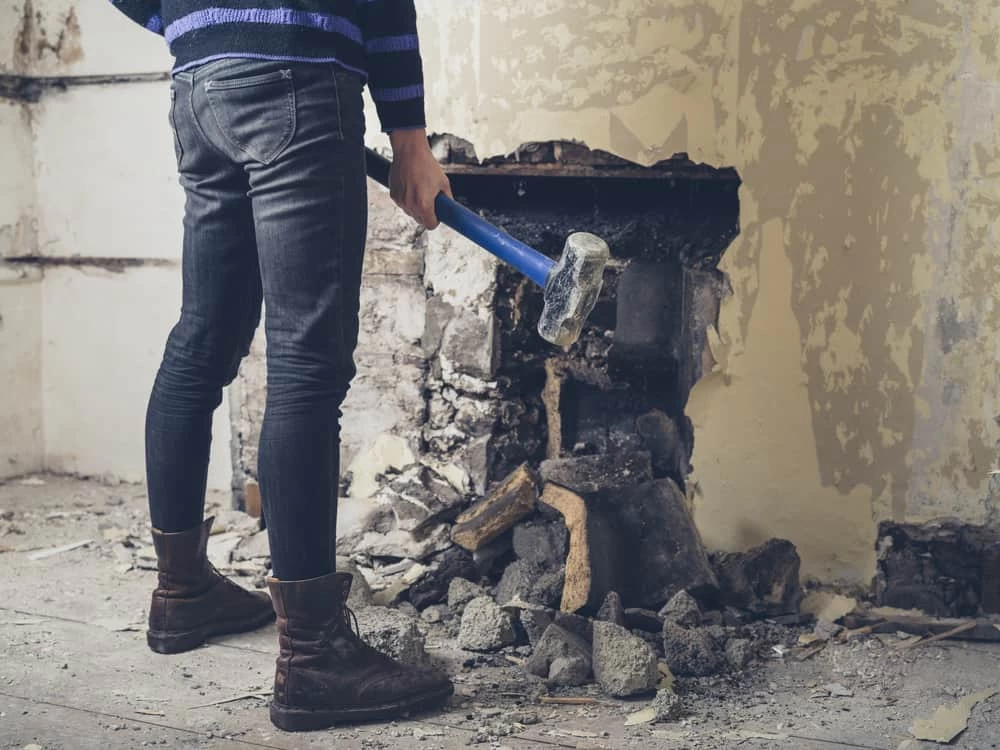
When a Nor'easter Hits a 1950s Cape Cod in Farmingdale, the Damage Runs Deeper Than the Roof
Storm damage in Farmingdale’s older housing stock rarely stops at the surface. We handle the full scope — emergency response through complete restoration — so you’re not left coordinating three different contractors while water sits in your walls.
I needed a professional consultation explanation of procedure for safe removal of Asbestos in my apartment complex. Without having an account yet, I was very impressed with the caring, knowledgeable and generous advice offered by Jessica, and will look forward to doing business in the future. Thank you so much! I feel much more informed about a sometimes scary endeavor. Peace. Nancy Silva Mineola, NY.
Mia Munoz
Used this company to clean up some water flood in my house. They were fast and easy to work with.very professional, Would recommend to anyone!
Nini Valle
Great company, had a flood and they responded quickly and efficiently. Billed my insurance company directly. I highly recommend this company!
joe colapietro, jr
I had pipe freeze in my basement right before a snow storm and they made to within an hour to help start the clean up process. They we by our side throughout the entire process and even helped with the insurance company. They did such a great job with the cleanup, repair, remidiation, I contracted them to perform the repairs and finishes in the basement. They came with enough manpower and material to get the job done. Leo and Jessica were nothing but a pleasure to deal with!!
Cristian Arredondo c
I had some water damage in my home and Green Island was able to take care of my issue quickly and effectively. I am very pleased with the work they did. They responded quickly and were very professional.
Michael M
Outstanding service! From the office to the field crew everyone was friendly, helpful and responsive. I highly recommend Green Island Group.
What Gets Fixed — and What Doesn't Get Missed in Farmingdale Homes
Most storm damage in Farmingdale starts with something visible — a lifted roof section, broken siding, a flooded basement after the drains backed up. What doesn’t show up until later is the moisture that’s been sitting in the wall cavity for 48 hours, or the wet insulation in an attic that hasn’t been touched since 1962. That’s where the real damage lives, and that’s what gets missed when you hire someone who only handles the structural side.
Over 63% of homes in Farmingdale were built before 1970. That matters because insulation, floor tiles, and roofing materials from that era regularly contain asbestos. Paint from before 1978 contains lead. When a storm tears through a house like that, the repair isn’t just structural — it’s a regulated process that requires specific New York State licenses most contractors don’t carry. We hold NYS DOL Mold Remediation, NYS DOL Asbestos Handler, and USEPA Lead certifications, which means we can legally and safely handle the full scope in one engagement.
You get one point of contact, one crew, and a complete restoration — from emergency tarping to finished interior work — without being handed off mid-job.
Storm Damage Restoration Company in Farmingdale, NY
Licensed for Both Nassau and Suffolk County — Built for Farmingdale's Older Homes
Farmingdale is one of the few communities on Long Island where your house might be in Nassau County and your neighbor’s is technically in Suffolk. The incorporated village sits in Nassau County’s Town of Oyster Bay. East Farmingdale — where Republic Airport is — falls under Suffolk County’s Town of Babylon. We hold General Contractor licenses in both Nassau County and Suffolk County, so no matter which side of that line your Farmingdale property is on, we’re the licensed contractor for the job.
Beyond the GC licenses, we are an NYS Office of General Services Approved Emergency Response Contractor — a state-level credential that requires vetting before we ever respond to a single call. That’s not a badge we print off a website. It means New York State has verified that we meet the standards for emergency restoration work.
We carry full liability insurance and workers’ compensation on every job, and we bill your insurance company directly so you’re not writing a check during a crisis.
Emergency Storm Damage Repair Process in Farmingdale
From the First Call to the Final Walkthrough — Here's What Happens When You Call Us After a Storm
When you call, we respond 24 hours a day, seven days a week. The first step is emergency securing — tarping compromised roofs, boarding openings, stopping active water intrusion. In Farmingdale’s older housing stock, speed here isn’t about optics. Mold begins growing in as little as 24 to 48 hours after water enters a structure, and in a home with original 1950s insulation and limited attic ventilation, that window is tight.
Once the structure is secured, we do a full damage assessment — and we use thermal imaging cameras, not just a visual walkthrough. This matters because moisture in wall cavities and saturated attic insulation doesn’t always show up to the naked eye, especially in homes with the kind of layered construction common in Farmingdale’s Cape Cods and colonials. What the camera finds determines the actual scope of the job, which is what we document and submit to your insurance carrier.
From there, we handle water extraction, structural drying, mold remediation if needed, any required asbestos or lead protocols, structural repairs, roofing, siding, and interior restoration. We also pull all required permits through the Village of Farmingdale’s building department and coordinate inspections — that’s part of the job, not an add-on you manage yourself.
Storm Damage Cleanup and Restoration in Farmingdale, NY
Every License the Job Requires — Under One Roof in Farmingdale
Storm damage restoration in Farmingdale covers more ground than most homeowners expect when they first make the call. Wind damage and roof failures are the most common entry points — Republic Airport’s weather station has recorded peak gusts of 78 mph during storm events, and that kind of wind doesn’t just loosen shingles on a house built in 1954. It creates openings that let water into places it shouldn’t be for days before anyone notices.
What we bring to a Farmingdale job is the ability to handle every phase without subcontracting any of it. Emergency securing and tarping. Water extraction and industrial drying. Mold remediation under NYS DOL licensure. Asbestos abatement when storm work disturbs materials in pre-1980 construction — which is the majority of homes in Farmingdale. Lead-safe protocols under USEPA RRP certification for pre-1978 properties. Structural repairs, roofing, siding, and full interior restoration under Nassau County and Suffolk County General Contractor licenses. Insurance documentation and direct billing to your carrier.
If your home is in the Lenox Hills section, South Farmingdale, or anywhere in Greater Farmingdale, the process is the same: one crew, one company, start to finish. No gaps, no handoffs, no surprises on the back end.
Does storm damage in Farmingdale homes usually involve more than just structural repairs?
In most cases, yes — and the age of the housing stock is the reason. More than 63% of homes in Farmingdale were built before 1970, during an era when asbestos was used in insulation, floor tiles, and roofing materials as a matter of standard practice. Homes built before 1978 were also painted with lead-based paint throughout. When a storm opens up a roof, breaks through siding, or forces water into wall cavities, it can disturb those materials. In New York State, any contractor who disturbs asbestos or lead without the proper NYS DOL Asbestos Handler certification and USEPA Lead certification is operating outside the law — and creating a health risk for your family in the process.
This isn’t a rare edge case in Farmingdale. It’s the statistical reality for the majority of homes in the village. We hold every certification required to handle these materials legally and safely, which means the structural repair and the regulated remediation happen together, not in two separate jobs with two separate contractors.
How quickly does mold start growing after storm water gets into my Farmingdale home?
Mold can begin developing within 24 to 48 hours of water entering a structure — and in Farmingdale’s older homes, that timeline can move faster than you’d expect. A 1950s Cape Cod with original insulation, limited attic ventilation, and no vapor barrier creates conditions where moisture doesn’t dry out on its own. It sits. And once mold establishes itself in wall cavities or attic insulation, the remediation scope expands significantly compared to catching it early.
This is why the speed of the initial response matters as much as the quality of the repair. We operate 24/7 specifically because waiting until Monday morning to address a Saturday night storm isn’t a reasonable option when mold is on a 24-hour clock. We use thermal imaging cameras during the damage assessment to find moisture that a visual inspection would miss entirely — which is how hidden mold problems get caught before they become a much larger and more expensive issue.
Will my homeowner's insurance cover storm damage repair in Farmingdale, NY?
Most standard homeowner’s insurance policies in New York cover sudden storm damage — wind, hail, falling trees, and rain intrusion caused by a storm event. What varies is how the claim is documented and presented. For older homes in Farmingdale, the legitimate scope of a storm damage claim is often broader than a quick adjuster visit would capture. A roof section that blew off during a nor’easter might also mean disturbed insulation that requires asbestos testing, saturated wall cavities that need mold remediation, and structural framing that needs to be brought up to current Nassau County building code before a permit will be issued.
We document the full scope of damage — including everything that thermal imaging and a thorough assessment reveals — and submit it directly to your insurance carrier. We’ve handled hundreds of Long Island storm damage claims, and we understand how to present the legitimate scope of a job in a way that gives your claim the best possible outcome. We also bill your insurance directly, so you’re not managing payments out of pocket during the recovery.
What kind of storm damage is most common in Farmingdale compared to coastal towns?
Farmingdale’s damage profile is different from barrier island communities like Long Beach or Point Lookout because it’s an inland village — storm surge and tidal flooding aren’t the primary concern here. The main threats are wind, falling trees, hail, ice damming in winter, and rain-driven water intrusion through compromised roofs, siding, and windows. Basement flooding from overwhelmed storm drains and sump pump failures during heavy rain events is also a documented local issue in Farmingdale — it’s the kind of damage that happens fast and quietly while you’re dealing with everything else.
Ice damming is worth calling out specifically because it’s a recurring problem in Farmingdale’s post-WWII housing stock. The lower-pitched rooflines on Cape Cods and ranches — which make up a significant portion of the village — are particularly vulnerable to ice dam formation during nor’easters. Snow accumulates, partially melts, then refreezes at the eaves and forces water under the shingles and into the attic. The exterior can look completely intact while the insulation above your ceiling is already saturated.
Do I need a licensed contractor to handle storm damage repairs in Farmingdale?
Yes. Any structural storm damage repair in Farmingdale — roofing, siding, window replacement, framing work — requires a permit from the Village of Farmingdale’s building department, and the contractor performing that work must hold a valid Nassau County General Contractor license. If your property is in East Farmingdale, which falls under Suffolk County’s Town of Babylon, the same requirement applies under Suffolk County licensing rules. These aren’t formalities — they’re the legal framework that protects you if work is done incorrectly and ensures inspections are completed before the job is considered finished.
Beyond the general contractor license, mold remediation in New York requires a separate NYS DOL Mold Remediation license. Asbestos abatement requires NYS DOL Asbestos Handler certification. Lead-safe work in pre-1978 homes requires USEPA RRP certification. A contractor who skips any of these is putting you at legal and financial risk, not just health risk. We hold every license required to perform the complete scope of storm damage restoration legally in both Nassau and Suffolk County.
How do I know if a storm damage contractor in Farmingdale is actually legitimate?
After a major storm, Farmingdale residents tend to see a wave of contractors knocking on doors offering fast repairs at low prices. Some are legitimate. Many are not licensed in New York, carry no workers’ compensation insurance, and have no accountability once they’ve cashed a deposit check. The simplest way to verify a contractor is to ask for their Nassau County or Suffolk County General Contractor license number and look it up — both counties maintain public databases. Ask specifically whether they hold NYS DOL Mold Remediation and Asbestos Handler licenses if your home was built before 1980, because the majority of Farmingdale homes were.
We are an NYS Office of General Services Approved Emergency Response Contractor, which is a state-level designation that requires vetting and compliance verification before it’s granted. It’s publicly verifiable and not something an unlicensed storm chaser can replicate. We also carry full liability insurance and workers’ compensation on every job — which protects you if anything goes wrong on your property, not just us. If a contractor can’t produce documentation for all of the above, that’s the answer you need.