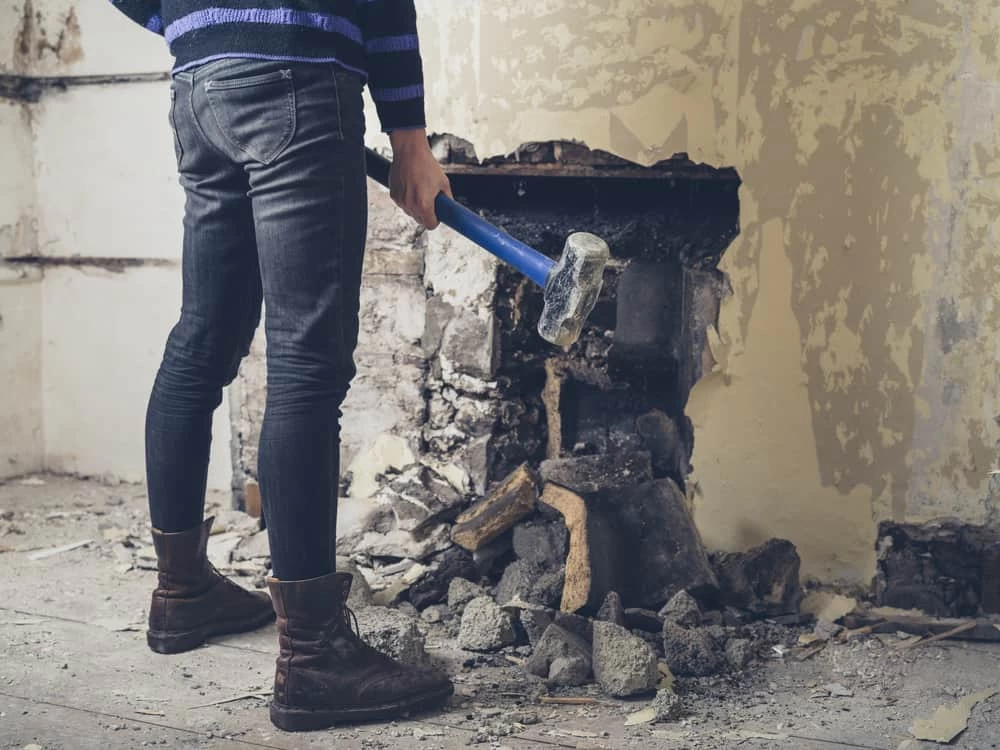
When a storm hits Gilgo, the clock starts immediately and so does the list of things that can go wrong if the wrong team shows up. We handle storm damage restoration on the barrier island from emergency securing through full rebuild, including insurance navigation.
I needed a professional consultation explanation of procedure for safe removal of Asbestos in my apartment complex. Without having an account yet, I was very impressed with the caring, knowledgeable and generous advice offered by Jessica, and will look forward to doing business in the future. Thank you so much! I feel much more informed about a sometimes scary endeavor. Peace. Nancy Silva Mineola, NY.
Mia Munoz
Used this company to clean up some water flood in my house. They were fast and easy to work with.very professional, Would recommend to anyone!
Nini Valle
Great company, had a flood and they responded quickly and efficiently. Billed my insurance company directly. I highly recommend this company!
joe colapietro, jr
I had pipe freeze in my basement right before a snow storm and they made to within an hour to help start the clean up process. They we by our side throughout the entire process and even helped with the insurance company. They did such a great job with the cleanup, repair, remidiation, I contracted them to perform the repairs and finishes in the basement. They came with enough manpower and material to get the job done. Leo and Jessica were nothing but a pleasure to deal with!!
Cristian Arredondo c
I had some water damage in my home and Green Island was able to take care of my issue quickly and effectively. I am very pleased with the work they did. They responded quickly and were very professional.
Michael M
Outstanding service! From the office to the field crew everyone was friendly, helpful and responsive. I highly recommend Green Island Group.
Most storm damage in Gilgo doesn’t announce itself cleanly. A nor’easter tears through, Ocean Parkway reopens two days later, and by the time you get eyes on your property, the visible damage is only part of the story. Water has already moved into wall cavities. Salt-laden moisture is sitting inside insulation. The roof tarp someone threw on isn’t sealed at the edges. What looks manageable from the outside is often hiding the conditions that lead to mold, rot, and structural failure over the following weeks.
Getting the right team there early changes that outcome completely. Thermal imaging finds the moisture that dried surfaces hide. Proper structural drying stops mold before it starts. Emergency securing real board-up and tarping, done correctly keeps additional water out while the full assessment happens. For a Gilgo cottage built in the 1950s on a pile foundation with cedar siding and older roofing, that early response isn’t just helpful. It’s the difference between a restorable home and a substantially damaged one under Town of Babylon floodplain rules.
The other thing that changes is the insurance process. Most Gilgo homeowners carry both a standard homeowner’s policy and a separate NFIP flood insurance policy, and sorting out which damage falls under which coverage is genuinely complicated. When you have a team that documents everything correctly from day one and works directly with your adjusters, claims move faster and you don’t leave money on the table.
Licensed for Everything a Barrier Island Storm Can Throw at You
We’re based in Bohemia, in Suffolk County about 20 miles from Gilgo via the Wantagh Parkway corridor. We’ve been doing restoration work across Long Island’s South Shore for over 12 years and have completed more than 5,000 projects, including extensive work in the barrier beach communities along the Great South Bay, particularly in Gilgo and the surrounding oceanfront neighborhoods.
What separates us from most companies showing up on a Google search is the licensing stack. NYS DOL Mold License. NYS DOL Asbestos License. USEPA Lead and RRP certifications. Suffolk County General Contractor license. IICRC-certified technicians. For a community like Gilgo where most homes were built before 1960 and storm damage regularly exposes old insulation, original siding, and materials that require licensed abatement that’s not a bonus, it’s a requirement. Most contractors don’t have it.
CEO Jessica Dussan and VP Leo Torres are named on every project. Customers reference them by name in reviews, specifically calling out their involvement in navigating insurance claims and staying accountable through the full restoration. That’s not something a franchise call center can offer a homeowner on a barrier island waiting for the parkway to reopen.
How Restoration Works When There's Only One Way In
The first call triggers immediate planning not just dispatch. Because Gilgo sits on Jones Beach Island with Ocean Parkway as the only access road, the logistics of getting a crew and equipment to your property after a storm require real coordination. We monitor road conditions, stage equipment on the mainland when needed, and move as soon as access is confirmed. When we arrive, the first priority is stopping the damage from getting worse: emergency board-up, tarping, and securing any openings the storm created.
From there, the assessment goes deeper than what’s visible. Thermal imaging cameras scan walls, ceilings, and subfloors for hidden moisture the kind that dries on the surface but stays trapped inside, especially in the elevated pile-foundation homes common throughout Gilgo Beach and West Gilgo Beach. Water extraction and structural drying equipment goes in immediately. If the initial assessment turns up anything that requires asbestos testing or lead paint evaluation which is genuinely common in pre-1960s construction we handle that in-house with the proper NYS and EPA licenses, not subcontracted out or skipped.
Once the property is stabilized, the full restoration scope gets documented and submitted to your insurance carriers. For Gilgo homeowners with both homeowner’s and flood insurance, that documentation process matters enormously. We work directly with adjusters, help navigate the Town of Babylon’s substantial damage assessment if applicable, and manage the full rebuild roof, siding, structural repairs, interior restoration through to completion.
Storm damage restoration in Gilgo covers a different scope than what most inland contractors are set up for. The homes here are elevated on piles, many with breakaway walls designed to fail during flood events which means after a major storm, the damage profile includes structural elements that require specific knowledge to assess and repair correctly. Our full-service scope includes emergency securing, debris and tree removal, roof storm damage repair, water extraction, structural drying, mold prevention and remediation, thermal imaging, structural stabilization, and complete interior and exterior restoration.
Because the Suffolk County Hazard Mitigation Plan identifies Gilgo Beach as an area where most existing structures are pre-FIRM construction with flood events as common as 10-year occurrences, there’s a real chance that significant storm damage triggers the Town of Babylon’s substantial damage rule where repair costs exceeding 50% of the home’s pre-damage value require bringing the structure into current floodplain compliance. We understand that process, know how FEMA’s Increased Cost of Compliance funding works, and can help you navigate what that means for your specific property before work begins.
Salt air accelerates deterioration of roofing materials, siding, and structural fasteners in ways that don’t happen in inland communities. Post-restoration, impact-resistant roofing, hurricane straps, and reinforced siding are available to make your home more resilient before the next storm season because on a barrier island directly facing the Atlantic, that investment pays for itself.
Can a restoration contractor actually reach Gilgo Beach after a major storm?
This is the right question to ask, and most contractors won’t have a real answer for it. Ocean Parkway is the only road on and off Jones Beach Island, and it’s documented to flood, sustain storm damage, and close during significant storm events. After Hurricane Sandy, it was severely damaged and inaccessible for an extended period. After the 2017-18 nor’easters, there were only 28 feet between the waterline and the parkway at Gilgo State Park.
We account for this reality from the first call. Equipment and crews stage on the mainland when the parkway is closed, and we dispatch as soon as access is confirmed not after a scheduling delay. If you’re evaluating contractors for storm damage work in Gilgo, ask them specifically how they handle barrier island access. If they don’t have a clear answer, that tells you everything you need to know.
How do I know if my Gilgo home qualifies as "substantially damaged" under flood rules?
The Town of Babylon follows FEMA’s substantial damage rule: if the cost to repair your home exceeds 50% of its pre-damage market value, the structure must be brought into compliance with current floodplain management regulations. For Gilgo, that typically means elevation requirements and potentially significant reconstruction because most homes here are pre-FIRM construction, meaning they were built before modern flood maps and standards were established.
This threshold is a real concern for the smaller, older cottages in Gilgo Beach and West Gilgo Beach, where a major storm can push repair costs surprisingly close to that line. The determination is made by the Town of Babylon Building Department, not by your contractor or insurance company. What we can do is help you document the damage accurately, understand the FEMA Increased Cost of Compliance funding that may be available through your flood insurance policy (up to $30,000), and navigate what compliance actually requires for your specific property. Getting that guidance early before permits are pulled matters a lot.
Does storm damage restoration in Gilgo require permits from the Town of Babylon?
Yes. Any structural repairs roof replacement, siding replacement, work affecting the building envelope require permits from the Town of Babylon Building Department. For properties in flood zones, which includes essentially all of Gilgo, there’s an additional layer of review for compliance with floodplain management regulations. Work in Zone VE coastal high hazard areas, which covers the oceanfront portions of the community, is held to the most stringent standards.
Skipping the permit process isn’t just a legal risk it creates real problems when you go to sell the property or file a future insurance claim. As a licensed general contractor with a Suffolk County license, we pull permits as a standard part of the job and manage the inspection process so you don’t have to. If you’re getting quotes from contractors who don’t mention permits, that’s a flag worth paying attention to.
My Gilgo cottage was built in the 1950s should I be worried about asbestos after storm damage?
Honestly, yes it’s worth taking seriously. Homes built before 1978, and especially before 1960, commonly contain asbestos in insulation, floor tiles, roof shingles, and certain types of siding. When storm damage cracks walls, disturbs old insulation, or exposes original roofing materials, there’s a real possibility of releasing asbestos fibers. The same applies to lead paint in any home built before 1978.
In New York State, remediation of these materials requires a NYS DOL Asbestos License and USEPA Lead/RRP certification. These aren’t optional credentials performing that work without them is illegal. We hold both, which means if storm damage to your Gilgo cottage reveals hazardous materials, the assessment and abatement happen in-house under the proper licenses, not by a crew that isn’t authorized to touch it. Most storm damage contractors operating on Long Island do not carry these licenses. It’s worth confirming before anyone starts opening walls.
I have both homeowner's insurance and flood insurance which one covers storm damage in Gilgo?
The short answer is: it depends on how the water got in, and the line between the two isn’t always obvious. Wind-driven rain that enters through a damaged roof or broken window typically falls under your homeowner’s policy. Water that entered as storm surge rising water from the Great South Bay or ocean flooding typically falls under your NFIP flood insurance policy. Damage that requires structural elevation to meet current Town of Babylon floodplain compliance may qualify for FEMA’s Increased Cost of Compliance funding through your flood policy, up to $30,000.
The complexity is real, and the documentation you submit in the first days after a storm shapes how both claims get processed. We work directly with adjusters for both policy types, document damage in a way that supports your claims on both sides, and bill insurance directly. For Gilgo homeowners managing two separate policies after a significant storm, having that support from the start makes a measurable difference in what you recover.
How quickly can mold develop after storm flooding in a Gilgo Beach home?
Mold can begin developing within 24 to 48 hours of water intrusion and in Gilgo’s coastal environment, the conditions that accelerate that timeline are almost always present after a storm. Elevated humidity, salt-laden air, and the enclosed spaces inside older pile-foundation homes with limited airflow create an environment where moisture lingers longer than it would in a newer, well-insulated mainland house. What looks dry on the surface after a few days may still be holding moisture inside wall cavities, insulation, and subfloor assemblies.
This is exactly why thermal imaging matters so much in Gilgo specifically. We use thermal imaging cameras during every storm damage assessment to locate hidden moisture that visual inspection misses. Industrial drying equipment goes in immediately after water extraction to bring structural moisture levels down before mold has a chance to establish. In New York State, mold remediation requires a NYS DOL Mold License we hold it. If a contractor doesn’t mention moisture monitoring or hidden water detection as part of their process, the visible restoration may look complete while the real problem is still developing behind your walls.