When the Peninsula Gets Hit, You Need Someone Who Can Actually Get There
Hammel sits between the ocean and the bay with no buffer and no margin for slow. We respond in under an hour certified, licensed, and ready to handle everything from emergency stabilization to full reconstruction.
I needed a professional consultation explanation of procedure for safe removal of Asbestos in my apartment complex. Without having an account yet, I was very impressed with the caring, knowledgeable and generous advice offered by Jessica, and will look forward to doing business in the future. Thank you so much! I feel much more informed about a sometimes scary endeavor. Peace. Nancy Silva Mineola, NY.
Mia Munoz
Used this company to clean up some water flood in my house. They were fast and easy to work with.very professional, Would recommend to anyone!
Nini Valle
Great company, had a flood and they responded quickly and efficiently. Billed my insurance company directly. I highly recommend this company!
joe colapietro, jr
I had pipe freeze in my basement right before a snow storm and they made to within an hour to help start the clean up process. They we by our side throughout the entire process and even helped with the insurance company. They did such a great job with the cleanup, repair, remidiation, I contracted them to perform the repairs and finishes in the basement. They came with enough manpower and material to get the job done. Leo and Jessica were nothing but a pleasure to deal with!!
Cristian Arredondo c
I had some water damage in my home and Green Island was able to take care of my issue quickly and effectively. I am very pleased with the work they did. They responded quickly and were very professional.
Michael M
Outstanding service! From the office to the field crew everyone was friendly, helpful and responsive. I highly recommend Green Island Group.
In most neighborhoods, storm damage is a bad week. In Hammel, it can become a bad year if the first call goes to the wrong company. The peninsula’s geography means water doesn’t just come through the roof it comes up through the ground, through the bay side, through storm drains that can’t drain because the sea level is already too high. That kind of flooding leaves damage inside walls, under floors, and inside building systems that a visual inspection will completely miss.
The homes along Beach Channel Drive and the blocks surrounding the Hammel Houses are a mix of older one- and two-family structures many built decades before modern flood-resistant construction standards existed. When saltwater gets into those walls, it doesn’t behave like a freshwater leak. It corrodes faster, accelerates mold growth, and eats at structural fasteners in ways that show up months later if the remediation wasn’t done right the first time. Getting this handled correctly from the start is the difference between a full recovery and a problem that keeps compounding.
When we finish a job in Hammel, the goal isn’t just dry walls. It’s a home that’s been fully assessed, properly dried, treated for mold, and reconstructed to current code so the next storm doesn’t find the same vulnerabilities the last one did.
5,000 Restorations In. Every License That Matters. One Call Covers It All.
We’ve been doing restoration work across Queens, New York City, and Long Island long enough to know that the Rockaway Peninsula is its own category. Hammel’s access routes are limited, the building stock is older, and the flooding is often saltwater not the freshwater damage that most restoration guides are written around. We already serve Rockaway Beach, Rockaway Park, Far Rockaway, Rockaway Point, and Breezy Point. Hammel is a natural extension of an established local presence, not a new territory we’re figuring out on the fly.
The credentials here are real and verifiable: NYC General Contractor license, NYS DOL Mold and Asbestos licenses, IICRC Water and Fire Damage certification, USEPA Lead and RRP certifications, NYC BIC Trade Waste License, and NYS and NYC M/WBE certification. Every one of those can be looked up by name. After Sandy, the Rockaways were flooded with contractors who couldn’t pass that test. We can.
From the First Hour to the Final Walkthrough Here's the Actual Process
The first thing that happens is containment. When the call comes in, a crew is dispatched with the goal of arriving within one hour. On the Rockaway Peninsula, where the Cross Bay Veterans Memorial Bridge can back up after a major storm event and access routes are limited, that response time is built on local equipment staging not a crew driving in from central Queens or Long Island. The first priority on arrival is stopping active damage: boarding up compromised openings, extracting standing water, and assessing structural stability.
Once the property is stabilized, the real assessment begins. We use moisture meters and thermal imaging to find water that’s already moved into wall cavities, subfloor systems, and insulation the damage that doesn’t show up until mold does, usually weeks later. In Hammel specifically, where saltwater intrusion is common during major storm events, this step is non-negotiable. Saltwater damage requires different drying protocols and treatment than freshwater, and skipping that distinction is how restoration jobs fail six months down the road.
From there, the process moves into structural drying, mold prevention, and then reconstruction. Because we hold an NYC General Contractor license, we handle the full scope no handoff to a separate GC, no waiting for a second company to get permitted and scheduled. All NYC DOB permit requirements are handled as part of the process, including compliance with FEMA flood zone standards that apply to properties in Hammel’s designated flood hazard area.
Every License Required in New York. Every Step of Restoration Covered.
Storm damage restoration in New York City isn’t a single trade it’s a stack of licensed, regulated work that most contractors can only partially perform. We hold every license required to take a storm-damaged Hammel home from emergency response through full reconstruction without subcontracting the regulated portions to someone else. That includes mold remediation under New York’s Article 32 Mold Law, asbestos abatement for the older pre-1978 structures common in this neighborhood, lead paint compliance under USEPA RRP rules, and debris removal under the NYC BIC Trade Waste License.
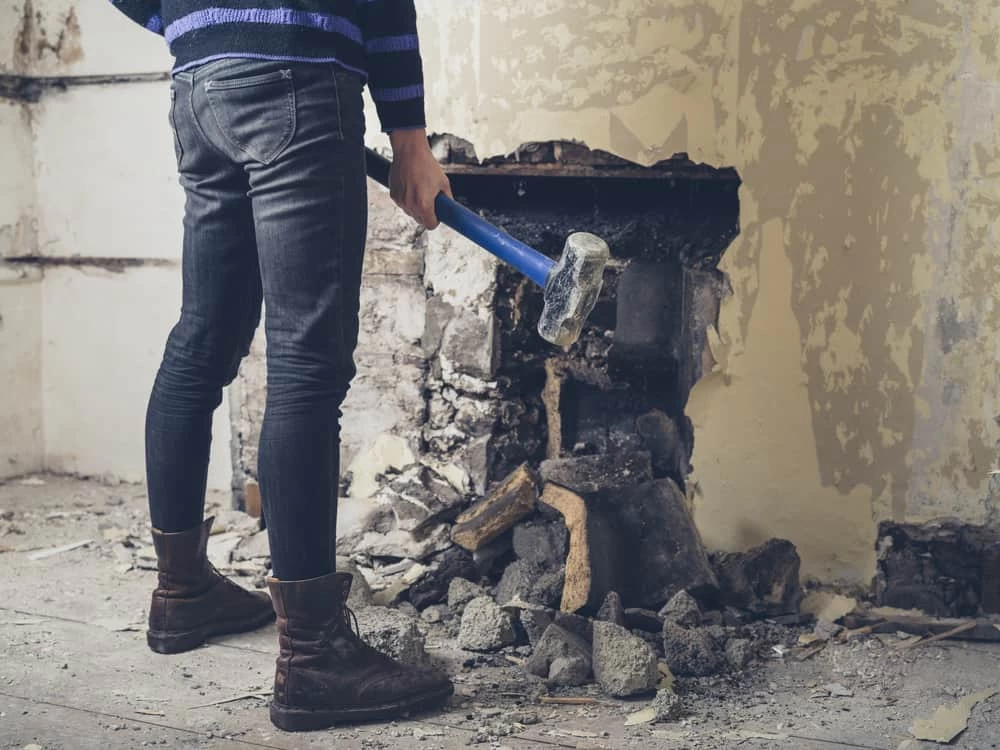
The service scope covers emergency board-up and structural stabilization, water extraction and advanced structural drying, mold assessment and remediation, roof repair and replacement, siding and window restoration, interior demolition where needed, and full reconstruction to current NYC DOB code. For homes in Hammel’s FEMA-designated flood hazard area, the work is completed in compliance with floodplain management standards which matters if your property has sustained what FEMA classifies as substantial damage.
Insurance is handled directly. We bill the insurance company, coordinate with the adjuster on-site, and document the full scope of loss including the hidden damage that a first adjuster estimate frequently undervalues. For most homeowners in Hammel, the out-of-pocket cost is the deductible. The question isn’t whether you can afford the restoration. It’s making sure your claim covers everything it should.
Does storm damage insurance cover saltwater flooding in Hammel, NY?
This is one of the most important questions for homeowners on the Rockaway Peninsula, and the answer depends on what type of policy you have. Standard homeowners insurance typically covers wind damage and rain intrusion things like a damaged roof that lets water in. But flooding from storm surge, which is what Hammel experiences during major events like Sandy, is generally covered only by a separate flood insurance policy, usually through FEMA’s National Flood Insurance Program (NFIP).
The distinction matters because saltwater surge flooding the kind that comes up from Jamaica Bay on the beach channel side or pushes in from the ocean side is classified as flood damage, not wind-driven rain damage. If you have both a homeowners policy and a flood policy, there may be coverage overlap in some areas and gaps in others. We document damage in a way that clearly identifies the cause and scope for each affected system, which helps ensure that the right policy is applied to the right portion of the claim. Getting that documentation right from the start prevents disputes with adjusters later.
How quickly does mold start growing after storm flooding in a Rockaway home?
Mold can begin growing within 24 to 48 hours of water intrusion under the right conditions and the coastal climate in Hammel provides exactly those conditions. The combination of warm temperatures during storm season, high ambient humidity from the surrounding water, and the older building stock common in this neighborhood creates an environment where mold establishes itself faster than it would in a drier inland area.
What makes this especially important in Hammel is that saltwater flooding accelerates the process. Salt is hygroscopic it draws moisture from the air and keeps materials damp longer than freshwater does, even after visible water has been removed. That means a home that looks dry on the surface may still have conditions inside the walls that are actively promoting mold growth. We begin mold prevention protocols as a standard part of every storm restoration job not as a separate service added after the fact. If you’ve had any water intrusion and it’s been more than 48 hours, that conversation needs to happen immediately.
What should I do in the first hour after storm damage to my Hammel home?
The most important thing you can do in the first hour is call a licensed restoration company and document everything before anything is moved or cleaned. Take photos and video of every affected room, every damaged surface, and every point of entry where water came in. This documentation is the foundation of your insurance claim, and gaps in it give adjusters room to undervalue the scope of loss.
If it’s safe to do so, stop any active water intrusion a tarp over a damaged roof section, towels against a door threshold. But don’t start pulling out wet materials or running fans on your own before a professional assesses the situation. In older homes like many of those near Beach Channel Drive, disturbing wet drywall or flooring without testing for asbestos or lead paint first can create a regulated hazardous materials situation that complicates the restoration and the insurance claim. Our team arrives with the equipment and the licenses to handle all of that properly from the first hour on-site.
How does Green Island Group handle the insurance claim process for storm damage?
We work directly with your insurance company we don’t hand you a bill and leave you to figure out the claim on your own. When we arrive on-site, we document the full scope of damage using moisture readings, thermal imaging, and detailed written reports that are formatted specifically for insurance adjuster review. That documentation covers both the visible damage and the hidden damage inside walls and structural systems that a standard adjuster walkthrough frequently misses.
From there, we coordinate directly with the adjuster, advocate for the complete scope of loss, and bill the insurance company directly for covered work. For most homeowners in Hammel, this means the out-of-pocket cost is limited to the deductible on the applicable policy. Where an initial adjuster estimate comes in lower than the actual scope of damage which happens regularly with storm claims that involve hidden water migration or saltwater intrusion we provide the supplemental documentation needed to support a revised claim. You shouldn’t have to fight that battle alone, and with us involved, you don’t have to.
How do I know if a storm damage contractor in the Rockaways is actually licensed?
After Superstorm Sandy, the Rockaway Peninsula was one of the most heavily targeted areas in New York City for fraudulent storm-chasing contractors. The pattern is well-documented: a truck shows up, someone takes a deposit, and either the work never gets done or it gets done wrong with no recourse. The way to avoid that is to verify credentials before anyone starts work and in New York, most of the relevant licenses are publicly searchable.
For work in New York City, a legitimate restoration contractor needs an NYC General Contractor license for structural and reconstruction work. Mold remediation on jobs over 10 square feet requires a NYS DOL Mold License required by New York State law under Article 32 of the Labor Law. Asbestos abatement requires a separate NYS DOL Asbestos License. Work in pre-1978 homes requires USEPA Lead and RRP certification. Debris removal in NYC requires a BIC Trade Waste License. We hold every one of these, and every one can be verified by name through the issuing agency. If a contractor can’t point you to a public record for their license, that’s your answer.
Is storm damage restoration more expensive for homes on the Rockaway Peninsula than elsewhere in Queens?
The honest answer is that restoration costs in Hammel and the broader Rockaway Peninsula can run higher than comparable jobs in mainland Queens and there are real reasons for that. Saltwater damage requires more involved remediation protocols than freshwater damage. Older building stock, including homes built before 1978, frequently requires asbestos testing and lead paint compliance before demolition work can begin. FEMA flood zone compliance adds a layer of documentation and construction requirements for properties that have sustained substantial damage. And the logistics of getting crews, equipment, and materials to a peninsula accessible by a limited number of bridges adds real operational cost.
That said, the more relevant number for most Hammel homeowners is the out-of-pocket cost after insurance and for covered storm damage, that’s typically the deductible. The total restoration cost matters for your claim documentation, but it’s not usually what comes out of your pocket. What does matter is making sure the full scope of damage is properly documented and claimed, because an incomplete claim leaves real money on the table. That’s where having a contractor who handles insurance billing directly, and advocates for the complete scope of loss, makes a tangible financial difference.