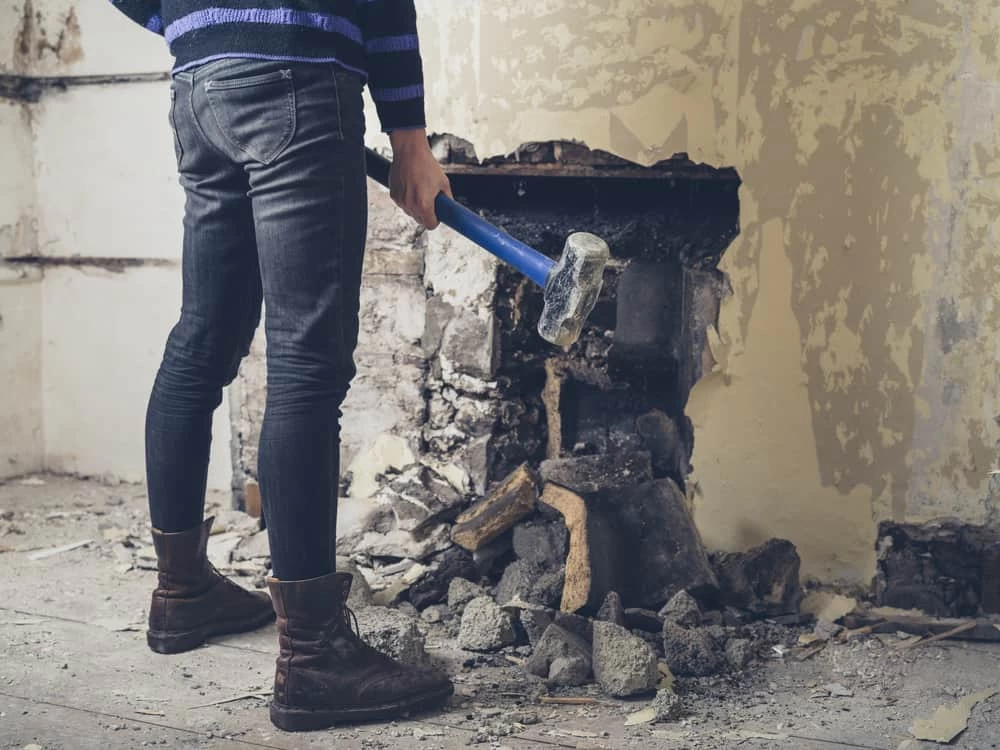
Hicksville's Older Homes Don't Leave Room for Shortcuts
When a storm hits a 1950s Cape Cod or ranch in Hicksville, the damage you can see is rarely all there is. We handle storm damage restoration in Nassau County with the full licensing stack to do it right — and the 24/7 availability to start before it gets worse.
I needed a professional consultation explanation of procedure for safe removal of Asbestos in my apartment complex. Without having an account yet, I was very impressed with the caring, knowledgeable and generous advice offered by Jessica, and will look forward to doing business in the future. Thank you so much! I feel much more informed about a sometimes scary endeavor. Peace. Nancy Silva Mineola, NY.
Mia Munoz
Used this company to clean up some water flood in my house. They were fast and easy to work with.very professional, Would recommend to anyone!
Nini Valle
Great company, had a flood and they responded quickly and efficiently. Billed my insurance company directly. I highly recommend this company!
joe colapietro, jr
I had pipe freeze in my basement right before a snow storm and they made to within an hour to help start the clean up process. They we by our side throughout the entire process and even helped with the insurance company. They did such a great job with the cleanup, repair, remidiation, I contracted them to perform the repairs and finishes in the basement. They came with enough manpower and material to get the job done. Leo and Jessica were nothing but a pleasure to deal with!!
Cristian Arredondo c
I had some water damage in my home and Green Island was able to take care of my issue quickly and effectively. I am very pleased with the work they did. They responded quickly and were very professional.
Michael M
Outstanding service! From the office to the field crew everyone was friendly, helpful and responsive. I highly recommend Green Island Group.
What Gets Fixed — and What Doesn't Get Missed in Mid-Century Hicksville Homes
Most of Hicksville’s housing stock was built between the 1940s and 1960s. That means when a Nor’easter tears shingles off your roof or a heavy rain event floods your basement, you’re not just dealing with the obvious damage. Water travels. It moves along rafters, soaks into wall cavities, and settles into insulation that was installed before modern building codes existed. By the time you notice a stain on your ceiling or a musty smell in the basement, the problem is already bigger than it looks.
That 24 to 48-hour window matters more in Hicksville than people realize. Older homes with less ventilation in attics and crawl spaces create exactly the conditions mold needs to take hold fast. A roof breach on a Tuesday night can mean active mold growth by Thursday morning — and at that point, what started as storm damage repair has become a full remediation job.
The other thing that catches homeowners off guard is the regulatory side. If your home was built before 1978 — and the majority in Hicksville were — any repair work that disturbs painted surfaces or older insulation materials requires specific state and federal certifications. That’s not a technicality. It’s a legal requirement, and it affects who can legally do the work. Getting that wrong doesn’t just create health risks; it can create liability problems when you go to sell. A complete restoration means addressing all of it, not just what’s visible from the driveway.
We’re a Nassau County-licensed general contractor and full-service disaster restoration company serving Hicksville and the surrounding area around the clock. This isn’t a national franchise routing calls through a 1-800 number. We’re a Long Island-based operation with the specific credentials Nassau County requires — verifiable through Nassau County Consumer Affairs — and the specialty licenses New York State mandates for mold remediation, asbestos handling, and lead paint work.
That matters in a community like Hicksville, where homes along Hicksville South and Hicksville Northeast were built in an era when asbestos and lead were standard construction materials. Storm damage in these homes doesn’t always stay in its lane. We hold a NYS DOL Mold Remediation License, a NYS DOL Asbestos Handler License, USEPA Lead Certification, and USEPA RRP Certification — meaning the full scope of what storm damage uncovers in an older Hicksville home can be handled in-house, legally, without bringing in a second or third contractor.
We’re also an Approved Emergency Response Contractor through the New York State Office of General Services — a government-level designation that requires state vetting before any homeowner ever places a call.
From the First Call to the Final Inspection — No Gaps
When you call, someone picks up — any hour, any day. The first priority is stopping the damage from spreading. That means emergency board-up, tarping, or water extraction depending on what the storm left behind. These protective measures don’t require a permit and can begin immediately, which is exactly what needs to happen when water is actively moving through your home.
Once the emergency phase is stabilized, we conduct a full assessment — and this is where thermal imaging comes in. A visual inspection alone won’t find moisture that’s already migrated inside wall cavities or beneath flooring. Industrial thermal cameras detect hidden water intrusion that the naked eye misses entirely, and in Hicksville’s mid-century ranch and Cape Cod homes, that hidden moisture is often the more expensive problem. Finding it on day one prevents a much larger job six weeks later.
From there, the restoration scope is documented and submitted directly to your insurance company. We handle the claim paperwork and bill your insurer directly, so you’re not fronting costs while waiting for a check. Permanent structural repairs — roofing, framing, drywall, and any regulated material handling — are permitted through the Town of Oyster Bay as required before work begins. You’ll know what’s happening at every step, and nothing moves forward without your sign-off.
Built for Hicksville's Homes — Not a Generic Checklist
Storm damage restoration in Hicksville covers more ground than most homeowners expect going in. Wind damage and roof repair are the starting point — shingle replacement, flashing repair, structural decking, and chimney work where needed. But because Hicksville’s housing stock skews older, the job frequently extends into water damage mitigation, structural drying, mold remediation, and regulated material handling all within the same project. We carry every license required to move through that full scope without stopping to bring in outside contractors.
Water extraction and structural drying use industrial-grade equipment — not hardware store fans. The difference matters when you’re trying to dry out a basement or attic in a home with limited ventilation, which describes a significant portion of the ranch-style and split-level homes throughout Hicksville South and Hicksville Northeast. Proper drying prevents secondary damage and is also what your insurance adjuster needs to see documented before approving a full claim.
For pre-1978 homes — which covers most of Hicksville — any scope involving demolition, surface disturbance, or insulation removal is handled under our USEPA RRP and NYS DOL Asbestos certifications. This isn’t an add-on. It’s built into how the job is run from the start, because in this zip code, it almost always applies. Every job is backed by a 100% satisfaction guarantee, full liability insurance, and workers’ compensation coverage.
Does homeowners insurance cover storm damage repair in Hicksville, NY?
In most cases, yes — standard homeowners insurance policies cover sudden and accidental storm damage, including wind damage, roof damage from fallen trees, and water intrusion caused by a storm breach. What’s typically not covered is flooding from ground-level water, which falls under a separate flood insurance policy. This distinction matters in Hicksville because the area’s storm damage profile is primarily wind-driven and rainfall-related rather than coastal surge, but extreme rainfall events like the remnants of Hurricane Ida in 2021 caused significant basement flooding throughout Nassau County from surface runoff and drainage overflow — which may or may not be covered depending on how your policy is written.
The most important thing you can do after storm damage is document everything before cleanup begins and contact a restoration contractor who can provide the detailed written scope your adjuster needs. We handle the insurance documentation and bill your carrier directly, which removes the out-of-pocket burden during what is already a stressful situation. If there’s any ambiguity in your coverage, having thorough documentation from a licensed contractor is what supports a successful claim.
How quickly does mold grow after storm flooding in a Hicksville home?
Mold can begin growing within 24 to 48 hours of water intrusion under the right conditions — and older homes in Hicksville create those conditions readily. Mid-century ranch homes and Cape Cods throughout Hicksville typically have less attic ventilation and more confined crawl spaces than newer construction, which means moisture lingers longer and mold takes hold faster. If a storm compromises your roof or allows water into your basement on a Monday, you could be looking at active mold growth by Wednesday without intervention.
The other factor is that mold often starts where you can’t see it — inside wall cavities, beneath subfloor materials, in attic insulation. By the time there’s a visible stain or a detectable odor, the colony is already established. This is why thermal imaging during the initial assessment isn’t optional — it’s how you find the problem before it becomes a much more expensive remediation job. Speed matters here, and so does having a contractor who can legally handle mold remediation under New York State’s DOL licensing requirements, which are mandatory for any mold work in NY regardless of the size of the job.
Do I need a permit to repair storm damage on my Hicksville home?
It depends on the scope of the work. Emergency protective measures — tarping a damaged roof, boarding up a broken window, extracting standing water — don’t require a permit and should begin immediately. But once you move into permanent repairs, the rules change. Structural roof repairs, full roof replacements, and any work involving structural framing or load-bearing elements require a building permit from the Town of Oyster Bay, which is the governing municipality for Hicksville.
Skipping the permit process is one of the more common and costly mistakes Hicksville homeowners make after storm damage, especially when they’re in a hurry to get things fixed. Unpermitted repairs can create problems when you file future insurance claims, and they can complicate a home sale significantly — buyers’ attorneys and inspectors will flag unpermitted structural work. We navigate the Town of Oyster Bay permitting process as a standard part of every job, so your repairs are documented, inspected, and fully above board from start to finish.
Can storm damage disturb asbestos or lead paint in older Hicksville homes?
Yes, and it’s more common than most homeowners expect. The majority of homes in Hicksville were built between the 1940s and 1960s — well before the federal lead paint ban of 1978 and before asbestos was phased out of residential construction materials in the late 1970s and early 1980s. Asbestos was commonly used in pipe insulation, floor tiles, roofing underlayment, and joint compound during that era. When storm damage requires demolition, structural repair, or roof work on one of these homes, there’s a real possibility of disturbing materials that are now regulated under New York State and federal law.
In New York, any contractor performing mold work must hold a NYS DOL Mold Remediation License, and any work disturbing asbestos-containing materials requires a NYS DOL Asbestos Handler License. USEPA RRP Certification is required for renovation and repair work in pre-1978 homes where painted surfaces are disturbed. We hold all of these credentials, which means the full scope of what storm damage uncovers in a Hicksville home can be handled legally and safely in-house — without stopping the job to bring in a separate licensed subcontractor.
How do I know if a storm damage contractor in Nassau County is actually licensed?
Nassau County requires home improvement contractors to hold a valid license through the Nassau County Office of Consumer Affairs. You can verify a contractor’s license status directly through the county — it’s a public record and takes about two minutes to check. Beyond the county-level general contractor license, New York State has its own separate licensing requirements for mold remediation and asbestos work through the NYS Department of Labor, and the federal government requires USEPA certification for lead and RRP work in pre-1978 homes. These are not the same credential, and a contractor can hold a general contractor license without holding any of the specialty licenses.
After major storm events, Nassau County consistently sees an influx of out-of-state contractors who aren’t licensed to work here at all. They may do fast work at a low price, but if something goes wrong — or if the work is later flagged as unpermitted or performed by an unlicensed contractor — the liability falls on you as the homeowner. Asking for license numbers and verifying them before signing anything is the single most important step you can take to protect yourself after a storm.
What should I do in the first hour after storm damage to my Hicksville home?
The first thing is safety — don’t enter a structurally compromised area, and if there’s any chance of electrical contact with standing water, stay out until the power is confirmed off. Once it’s safe, document everything with photos and video before you touch anything. Insurance adjusters work from documentation, and the more thorough yours is, the stronger your claim. Photograph the exterior damage, interior water intrusion, any damaged belongings, and the surrounding area if a tree or debris is involved.
Then call a licensed restoration contractor — not a general handyman — as quickly as possible. In Hicksville’s older housing stock, the clock on mold growth starts within 24 to 48 hours of water entry, and the longer structural materials stay wet, the more the damage compounds. We respond 24 hours a day, seven days a week, and can deploy emergency protective measures the same night if needed. Many Hicksville residents are LIRR commuters who aren’t home during daytime hours — we can mobilize, assess, and begin protective work without requiring you to be present for every step, which matters when you’re managing a property emergency around a full work schedule.