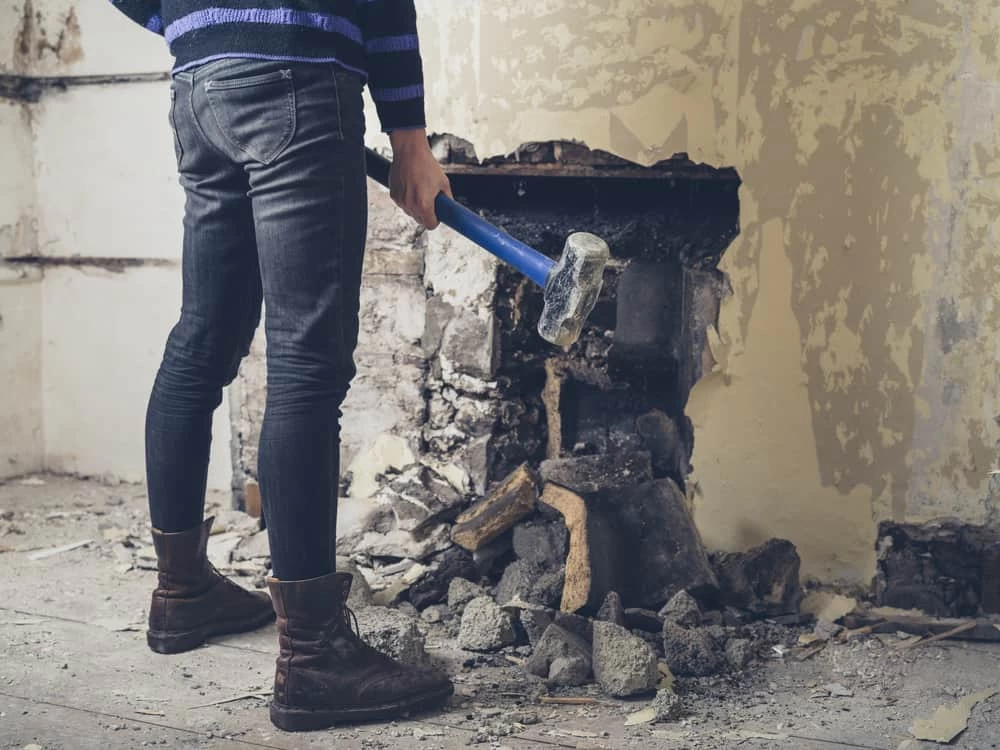
We respond within the hour handling everything from basement water extraction to full structural restoration, with direct insurance billing so you’re not left fighting the claim alone.
I needed a professional consultation explanation of procedure for safe removal of Asbestos in my apartment complex. Without having an account yet, I was very impressed with the caring, knowledgeable and generous advice offered by Jessica, and will look forward to doing business in the future. Thank you so much! I feel much more informed about a sometimes scary endeavor. Peace. Nancy Silva Mineola, NY.
Mia Munoz
Used this company to clean up some water flood in my house. They were fast and easy to work with.very professional, Would recommend to anyone!
Nini Valle
Great company, had a flood and they responded quickly and efficiently. Billed my insurance company directly. I highly recommend this company!
joe colapietro, jr
I had pipe freeze in my basement right before a snow storm and they made to within an hour to help start the clean up process. They we by our side throughout the entire process and even helped with the insurance company. They did such a great job with the cleanup, repair, remidiation, I contracted them to perform the repairs and finishes in the basement. They came with enough manpower and material to get the job done. Leo and Jessica were nothing but a pleasure to deal with!!
Cristian Arredondo c
I had some water damage in my home and Green Island was able to take care of my issue quickly and effectively. I am very pleased with the work they did. They responded quickly and were very professional.
Michael M
Outstanding service! From the office to the field crew everyone was friendly, helpful and responsive. I highly recommend Green Island Group.
After a storm hits Jamaica, the visible damage is usually the least of your problems. Water that gets into a basement especially in South Jamaica’s low-lying blocks or the older brick homes along Jamaica Hills doesn’t stay put. It moves into walls, under floors, and into the building materials that were never designed to get wet. By the time you see a stain or smell something off, you’re already dealing with more than surface damage.
What changes when the job is done right is that you’re not just dry you’re actually restored. The structure is sound. The moisture is gone, not just surface-dried. The mold risk has been addressed before it becomes a mold problem. And your insurance claim reflects the full scope of what happened, not just what an adjuster spotted in a fifteen-minute walkthrough.
Jamaica’s housing stock spans nearly a century of construction styles from the early 1900s colonials in Jamaica Estates to mid-century row houses throughout the neighborhood. Older buildings hide water intrusion in ways that newer construction doesn’t. Getting a complete restoration means finding that hidden damage before it becomes a six-month headache, and that’s exactly what a thorough, certified process delivers.
Every License This Job Legally Requires We Hold It
We’ve completed more than 5,000 restoration projects across New York, and the credentials behind that work aren’t just marketing. They’re legal requirements. In New York City, storm damage restoration isn’t something just anyone can do legally from start to finish. Pulling DOB permits, handling mold remediation over 10 square feet, working on pre-1978 homes, removing debris from the five boroughs each of those steps has a specific licensing requirement, and we hold every one of them.
That includes an NYC General Contractor license, NYS DOL Mold License, USEPA Lead and RRP Certification, IICRC Water Damage certification, and an NYC BIC Trade Waste license. For Jamaica homeowners many of whom are dealing with older buildings, basement flooding, and the kind of compound water damage that Jamaica Bay’s drainage basin makes routine that credential stack matters more than it would almost anywhere else in the metro area.
We also hold NYS and NYC M/WBE certifications, government-verified recognition that no storm chaser or out-of-area operator can replicate.
From the First Call to the Final Inspection, Here's How We Handle It
When you call, the first thing that happens is a rapid response we aim to be on-site within the hour. In Jamaica, where basement flooding can escalate quickly and older building envelopes don’t handle water intrusion the way newer construction does, that arrival window isn’t just a convenience. It’s the difference between a manageable remediation and a much larger problem.
Once on-site, we assess the full scope of damage not just what’s visible. Moisture meters and thermal imaging get used on walls, floors, and ceilings to find the water that isn’t showing itself yet. From there, the process moves into extraction, structural drying, and stabilization. If there’s roof damage, temporary tarping and board-up happen immediately to stop additional exposure. Debris removal follows, handled under our NYC BIC Trade Waste license so disposal is fully legal and documented.
The reconstruction phase repairs, replacement, interior restoration runs through our NYC General Contractor license, which means permits get pulled correctly and the work passes city inspection. Throughout all of it, we document everything for your insurance claim and coordinate directly with your adjuster. You don’t have to manage that process yourself. Most of Jamaica’s residential buildings predate 1978, so lead-safe work practices under EPA RRP certification are standard on every applicable job not an afterthought.
Storm damage restoration in Jamaica covers a lot of ground, and we handle all of it under one roof. Emergency response and stabilization, temporary board-up and tarping, water extraction and structural drying, mold prevention, debris removal, roof repair, siding and window replacement, and full interior reconstruction it’s one job, one team, one insurance claim.
That matters specifically in Jamaica because the damage profile here isn’t one-dimensional. A single storm event can mean roof damage from wind, basement flooding from overwhelmed combined sewers, sewage-contaminated water requiring licensed remediation, and mold risk that starts the clock within 24 to 48 hours of initial water intrusion. Hiring separate vendors for each phase a mitigation company, a general contractor, a roofer, an interior finisher creates gaps in accountability and gaps in your insurance documentation. Our full-service model eliminates that.
For properties in South Jamaica, Jamaica Estates, Jamaica Hills, and throughout Queens Community Board 12, the service also includes direct insurance billing and adjuster coordination. The initial estimate an adjuster produces after a major storm is often incomplete missing hidden damage or undervaluing materials. We supplement claims with Xactimate documentation that adjusters recognize, so the payout reflects what actually happened to your property, not just what was visible on the surface.
Does homeowners insurance cover basement flooding after a storm in Jamaica, NY?
It depends on how the water got in, and that distinction matters a lot in Jamaica. Standard homeowners insurance typically covers sudden and accidental water damage like a storm that drives water through a damaged roof or broken window and into your basement. What it usually doesn’t cover is flooding from external sources, like the kind of stormwater and combined sewer backflow that Jamaica’s aging infrastructure produces during heavy rain events.
If your basement flooded because Jamaica’s combined sewer system backed up during a storm which is a documented and recurring issue in this neighborhood that’s typically a flood or sewer backup claim, not a standard homeowners claim. Separate flood insurance through the NFIP or a private carrier, or a sewer backup rider on your homeowners policy, would cover that scenario. The honest answer is that you need to know what type of water caused the damage before you know which coverage applies. We document the source and nature of the damage thoroughly, which is exactly what your insurer needs to process the right type of claim correctly.
How quickly does mold grow after storm water damage in a Queens home?
Mold can begin colonizing within 24 to 48 hours of water intrusion under the right conditions and Jamaica’s older housing stock creates those conditions reliably. Pre-war plaster walls, original wood framing, and mid-century building materials absorb moisture in ways that modern construction doesn’t, and they hold it longer. A basement that floods on a Tuesday night can have active mold growth by Thursday if it isn’t properly extracted and dried.
The other factor specific to Jamaica is that a significant portion of flooding here involves sewage-contaminated water from combined sewer overflows water that carries organic material and bacteria that accelerate mold and microbial growth well beyond what clean rainwater would produce. That’s not a situation where running a box fan for a few days solves the problem. It requires professional extraction, antimicrobial treatment, and documented moisture readings to confirm the space is actually dry before the mold clock stops ticking. Our mold prevention protocols are built into every water damage job not sold separately after the fact.
Do I need a permit for storm damage repairs in New York City?
For anything beyond cosmetic repairs, yes. New York City’s Department of Buildings requires permits for structural work, roofing replacement, and significant interior repairs all of which storm damage routinely involves. In Jamaica specifically, where a large portion of the housing stock is older and may have existing DOB records, unpermitted work can create title issues, insurance complications, and problems if you ever sell the property.
The practical issue is that many restoration companies hold mitigation certifications but not a New York City General Contractor license which means they can dry your basement but cannot legally pull a DOB permit for the reconstruction phase. That forces you to hire a separate GC, adding cost, time, and a gap in your project where your home sits partially repaired. We hold an active NYC GC license and handle the permit process as part of the restoration, so the work is inspected, documented, and fully above board from start to finish.
What should I do immediately after storm damage to your Jamaica home?
The first priority is safety don’t enter a basement with standing water until you’ve confirmed the electricity is off. In Jamaica, where basement flooding from storm events can involve sewage-contaminated backflow, that water is also a health hazard, not just a property damage issue. Once you’re safe, call a restoration company before you call your insurance company. The reason is that a professional assessment gives you documentation of the full scope of damage, which strengthens your claim from the start rather than leaving you to describe the damage yourself after the fact.
Take photos and video of everything you can access safely walls, floors, ceilings, any damaged contents. Don’t throw anything away until it’s been documented, even if it looks like a total loss. Then call us. We arrive, assess the full extent of damage including what’s hidden behind walls and under floors, stabilize the structure if needed, and begin the insurance documentation process. You don’t have to figure out the adjuster conversation on your own that coordination is part of what we handle.
How do I know if a storm damage contractor in Jamaica is actually licensed to do the work?
In New York City, you can verify a General Contractor license through the NYC Department of Buildings website. NYS DOL Mold licenses are searchable through the New York State Department of Labor’s online license lookup. EPA Lead/RRP certifications are verifiable through the EPA’s contractor search tool. These aren’t difficult to check, and any legitimate contractor should be able to hand you their license numbers without hesitation.
The reason this matters so much in Jamaica is that after a major storm, door-to-door contractors appear quickly and not all of them are operating legally. Performing mold remediation without a NYS DOL Mold License in New York State is illegal on any project over 10 square feet. Working on pre-1978 homes without EPA Lead/RRP certification violates federal law. Removing debris in the five boroughs without an NYC BIC Trade Waste license is a city violation. If a contractor can’t produce verifiable license numbers for all of these, you’re taking on legal and financial risk by hiring them even if the price looks attractive. Our licenses are current, verifiable, and cover every phase of storm damage restoration in Jamaica.
How long does storm damage restoration typically take for a home in Jamaica, NY?
The honest answer is that it depends on what the damage actually looks like once the full assessment is done and in Jamaica’s older housing stock, that assessment often reveals more than what’s visible on the surface. A straightforward water extraction and drying job in a finished basement might take three to five days to reach confirmed dry standards. A job that involves roof damage, water intrusion into wall cavities, and interior reconstruction in a pre-war Jamaica Estates or Jamaica Hills home can run several weeks.
What extends timelines in New York City specifically is the permitting process. DOB permits for structural work take time, and the inspection schedule adds days to the reconstruction phase. We factor this into the project timeline from the beginning and keep you updated at each stage. The insurance documentation and adjuster coordination process also runs parallel to the physical work, so you’re not waiting on claim resolution after the repairs are done. The goal is always to move as fast as the process legally allows because every extra day your home sits in a damaged or partially restored state is a day the risk of secondary damage, mold growth, or further deterioration continues.