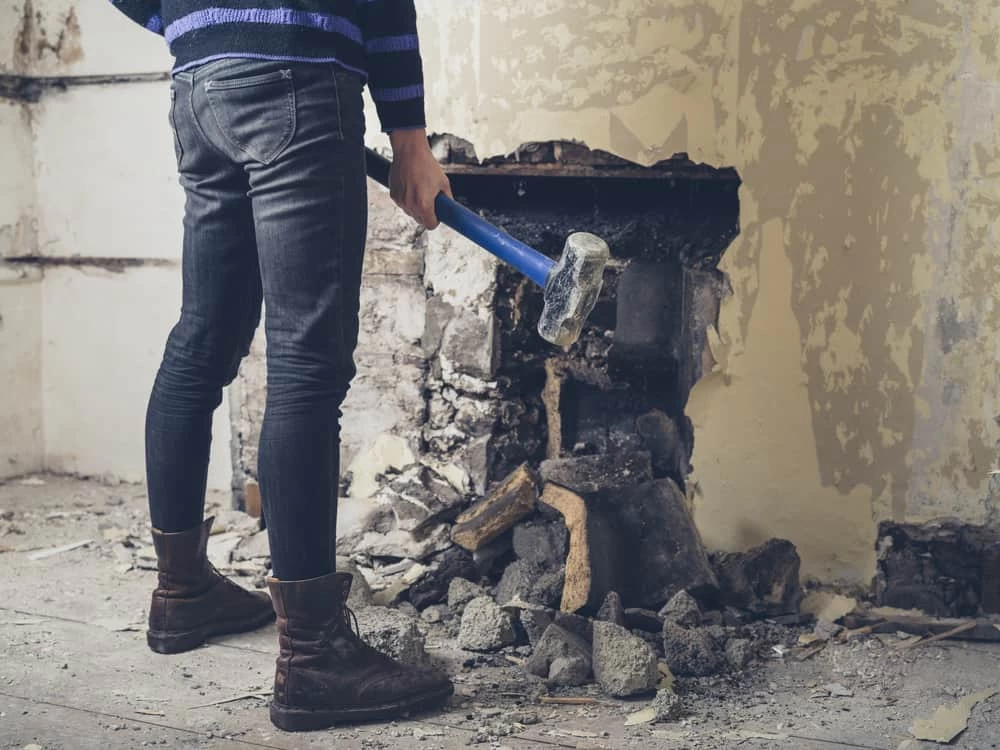
When a Nor'easter Hits a Gold Coast Home, the Damage Goes Deeper Than the Roof
Storm damage in Locust Valley doesn’t stop at broken shingles. In homes built before the 1940s — and over 42% of Locust Valley’s housing stock was — water gets into places most contractors never check. We do.
I needed a professional consultation explanation of procedure for safe removal of Asbestos in my apartment complex. Without having an account yet, I was very impressed with the caring, knowledgeable and generous advice offered by Jessica, and will look forward to doing business in the future. Thank you so much! I feel much more informed about a sometimes scary endeavor. Peace. Nancy Silva Mineola, NY.
Mia Munoz
Used this company to clean up some water flood in my house. They were fast and easy to work with.very professional, Would recommend to anyone!
Nini Valle
Great company, had a flood and they responded quickly and efficiently. Billed my insurance company directly. I highly recommend this company!
joe colapietro, jr
I had pipe freeze in my basement right before a snow storm and they made to within an hour to help start the clean up process. They we by our side throughout the entire process and even helped with the insurance company. They did such a great job with the cleanup, repair, remidiation, I contracted them to perform the repairs and finishes in the basement. They came with enough manpower and material to get the job done. Leo and Jessica were nothing but a pleasure to deal with!!
Cristian Arredondo c
I had some water damage in my home and Green Island was able to take care of my issue quickly and effectively. I am very pleased with the work they did. They responded quickly and were very professional.
Michael M
Outstanding service! From the office to the field crew everyone was friendly, helpful and responsive. I highly recommend Green Island Group.
What Gets Fixed in Locust Valley — and What Doesn't Get Missed
Most storm contractors in this area will patch the visible damage and move on. That’s fine for a 1990s subdivision in Levittown. It’s not fine for a 1930s colonial on a wooded lot off Birch Hill Road in Locust Valley, where water behind original plaster walls can sit undetected for weeks before anyone realizes what’s happening underneath.
Locust Valley’s housing stock is genuinely older than most of Nassau County. When a mature oak comes down on a slate roof during a Nor’easter — and that happens here more than people expect — the damage chain doesn’t end at the point of impact. Water migrates through old-growth framing. It soaks into lathe and plaster. It reaches original hardwood floors two rooms away from where the tree actually hit. Thermal imaging catches what the naked eye doesn’t, and that’s exactly the kind of assessment that separates a real restoration from a surface-level repair.
There’s also the environmental layer that most contractors simply aren’t licensed to touch. Homes built before 1978 — which covers the vast majority of Locust Valley — are regulated environments for lead paint. Homes built before 1980 commonly contain asbestos in floor tiles, pipe insulation, and roofing materials. Storm damage that disturbs those materials isn’t just a structural problem. It’s a legal and health issue. We hold NYS DOL Mold Remediation, NYS DOL Asbestos Handler, and USEPA Lead certifications — meaning every layer of the damage gets handled legally, under one roof, without subcontractors.
Every License That Locust Valley's Older Homes Actually Require
We’re a full-service disaster restoration and remediation company operating 24/7 across Nassau County, Suffolk County, Queens, and New York City. The Nassau County General Contractor license isn’t a detail — it’s the specific credential required to legally perform structural restoration work in the Town of Oyster Bay, which is exactly where Locust Valley sits. That’s not the same as a generic state license, and it’s verifiable.
Beyond the GC license, we hold NYS DOL Mold Remediation, NYS DOL Asbestos Handler, USEPA Lead, and USEPA RRP certifications — plus approval as an NYS Office of General Services Emergency Response Contractor, a government-level pre-qualification that most storm contractors operating in this area have never heard of, let alone earned.
For homeowners in Locust Valley and throughout the surrounding villages of Lattingtown, Matinecock, and Mill Neck, that depth of licensing isn’t overkill. Given the age and character of the homes here, it’s the baseline you should expect from anyone you let through the door after a storm.
What the Restoration Process Looks Like for a North Shore Home
It starts with a 24/7 call. Whether a storm rolls through at 2 AM in January or a late-summer tropical system comes up the coast on a Sunday, someone picks up. From there, the first priority is stopping active damage — securing the property, tarping breached roofing, boarding openings, and extracting standing water before the 24–48 hour mold window closes. In Locust Valley’s older homes, that window matters more than it does in newer construction. Plaster walls hold moisture differently than drywall, and the longer water sits in original framing, the more expensive the problem becomes.
Once the property is stabilized, the full assessment begins. Industrial thermal imaging cameras scan walls, ceilings, and floors for hidden moisture — the kind that doesn’t show up until it’s already caused structural damage or triggered mold growth behind original finishes. Moisture meters confirm what the thermal cameras flag. This step is what separates a thorough restoration from a patch job that comes back to haunt you six months later.
From there, the documented scope of work goes directly to your insurance company. We handle the billing and the paperwork, which matters on a high-value Nassau County property where the claim documentation directly affects what you recover. Permanent repairs — which require permits through the Town of Oyster Bay Building Department — are handled with proper permitting in place. If the damage disturbed asbestos or lead materials, those are remediated under the appropriate NYS and USEPA licenses before any structural repair work closes them back in.
Storm Damage Restoration Services, Locust Valley NY
Built for Homes That Predate the Contractors Knocking on Your Door
Storm damage restoration in Locust Valley covers more ground than it does in most Nassau County communities, and that’s a direct result of the housing stock. When you’re dealing with a home built in the 1920s or 1930s — original plaster, original framing, original roofing materials — the restoration scope has to account for what those materials do under water and wind stress, and what licensed requirements apply the moment storm damage disturbs them.
The core services we provide include emergency water extraction, structural drying with commercial-grade dehumidifiers, mold remediation, roof and structural repair, and full interior restoration. For properties in the surrounding villages — Lattingtown, Bayville, Centre Island, Mill Neck — coastal wind exposure and proximity to Long Island Sound add storm surge and wind-driven rain to the damage profile, and the restoration approach adjusts accordingly. Fallen tree damage, which is disproportionately common in this area given the density and age of the tree canopy on large-lot estate properties, is handled from the point of impact through full structural repair.
Where storm damage has disturbed asbestos-containing materials or lead paint — both common in pre-1978 homes throughout Locust Valley — proper abatement is completed under NYS DOL and USEPA licensing before any restoration work seals those materials back in. Every job includes direct insurance billing and full documentation, so your claim reflects the actual scope of damage rather than what a less thorough assessment would have found.
Does storm damage in older Locust Valley homes create asbestos or lead risks?
In Locust Valley, where over 42% of homes were built before the 1940s, this is a real and common concern — not a theoretical one. Asbestos was standard in construction materials used through the late 1970s: floor tiles, pipe insulation, attic insulation, roofing felt, and certain types of exterior siding. Lead paint was the norm in homes built before 1978. Storm damage that breaches exterior surfaces, disturbs original flooring, or opens up walls can expose both.
The legal requirement in New York is clear. Any work that disturbs asbestos-containing materials must be performed by a NYS DOL-licensed Asbestos Handler. Any renovation or repair work in a pre-1978 home that affects painted surfaces requires a USEPA RRP-certified firm. Hiring a contractor who doesn’t hold those credentials doesn’t just create a health risk — it creates liability for you as the homeowner. We hold both certifications, which means the full damage chain gets handled legally without bringing in separate vendors or leaving gaps in the process.
How quickly does mold start growing after storm flooding in an old Locust Valley house?
Mold can begin growing in as little as 24 to 48 hours after water intrusion — and in a pre-war Locust Valley home with original plaster walls and old-growth wood framing, that timeline is less forgiving than it is in modern construction. Plaster absorbs and retains moisture differently than drywall. Water that enters through a storm-damaged roof or a breached exterior wall can migrate through plaster and lathe for days without any visible surface evidence, which is why thermal imaging is essential rather than optional in homes like these.
The practical implication is that the response window after a storm is short. Waiting until the next business day to make calls, or assuming the damage is limited to what you can see, is how a manageable restoration becomes a full mold remediation project. If your home took on water during a Nor’easter or a tropical system, the right move is to get someone in immediately — not to wait and see. Our 24/7 availability exists specifically for that window.
Do I need a permit for storm damage repairs in the Town of Oyster Bay?
It depends on the scope of work. Emergency temporary repairs — tarping a breached roof, boarding windows, stopping active water intrusion — can be done without advance permits, and getting those done immediately is the right call. But permanent repairs are a different matter. Complete roof replacements, structural repairs following storm damage, and any work that affects the structural integrity of the home require permits through the Town of Oyster Bay Building Department, which is the governing authority for unincorporated Locust Valley.
If your property is in one of the surrounding incorporated villages — Lattingtown, Matinecock, Mill Neck, Bayville, or Centre Island — each of those has its own village building department with its own permit requirements, and some have additional local requirements for historic or estate properties. A contractor who doesn’t understand the difference between Town of Oyster Bay jurisdiction and village jurisdiction can create permitting problems that delay your restoration and complicate your insurance claim. We handle permitting as part of the restoration process.
Will you work directly with my homeowner's insurance company?
Yes, and this is one of the more practically valuable things we do for homeowners dealing with storm damage on high-value Nassau County properties. The documentation that goes into an insurance claim — the scope of damage, the moisture readings, the thermal imaging results, the itemized restoration costs — directly affects what you recover. A thorough assessment and well-documented claim on a $1 million-plus Locust Valley property is worth real money compared to a surface-level report.
We bill your insurance company directly and handle the paperwork throughout the process. Our customers have confirmed this in their own words — the direct billing removes the out-of-pocket burden while your home is being restored, and the documentation process is handled by people who understand how to present storm damage claims accurately and completely. You’re not left coordinating between a contractor and an adjuster on your own during an already stressful situation.
What types of storm damage are most common in Locust Valley, NY?
The North Shore’s exposure to Nor’easters is the primary driver of storm damage calls in this area. Unlike hurricanes, which are seasonal and relatively predictable, Nor’easters can arrive any time between October and April, move slowly, and linger for 24 to 48 hours with sustained winds capable of matching tropical storm intensity. For Locust Valley specifically, the combination of mature tree canopies on large wooded lots and older homes with complex roof geometries — dormers, multiple pitches, slate and cedar shake surfaces — creates a specific damage profile.
Fallen tree damage is disproportionately common here compared to newer, more cleared suburban communities. A large oak or maple that’s been growing on an estate property for decades can cause significant structural damage when it comes down on a roof during a prolonged windstorm. Beyond that, ice dams forming on older roofs with irregular pitches, burst pipes from freeze-thaw cycles, and basement flooding in homes with aging stone foundations or older waterproofing systems are all recurring issues throughout Locust Valley and the surrounding villages each winter.
How do I know if a storm damage contractor is actually licensed to work in Nassau County?
This is worth asking directly, and any legitimate contractor should be able to answer it immediately. In Nassau County, general contractor licensing is county-specific — a New York State license alone doesn’t authorize a contractor to perform structural work in the Town of Oyster Bay. You can verify a Nassau County General Contractor license through the county’s licensing database. If a contractor can’t provide a verifiable Nassau County license number, that’s a meaningful red flag, particularly after a major storm when the area sees an influx of out-of-state and unlicensed operators.
Beyond the GC license, the additional credentials matter more in Locust Valley than in most Nassau County communities because of the age of the housing stock. NYS DOL Mold Remediation and Asbestos Handler licenses, USEPA Lead and RRP certifications — these aren’t add-ons. They’re legal requirements for the work that storm damage in a pre-war home routinely uncovers. We hold all of them, and every license number is verifiable. The NYS Office of General Services Emergency Response Contractor approval adds a government-level layer of vetting on top of that — something worth asking any contractor in this market whether they hold.