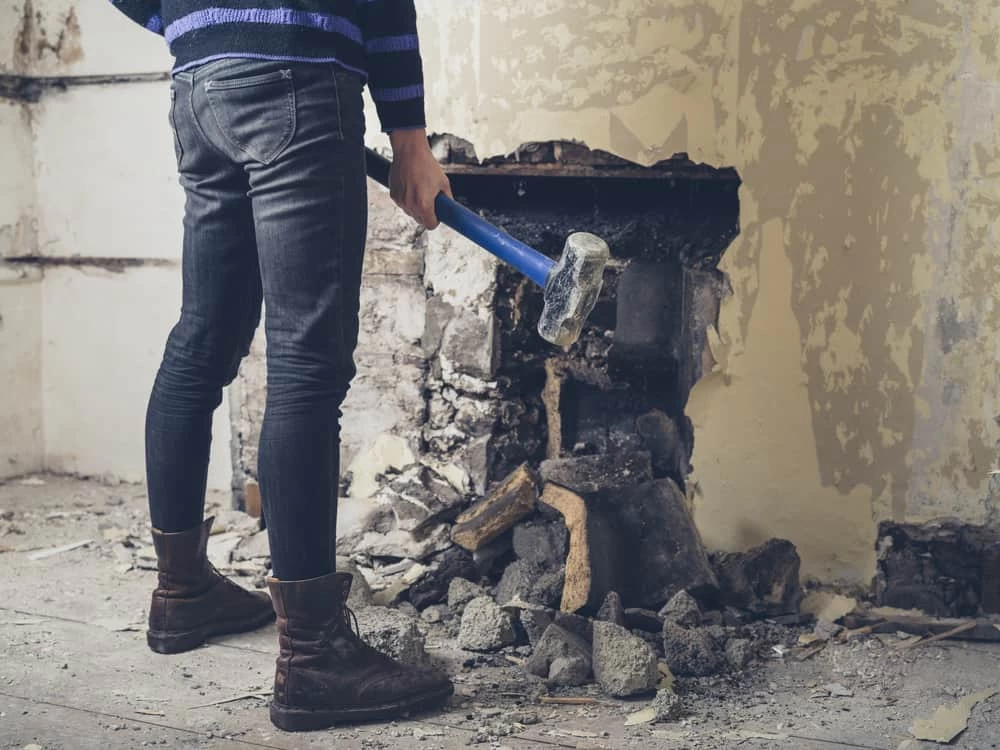
When the North Shore Hits Hard, You Need More Than a Patch Job
Mount Sinai takes storms seriously and so do we. Green Island Group responds 24/7 to storm damage restoration calls across Mount Sinai, NY, with the Suffolk County licensing, IICRC certifications, and real local knowledge to back it up.
I needed a professional consultation explanation of procedure for safe removal of Asbestos in my apartment complex. Without having an account yet, I was very impressed with the caring, knowledgeable and generous advice offered by Jessica, and will look forward to doing business in the future. Thank you so much! I feel much more informed about a sometimes scary endeavor. Peace. Nancy Silva Mineola, NY.
Mia Munoz
Used this company to clean up some water flood in my house. They were fast and easy to work with.very professional, Would recommend to anyone!
Nini Valle
Great company, had a flood and they responded quickly and efficiently. Billed my insurance company directly. I highly recommend this company!
joe colapietro, jr
I had pipe freeze in my basement right before a snow storm and they made to within an hour to help start the clean up process. They we by our side throughout the entire process and even helped with the insurance company. They did such a great job with the cleanup, repair, remidiation, I contracted them to perform the repairs and finishes in the basement. They came with enough manpower and material to get the job done. Leo and Jessica were nothing but a pleasure to deal with!!
Cristian Arredondo c
I had some water damage in my home and Green Island was able to take care of my issue quickly and effectively. I am very pleased with the work they did. They responded quickly and were very professional.
Michael M
Outstanding service! From the office to the field crew everyone was friendly, helpful and responsive. I highly recommend Green Island Group.
After a storm tears through Mount Sinai, the visible damage is rarely the whole story. Water finds its way into wall cavities, under subfloors, behind insulation and in a coastal environment like this one, sitting just off the Long Island Sound, that hidden moisture doesn’t stay dormant for long. The humidity here is real, and mold doesn’t wait for a convenient time to show up.
That’s why the outcome you’re really after isn’t just “dried out and patched.” It’s a home that’s been thoroughly assessed, properly dried, and restored in a way that holds up structurally and financially. With median home values in Mount Sinai pushing toward $700,000 and beyond, a shortcut in the restoration process isn’t just a quality issue. It becomes a liability the next time you go to sell, refinance, or even just open a wall for a renovation.
The August 2024 storm that dropped 7.42 inches of rain on Mount Sinai in a single event was a wake-up call for a lot of homeowners here. The ones who came out of it cleanest weren’t the ones who moved fastest they were the ones who worked with a contractor who actually knew what they were looking at and had the credentials to handle everything from water extraction to mold remediation under one roof.
We’re based in Bohemia, NY about 20 miles from Mount Sinai via the Nesconset Highway corridor. That’s not a call center routing your job to whoever’s available. We’re a Suffolk County contractor who knows Mount Sinai, knows what nor’easters do to North Shore homes, and holds the specific licenses required to legally perform this work here: Suffolk County General Contractor, NYS DOL Mold, NYS DOL Asbestos, USEPA Lead, and USEPA RRP certifications, among others.
We’re led by CEO Jessica Dussan and VP Leo Torres and their names show up in customer reviews because they’re actually involved in the work. Over 12 years and more than 5,000 completed projects across Long Island, we’ve built a track record that doesn’t depend on a franchise name to open doors. Green Island Group is also NYS and NYC M/WBE certified a government-verified credential, not a self-declared one.
If your Mount Sinai home was built in the 1970s or 1980s which describes a significant portion of the hamlet’s housing stock and storm damage disturbs old insulation, siding, or wall materials, you may be dealing with more than water. You need a contractor licensed to handle that full scope. That’s what we bring.
No Guesswork Here's Exactly How We Handle Storm Damage in Mount Sinai
The first call triggers immediate dispatch. Whether it’s 2 AM after a nor’easter has pushed water through your roof or a mid-afternoon tree fall on Harbor Beach Road, the response starts the same way someone picks up, gets the details, and gets moving. From Bohemia to Mount Sinai, that’s a realistic window, not a promise made from a call center three states away.
On arrival, our first priority is stopping active damage. That might mean emergency board-up, tarping a compromised roof, or extracting standing water before it migrates further. From there, we use thermal imaging to map moisture throughout the structure not just the surfaces you can see. This step matters more than most homeowners realize, especially in older homes along the Cedar Beach corridor or in the established neighborhoods off Route 25A, where wall cavities and crawl spaces can hold water for days without any visible sign.
Once the scope is clear, the work gets documented thoroughly because most of this job is going to run through your insurance company. We handle direct billing and communicate with adjusters directly, so you’re not stuck translating between a contractor and a claims department while your home sits open. After mitigation is complete, full structural restoration follows: framing, drywall, roofing, siding, whatever the storm took. If asbestos or lead materials are disturbed during the process a real possibility in homes built before 1978 we handle that in-house under the appropriate state and federal certifications. The job isn’t done until everything is back to where it was, documented and permitted correctly through the Town of Brookhaven.
Storm damage restoration in Mount Sinai isn’t a single-service job. What starts as a roof puncture from a downed tree can turn into a water intrusion issue, which turns into a mold situation, which in a pre-1978 home may involve asbestos or lead materials the moment you open a wall. Most contractors can handle one piece of that chain. We’re licensed and equipped to handle all of it.
Our scope of work typically includes emergency securing and board-up, water extraction and structural drying, thermal moisture mapping, mold assessment and remediation (NYS DOL licensed), asbestos and lead abatement where required (NYS DOL and USEPA certified), and full structural restoration roofing, siding, framing, drywall, and finishes. Every step is documented for insurance purposes, and we work directly with your carrier throughout the claims process. For properties in the Cedar Beach flood plain area, where homeowner’s and flood insurance policies can overlap and create coverage disputes, our adjuster communication experience is especially valuable.
Mount Sinai’s housing stock much of it built during the 1960s through 1980s development wave, with another wave on former farmland like the old Davis Peach Farm site in the early 2000s spans a wide range of ages and construction types. We adjust our restoration approach accordingly. Newer construction off Crystal Brook Hollow Road gets treated differently than a 1970s ranch in Mount Sinai Hills. The work is scoped to what’s actually there, not templated from a national playbook.
Does storm damage restoration in Mount Sinai require a permit from the town?
Yes and this matters more than most homeowners realize going into it. Any structural repair following storm damage in Mount Sinai falls under the jurisdiction of the Town of Brookhaven’s Division of Building, Planning and Code Enforcement. That means roof replacements, wall reconstruction, window replacements, and foundation work all require a permit before work begins, with inspections at various stages of the project.
Working without a permit isn’t just a code violation it can void your homeowner’s insurance coverage on the work performed, and it creates a title issue that surfaces when you go to sell the property. Buyers’ attorneys and home inspectors catch unpermitted work. We pull all required permits through the Town of Brookhaven as part of the restoration process, so nothing gets left behind that could become your problem later.
Will my homeowner's insurance cover storm damage repair costs in Mount Sinai, NY?
In most cases, yes but the specifics depend on your policy and what caused the damage. Standard homeowner’s insurance typically covers wind damage, wind-driven rain, and damage from fallen trees. What it usually does not cover is flooding from storm surge or rising water, which requires a separate flood insurance policy. For properties in the Cedar Beach area of Mount Sinai which sits in a designated flood plain this distinction matters a lot, because a single storm event can produce both wind damage and tidal flooding simultaneously.
When two policies are in play, disputes between carriers about what caused which damage are common. We’ve worked through this kind of dual-policy complexity with homeowners on the North Shore and bill insurance companies directly. We document damage in a way that supports your claim clearly, communicate with adjusters on your behalf, and help you understand what’s covered before work begins not after.
How quickly can mold develop after storm water gets into my home?
Faster than most people expect especially in a coastal environment like Mount Sinai. Mold can begin growing on wet or damp surfaces within 24 to 48 hours under the right conditions, and the ambient humidity that comes with living near the Long Island Sound creates those conditions readily. A basement that took on water during the August 2024 flooding, or a wall cavity that absorbed moisture from a roof leak during a nor’easter, can be actively growing mold within two days even if the surface looks dry.
This is exactly why thermal imaging matters as much as it does in this area. Visual inspection alone misses moisture that’s migrated behind drywall or under flooring. We use professional thermal imaging cameras to map hidden moisture throughout the structure before declaring the drying process complete. In New York State, mold remediation must be performed by a contractor holding a NYS DOL Mold Remediation License which we carry. A contractor without that license cannot legally perform mold remediation work on your home, regardless of what they tell you.
What should I do immediately after storm damage hits my Mount Sinai home?
The first thing to do is make sure the structure is safe to be in if there’s any doubt about structural integrity, a gas smell, downed power lines nearby, or standing water near electrical panels, stay out and call the appropriate emergency services first. Once it’s safe, document everything you can with photos and video before anything is moved or cleaned up. That documentation becomes critical for your insurance claim.
After that, call a licensed restoration contractor as quickly as possible. Your homeowner’s insurance policy almost certainly has a provision requiring you to take reasonable steps to prevent further damage which means mitigation can and should begin before an adjuster visits. Waiting for an adjuster before starting work can actually work against your claim. We respond 24/7, and our team can begin emergency securing, water extraction, and moisture mapping immediately while the insurance process runs in parallel. Time genuinely matters here every hour that water sits in a wall or under a floor in a North Shore home is an hour closer to a mold situation.
Can storm damage expose asbestos or lead in older Mount Sinai homes?
It can, and it’s more common than most homeowners anticipate. Mount Sinai’s median housing construction year is 1985, but a meaningful portion of the hamlet’s homes were built in the 1960s and 1970s before federal restrictions on lead paint (1978) and before asbestos use in residential construction was phased out. Storm damage that cracks walls, disturbs attic insulation, damages old siding, or compromises roofing materials in these homes can disturb asbestos-containing materials or lead paint, triggering a federally regulated remediation requirement.
Under New York State law, asbestos abatement must be performed by a contractor holding a NYS DOL Asbestos License. Lead paint work in pre-1978 homes must follow USEPA Lead RRP Rule protocols, which require contractor certification. Most storm damage restoration companies are not licensed to do this work they’ll extract the water and walk away, leaving you to find a separate abatement contractor and coordinate the handoff yourself. We hold both the NYS DOL Asbestos License and USEPA Lead and RRP certifications, so if storm damage uncovers a hazardous materials situation in your home, the work doesn’t stop and start over with a different crew. It continues under the same contractor, properly documented and legally compliant.
How do I know if a storm damage contractor is actually licensed to work in Mount Sinai?
Mount Sinai sits in the Town of Brookhaven, Suffolk County and structural restoration work here requires a Suffolk County General Contractor license specifically. A Nassau County license or a New York City license doesn’t satisfy that requirement. It’s worth asking any contractor you’re considering to confirm their Suffolk County GC license number so you can verify it independently. Beyond the general contractor license, New York State has additional licensing requirements that apply specifically to restoration work: mold remediation requires a NYS DOL Mold Remediation License, and asbestos abatement requires a NYS DOL Asbestos License. These are legal requirements, not optional credentials.
The practical way to vet a contractor quickly is to ask for their Suffolk County GC license number, their IICRC certification status, and their NYS DOL mold license. A legitimate contractor will have all of these on hand and won’t hesitate to share them. If someone shows up after a storm offering a fast turnaround and a low number without being able to produce verifiable license information, that’s a pattern that’s well-documented in post-storm contractor fraud cases across Long Island. Our full licensing stack Suffolk County GC, Nassau County GC, NYC GC, NYS DOL Mold, NYS DOL Asbestos, USEPA Lead, USEPA RRP, and NYC BIC Trade Waste is verifiable and specific to the jurisdictions where the work is actually performed.