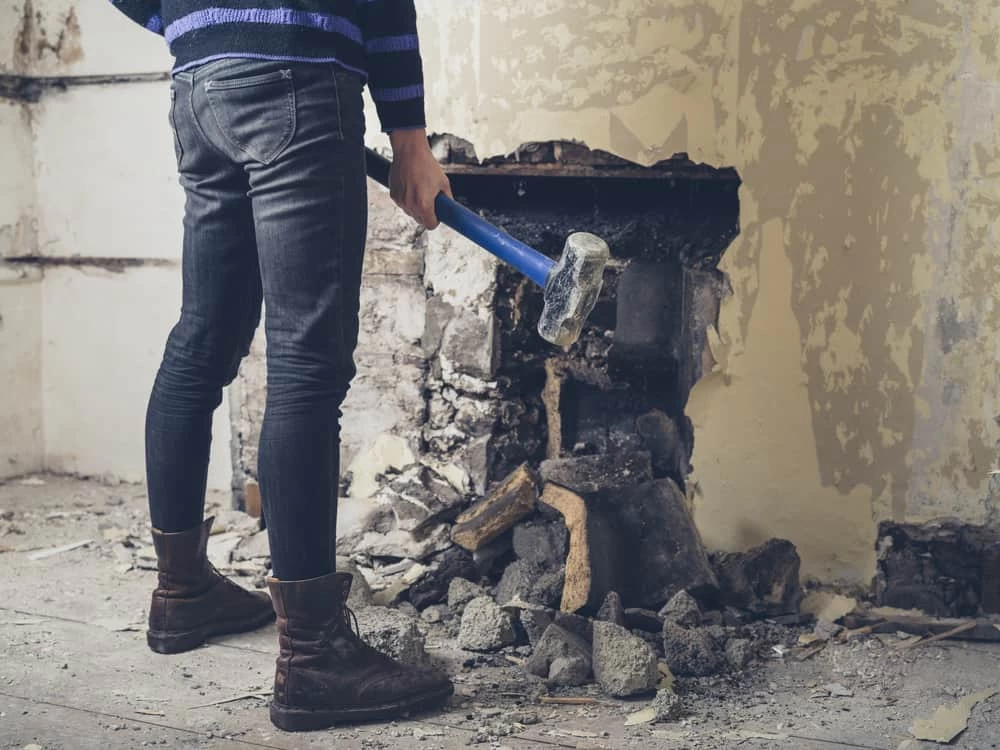
When a Nor'easter Hits Your 1950s Plainview Home, Half-Measures Cost You More
Most storm damage in Plainview doesn’t stop at the roof. We handle the full chain — from emergency securing to structural rebuild — so nothing gets missed, and nothing gets worse.
I needed a professional consultation explanation of procedure for safe removal of Asbestos in my apartment complex. Without having an account yet, I was very impressed with the caring, knowledgeable and generous advice offered by Jessica, and will look forward to doing business in the future. Thank you so much! I feel much more informed about a sometimes scary endeavor. Peace. Nancy Silva Mineola, NY.
Mia Munoz
Used this company to clean up some water flood in my house. They were fast and easy to work with.very professional, Would recommend to anyone!
Nini Valle
Great company, had a flood and they responded quickly and efficiently. Billed my insurance company directly. I highly recommend this company!
joe colapietro, jr
I had pipe freeze in my basement right before a snow storm and they made to within an hour to help start the clean up process. They we by our side throughout the entire process and even helped with the insurance company. They did such a great job with the cleanup, repair, remidiation, I contracted them to perform the repairs and finishes in the basement. They came with enough manpower and material to get the job done. Leo and Jessica were nothing but a pleasure to deal with!!
Cristian Arredondo c
I had some water damage in my home and Green Island was able to take care of my issue quickly and effectively. I am very pleased with the work they did. They responded quickly and were very professional.
Michael M
Outstanding service! From the office to the field crew everyone was friendly, helpful and responsive. I highly recommend Green Island Group.
What Gets Protected When You Call Before the Mold Starts Growing
Here’s what most Plainview homeowners don’t realize until it’s too late: the visible damage after a storm is rarely the expensive part. A branch through a roof on a Thursday morning can have mold growing in the attic by Saturday. In a home built in 1957 — which describes most of Plainview — original plaster walls, wood lath, and aged insulation hold moisture in ways that modern materials simply don’t. That 24 to 48-hour window is the difference between a $6,000 repair and a $22,000 remediation.
When you call us immediately after a storm event, you’re protecting more than the structure. You’re protecting the value of a home worth close to a million dollars in a community where owner-occupancy runs above 90%. Your home isn’t just where you live — it’s likely your largest financial asset. Treating it that way means not waiting until Monday morning to make the call.
For Plainview specifically, there’s another layer most contractors won’t tell you about. Homes built before 1960 almost universally contain asbestos-containing materials — floor tiles, pipe insulation, roofing felt — and lead paint on original surfaces. When storm damage opens up those materials, the restoration work becomes a regulated job, not just a construction job. Getting that right from the start protects your family and keeps your claim clean.
Licensed Storm Damage Restoration Company Plainview
Every License This Job Actually Requires — All Under One Roof
We’re a full-service disaster restoration and remediation company serving Nassau County, Suffolk County, Queens, and New York City — operating 24/7/365 with a designation most contractors in this market don’t hold: NYS Office of General Services Approved Emergency Response Contractor. That’s a state-level credential that requires formal vetting. It’s not a badge you buy or a review aggregate. It means New York State has evaluated our company and approved us for emergency response work.
For Plainview homeowners, the license stack matters more than it does almost anywhere else on Long Island. We hold an active Nassau County General Contractor license, NYS DOL Mold Remediation, NYS DOL Asbestos Handler, USEPA Lead Certification, and USEPA RRP — meaning we can legally handle everything a storm uncovers in a pre-1960 home, from the roof breach to the hazardous materials underneath it. Most contractors serving this area can’t say the same.
We know Plainview. We know the Cape Cods off Washington Avenue, the splits near Round Swamp Road, and what it means to pull a permit through the Town of Oyster Bay building department. This isn’t a national franchise routing your call through a 1-800 number. We’re a Long Island restoration company that knows exactly what we’re walking into when we show up in Plainview.
Emergency Storm Damage Repair Process Plainview NY
From the First Call to the Final Inspection — No Handoffs, No Gaps
When you call, someone actually answers — at 2 AM after a nor’easter, on a Sunday after a summer storm, whenever. The first thing we do is get to your property and stop the damage from spreading. That means emergency tarping, board-up, debris removal, and water extraction — whatever the situation calls for. We’re not scheduling you for next week. We’re moving same day.
Once the property is secured, we do a full assessment using thermal imaging cameras to map moisture intrusion throughout the structure. This matters especially in Plainview’s older housing stock, where water travels behind plaster walls and into original framing in ways that look completely dry from the street. What the camera finds determines the real scope of the job — not just what’s visible from the outside.
From there, we handle structural drying, mold assessment, hazardous materials evaluation, and the full rebuild under one contract. Because we hold both Nassau County and Suffolk County general contractor licenses, there’s no jurisdictional ambiguity for properties near the Round Swamp Road corridor or the Nassau-Suffolk line. We also handle your insurance documentation and bill your carrier directly — so you’re not fronting costs or navigating an adjuster alone. The job isn’t done until the structure is restored, inspected, and you’re satisfied with the result.
Storm Damage Cleanup and Restoration Services Plainview
What a Full-Scope Storm Restoration Actually Covers in Plainview
Storm damage restoration in Plainview isn’t a single service — it’s a chain of connected work that has to be handled in the right order by someone licensed to do all of it. We cover the complete scope: emergency property securing, debris removal, water extraction and structural drying, mold assessment and remediation, asbestos and lead evaluation and abatement, structural framing repair, roof replacement, and full interior rebuild. Every step is handled in-house. No subcontractors, no referrals, no gaps in accountability between phases.
The asbestos and lead component is where Plainview jobs are different from newer construction markets. With a median construction year of 1957 and more than 80% of homes built before 1970, virtually every storm restoration job in this community involves materials that require NYS DOL Asbestos Handler licensing and USEPA Lead and RRP certification to disturb legally. A contractor who doesn’t hold those licenses isn’t just cutting corners — they’re exposing you to health risk and potential liability. We hold all of them, and we don’t treat hazardous materials evaluation as an add-on. It’s built into every assessment.
On the insurance side, we document damage thoroughly and bill your carrier directly. Plainview homeowners carry comprehensive coverage on high-value properties, and the way a claim is documented directly affects what you receive. We know how to build a claim file that reflects the full scope — not just what’s easy to photograph.
Does storm damage restoration in Plainview require a permit from the Town of Oyster Bay?
Yes, and this is something a lot of homeowners don’t think about until the work is already underway. Plainview is an unincorporated hamlet — there’s no village government here. All permits and inspections run through the Town of Oyster Bay building department, and structural repairs following storm damage require a permit for anything beyond purely cosmetic fixes. That includes roof replacement, framing repairs, and significant interior work.
This matters because a contractor who skips the permit process is leaving you exposed. If unpermitted work is discovered during a future sale or refinance, it becomes your problem — not theirs. We pull the required permits through the Town of Oyster Bay as part of the restoration process. It’s not an extra step we offer. It’s how the job gets done correctly. If you’ve had another contractor suggest skipping the permit to save time, that’s a red flag worth taking seriously.
How much does storm damage restoration typically cost for a home in Plainview, NY?
The honest range for a typical storm damage restoration in Plainview is somewhere between $5,000 and $30,000, depending on what the storm actually did and how quickly you called. A contained roof breach with no water infiltration into the living space sits at the lower end. A fallen tree that opens the roof, saturates the attic, and allows water to reach original 1950s plaster walls and insulation — that’s a mid-to-upper range job, and if mold is established before anyone calls, the scope expands further.
What pushes costs higher in Plainview specifically is the housing stock. Pre-1960 construction almost always involves asbestos-containing materials and lead paint, and disturbing those materials legally requires licensed abatement — which adds cost but is not optional. A contractor who quotes you a number without accounting for hazardous materials evaluation either isn’t planning to do it or isn’t licensed to. Either way, that’s a gap in the scope that comes back on you. The good news is that comprehensive homeowners insurance typically covers storm damage including the full remediation chain — and we handle the documentation and billing directly with your carrier.
My Plainview home was built in the 1950s. Does storm damage mean I have to worry about asbestos or lead?
Almost certainly yes, and this is the question more Plainview homeowners should be asking before they hire anyone. Homes built in the 1950s — which is most of Plainview — were constructed with asbestos in floor tiles, pipe insulation, roofing felt, and potentially joint compound in walls. Lead paint was applied to virtually every interior and exterior surface before the 1978 federal ban. These materials are stable when undisturbed. When storm damage opens up a roof, drives water through walls, or requires structural repair, those materials get disturbed.
Under New York State law, any work that may disturb asbestos-containing materials requires a NYS DOL Asbestos Handler license. Any renovation, repair, or painting work in a pre-1978 home where lead paint may be disturbed requires USEPA RRP certification. These aren’t technicalities — they’re legal requirements with real health implications. We hold both, along with USEPA Lead Certification. We evaluate for hazardous materials as part of every storm damage assessment in Plainview, not as an afterthought. If a contractor you’re considering doesn’t bring this up, ask them directly whether they hold these licenses before you sign anything.
How fast does mold actually grow after storm damage in an older Plainview home?
Mold can begin establishing within 24 to 48 hours of water intrusion — and in a Plainview home built in the 1950s, that timeline is on the faster end, not the slower one. Original plaster walls, wood lath, and decades of accumulated organic material in wall cavities give mold a substrate that modern drywall and synthetic insulation don’t provide to the same degree. A storm that sends water into an attic on a Thursday can have visible mold growth by Saturday and structural mold in wall cavities within a week if the moisture isn’t extracted and the structure isn’t dried to industry standards.
The reason this matters practically is cost. A homeowner who calls within a few hours of a storm event and gets water extraction and drying started immediately is looking at a very different scope than one who waits three to five days. The water doesn’t wait. It moves through insulation, behind walls, and into framing — and once mold is established in those original materials, the remediation scope expands significantly. We operate 24/7 precisely because the first few hours after a storm are the most consequential ones.
Will my homeowners insurance cover the full cost of storm damage restoration in Nassau County?
In most cases, yes — but how much you actually receive depends heavily on how the damage is documented. Comprehensive homeowners insurance policies in Nassau County typically cover storm damage including roof repair or replacement, water damage remediation, mold treatment, and structural repairs. What a lot of homeowners don’t realize is that the scope of what gets covered is directly tied to the quality of the claim documentation. An adjuster working from incomplete photos and a rough estimate will settle for less than one working from a thorough damage assessment with thermal imaging, moisture readings, and itemized scope.
We handle the documentation and bill your insurance carrier directly. We’ve processed a significant number of Long Island storm claims and know what adjusters need to see to approve a full-scope restoration. For Plainview homeowners with properties valued near or above $800,000, the difference between a well-documented claim and a poorly documented one can be tens of thousands of dollars. You’ve been paying your premiums — the documentation should reflect what the storm actually did, not just what’s easy to show.
What's the difference between a storm damage restoration company and a general contractor in Plainview?
A general contractor can handle the rebuild portion of storm damage — replacing framing, installing new roofing, repairing walls. But storm damage restoration in Plainview involves regulated work that a standard GC license doesn’t cover. Mold assessment and remediation in New York State requires a separate NYS DOL Mold Remediation license. Disturbing asbestos-containing materials requires a NYS DOL Asbestos Handler license. Work in pre-1978 homes where lead paint may be disturbed requires USEPA RRP certification. In a community where more than 80% of homes were built before 1970, that’s not a niche scenario — it applies to nearly every storm job in Plainview.
A true storm damage restoration company holds all of these licenses and handles the complete chain in-house: emergency response, water extraction, drying, mold and hazardous materials work, structural repair, and rebuild. We hold every license required to complete that full chain legally in Nassau County. The distinction matters because a general contractor who takes on storm restoration work without the appropriate remediation licenses is either subcontracting those phases — which creates accountability gaps — or skipping them entirely, which creates health and legal risk for you as the homeowner.