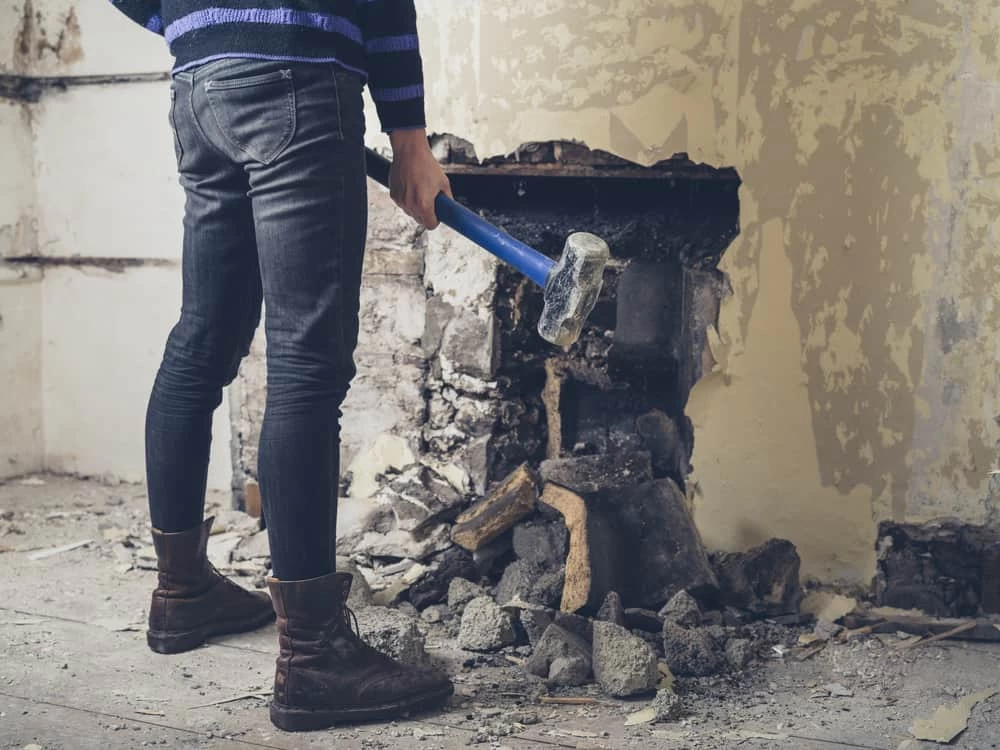
Storm Damage Restoration in South Richmond Hill, NY
When the Storm Hits Liberty Avenue, You Need Someone There Fast
Green Island Group responds to storm damage in South Richmond Hill with certified crews, real equipment, and direct insurance billing so you’re not managing this alone.
I needed a professional consultation explanation of procedure for safe removal of Asbestos in my apartment complex. Without having an account yet, I was very impressed with the caring, knowledgeable and generous advice offered by Jessica, and will look forward to doing business in the future. Thank you so much! I feel much more informed about a sometimes scary endeavor. Peace. Nancy Silva Mineola, NY.
Mia Munoz
Used this company to clean up some water flood in my house. They were fast and easy to work with.very professional, Would recommend to anyone!
Nini Valle
Great company, had a flood and they responded quickly and efficiently. Billed my insurance company directly. I highly recommend this company!
joe colapietro, jr
I had pipe freeze in my basement right before a snow storm and they made to within an hour to help start the clean up process. They we by our side throughout the entire process and even helped with the insurance company. They did such a great job with the cleanup, repair, remidiation, I contracted them to perform the repairs and finishes in the basement. They came with enough manpower and material to get the job done. Leo and Jessica were nothing but a pleasure to deal with!!
Cristian Arredondo c
I had some water damage in my home and Green Island was able to take care of my issue quickly and effectively. I am very pleased with the work they did. They responded quickly and were very professional.
Michael M
Outstanding service! From the office to the field crew everyone was friendly, helpful and responsive. I highly recommend Green Island Group.
South Richmond Hill’s housing stock is old most of it was built before 1940. That means when a nor’easter or a flash flood hits, the damage doesn’t stop at what you can see. Water moves fast through original plaster walls and wood framing. Moisture gets into cavities you’d never think to check. And if it sits there for more than 24 to 48 hours, you’re not just dealing with water damage anymore you’re dealing with mold.
When storm damage restoration is done correctly, you get your home back in the condition it was in before the storm and in some cases, better. Roofing, siding, windows, and structural framing are addressed properly, not patched over. Moisture is fully extracted and dried, not just surface-wiped. And because older homes in South Richmond Hill almost universally contain lead paint and potentially asbestos, the work is done by crews who are legally certified to handle those materials not someone who skips that step and leaves you with a liability.
The other thing that changes is the insurance process. Most homeowners don’t know what they’re entitled to after a storm, and adjusters don’t always offer it upfront. When the full scope of loss is properly documented and communicated, your settlement reflects the actual damage not the minimum the insurance company hoped you’d accept.
Storm Damage Restoration Company in South Richmond Hill
Licensed for the Work That Actually Matters in South Richmond Hill
We hold every credential legally required to perform storm damage restoration in South Richmond Hill NYC General Contractor license, NYS DOL Mold and Asbestos licenses, USEPA Lead and RRP certifications, IICRC Water Damage certification, and NYC BIC Trade Waste licensing. In a neighborhood where the vast majority of homes were built before 1940, that last group of certifications isn’t optional. Disturbing lead paint or asbestos without proper licensing in a pre-war South Richmond Hill home isn’t just a quality issue it’s a legal and health issue.
We’ve completed over 5,000 restoration projects across New York, including extensive work throughout South Richmond Hill and Queens following the flooding events that have hit the borough repeatedly over the past several years. We know what older wood-frame homes in this part of Queens look like on the inside, how they respond to water, and what it takes to bring them back correctly. We also hold NYS and NYC M/WBE certification a government-verified credential that tells you we’re an established, accountable business, not a door-knocker who showed up after the storm.
Emergency Storm Damage Repair in South Richmond Hill
No Guesswork Here's Exactly How We Handle It
The first thing we do when we arrive is assess the full scope of damage not just what’s visible. In South Richmond Hill’s older attached and semi-attached homes, water doesn’t stay where you can see it. We use moisture meters and thermal imaging to find what’s hidden behind plaster walls, inside ceiling cavities, and beneath original wood flooring. That assessment drives everything that follows, and it’s also what gets documented for your insurance claim.
From there, we stabilize the property. That might mean emergency board-up on windows or doors, tarping a compromised roof section, or beginning water extraction immediately to stop the clock on mold growth. In attached homes which make up a significant portion of the housing stock in South Richmond Hill stopping water spread quickly matters not just for your unit but for your neighbor’s as well. Speed here isn’t a sales pitch. It’s structural reality.
Once the property is stabilized and dried to IICRC standards, the repair phase begins. Because we hold a New York City General Contractor license, we handle structural repairs, roofing, siding, windows, and interior reconstruction under one contract no handoffs to separate subcontractors, no gaps in accountability. NYC DOB permits are pulled where required, and if your home was built before 1978 (which most homes in South Richmond Hill were), lead-safe work practices are standard, not an add-on. We coordinate with your insurance adjuster throughout the entire process and bill the insurance company directly when coverage applies.
Storm damage restoration in South Richmond Hill isn’t a single task it’s a sequence of connected steps that have to be handled in the right order by people who are licensed to do each one. We cover the full scope: emergency board-up and tarping, debris and fallen tree removal, water extraction and structural drying, roof storm damage repair, mold prevention and remediation, siding and window restoration, and full interior reconstruction. We also handle the insurance side documentation, adjuster coordination, and direct billing when coverage applies.
What makes this relevant to South Richmond Hill specifically is the age and construction type of the homes here. Pre-1940 wood-frame construction with original plaster, wood lathe, and aging roofing systems responds to storm damage differently than modern construction. Moisture travels further, faster. Mold establishes itself in wall cavities before it’s visible. And because virtually every home in South Richmond Hill predates the 1978 lead paint ban, renovation and repair work is subject to USEPA RRP requirements meaning the contractor performing the work must be certified. We are. Many storm chasers who knock on doors along the blocks off Liberty Avenue after a major weather event are not.
For homeowners navigating a claim, the process of getting a fair settlement starts with thorough documentation. We photograph, measure, and report the full scope of loss including hidden moisture damage that an adjuster walking through the property wouldn’t catch on their own. That documentation is what protects you when the initial estimate comes in lower than it should.
Does homeowners insurance actually cover storm damage in South Richmond Hill?
In most cases, yes standard homeowners insurance covers sudden storm damage caused by wind, hail, falling trees, and rain that enters through a storm-created opening. That covers a significant portion of what happens to homes in South Richmond Hill during a nor’easter or a flash flooding event. What it typically does not cover is flooding from ground-level water intrusion, which requires a separate flood insurance policy through the NFIP or a private carrier.
The more important issue for most homeowners here isn’t whether coverage exists it’s whether the claim is filed correctly and whether the full scope of damage gets documented. Insurance adjusters work for the insurance company, not for you. Their initial estimate often reflects the minimum visible damage, not the hidden moisture behind plaster walls or the mold risk in older wood framing that a proper inspection would catch. We document everything including what’s behind the walls so your claim reflects the actual loss. We also coordinate with your adjuster directly and bill the insurance company when coverage applies, which removes most of the back-and-forth from your plate.
How fast does mold actually start growing after storm water gets into a home?
According to IICRC standards the governing body for professional water damage restoration mold can begin growing within 24 to 48 hours of water intrusion under the right conditions. In South Richmond Hill’s older housing stock, those conditions are almost always present. Original plaster walls and wood lathe framing absorb moisture quickly and hold it. Wall cavities in pre-1940 construction often have minimal insulation, which means moisture migrates freely and sits in dark, undisturbed spaces where mold establishes itself fast.
The practical implication is that delaying response even by a day or two while you wait to hear back from your insurance company can turn a water damage job into a full mold remediation project. Those are two very different scopes of work and two very different costs. We start extraction and drying immediately, document everything for insurance as we go, and apply mold prevention protocols as a standard part of the process. Mold remediation after the fact is significantly more disruptive and expensive than preventing it from taking hold in the first place.
What should I do in the first hour after storm damage hits my South Richmond Hill home?
The first thing is safety don’t enter any area where you suspect structural compromise, standing water near electrical panels or outlets, or gas line damage. If there’s any doubt, get out and call 911 before anything else. Once the immediate safety question is resolved, call a licensed restoration company before you call your insurance company. The reason for that order is that a professional assessment gives you documented evidence of the damage before anything is disturbed or dried and that documentation is what your claim is built on.
In a dense, attached neighborhood like South Richmond Hill, there’s another reason to move fast: water in your home can become your neighbor’s problem quickly. Shared walls, shared foundations, and the compact spacing of the homes here mean that a slow response to a roof breach or a flooded basement doesn’t stay contained. Take photos of everything you can safely access, move valuables away from the affected area if it’s safe to do so, and call for emergency response. We’re available around the clock and can be on-site fast the Van Wyck Expressway puts us minutes away from anywhere in the neighborhood.
How do I know if a storm damage contractor in Queens is actually licensed for this work?
This is one of the most important questions you can ask, and you should ask it before anyone starts work on your home. In New York City, structural repairs require a General Contractor license issued by the NYC Department of Buildings. Mold remediation on projects over 10 square feet requires a NYS DOL Mold Remediation license under New York State’s Article 32 Mold Law. Work that disturbs lead paint in pre-1978 homes which includes nearly every home in South Richmond Hill requires USEPA Lead and RRP certification. Debris removal in NYC requires a BIC Trade Waste license.
These are not optional credentials. They are legal requirements, and they are all verifiable. You can ask any contractor for their license numbers and look them up through the NYC DOB website, the NYS DOL license lookup, and the EPA’s contractor certification database. We hold all of the above. Many contractors who appear in South Richmond Hill after a major storm particularly those going door to door along Liberty Avenue and the surrounding blocks do not. If a contractor can’t give you verifiable license numbers before you sign anything, that’s your answer.
What's the difference between water damage restoration and flood damage cleanup?
The terms get used interchangeably, but they describe different situations with different insurance implications. Water damage restoration typically refers to damage caused by water entering from above a storm-breached roof, broken windows, or rain intrusion through a compromised exterior. This type of damage is generally covered by standard homeowners insurance. Flood damage refers to water entering from ground level rising water from a storm surge, overland flooding, or sewer backup. This is typically not covered by standard homeowners insurance and requires a separate flood insurance policy.
In South Richmond Hill, both scenarios are real risks. The neighborhood’s flat topography and Queens’ aging combined sewer infrastructure which carries both stormwater and sewage in the same pipes mean that heavy rain events can cause sewer backup into basements even when there’s no visible flooding on the street. That’s a contamination event, not just a water event, and it requires a different remediation approach. We assess both scenarios, document the source and category of water intrusion accurately, and help you understand what your policy covers before the work begins so there are no surprises when the claim is processed.
Why do storm damage contractors ask about the age of my home before giving an estimate?
Because the age of your home changes what the job actually involves. In South Richmond Hill, where most homes were built before 1940, the presence of lead paint is nearly universal it was the standard in residential construction until it was banned in 1978. Asbestos was also commonly used in insulation, floor tiles, and other building materials through the 1970s. When storm damage requires demolition or significant repair work in a home this age, those materials have to be identified, handled correctly, and disposed of according to New York State and federal regulations.
A contractor who doesn’t ask about your home’s age or who gives you a fast estimate without accounting for these factors is either planning to skip those steps or hasn’t thought through the full scope of the job. Either way, that’s a problem that lands on you. Improperly disturbed lead paint in a home with children or elderly residents is a serious health risk. Unlicensed asbestos disturbance is a legal violation. We ask about your home’s age because it determines which certifications are required, how the work is scoped, and what the disposal process looks like and we hold every credential needed to handle it correctly in a pre-war South Richmond Hill home.