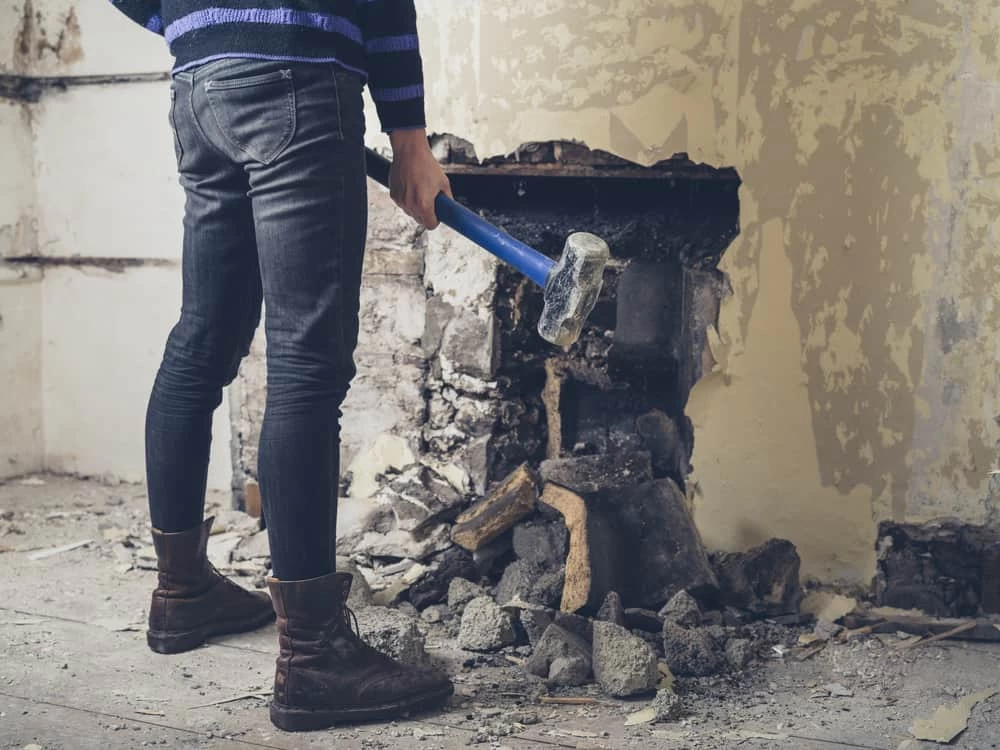
When the Trees Come Down, West Hills Homes Take the Hit
West Hills sits at the highest elevation on Long Island beautiful, wooded, and exposed. When a storm moves through, those mature trees don’t just bend. We respond fast, handle everything, and get your home back to where it was.
I needed a professional consultation explanation of procedure for safe removal of Asbestos in my apartment complex. Without having an account yet, I was very impressed with the caring, knowledgeable and generous advice offered by Jessica, and will look forward to doing business in the future. Thank you so much! I feel much more informed about a sometimes scary endeavor. Peace. Nancy Silva Mineola, NY.
Mia Munoz
Used this company to clean up some water flood in my house. They were fast and easy to work with.very professional, Would recommend to anyone!
Nini Valle
Great company, had a flood and they responded quickly and efficiently. Billed my insurance company directly. I highly recommend this company!
joe colapietro, jr
I had pipe freeze in my basement right before a snow storm and they made to within an hour to help start the clean up process. They we by our side throughout the entire process and even helped with the insurance company. They did such a great job with the cleanup, repair, remidiation, I contracted them to perform the repairs and finishes in the basement. They came with enough manpower and material to get the job done. Leo and Jessica were nothing but a pleasure to deal with!!
Cristian Arredondo c
I had some water damage in my home and Green Island was able to take care of my issue quickly and effectively. I am very pleased with the work they did. They responded quickly and were very professional.
Michael M
Outstanding service! From the office to the field crew everyone was friendly, helpful and responsive. I highly recommend Green Island Group.
What Full Restoration Actually Looks Like for West Hills Homeowners
When a nor’easter or summer storm tears through West Hills, the damage usually starts at the roofline and works its way in. A cracked ridge cap, a lifted shingle, a limb through the decking and within hours, water is moving through wall cavities in homes that were built in the 1950s and ’60s without modern moisture barriers. By the time you see a stain on the ceiling, the problem behind the wall is already bigger than it looks.
That’s the part most homeowners don’t account for. The visible damage gets patched. The hidden moisture gets ignored. And six months later, you’re dealing with mold in a wall that was never fully dried out. In a home worth $800,000 or more, that’s not a minor inconvenience it’s a serious problem with real financial consequences.
What good storm damage restoration actually delivers is a home that’s been fully assessed, properly dried, and restored to the condition it was in before the storm hit not just patched up to look that way. For West Hills homeowners with mid-century construction and large trees on their lots, that means thermal imaging to find what you can’t see, certified mold prevention built into the process, and a contractor who understands what’s inside those older walls before touching them.
Licensed for the Work West Hills Homes Actually Require
We’re based in Bohemia, NY Suffolk County, not a national call center. CEO Jessica Dussan and VP Leo Torres built this company over 12 years and more than 5,000 completed projects across Long Island, including extensive work throughout West Hills and the surrounding Half Hollow Hills and Huntington corridor. Customers name us specifically in reviews, which tells you something about how we operate.
What sets us apart in a market like West Hills isn’t just experience it’s the licensing stack. NYS DOL Mold License, USEPA Lead and RRP Certifications, NYS DOL Asbestos License, and Suffolk County General Contractor License. For a community where the median home was built in 1960 and a large portion of the housing stock predates the 1978 lead paint ban, those aren’t just credentials on a wall. They’re the difference between a contractor who can legally handle what’s inside your home and one who has to stop work when something unexpected turns up.
Our IICRC-certified technicians carry government-verified credentials and work the West Hills area regularly, so we know this housing stock well.
No Handoffs, No Gaps One Team Through the Whole Job
The first call triggers an actual response not a scheduling conversation for next week. We dispatch crews with equipment because in a storm damage situation, the first 24 to 48 hours determine the scope of everything that follows. Emergency tarping and board-up stop the water from doing more damage while the full assessment gets underway.
From there, the process is methodical. Thermal imaging scans the structure to locate moisture that isn’t visible at the surface critical in West Hills homes where older wall assemblies and original insulation hold water in ways newer construction doesn’t. If there’s any indication of asbestos-containing materials or lead paint disturbed during the damage, we assess and handle it under the same roof, legally and safely, without stopping the project to bring in a separate contractor.
Once the structure is dried, documented, and cleared, the repair and restoration work begins framing, drywall, roofing, whatever the job requires. Town of Huntington building permits get pulled for any structural work, and we format the documentation produced throughout the process for your insurance company. We bill insurers directly in many cases, which means you’re not stuck managing the financial back-and-forth between your adjuster and your contractor while you’re trying to get your home back.
Built for Older Homes, Wooded Lots, and Real Storms
Storm damage restoration in West Hills covers more ground than it does in a newer development or a flat coastal neighborhood. The elevated, wooded terrain means wind speeds hit harder here than in sheltered low-lying areas, and the mature trees that define West Hills’ character are also the community’s biggest liability during a storm. Fallen limbs and full tree strikes are the most common calls we receive from this area and the damage they cause goes well beyond the point of impact.
Every job includes emergency securing, water extraction, structural drying, and a full damage assessment before any permanent repair work begins. For homes along the wooded streets off Jericho Turnpike or set back into the hills near West Hills County Park, that assessment includes checking for pre-existing conditions that storm damage can expose older insulation, aging drainage systems, and in homes built before 1978, the potential for lead paint or asbestos-containing materials to be disturbed during repairs. We hold every certification required to handle those materials legally under New York State and federal law, which means the project doesn’t stop when something complicated turns up.
Basement water intrusion from heavy rainfall, ice dam damage from freeze-thaw cycles, and mold remediation following any water event are all within scope. Suffolk County requires a licensed contractor for all of this work and the licensing requirements for mold remediation and hazardous materials in New York are specific. Not every restoration company in this area meets them.
Does homeowner's insurance cover storm damage restoration in West Hills, NY?
In most cases, yes but the details matter. Standard homeowner’s insurance policies in New York typically cover sudden and accidental storm damage, including wind damage, falling trees, and water intrusion caused by a storm breach. What they often don’t cover is damage that’s attributed to deferred maintenance or pre-existing conditions, which is why the documentation produced during the initial assessment is so important.
For West Hills homeowners, this is especially relevant because mid-century homes sometimes have aging roofing systems or older drainage infrastructure that an adjuster could attempt to classify as a contributing factor. Having a licensed contractor who documents the damage thoroughly with photos, thermal imaging reports, and a clear timeline puts you in a much stronger position when the claim is reviewed. We have extensive experience working directly with insurance companies on Long Island and handle the billing process directly in many cases, so you’re not left navigating that conversation alone.
How quickly does mold start growing after storm water gets into my home?
Mold can begin developing within 24 to 48 hours of water intrusion and in older homes, it spreads faster than most people expect. West Hills has a significant stock of homes built in the 1940s through 1960s, many of which lack modern vapor barriers and use older insulation materials that absorb and retain moisture more readily than newer construction. By the time mold becomes visible on a surface, it’s typically been growing behind it for a while.
This is why the drying process matters as much as the cleanup. Pulling water out of the visible areas isn’t enough if moisture is still sitting in wall cavities or beneath subfloor systems. We use thermal imaging to locate hidden moisture pockets before they become mold colonies, and we hold a New York State DOL Mold License a specific state-level credential required for legal mold remediation in New York that not every contractor in this area carries. If mold is found during the restoration process, we handle it without stopping the project.
A tree fell on my roof during a storm what should I do first?
The first priority is safety. Don’t go into any area of the home where the structural integrity is uncertain, and don’t attempt to remove the tree yourself. Once you’re safe, call your insurance company to report the claim and then call a licensed restoration contractor immediately not in the morning, not after the weekend. The longer a breach in your roof stays open, the more water gets in, and the more expensive the total restoration becomes.
In West Hills, where large mature trees are a defining feature of the landscape, this is one of the most common storm damage scenarios we respond to. We arrive with emergency tarping equipment to seal the breach and stop further water intrusion while the full structural assessment gets underway. From there, the scope of work gets documented in detail roof decking, framing, insulation, interior ceiling and wall systems and that documentation goes directly to your insurer. The faster the breach is secured, the more contained the damage stays.
Do I need a permit for storm damage repairs in the Town of Huntington?
For most structural repairs, yes. West Hills is an unincorporated hamlet within the Town of Huntington, which means all permitting flows through the Town of Huntington Building Department. Emergency work like tarping, board-up, and temporary securing can typically proceed without a permit, but permanent repairs roof replacement, framing work, window or door replacement, siding require a building permit and inspection before the work is considered complete.
Additionally, any contractor performing home improvement work in Suffolk County is legally required to hold a valid Suffolk County Home Improvement Contractor License. This is not optional, and working with an unlicensed contractor can create complications with your insurance claim and with the permit process. If mold remediation or hazardous material handling is part of the restoration, New York State has separate licensing requirements for those as well. We hold all applicable licenses for work in West Hills and pull the necessary permits as part of the project you don’t have to manage that piece separately.
How do I know if my older West Hills home has asbestos or lead paint that could be disturbed during repairs?
If your home was built before 1978, there’s a real possibility that lead-based paint is present somewhere in the structure. If it was built before the mid-1980s, asbestos-containing materials may be present in insulation, floor tiles, roofing materials, or pipe wrap. West Hills has a median home construction year of 1960, which puts a large portion of the community’s housing stock squarely in the range where both are plausible.
You don’t necessarily know what’s there until something disturbs it and storm damage is one of the most common ways these materials get exposed. A tree strike that opens an attic, a roof breach that requires decking replacement, or a wall that needs to be opened for water damage repair can all bring you into contact with materials that require specific handling. We hold USEPA Lead, USEPA RRP, and NYS DOL Asbestos certifications, which means our team is legally qualified to assess and remediate these materials as part of the restoration project. Most general contractors are not, and they’ll stop work and refer you out when something turns up. That hand-off costs time and money you don’t need to spend.
How long does storm damage restoration typically take for a home in West Hills?
It depends on the scope, but most residential storm damage restoration projects in West Hills fall somewhere between one and three weeks for moderate damage a roof breach with interior water intrusion, for example. More significant structural damage, or situations where mold remediation or hazardous material handling is required, can extend that timeline. The honest answer is that the timeline gets clearer after the initial assessment, not before it.
What affects the timeline most in West Hills specifically is the age and construction type of the home. Mid-century homes with original wall assemblies, older insulation, and plaster interiors take longer to dry thoroughly than newer construction, and cutting corners on the drying phase to move faster is how secondary mold problems develop weeks later. The Town of Huntington permit process also adds time for structural work typically a few business days to pull the permit, with inspections required before certain phases can close out. We manage the permit timeline as part of the project and keep you informed throughout so there are no surprises on either end.