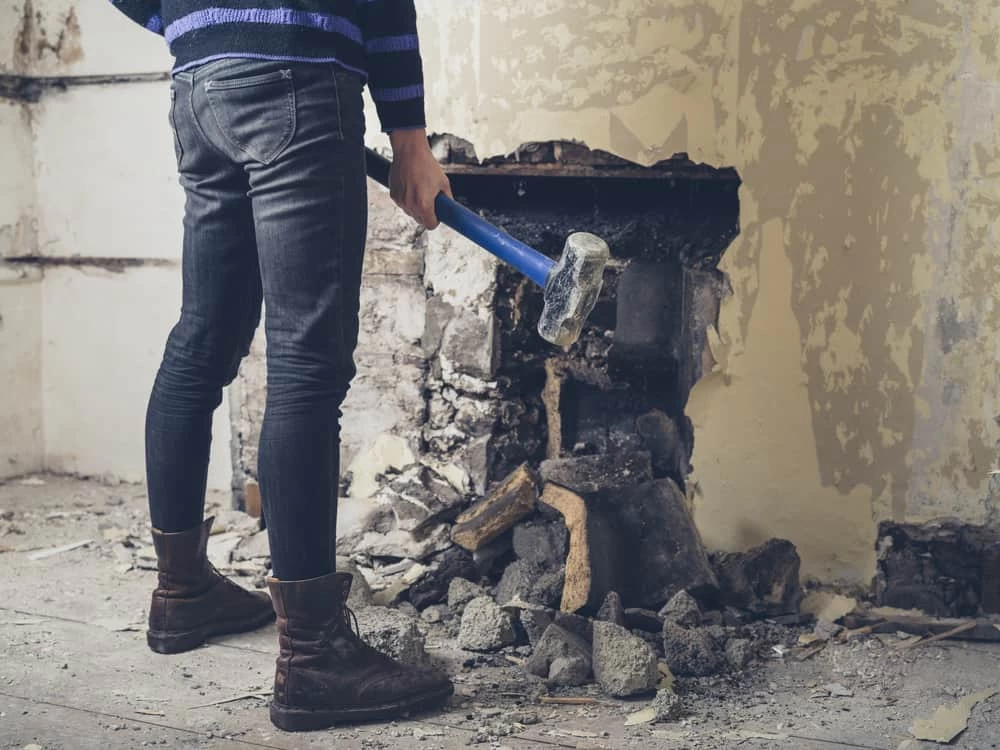
Your 90-Year-Old Home Deserves More Than a Patch Job
When a nor’easter tears through Williston Park, the damage you can see is rarely the whole story. We respond 24/7, handle the insurance paperwork, and restore your home — completely.
I needed a professional consultation explanation of procedure for safe removal of Asbestos in my apartment complex. Without having an account yet, I was very impressed with the caring, knowledgeable and generous advice offered by Jessica, and will look forward to doing business in the future. Thank you so much! I feel much more informed about a sometimes scary endeavor. Peace. Nancy Silva Mineola, NY.
Mia Munoz
Used this company to clean up some water flood in my house. They were fast and easy to work with.very professional, Would recommend to anyone!
Nini Valle
Great company, had a flood and they responded quickly and efficiently. Billed my insurance company directly. I highly recommend this company!
joe colapietro, jr
I had pipe freeze in my basement right before a snow storm and they made to within an hour to help start the clean up process. They we by our side throughout the entire process and even helped with the insurance company. They did such a great job with the cleanup, repair, remidiation, I contracted them to perform the repairs and finishes in the basement. They came with enough manpower and material to get the job done. Leo and Jessica were nothing but a pleasure to deal with!!
Cristian Arredondo c
I had some water damage in my home and Green Island was able to take care of my issue quickly and effectively. I am very pleased with the work they did. They responded quickly and were very professional.
Michael M
Outstanding service! From the office to the field crew everyone was friendly, helpful and responsive. I highly recommend Green Island Group.
Most Williston Park homes were built between the 1920s and 1940s. That’s not a footnote — it’s the whole picture. When wind-driven rain gets under a dormer on a 1932 Dutch Colonial, it doesn’t just wet the shingles. It travels through original insulation, soaks into wood framing that’s never been touched, and starts growing mold behind walls you can’t see — often before you even get home from your commute.
That 24-to-48-hour window before mold takes hold is real. If you left for work on Hillside Avenue at 7 AM and the storm hit overnight, the clock is already running by the time you walk back through your front door. Fast response isn’t a selling point here — it’s the difference between a repair and a full remediation.
Then there’s what most contractors won’t tell you: in a home built before 1978, storm damage that breaks through the building envelope can disturb asbestos-containing materials and lead-based paint. Both are present in the vast majority of Williston Park homes. Handling that legally — and safely — requires licenses that most storm restoration companies in Nassau County simply don’t hold. Getting that part wrong doesn’t just cost money. It creates liability.
Every License the Job Actually Requires — Already in Hand
We’re a Nassau County-licensed disaster restoration company serving Williston Park and the surrounding North Hempstead communities around the clock. The credentials aren’t filler — they’re the reason this works. Our Nassau County General Contractor license, NYS DOL Mold Remediation license, NYS DOL Asbestos Handler license, USEPA Lead certification, and USEPA RRP certification mean that when a storm opens up a century-old home on a quiet residential street off Willis Avenue, every phase of the restoration is handled legally, in-house, without subcontracting the parts most companies quietly skip.
We’re also a NYS Office of General Services Approved Emergency Response Contractor — a government-level credential that requires vetting before it’s granted, not after the fact. That matters when you’re deciding who to trust with an $800,000 home and a live insurance claim. Our work is backed by full liability insurance, workers’ compensation coverage, and a 100% satisfaction guarantee.
No Guesswork — Here's Exactly What Happens After You Call
The first step is the assessment — and it goes deeper than a visual walkthrough. We use industrial thermal imaging cameras to detect moisture inside wall cavities and attic spaces that a standard inspection would miss entirely. In Williston Park’s older Colonial Revival and Dutch Colonial homes, water intrusion from a lifted dormer or failed flashing can travel 15 to 20 feet before it shows up as a ceiling stain — if it shows up at all. The thermal scan finds it before it becomes something worse.
From there, emergency water extraction and structural drying begin immediately using commercial-grade equipment. If asbestos-containing materials or lead paint are identified in the affected area — which is common in pre-1940s homes throughout Williston Park — we handle that work under our own NYS DOL and USEPA certifications. No referrals. No delays waiting on a subcontractor.
Once the structure is dry and safe, the rebuild phase begins. That includes everything from roof repair and insulation replacement to drywall restoration and exterior work. Because Williston Park is an incorporated village with its own Building Department at (516) 877-1521, permits are required before renovation work begins — and we handle that coordination directly. Throughout the entire process, the insurance claim is documented and filed on your behalf, with billing going straight to your carrier.
From the Fallen Tree to the Finished Wall — One Crew Handles It
Storm damage in Williston Park rarely stops at one thing. A mature tree — many of the street trees in this village are now 80 to 100 years old — can come down on a roof and create a chain of damage that runs from the shingles through the attic, into the insulation, and down to the interior walls below. We handle every stage of that chain: emergency tarping and debris removal, full roof repair, water extraction, structural drying, mold assessment and remediation, asbestos and lead abatement where required, insulation replacement, drywall restoration, and exterior siding repair.
Where it makes sense, the restoration also includes upgrades — impact-resistant shingles, reinforced flashing, and weather-hardened materials that give your home better footing against the next nor’easter or tropical system. Williston Park residents who lived through Superstorm Sandy in 2012 or the remnants of Hurricane Ida in 2021 know those aren’t rare events on Long Island. Building back stronger isn’t an upsell — it’s just practical.
Every job includes full documentation for your insurance claim, direct billing to your carrier, and compliance with both Williston Park village-level permit requirements and any applicable Nassau County codes. You don’t have to manage the paperwork or chase the adjuster. We handle that.
Does storm damage to a Williston Park home require a building permit before repairs start?
Yes — and this is one of the most common places homeowners get tripped up. Williston Park is an incorporated village with its own Building Department, separate from Nassau County’s permitting authority. That means renovation and repair work requires a village-level permit before work begins, not just a county-level approval. The village Building Department can be reached at (516) 877-1521, and they’re open Monday through Friday during business hours.
Certain projects may also require a Nassau County sewer connection permit, depending on the scope of the work. Contractors who aren’t familiar with Williston Park’s dual-permit environment — village plus county — can inadvertently start work without proper authorization, which creates legal complications and can affect your insurance claim. We handle permit coordination directly as part of the restoration process, so you’re not navigating that on your own while also dealing with a damaged home.
How quickly does mold start growing after storm water gets into my house?
Mold can begin growing within 24 to 48 hours of water intrusion — and in an older home with original wood framing and aging insulation, that window moves fast. The issue in Williston Park specifically is that most residents commute out of the village for work. If a storm causes water intrusion overnight and you leave the house at 7 AM, mold has had hours to get started before you’re even aware there’s a problem.
What makes it worse is that the water often isn’t visible. In the Dutch Colonial and Colonial Revival homes that define this village, wind-driven rain entering through a compromised dormer or lifted flashing can move laterally through attic insulation and wall cavities before it ever shows up as a stain on your ceiling. By the time you see it, the mold is already behind the drywall. That’s why thermal imaging during the initial assessment matters — it finds the moisture before it becomes a remediation problem.
Can storm damage disturb asbestos or lead paint in an older Williston Park home?
It can, and in Williston Park’s housing stock, it’s a real consideration — not a remote possibility. The vast majority of homes in this village were built between the 1920s and 1940s, which means asbestos-containing materials are commonly present in insulation, pipe wrap, floor tiles, and roofing components. Lead-based paint is presumed present in virtually every home built before 1978, which covers essentially the entire village.
When a storm breaks through the building envelope — a tree strike on the roof, a blown-in dormer window, structural damage to an exterior wall — there’s a real chance that asbestos-containing materials or lead paint surfaces are disturbed in the process. Under New York State law, asbestos disturbance during restoration requires a NYS DOL-licensed asbestos contractor. Renovation work in pre-1978 homes requires a USEPA RRP-certified contractor. We hold both credentials, along with a NYS DOL Mold Remediation license. Most storm restoration companies operating in Nassau County do not — which means they either refer that work out, delay the job, or skip it entirely.
Will my homeowner's insurance cover storm damage restoration in Nassau County?
In most cases, yes — standard homeowner’s insurance policies cover sudden and accidental storm damage, including wind damage, fallen trees, roof damage, and water intrusion that results directly from a covered storm event. What affects your payout more than the policy itself is how the damage is documented and how the claim is filed.
Insurance adjusters work for the insurance company. Their job is to assess the damage — but a thorough, well-documented claim with moisture readings, thermal imaging reports, and a complete scope of work gives you a much stronger position than a basic visual estimate. We document every job in detail specifically for this reason, and bill your carrier directly rather than requiring you to front the cost and wait for reimbursement. With median property taxes in Williston Park running around $10,000 a year, you’ve been paying into this system for a long time. A properly filed claim is how you get back what you’re owed.
What types of storm damage are most common in Williston Park after a nor'easter?
Nor’easters are the most frequent severe weather threat in Williston Park, typically running from October through April and sometimes producing 24 to 48 hours of sustained wind and heavy rain. The most common damage patterns in this village come down to a few things: shingles lifting on the complex rooflines of older Colonial and Dutch Colonial homes, flashing failure around dormers and chimneys, and wind-driven rain entering the building envelope through those compromised points.
Fallen trees are also a consistent issue. Williston Park’s street trees are now 80 to 100 years old in many sections of the village — large enough to cause serious structural damage when they come down on a roof during a storm. Ice dams are another winter-specific risk: the double-pitched rooflines and narrow dormers that characterize this village’s architecture are particularly prone to ice dam formation, which forces water back under the shingles and into attic and wall cavities. Because the village sits at around 121 feet above sea level and well inland, storm surge and coastal flooding are not part of the picture here — but wind and water intrusion absolutely are.
How long does storm damage restoration typically take for a home in Williston Park?
It depends on the scope, but a straightforward timeline looks something like this: emergency response and stabilization happen within the first 24 hours. Structural drying typically takes three to five days using commercial dehumidifiers and air movers. If mold remediation is required, that adds time depending on the extent of growth — but catching it early through thermal imaging keeps that phase shorter and less invasive.
The rebuild phase — drywall, insulation, roofing, siding — varies based on how much of the home was affected and whether permit approvals are required through Williston Park’s village Building Department. For larger jobs involving multiple systems, two to four weeks from start to finish is a reasonable range. What tends to extend timelines is delayed response: the longer water sits in the walls of a 90-year-old home, the more material has to come out before the rebuild can begin. Calling as soon as the damage happens — not after the weekend — is the single biggest factor in keeping the job scope and the timeline manageable.