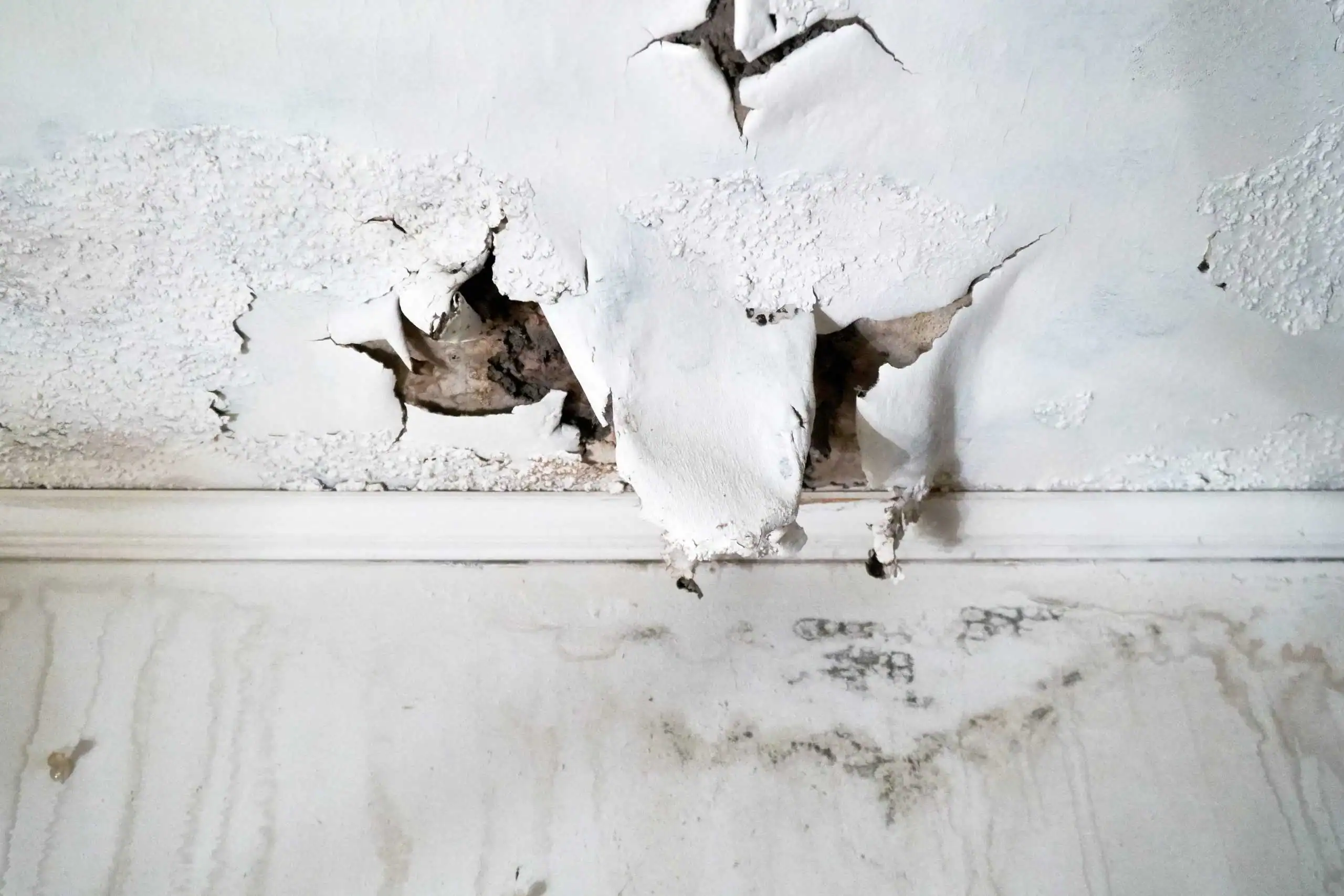
Water damage in Elmsford moves fast — and so does mold. We respond 24/7 with certified water damage restoration before a bad situation becomes a permanent one.
I needed a professional consultation explanation of procedure for safe removal of Asbestos in my apartment complex. Without having an account yet, I was very impressed with the caring, knowledgeable and generous advice offered by Jessica, and will look forward to doing business in the future. Thank you so much! I feel much more informed about a sometimes scary endeavor. Peace. Nancy Silva Mineola, NY.
Mia Munoz
Used this company to clean up some water flood in my house. They were fast and easy to work with.very professional, Would recommend to anyone!
Nini Valle
Great company, had a flood and they responded quickly and efficiently. Billed my insurance company directly. I highly recommend this company!
joe colapietro, jr
I had pipe freeze in my basement right before a snow storm and they made to within an hour to help start the clean up process. They we by our side throughout the entire process and even helped with the insurance company. They did such a great job with the cleanup, repair, remidiation, I contracted them to perform the repairs and finishes in the basement. They came with enough manpower and material to get the job done. Leo and Jessica were nothing but a pleasure to deal with!!
Cristian Arredondo c
I had some water damage in my home and Green Island was able to take care of my issue quickly and effectively. I am very pleased with the work they did. They responded quickly and were very professional.
Michael M
Outstanding service! From the office to the field crew everyone was friendly, helpful and responsive. I highly recommend Green Island Group.
Elmsford floods. That’s documented reality. The Saw Mill River corridor has triggered state of emergency declarations, the Army Corps of Engineers has a formal plan specifically for this area, and Lamont Street off Saw Mill River Road flooded again as recently as July 2025. When water enters your home, you have roughly 24 to 48 hours before mold begins establishing itself inside your walls, under your floors, and in your subfloor framing. That window closes fast.
What you want after a water event isn’t just dry floors. You want to know the moisture is actually gone — not just from the surface, but from inside the structure. Industrial extraction equipment, professional moisture meters, and commercial dehumidification systems are what make that possible. The job isn’t finished when the floors look dry. It’s finished when the readings confirm it.
For homeowners in Elmsford North and Suburban Manor — where most of the housing stock was built in the 1940s, 1950s, and 1960s — there’s an added layer. Older homes absorb water differently, and aging plumbing systems in that construction era are far more prone to failure. Getting a complete restoration done right the first time means you’re not dealing with the same problem again next spring when the river rises.
Water Damage Restoration Company near Elmsford, NY
Certified, Insured, and Serving Elmsford for Over a Decade
We’ve been serving the New York metro area for over 12 years, including the Elmsford and greater Westchester community. That’s not a number dropped to sound impressive — it means we were here before the last flood cycle and we’ll be here after the next one. In a market where storm chasers show up after every major weather event and disappear before the work is fully done, longevity is the clearest signal that a contractor does things right.
We hold NYS and NYC M/WBE Certification — a government-issued credential that requires documented compliance with state procurement standards. We work directly with the NYS Office of General Services. That’s not a marketing badge. It’s a legal designation that no local franchise competitor in the Westchester market currently holds.
Every job is backed by full liability insurance and Workers’ Compensation coverage, a 100% Satisfaction Guarantee, and financing up to $200,000 at 0% APR. For a community like Elmsford — diverse, working-class at its core, and no stranger to repeat flooding along the Route 9A and Saw Mill River corridor — those aren’t extras. They’re the baseline.
What Actually Happens From Your First Call to Final Walkthrough
When you call, the first thing that happens is a real conversation — not a voicemail. We operate 24/7, so whether the Bronx River backs up at 2 a.m. or a pipe bursts on a Sunday morning, someone picks up. From Elmsford’s position at the I-287 and Saw Mill River Parkway interchange, our response access is straightforward from virtually any direction in the metro area.
Once on-site, we assess the full scope of the damage — not just what’s visible. Moisture meters go into walls, floors, and framing cavities to map where water has actually traveled. In Elmsford’s older housing stock, water doesn’t stay on the surface. It wicks into wall cavities and saturates subfloor framing in ways that a visual inspection alone will miss completely. In homes built before 1980, if water damage disturbs pipe insulation, floor tiles, or ceiling materials, we’re equipped to identify and address asbestos-containing materials on the spot — without you needing to coordinate a separate contractor or a second insurance claim.
From there, industrial extraction and commercial dehumidification run until moisture readings confirm the structure is dry. Any required structural repairs — drywall, subfloor, framing — are handled under the proper Village of Elmsford building permits. And if you’re filing an insurance claim, we bill your insurance company directly, handle the documentation, and take that off your plate entirely.
Water Damage Restoration Services near Elmsford, NY
Full Restoration, Not Just Surface Drying
Water damage restoration covers more ground than most people expect when they first call. Emergency water extraction is the starting point — getting standing water out of basements, living areas, and crawl spaces before it migrates further into the structure. After extraction, the real work begins: structural drying, moisture mapping, and dehumidification that addresses what’s inside the walls and under the floors, not just what you can see.
In Elmsford specifically, our service scope frequently extends to mold remediation. When flooding events hit the Saw Mill River corridor or a burst pipe goes undetected in one of the village’s older split-levels, moisture has often been sitting long enough for mold to take hold before anyone calls. New York State requires a state-issued mold remediation license for any contractor performing this work — that’s a meaningful quality filter worth asking about when you’re comparing options. We hold the proper licensing and handle remediation as part of a complete restoration, not as a separate engagement you have to schedule independently.
For homes along the low-lying sections of Saw Mill River Road or in residential areas near the Bronx River corridor, our service also includes a full post-restoration walkthrough and documentation package — everything you need to support an insurance claim or satisfy a building inspector when permitted structural repairs are involved. The goal is simple: you get your home back, fully restored, with nothing left unresolved.
Does homeowners insurance cover flooding from the Saw Mill River in Elmsford?
This is one of the most common questions after a flood event in Elmsford, and the honest answer is: it depends on the source of the water. Standard homeowners insurance typically covers sudden and accidental water damage — like a burst pipe or an appliance failure — but it generally does not cover flooding caused by an overflowing river or rising groundwater. That type of damage falls under flood insurance, which is a separate policy issued through the National Flood Insurance Program or a private carrier.
If your basement flooded because the Saw Mill River backed up during a storm, you’d need a separate flood policy for that to be covered. If your basement flooded because a drain backed up or a pipe failed during the same storm, that portion may fall under your standard homeowners policy. The line between the two isn’t always obvious, and insurance companies don’t always make it easy to sort out. We work directly with insurance carriers, handle the documentation, and bill them directly — so you’re not navigating that process alone while water is still sitting in your home.
How quickly can mold develop after a basement flood in Elmsford, NY?
Mold can begin growing within 24 to 48 hours of a water event — and in Elmsford’s climate, that window is not theoretical. Westchester County summers are humid, and post-storm conditions create exactly the warm, damp environment mold needs to establish itself inside wall cavities, under flooring, and in subfloor framing. By the time you can see or smell mold, it has already been growing for a while.
The homes in Elmsford North and Suburban Manor — mostly 1940s through 1960s construction — are particularly vulnerable. Older framing materials absorb moisture more readily than modern construction, and the wall assemblies in that era weren’t designed with vapor management in mind. That means moisture travels deeper into the structure faster. Waiting even a day or two to call a restoration company isn’t just a minor delay — it can be the difference between a water damage job and a full mold remediation project, which is a significantly larger scope and cost. The safest move is to call immediately, even if the damage looks manageable from the surface.
What should I do first if a pipe bursts in my Elmsford home during winter?
The first thing to do is shut off the main water supply to your home. In most Elmsford homes — particularly the split-levels and older single-family homes throughout the village — the main shutoff is in the basement near where the water line enters the structure. If you don’t know where it is, find it now, before you need it. Once the water is off, move anything out of the affected area that can be moved: furniture, rugs, boxes, anything on the floor.
Then call us immediately — not after you’ve assessed the damage, not after you’ve called your insurance agent. The extraction and drying process needs to start as quickly as possible. Elmsford’s winter freeze-thaw cycle is a recurring pipe failure driver, especially in homes with uninsulated pipes in basements, crawl spaces, or exterior walls. The older galvanized and early copper plumbing in the village’s pre-1970 housing stock is significantly more prone to cracking under freeze pressure than modern materials. Getting a professional on-site fast is the single most effective thing you can do to limit the total scope of damage.
How much does water damage restoration cost in Westchester County?
The honest range is wide, because the scope of water damage varies enormously. For a straightforward water extraction and drying job — say, a washing machine overflow or a minor pipe leak caught quickly — you might be looking at $1,500 to $3,000. For a basement flooding event involving structural drying, mold remediation, and drywall or subfloor replacement, costs in the Westchester market regularly reach $8,000 to $16,000 or more. The New York metro area runs about 9% above the national average for restoration work, and Westchester specifically tends to sit at the higher end of that range.
The biggest cost driver is how long the water sat before remediation started. A job caught in the first few hours is fundamentally different from one where moisture has been inside the walls for two or three days. That’s why the mold window matters so much practically — it’s not just about mold, it’s about total job scope and total cost. We offer financing up to $200,000 at 0% APR, which no other restoration contractor currently serving Elmsford advertises. If cost is the reason you’re hesitating to call, that option exists specifically to remove that barrier.
Do I need a permit for water damage repairs in Elmsford, NY?
It depends on what the repair involves. Water extraction and drying — the mitigation phase — generally doesn’t require a permit. But once you move into structural repairs, the answer changes. Replacing drywall, repairing or replacing subfloor framing, or making any structural modifications to the home requires a building permit from the Village of Elmsford’s Building Department. Elmsford is an incorporated village with its own municipal government and building department, which means permit requirements and inspections are handled at the village level — not through the Town of Greenburgh.
This matters practically because unpermitted structural work can create problems when you sell the home or file an insurance claim. A restoration contractor who skips the permit process to move faster is creating a liability for you, not a convenience. We handle the permit process as part of the job — any structural repairs that require village approval are submitted and inspected properly. It’s a step that adds a small amount of time to the project and protects you significantly on the back end.
Can one contractor handle both water damage and asbestos in an older Elmsford home?
Yes — and in Elmsford, that capability matters more than it does in most places. The majority of the village’s residential housing stock was built between the 1940s and 1960s, an era when asbestos was standard in pipe insulation, floor tiles, ceiling tiles, joint compound, and roofing materials. When a water event disturbs those materials — a burst pipe soaking through a floor tile, flooding that compromises a drop ceiling, water intrusion that damages pipe wrap — you’re potentially dealing with an asbestos exposure situation at the same time as a water damage situation.
Most water damage franchises are not equipped to handle asbestos abatement. That means homeowners end up coordinating two separate contractors, two separate schedules, and two separate insurance interactions — all while the clock on mold growth is running. We hold asbestos abatement capabilities alongside full water damage restoration services, which means both can be handled in a single engagement. For homeowners in Elmsford North, Suburban Manor, or anywhere else in the village where pre-1980 construction is the norm, that’s not a minor convenience. It’s the difference between a clean, coordinated restoration and a drawn-out, multi-contractor process that takes weeks longer than it should.