Katonah's Older Homes Don't Forgive Slow Responses
When water gets into a pre-war home, the clock starts immediately — and the materials inside make every hour count. We respond 24/7 to water damage repair calls across Katonah, NY.
I needed a professional consultation explanation of procedure for safe removal of Asbestos in my apartment complex. Without having an account yet, I was very impressed with the caring, knowledgeable and generous advice offered by Jessica, and will look forward to doing business in the future. Thank you so much! I feel much more informed about a sometimes scary endeavor. Peace. Nancy Silva Mineola, NY.
Mia Munoz
Used this company to clean up some water flood in my house. They were fast and easy to work with.very professional, Would recommend to anyone!
Nini Valle
Great company, had a flood and they responded quickly and efficiently. Billed my insurance company directly. I highly recommend this company!
joe colapietro, jr
I had pipe freeze in my basement right before a snow storm and they made to within an hour to help start the clean up process. They we by our side throughout the entire process and even helped with the insurance company. They did such a great job with the cleanup, repair, remidiation, I contracted them to perform the repairs and finishes in the basement. They came with enough manpower and material to get the job done. Leo and Jessica were nothing but a pleasure to deal with!!
Cristian Arredondo c
I had some water damage in my home and Green Island was able to take care of my issue quickly and effectively. I am very pleased with the work they did. They responded quickly and were very professional.
Michael M
Outstanding service! From the office to the field crew everyone was friendly, helpful and responsive. I highly recommend Green Island Group.
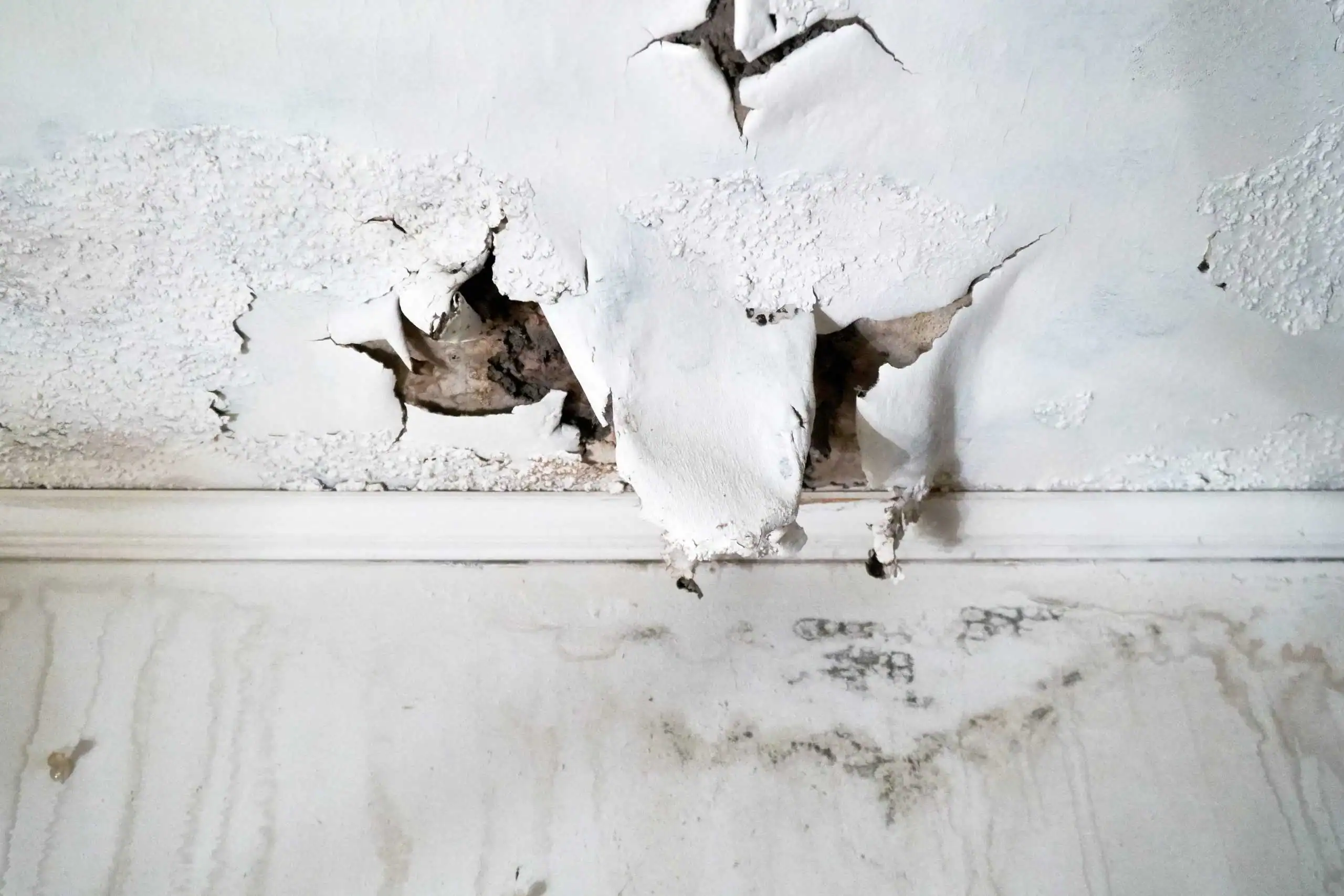
Most water damage in Katonah doesn’t announce itself. You come home from the city on the Harlem Line, walk in the door, and something’s off — a smell, a soft spot in the floor, a ceiling that’s starting to sag. By then, moisture has already been moving through your walls for hours. That’s the part most people don’t think about until it’s a bigger problem.
The homes here are older than in most of Westchester. Pre-war construction means plaster walls, original wood subfloors, and stone foundations that hold water differently than modern builds. When our professional drying equipment gets into those materials early, you stop the damage from compounding. You protect the floors you refinished, the walls you restored, and the structural integrity of a home that was built to last — but wasn’t built to sit wet.
When the job is done right, you’re not just dry. You have documentation, a clear picture of what was affected, and confidence that mold isn’t quietly growing inside a wall you can’t see. That’s the outcome worth paying for.
Credentialed, Insured, and Accountable on Every Job
We’ve been doing environmental restoration work across the New York metro area for over 12 years, with deep experience throughout northern Westchester and Katonah. That includes water damage, mold remediation, and asbestos abatement — which matters more in Katonah than most people realize until they’re mid-project and discover pipe insulation that needs to be handled before anything else can move forward.
We hold NYS and NYC M/WBE Certification and work with the NYS Office of General Services. That’s not a badge on a website — it means we’ve been vetted to work on state government properties. Full liability insurance and workers’ compensation are in place on every job, which protects you as the homeowner, not just our crew.
Katonah residents investing in homes worth $800,000 or more deserve a contractor who shows up with credentials, not just a truck. That’s what you get here.
From First Call to Final Walkthrough — One Team, No Handoffs
It starts the moment you call. Our emergency line runs 24 hours a day, seven days a week. You describe what you’re dealing with, and we mobilize. For Katonah homeowners who are often away during the day — commuting into the city while a pipe quietly fails at home — that immediate response window is the difference between a contained problem and a full remediation project.
Once on-site, our first priority is stopping the source and assessing the full scope. That means moisture metering inside walls, under floors, and through structural materials — not just what’s visible on the surface. In Katonah’s older homes, water travels in ways that newer construction doesn’t allow. A leak in one area can show up as damage in a completely different part of the house. That full-scope assessment shapes everything that follows.
From there, industrial extraction and drying equipment goes to work. If mold is present or asbestos-containing materials are disturbed — a real possibility in pre-1970 homes throughout the area — that’s handled in the same engagement. No separate contractor, no coordination on your end. One team manages the entire process, documents everything for your insurance claim, and doesn’t consider the job finished until you’ve done a walkthrough and signed off.
Water damage restoration in a newer home is one thing. In a Katonah home built before World War II, it’s a different job entirely. The materials are more absorbent, the construction is more complex, and the risk of disturbing hazardous materials during remediation is real. Our scope of work is built around that reality.
Water extraction and structural drying are the foundation — industrial-grade equipment that reaches moisture inside plaster walls, beneath original hardwood floors, and within rubble foundations that poured concrete would never allow. Moisture readings are documented throughout, so you have a clear record of what was wet, where it was, and when it reached dry standard. That documentation matters for insurance and for your own peace of mind.
What sets this service apart for Katonah specifically is our asbestos abatement capability. New York State requires a licensed mold remediation contractor for any mold work — a requirement most other states don’t have — and we hold that license. For homes near the Cross River Reservoir area where the water table rises fast during spring thaw and heavy rain events, that full-service capability means you’re not left managing multiple vendors during one of the more stressful situations a homeowner faces. Everything is handled, documented, and backed by a 100% Satisfaction Guarantee.
How quickly does mold start growing after water damage in my Katonah home?
Mold can begin developing within 24 to 48 hours of a water event — and in Katonah’s older homes, it tends to move faster than people expect. Plaster walls, original wood framing, and organic insulation materials like cellulose or horsehair are far more absorbent than modern drywall. Once those materials get wet and stay wet, they become an ideal environment for mold to take hold.
The commuter pattern in Katonah adds a layer of risk. If a pipe fails while you’re in the city and you don’t discover it until evening, you may already be approaching that 24-hour window by the time you make the call. That’s why immediate response matters — not just to remove standing water, but to begin active drying of the materials inside your walls and floors before mold gets a foothold. Surface drying with fans and towels won’t cut it in a pre-war home. You need equipment that reaches the moisture you can’t see.
Does homeowners insurance cover water damage from a burst pipe in Katonah, NY?
In most cases, yes — sudden and accidental water damage from a burst pipe is covered under a standard homeowners insurance policy in New York. The key word is “sudden.” If an adjuster determines the pipe had been leaking slowly over time and the damage was the result of deferred maintenance, coverage can be disputed or denied. That distinction matters, and it’s worth understanding before you file.
What also matters is how the damage is documented. A professional restoration contractor who photographs the affected areas, conducts moisture readings throughout the structure, and provides a detailed scope of work gives your claim a much stronger foundation than a verbal description over the phone. We handle insurance billing directly and support the documentation process from the initial assessment through completion — so you’re not navigating that conversation alone while also trying to manage the disruption to your home.
My Katonah home was built in the 1930s — should I be worried about asbestos during water damage repair?
It’s a legitimate concern, and it’s one that comes up often in Katonah given how much of the housing stock predates 1970. Asbestos-containing materials were commonly used in residential construction through the late 1970s — in pipe insulation, floor tiles, ceiling tiles, and joint compound. When water damage occurs and remediation work begins, there’s a real possibility those materials get disturbed.
A standard water damage contractor cannot legally handle asbestos in New York State. If a crew opens a wall in a pre-war Katonah home and encounters asbestos-containing materials, the work has to stop until a licensed abatement contractor steps in. That handoff creates delays, additional coordination, and added stress during an already difficult situation. We hold asbestos abatement capability in-house, which means if it’s encountered during a water damage job in your home, the process keeps moving without you having to find and schedule a second contractor.
What's the difference between water mitigation and water damage restoration?
Mitigation is the emergency phase — stopping the water, extracting what’s there, and stabilizing the environment to prevent further damage. It’s the immediate response work. Restoration is everything that comes after: drying the structure completely, repairing or replacing damaged materials, and returning the space to its pre-loss condition. Both are part of the same job, but they happen in sequence.
In practice, the line between them matters because some contractors only handle one phase. A mitigation-only company extracts the water and leaves — and then you’re coordinating a separate crew for the rebuild. In a large, older Katonah home where the scope can expand quickly once walls are opened, that kind of fragmented process gets complicated fast. We handle both phases under one engagement, which keeps the timeline tighter, the communication cleaner, and the accountability in one place from start to finish.
How much does water damage restoration typically cost in Westchester County?
The national average for water damage restoration runs around $3,800, but that number covers a wide range of scenarios. A contained pipe leak caught early in a modern home is a very different job from a basement flood in a 90-year-old stone-foundation home near the Cross River area, where the water table rises quickly during spring thaw and heavy rain events. In those cases, costs can reach $10,000 to $16,000 or more depending on the extent of structural drying required, whether mold is present, and whether asbestos-containing materials need to be addressed.
For Katonah homeowners, the more useful framing is what incomplete restoration costs. A job that appears finished but leaves moisture inside walls will produce mold within weeks. Remediation after the fact — especially in a home worth close to or over a million dollars — is far more expensive than doing the job thoroughly the first time. We also offer financing up to $200,000 at 0% APR, which is useful in situations where an insurance dispute delays reimbursement but the work needs to begin immediately.
Does New York State require a license for mold remediation work?
Yes — New York is one of the few states in the country that requires a dedicated mold remediation contractor license for any mold remediation work. This isn’t a general contractor license or a business registration. It’s a specific credential issued by New York State that requires training, documentation, and compliance with state standards. Any contractor performing mold remediation in Katonah without this license is operating illegally, and any work they do is unverified and potentially unprotected under your insurance policy.
This matters practically because water damage and mold go hand in hand. If a contractor comes in to handle your water damage and discovers mold — which is common in Katonah’s older homes after even a moderate water event — they need to hold this license to legally address it. We hold the required NYS mold remediation license, which means when mold is found during a water damage job, the work doesn’t stop and you don’t need to find another contractor. The full scope gets handled by one licensed, insured team.