When the Saw Mill Rises, Your New Castle Home Needs More Than a Shop Vac
Water damage in New Castle moves fast — and so does mold. We provide 24/7 water damage restoration for Chappaqua and Millwood homeowners who need the job done completely, not just quickly.
I needed a professional consultation explanation of procedure for safe removal of Asbestos in my apartment complex. Without having an account yet, I was very impressed with the caring, knowledgeable and generous advice offered by Jessica, and will look forward to doing business in the future. Thank you so much! I feel much more informed about a sometimes scary endeavor. Peace. Nancy Silva Mineola, NY.
Mia Munoz
Used this company to clean up some water flood in my house. They were fast and easy to work with.very professional, Would recommend to anyone!
Nini Valle
Great company, had a flood and they responded quickly and efficiently. Billed my insurance company directly. I highly recommend this company!
joe colapietro, jr
I had pipe freeze in my basement right before a snow storm and they made to within an hour to help start the clean up process. They we by our side throughout the entire process and even helped with the insurance company. They did such a great job with the cleanup, repair, remidiation, I contracted them to perform the repairs and finishes in the basement. They came with enough manpower and material to get the job done. Leo and Jessica were nothing but a pleasure to deal with!!
Cristian Arredondo c
I had some water damage in my home and Green Island was able to take care of my issue quickly and effectively. I am very pleased with the work they did. They responded quickly and were very professional.
Michael M
Outstanding service! From the office to the field crew everyone was friendly, helpful and responsive. I highly recommend Green Island Group.
Your New Castle Home Restored — Walls, Floors, and All
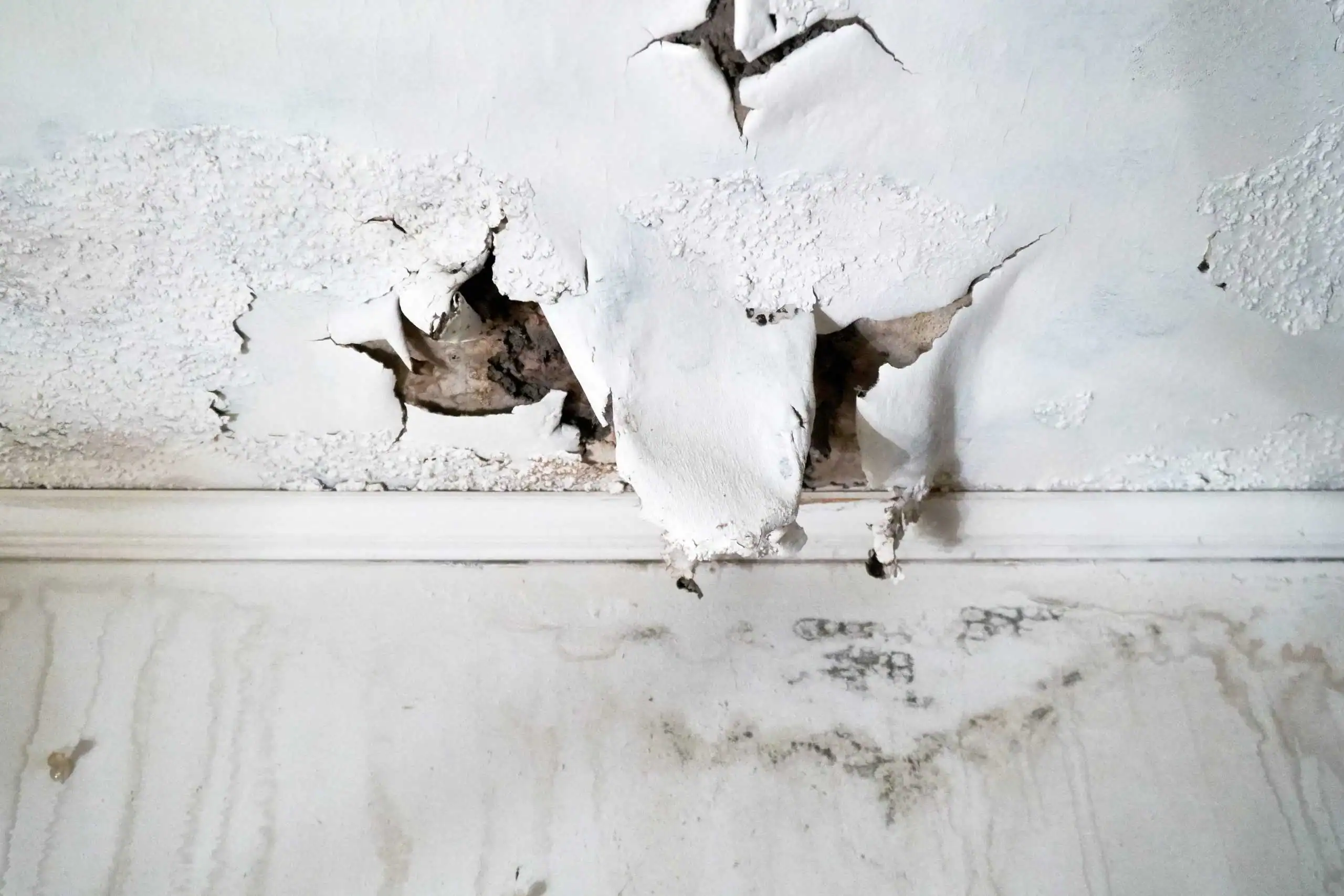
When water gets into a finished basement in New Castle, the damage isn’t just what you can see standing in it. It’s inside the wall cavities, under the hardwood, behind the custom millwork. Surface drying doesn’t reach any of that. What you actually need is moisture extraction that goes all the way through the structure — measured with meters, confirmed with equipment, and documented so your insurance company can’t argue with the results.
New Castle’s housing stock makes this especially important. More than half the homes in town were built before 1970, and many of those homes have plaster walls, older subfloors, and pipe runs through spaces that were never designed to be heated. When a freeze hits in January and a pipe lets go at 2 a.m., the water doesn’t wait for business hours. Neither do we. We dispatch 24/7, handle the full scope of restoration, and bill your insurance directly so you’re not spending your week on the phone with an adjuster while your basement sits wet.
The other thing worth knowing: in older Chappaqua and Millwood homes, water damage frequently disturbs asbestos-containing materials — pipe insulation, floor tiles, ceiling materials. Most restoration contractors can’t handle that. They refer you out, which means delays, separate contracts, and more coordination on your end. We handle asbestos abatement in-house, which means one call, one crew, one process from start to finish.
12 Years In, We've Seen What These Older New Castle Homes Hide
We’ve been doing environmental restoration work in the New York metro area for over 12 years. We’re not a franchise. We’re not a storm chaser who shows up after a flood event and disappears before the job is actually finished. We’re a full-service restoration contractor — licensed, insured, M/WBE certified by both New York State and New York City — with the kind of track record that comes from doing this work correctly, repeatedly, for over a decade.
We’ve worked throughout New Castle, including the older estates and wooded properties that line the roads off Quaker Road and North Bedford Road. We know what pre-1960 construction looks like from the inside. We know what happens when water gets into a home that was built before modern vapor barriers existed, and we know how to get it out without creating a bigger problem in the process.
Our customers specifically mention two things in their reviews: we handle the insurance billing directly, and we don’t leave until the job is actually done. In a town where most households are managing demanding careers, school schedules, and a home that requires real attention, those two things matter more than most.
What Actually Happens From First Call to Final Walkthrough
When you call, we assess the situation immediately and dispatch a crew — day or night. The first thing we do on-site is contain the damage and identify the full scope of what’s affected. In New Castle homes, that often means looking beyond the obvious. Water that enters through a foundation or a burst pipe in an older home tends to travel further than it first appears, and in homes with plaster walls or original hardwood floors, moisture hides in places a visual inspection won’t catch. We use moisture meters and thermal imaging to find it.
Once we know what we’re dealing with, we begin extraction and set up industrial drying equipment. This isn’t a fan-and-dehumidifier setup from a hardware store — it’s commercial-grade equipment calibrated to the size and condition of the affected space. In New Castle, where finished basements commonly contain custom flooring, built-in cabinetry, and high-end finishes, we treat every square foot of the affected area with the same attention. Drying is monitored until moisture readings confirm the structure is fully dry — not just dry enough.
Before any structural restoration begins, we check for asbestos and mold. This is required by New York State law in pre-1980 construction, and it’s a step that protects you legally and physically. If abatement is needed, we handle it in-house. Once the environment is clear, we restore the space to pre-damage condition. Throughout the entire process, we document everything for your insurance file and communicate directly with your adjuster on your behalf.
Water damage restoration in New Castle isn’t a simple extraction job. The town sits at the headwaters of the Saw Mill River, and the combination of steep watershed slopes, aging infrastructure, and older housing stock creates conditions that push water into places most contractors aren’t equipped to address. We handle the complete scope: emergency water extraction, structural drying, mold remediation, asbestos abatement, and full restoration of affected materials — all under one roof, with one point of contact.
For homeowners near South Greeley Avenue or in low-lying areas of Chappaqua that have historically flooded, we understand the recurring nature of the problem and document the restoration thoroughly so each event is handled correctly for insurance purposes. For homes in Millwood and the western portions of New Castle, where properties tend to sit on larger lots with older plumbing and longer pipe runs, we pay particular attention to freeze-related damage patterns that often go undetected until they’ve spread through multiple rooms.
Financing is available up to $200,000 at 0% APR — no competitor in this area offers that. If your insurance claim covers the work, we bill directly. If there’s a gap, you have options that don’t require you to delay the restoration or compromise on the scope of the job. We’re fully insured, including liability and workers’ compensation, and every job comes with a 100% satisfaction guarantee.
Does water damage restoration in New Castle typically uncover asbestos or lead paint?
In New Castle, it’s genuinely common. More than half of the town’s housing units were built before 1970, and a significant portion predate 1949. Homes built before 1980 frequently contain asbestos in pipe insulation, floor tiles, ceiling materials, and roofing components. When water damage disturbs those materials — which it often does when flooding soaks walls, lifts flooring, or saturates insulation — New York State law requires licensed abatement before restoration work can continue.
This isn’t a technicality. It’s a legal and health requirement, and it affects the timeline and scope of any restoration project in an older home. Most water damage contractors in this area are not licensed for asbestos abatement and will refer you to a separate contractor, which adds time, coordination complexity, and often additional cost. We handle asbestos abatement in-house, which means the process stays on one timeline, under one contract, with one crew managing everything from extraction through final restoration.
How quickly does mold start growing after a basement flood in my New Castle home?
Mold can begin colonizing within 24 to 48 hours of a water event — sometimes faster in warm, humid conditions. In a finished basement with carpet, drywall, and wood framing, those conditions are almost always present after a flood. The materials absorb moisture quickly and hold it, which creates exactly the environment mold needs to get established before you’ve even had a chance to call a contractor.
This is why response time matters so much. In New Castle, where summer thunderstorms can drop two inches of rain in an hour and the Saw Mill River watershed is prone to rapid runoff, basement flooding events can happen with very little warning. Getting a crew on-site the same day — not two days later — is the difference between a drying job and a mold remediation job. We dispatch 24/7 specifically because that window is real, and waiting until morning to make a call is often waiting too long.
Will my homeowners insurance cover water damage from a burst pipe in New York?
Generally, yes — sudden and accidental water damage from a burst pipe is covered under most standard homeowners insurance policies in New York. The key word is “sudden.” If an adjuster can argue the damage resulted from a slow leak or deferred maintenance, coverage can be disputed or reduced. This is why documentation from the moment you discover the damage matters significantly.
What’s typically not covered under a standard policy is flood damage from an external source — meaning water that enters your home from outside, such as the Saw Mill River overflowing or stormwater backing up through a drain. For that type of event, you’d need a separate flood insurance policy, usually through the National Flood Insurance Program. If you’re in one of the low-lying areas near South Greeley Avenue in Chappaqua, it’s worth reviewing your coverage before the next heavy rain season. We handle insurance billing directly and will communicate with your adjuster throughout the process to make sure the claim is documented and submitted correctly.
How long does water damage restoration take for a large older home in New Castle?
The drying phase alone typically takes three to five days for a standard water damage event, though that timeline extends in older homes with denser wall construction, original hardwood floors, or plaster that holds moisture longer than modern drywall. In New Castle, where many homes were built with materials and configurations that predate modern construction standards, it’s not unusual for the drying process to run closer to a week before moisture readings confirm the structure is fully dry.
After drying, the timeline for full restoration depends on the scope of the damage. If the event is contained to one room and no hazardous materials are involved, restoration can often be completed within one to two weeks. If asbestos abatement is required — which is common in pre-1980 homes throughout New Castle — that adds time because abatement must be completed and cleared before structural work can begin. The honest answer is that a thorough job takes as long as it takes, and cutting the timeline short is how you end up with mold six months later. We’ll give you a realistic timeline on the first visit, not an optimistic one designed to get you to sign.
What should I do immediately after discovering water damage in my Chappaqua home?
The first thing to do is stop the source if you can. If it’s a burst pipe, locate your main water shutoff and turn it off. If it’s coming from outside — stormwater, a backed-up drain, or a sump pump that failed during a heavy rain event — focus on keeping people and valuables out of the affected area until you know what you’re dealing with.
After that, call a restoration contractor before you call your insurance company. This might seem counterintuitive, but having a professional assess and document the damage before an adjuster sees it protects your claim. Take photos of everything — the standing water, the affected materials, the source if visible. Don’t run residential fans or try to dry the space yourself; that can spread moisture into adjacent areas and actually complicate the remediation. In older Chappaqua homes especially, disturbing wet walls or flooring without knowing what’s behind them can release asbestos fibers or accelerate mold growth. Let a licensed crew assess it first. We can be on-site the same day you call, any day of the week.
How does Green Island Group handle water damage insurance claims in New Castle, NY?
We handle insurance billing directly, which means we communicate with your adjuster, submit the documentation, and manage the back-and-forth so you don’t have to. This isn’t a passive hand-off — we document the damage thoroughly from the moment we arrive, which gives your claim the kind of detailed support that makes it harder for an insurer to dispute the scope or the cost.
For New Castle homeowners, this matters in a specific way. Homes in Chappaqua and Millwood are high-value properties with custom finishes, finished basements, and materials that cost significantly more to restore than what you’d find in a standard suburban home. Insurance adjusters sometimes underestimate restoration costs in high-value properties, and having a contractor who understands how to document and communicate that scope is a real advantage. If your policy has gaps — which is common for flood-related events in areas near the Saw Mill River corridor — we can walk you through the financing options available, including 0% APR financing up to $200,000, so the restoration doesn’t have to wait while a coverage dispute gets sorted out.