Rockland County Homes Deserve More Than a Surface Fix
When water gets into a home built in the 1950s or 1960s — the kind that makes up most of New City — the damage goes deeper than what you can see. We handle water damage repair from the first call to the final walkthrough, 24/7.
I needed a professional consultation explanation of procedure for safe removal of Asbestos in my apartment complex. Without having an account yet, I was very impressed with the caring, knowledgeable and generous advice offered by Jessica, and will look forward to doing business in the future. Thank you so much! I feel much more informed about a sometimes scary endeavor. Peace. Nancy Silva Mineola, NY.
Mia Munoz
Used this company to clean up some water flood in my house. They were fast and easy to work with.very professional, Would recommend to anyone!
Nini Valle
Great company, had a flood and they responded quickly and efficiently. Billed my insurance company directly. I highly recommend this company!
joe colapietro, jr
I had pipe freeze in my basement right before a snow storm and they made to within an hour to help start the clean up process. They we by our side throughout the entire process and even helped with the insurance company. They did such a great job with the cleanup, repair, remidiation, I contracted them to perform the repairs and finishes in the basement. They came with enough manpower and material to get the job done. Leo and Jessica were nothing but a pleasure to deal with!!
Cristian Arredondo c
I had some water damage in my home and Green Island was able to take care of my issue quickly and effectively. I am very pleased with the work they did. They responded quickly and were very professional.
Michael M
Outstanding service! From the office to the field crew everyone was friendly, helpful and responsive. I highly recommend Green Island Group.
What Complete Restoration Actually Looks Like in New City
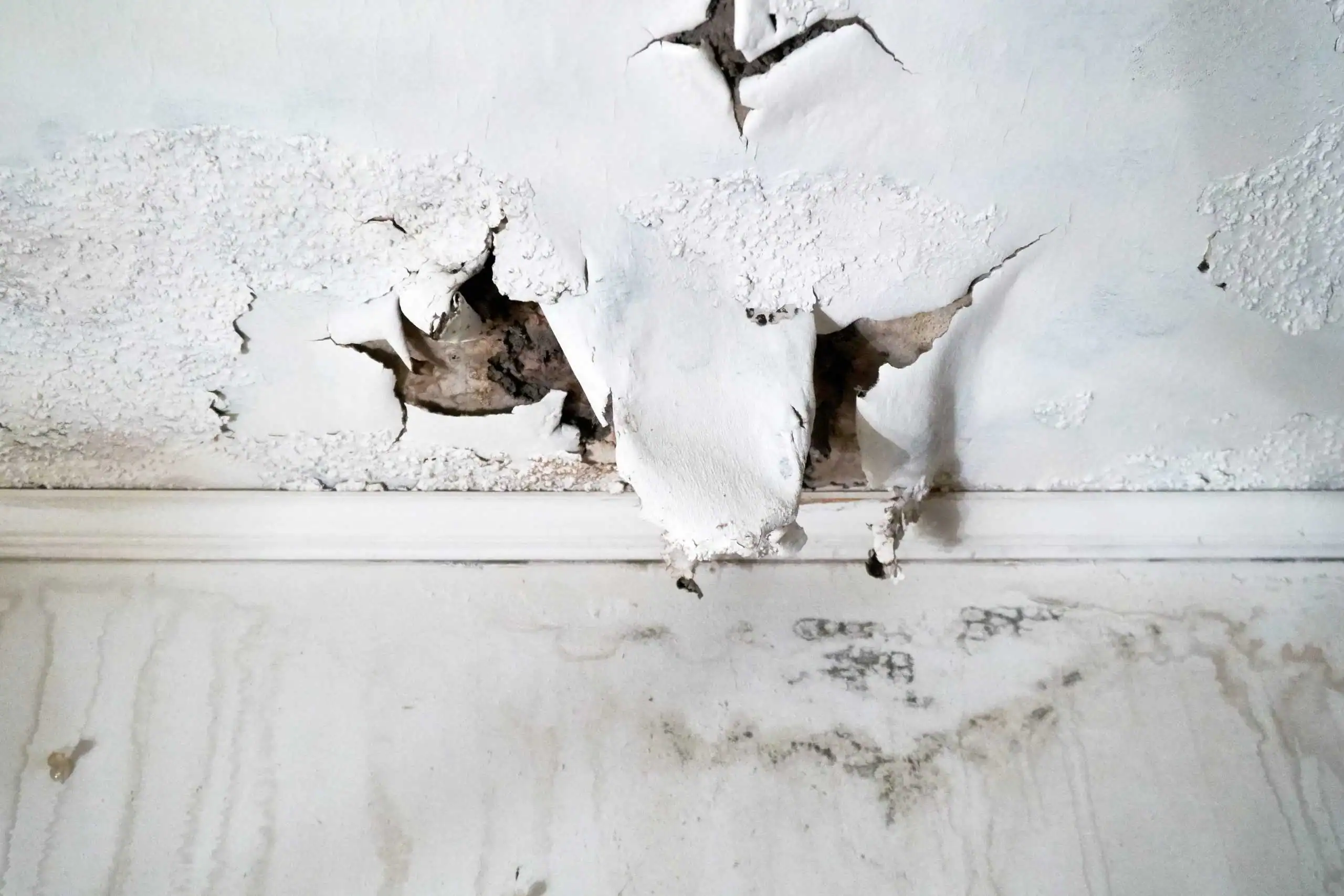
After a water event — whether it’s a burst pipe in January, a sump pump failure during a spring storm, or a flooded basement after a remnant system like Hurricane Ida rolls through Rockland County — the real question isn’t just “is the water gone?” It’s whether the moisture hiding inside your walls, subfloor, and insulation is gone too. That’s where most jobs go wrong.
New City’s housing stock is overwhelmingly post-WWII construction. Homes in Middlesex Heights, Laurel Plains, and Braemar were built during an era when wall cavities weren’t designed with moisture management in mind. Water gets in and stays in. When it does, mold can start growing within 24 to 48 hours — and in a home worth $800,000 or more, that’s not a small problem.
Complete restoration means verified drying — not cosmetic drying. It means moisture readings taken inside the structure, not just on the surface. It means you’re not calling us back six months later because there’s a mold smell coming from the basement. That’s the difference between a job that’s done and a job that looks done.
We’ve been doing environmental restoration work across the New York metro area for over 12 years, with significant experience serving New City and the surrounding Rockland County communities. That includes water damage, mold remediation, asbestos abatement, and fire damage — the full scope of what can go wrong in an older home. We hold NYS and NYC M/WBE certification, work with the NYS Office of General Services, and carry full liability and workers’ compensation insurance. These aren’t things you frame on a wall — they’re things that protect you if something goes sideways on your property.
For New City specifically, that experience matters in a concrete way. The homes here — many of them built during the same post-war boom that followed the opening of the Tappan Zee Bridge and the Palisades Parkway — come with older pipe systems, aging infrastructure, and materials that require careful handling. When water damage happens in a home like that, you need a team that understands what they’re walking into, not one that’s learning on the job.
When you call, someone picks up — any time of day or night. The first step is getting to your property quickly and assessing the full scope of what happened. That means more than looking at standing water. It means using moisture meters to find what’s saturated behind drywall, under flooring, and inside structural cavities that you can’t see from the surface.
Once the assessment is done, extraction starts immediately. Industrial-grade equipment pulls water out of the space, and air movers and dehumidifiers are set up to begin the drying process from the inside out. For homes in New City — especially those in wooded, shaded neighborhoods like Phillips Hill Road or South Mountain Road where air circulation is naturally lower — this phase takes the time it actually takes, not the time that’s convenient to call it done.
If the job involves materials that could contain asbestos — which is a real consideration in homes built before 1980 — that’s handled under proper New York State licensing as part of the same engagement. You don’t need to find a second contractor. Documentation is kept throughout, and if you’re filing an insurance claim, we handle billing directly and support you through the process from start to finish.
One Call Covers the Full Scope — Not Just the Obvious Part
Water damage restoration in New City isn’t a single-step job. Depending on what caused the damage and where it happened, the work can involve water extraction, structural drying, mold remediation, asbestos abatement, and coordination with your insurance carrier. We handle all of it under one roof, which matters when you’re dealing with a home that was built in 1962 and has pipe insulation or floor tiles that predate modern material standards.
Rockland County was included in the FEMA Major Disaster Declaration following Hurricane Ida in September 2021. That event — and the flash flooding that came with it — showed exactly how quickly a water emergency can escalate in this area. The Town of Clarkstown’s building department governs permit requirements for structural repairs following water damage, and New York State requires a dedicated mold remediation license for any contractor performing that work. We carry both.
The financing option is worth knowing about too. If you’re facing a significant restoration bill while waiting for insurance to process a claim, we offer access to up to $200,000 at 0% APR. No other water damage restoration company operating in the New City or Rockland County market offers that. It means you don’t have to choose between doing the job right and waiting to see what insurance covers.
How quickly does mold grow after water damage in a New City home?
Mold can begin growing within 24 to 48 hours of water intrusion — and in New City’s older housing stock, that timeline is a real concern. Homes built in the 1950s and 1960s often have wall assemblies and insulation materials that hold moisture longer than modern construction, which gives mold more time to establish itself before it’s even visible.
By the time you see discoloration on drywall or smell something musty in the basement, the colony is already well underway. That’s why the response window matters as much as the response itself. Getting extraction and drying equipment into your home within the first few hours — not the next business day — is what separates a manageable restoration from a full mold remediation project. If you’ve had water in your home and it’s been sitting for more than a day, don’t wait any longer to call.
Does homeowners insurance cover water damage repair in New City, NY?
It depends on the cause. Most standard homeowners insurance policies cover sudden and accidental water damage — a burst pipe, a washing machine hose that fails, or water that enters through storm damage to the roof or walls. What they typically don’t cover is gradual leaking, seepage through foundation walls, or flooding from surface water, which requires separate flood insurance.
The distinction matters because insurance adjusters sometimes categorize damage in ways that minimize the payout. Having a restoration company that documents the damage thoroughly, understands how to present the claim, and bills the insurance carrier directly gives you a real advantage in that process. We handle insurance billing directly and have helped homeowners in New City and throughout Rockland County navigate claims that might otherwise have been underpaid. If you’re unsure what your policy covers, the best first step is getting a proper damage assessment done so you have documentation before anything is touched.
What causes basement flooding in New City and how do I prevent it?
The most common causes of basement flooding in New City are sump pump failures, groundwater intrusion during heavy rain events, and burst pipes during cold winters. Rockland County’s rocky, hilly terrain channels stormwater runoff quickly, and during a significant storm — the kind New City sees regularly, including the flash flooding that hit Route 59 and surrounding areas during major storm events — drainage systems can get overwhelmed faster than most homeowners expect.
Sump pump failures are especially common in the spring, when snowmelt combines with rain and puts the highest demand on the system. If your pump is more than seven to ten years old, it’s worth having it inspected before the season hits. For burst pipes, the biggest risk is in homes where pipes run through uninsulated garages, crawl spaces, or exterior wall cavities — a common configuration in the post-war homes that make up much of New City’s residential neighborhoods. Prevention helps, but when flooding does happen, the response time is what determines how much damage you’re actually dealing with.
Do water damage repairs in Clarkstown require a building permit?
Structural repairs following water damage — including replacement of drywall, subfloor materials, and framing — typically require a building permit issued by the Town of Clarkstown’s Building Department. This applies to work done in New City, since the hamlet is administered under Clarkstown’s jurisdiction rather than an incorporated village government of its own.
The permit requirement exists to make sure structural repairs meet New York State’s Uniform Fire Prevention and Building Code standards. For homeowners, this means you want a contractor who understands the local permitting process and handles it as part of the job — not one who skips it and leaves you with unpermitted work that surfaces as a problem when you go to sell the home. We operate with full compliance on permitting requirements and carry the licensing required for both mold remediation and asbestos abatement under New York State law.
Why does asbestos matter during water damage repair in older New City homes?
Nearly half of New City’s homes were built between the 1940s and 1960s, and another large portion was built through the 1970s and 1980s. During those decades, asbestos-containing materials were standard — floor tiles, pipe insulation, ceiling tiles, and joint compounds all commonly contained asbestos. When water damage occurs in these homes, the restoration process can disturb those materials.
Most water damage companies are not licensed to handle asbestos. That means if a contractor opens a wall or pulls up flooring in a pre-1980 home and disturbs asbestos-containing material without the proper licensing, they’ve created a hazardous situation — and you may be left coordinating a second licensed contractor to come in and address it separately. We hold the licensing required for asbestos abatement under New York State regulations and handle it as part of the same restoration engagement. If you’re in a home built before 1980 in neighborhoods like Braemar, Laurel Plains, or Dellwood Park, this isn’t a hypothetical concern — it’s something worth asking about before any restoration work begins.
How much does water damage restoration cost in Rockland County, NY?
The cost of water damage restoration in Rockland County varies depending on the size of the affected area, how long the water has been present, and whether secondary issues like mold or asbestos are involved. For a straightforward water extraction and drying job in a single room, costs can start in the $2,000 to $4,000 range. For a more significant event — a finished basement, multiple affected areas, or a job that involves mold remediation — the total can reach $10,000 to $16,000 or more.
In New City, where median home values are approaching $800,000 and much of the housing stock is older, it’s common for jobs to involve more complexity than they appear to at first. Hidden moisture, aging materials, and the potential for asbestos in pre-1980 construction can all affect the final scope. The financing option — up to $200,000 at 0% APR — exists specifically for situations where the insurance timeline and the restoration timeline don’t line up cleanly. You shouldn’t have to delay doing the job right because a claim is still being processed.