Ossining homes deal with real water risk — river flooding, aging pipes, and storms that don’t wait. We respond 24/7 with the crew, equipment, and credentials to handle it completely.
I needed a professional consultation explanation of procedure for safe removal of Asbestos in my apartment complex. Without having an account yet, I was very impressed with the caring, knowledgeable and generous advice offered by Jessica, and will look forward to doing business in the future. Thank you so much! I feel much more informed about a sometimes scary endeavor. Peace. Nancy Silva Mineola, NY.
Mia Munoz
Used this company to clean up some water flood in my house. They were fast and easy to work with.very professional, Would recommend to anyone!
Nini Valle
Great company, had a flood and they responded quickly and efficiently. Billed my insurance company directly. I highly recommend this company!
joe colapietro, jr
I had pipe freeze in my basement right before a snow storm and they made to within an hour to help start the clean up process. They we by our side throughout the entire process and even helped with the insurance company. They did such a great job with the cleanup, repair, remidiation, I contracted them to perform the repairs and finishes in the basement. They came with enough manpower and material to get the job done. Leo and Jessica were nothing but a pleasure to deal with!!
Cristian Arredondo c
I had some water damage in my home and Green Island was able to take care of my issue quickly and effectively. I am very pleased with the work they did. They responded quickly and were very professional.
Michael M
Outstanding service! From the office to the field crew everyone was friendly, helpful and responsive. I highly recommend Green Island Group.
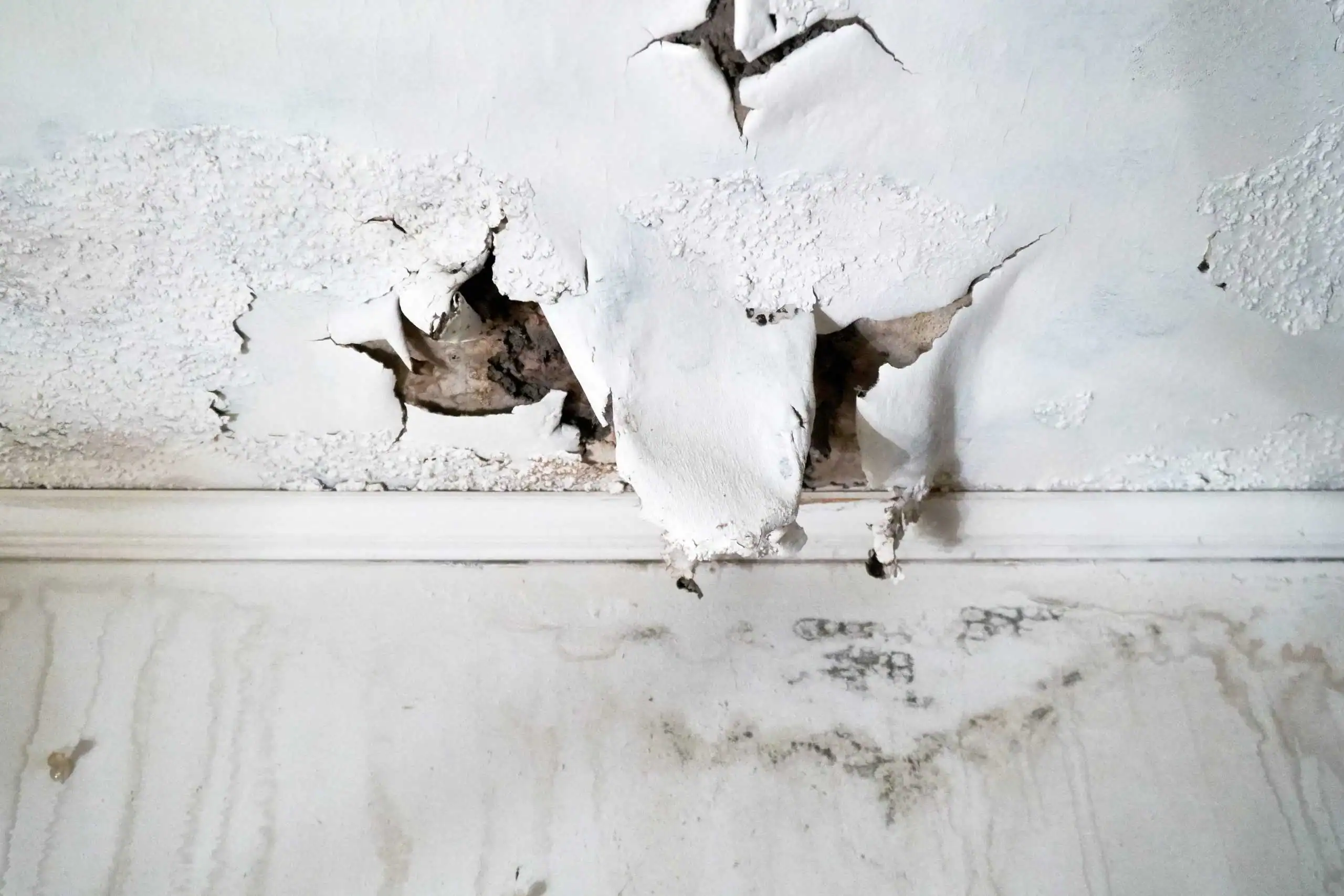
Water damage doesn’t just wreck what you can see. It soaks into the bones of your house — behind walls, under floors, inside the framing — and if it’s not fully pulled out, you’re looking at mold within 24 to 48 hours. That window is short, and in Ossining’s humid Hudson River climate, it closes even faster in the warmer months.
A lot of homes in Ossining were built in the early 1900s or before. That means lathe-and-plaster walls, original hardwood floors, and basements that were never designed to modern waterproofing standards. When water gets in, it doesn’t behave the same way it does in a newer construction. It travels further, hides longer, and causes more damage before anyone realizes the full scope. Getting it right requires more than a shop vac and a few fans.
When the job is done correctly, you get your home back — not a version of it with a ticking clock underneath. Dry, verified with moisture meters, treated for microbial growth where needed, and documented for your insurance company. That’s what a complete restoration looks like, and that’s the only standard worth accepting when your home is on the line.
12 Years In Westchester, and We Still Answer the Phone
We’ve been operating in the New York metro area for over 12 years, with deep roots in Ossining and the surrounding Hudson Valley communities. We’re not a franchise, not a storm chaser, and not a company that shows up after a major flood event and disappears six weeks later. We hold NYS and NYC M/WBE certification, carry full liability and workers’ compensation insurance, and work with the NYS Office of General Services — a level of vetting that most residential contractors in Westchester County can’t come close to matching.
We know Ossining. We know that the older housing stock along the historic Main Street corridor and up into the hillside neighborhoods creates specific challenges that newer suburban towns don’t have. We know that the July 2023 flooding that hit Westchester hard wasn’t an anomaly — it was a reminder of what living near the Hudson means. And we know that when you call us, you need someone who actually picks up, shows up, and finishes the job.
The 100% Satisfaction Guarantee isn’t a tagline. It’s the standard we hold every job to, because our reputation in Ossining is built one restored home at a time.
What Happens from Your First Call to Final Verification
When you call, you’re not getting put on hold or routed to a call center. You get a real response, and we dispatch a crew fast — because in water damage, every hour matters. When we arrive, the first thing we do is assess the full scope of the damage. Not just what’s visible. We use moisture meters and thermal imaging to find water that has migrated into walls, subfloors, and structural cavities that you’d never see with the naked eye.
From there, we extract standing water, set up industrial drying equipment, and begin the process of bringing moisture levels back to safe ranges. In Ossining specifically, older homes often require more careful work during this phase — original hardwood floors, plaster walls, and century-old framing need to be handled differently than modern drywall and engineered wood. If the damage uncovers asbestos-containing materials — which is genuinely common in pre-1980 homes throughout the village — we handle abatement in-house. You don’t have to stop the job and find a separate contractor.
Throughout the process, we document everything for your insurance claim. We work directly with insurance companies, which means you’re not stuck playing the middleman between us and your adjuster. Once the work is complete, we verify moisture levels, walk you through what was done, and make sure you’re satisfied before we close the job.
Full-Scope Restoration Built for Older Westchester Homes
Water damage restoration in Ossining isn’t a one-size-fits-all job. The housing stock here ranges from Italianate-era commercial buildings in the nationally registered historic downtown to early 20th-century colonials on the hillsides to mid-century homes near the Scarborough area along the southern end of town. Each one presents different challenges, and the restoration approach has to match the building — not the other way around.
What you get with us is a genuinely full-service response. Water extraction and drying, mold assessment and remediation, structural repairs, asbestos abatement when needed, and direct insurance billing throughout. The Village of Ossining Building Department requires contractors to carry liability insurance, workers’ compensation, and a Westchester County license for permitted work — we carry all of it, which means there are no compliance gaps that slow down your project or expose you to liability.
One thing that separates us from every other water damage company currently serving Ossining: we offer financing up to $200,000 at 0% APR. If you’re waiting on an insurance decision, dealing with a partial claim, or simply don’t have $8,000 to $15,000 sitting in a checking account right now, that financing is a real option — not a bait-and-switch. It’s there specifically so that cost uncertainty doesn’t stop you from protecting a home worth $400,000 or more.
How quickly can water damage lead to mold in an Ossining home?
Mold can begin growing within 24 to 48 hours of a water event — and in Ossining, that timeline can feel even more compressed during summer months when ambient humidity from the Hudson River is already elevated. The moisture that’s already in the air combines with saturated building materials to create near-ideal conditions for mold growth, particularly in basements and crawl spaces that don’t get much airflow.
The critical thing to understand is that surface drying isn’t enough. If moisture is still present inside your walls, under your floors, or in your insulation, mold can establish itself even after things look dry on the surface. That’s why professional drying equipment and moisture verification — not just visual inspection — are essential parts of a legitimate restoration job. The faster you act, the more you limit the damage and the remediation cost that comes with it.
Does homeowners insurance cover water damage repair costs in Ossining, NY?
It depends on the cause. Most standard homeowners insurance policies in New York cover sudden and accidental water damage — a burst pipe, an appliance failure, a roof leak from a storm. What they typically don’t cover is flooding from an external source, like the Hudson River rising or stormwater backing up through a drain. For that, you’d need a separate flood insurance policy, usually through FEMA’s National Flood Insurance Program.
Ossining’s position along the Hudson and its documented history of flash flooding — including the significant rainfall event in July 2023 that prompted a county-level federal damage assessment — makes this distinction worth knowing before you need it. If you’re not sure what your current policy covers, we can help you work through the documentation and communicate directly with your adjuster. We handle insurance billing on your behalf, which takes a significant amount of stress off your plate during an already difficult situation.
My Ossining home is over 100 years old — does that change how water damage is handled?
Yes, significantly. Older homes in Ossining — particularly those in and around the historic downtown and the hillside neighborhoods built in the early 1900s — have building materials and construction methods that require a different approach than modern homes. Lathe-and-plaster walls absorb and hold moisture differently than drywall. Original hardwood floors can warp and split if dried too aggressively. And the structural framing in many of these homes is old-growth lumber that behaves differently under stress than engineered wood.
There’s also the asbestos question. Homes built before 1980 commonly contain asbestos in pipe insulation, floor tiles, ceiling tiles, and joint compound. When water damage requires opening walls or removing flooring, those materials can be disturbed. Most water damage companies are not licensed to handle asbestos — which means they either stop the job or, worse, disturb the material without proper containment. We handle asbestos abatement in-house, so the restoration doesn’t get derailed when something gets uncovered mid-project.
What does water damage restoration actually cost, and is financing available?
Costs vary based on the scope of damage, but as a general range, water damage restoration runs from roughly $1,500 to $3,500 for minor events and can reach $10,000 to $16,000 or more for significant flooding, structural damage, or situations that involve mold remediation on top of the initial restoration. In a town where the median home value is pushing $450,000, the cost of not addressing the damage fully — and having to deal with mold, structural rot, or a failed home inspection down the road — almost always exceeds the cost of doing it right the first time.
We offer financing up to $200,000 at 0% APR. That option exists specifically for situations where insurance hasn’t settled yet, where the claim is partial, or where the out-of-pocket cost of a complete restoration isn’t something you can absorb immediately. It’s a real financing program, not a workaround — and it means you don’t have to choose between protecting your home and managing your finances.
How do I know if the water damage in my basement is fully dried out?
You can’t tell by looking at it, and that’s the honest answer. A floor that feels dry to the touch can still have moisture levels well above safe thresholds inside the subfloor, in the wall cavities behind the baseboards, or in the concrete itself. The only way to know for certain is with calibrated moisture meters and, in some cases, thermal imaging equipment that shows temperature differentials indicating moisture presence behind surfaces.
This matters especially in Ossining basements, which in older homes are often partially or fully below grade, with limited airflow and walls that are in direct contact with the surrounding soil. Those conditions mean moisture can linger long after the visible water is gone. A professional restoration company should be providing you with before-and-after moisture readings as part of the job documentation — if they’re not, you have no way to verify the work was actually completed to a safe standard.
Does Green Island Group handle water damage near the Hudson River flood zone in Ossining?
Yes, and it’s work we’re specifically equipped for. Properties near Ossining’s waterfront and harbor area sit in documented flood-risk zones, and the Village’s own flood damage prevention ordinance acknowledges that stream blockage and drainage issues along properties abutting local waterways are a known, recurring problem. Restoration work in these areas sometimes involves additional coordination with the Village of Ossining Building Department, particularly for properties where repairs affect systems that must be located at or above the base flood elevation under local code.
We carry the Westchester County contractor license, liability insurance, and workers’ compensation required to pull permits and work legally within the village. We’re also familiar with the documentation requirements for properties that may be seeking federal assistance following a declared flooding event — which became relevant for many Ossining homeowners after the July 2023 rainfall that prompted a county-level damage assessment and federal recovery request. If your property is near the river or in a low-lying area, we know what the process looks like and we can help you navigate it.