Spring Valley Floods. Your Home Shouldn't Pay the Price.
When Chestnut Ridge Road goes underwater and your basement follows, you don’t need a brochure — you need someone who picks up the phone and shows up. We provide 24/7 emergency water damage repair in Spring Valley, NY, with direct insurance billing and financing up to $200,000 at 0% APR.
I needed a professional consultation explanation of procedure for safe removal of Asbestos in my apartment complex. Without having an account yet, I was very impressed with the caring, knowledgeable and generous advice offered by Jessica, and will look forward to doing business in the future. Thank you so much! I feel much more informed about a sometimes scary endeavor. Peace. Nancy Silva Mineola, NY.
Mia Munoz
Used this company to clean up some water flood in my house. They were fast and easy to work with.very professional, Would recommend to anyone!
Nini Valle
Great company, had a flood and they responded quickly and efficiently. Billed my insurance company directly. I highly recommend this company!
joe colapietro, jr
I had pipe freeze in my basement right before a snow storm and they made to within an hour to help start the clean up process. They we by our side throughout the entire process and even helped with the insurance company. They did such a great job with the cleanup, repair, remidiation, I contracted them to perform the repairs and finishes in the basement. They came with enough manpower and material to get the job done. Leo and Jessica were nothing but a pleasure to deal with!!
Cristian Arredondo c
I had some water damage in my home and Green Island was able to take care of my issue quickly and effectively. I am very pleased with the work they did. They responded quickly and were very professional.
Michael M
Outstanding service! From the office to the field crew everyone was friendly, helpful and responsive. I highly recommend Green Island Group.
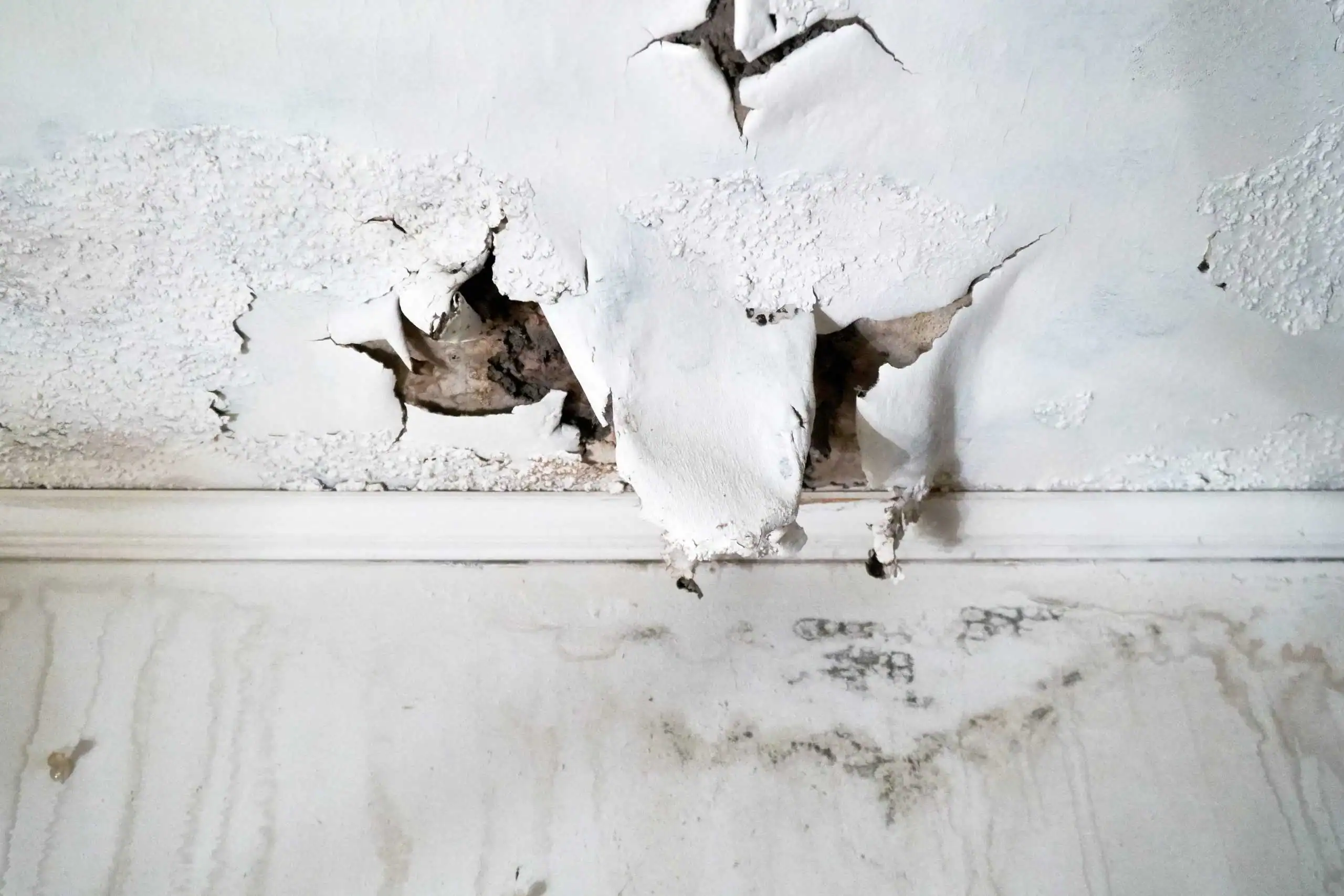
Water damage doesn’t wait, and neither does mold. Within 24 to 48 hours of a flood or burst pipe, mold can start taking hold in walls, subfloors, and insulation. In Spring Valley, where storms have dropped over four inches of rain in a single day and residents openly say flooding happens often, that window closes fast.
What you actually need after a water event is a team that extracts standing water, dries the structure completely, and checks for secondary damage — not one that patches the surface and leaves you with a moisture problem six weeks later. That’s the difference between a quick fix and a real restoration.
Spring Valley’s housing stock adds another layer to this. A significant portion of homes and apartment buildings here were built between the 1940s and 1970s. That era of construction often means aging plumbing, limited drainage capacity, and pre-ban building materials like asbestos in floor tiles, pipe insulation, and drywall compound. When a flood disturbs those materials, you’re not just dealing with water anymore. We handle both water damage restoration and asbestos abatement under one roof — so you’re not stuck coordinating two separate contractors while your property sits wet.
Water Damage Restoration Company Serving Spring Valley
12 Years In. State-Certified. No Shortcuts.
We’ve been doing environmental restoration work in the New York metro area for over 12 years. Not as a franchise. Not as a storm-chasing operation that shows up after a weather event and disappears. We’re a fully insured, NYS and NYC M/WBE Certified contractor with a documented history of working alongside the NYS Office of General Services and other state agencies.
That certification matters more in Spring Valley than most people realize. Building code enforcement here is handled by Rockland County under a NYS Executive Law order — meaning any restoration work that involves structural repairs may require permits issued through the county. A contractor that’s been vetted at the state level knows how to navigate that. One that isn’t may leave you holding the liability.
From multi-family buildings on Route 59 to older single-family homes near Hillcrest, we’ve seen what recurring flooding does to this area’s housing stock. We’re not learning on the job here.
When you call, someone answers — around the clock. The first step is getting a team to your property quickly to assess the full scope of damage. That means identifying not just where the water is visible, but where it’s already moved behind walls, under flooring, or into structural cavities. In Spring Valley’s older multi-family buildings, water from one unit can travel quickly to units below, so the initial assessment often covers more ground than people expect.
From there, extraction comes first. Industrial equipment pulls standing water out of the space before drying equipment is staged throughout the affected areas. Dehumidifiers and air movers run for as long as the structure requires — not a set number of days, but until moisture readings confirm the space is genuinely dry. That distinction matters, because cutting drying time short is one of the most common reasons mold shows up weeks after a restoration.
If the assessment turns up pre-ban materials — which is a real possibility in Spring Valley homes built before 1980 — we handle abatement directly rather than pausing the project. Once the structure is dry and cleared, repairs begin. Throughout the process, we communicate directly with your insurance carrier, so you’re not stuck playing middleman between our restoration crew and your adjuster.
Water Damage Restoration Services in Spring Valley, NY
Full-Scope Restoration Built for Spring Valley's Reality
Water damage repair in Spring Valley isn’t a one-size situation. A flooded basement in a 1960s single-family home off South Main Street looks different from a burst pipe that’s worked its way through three floors of an apartment building near Route 59. Our service covers the full range — water extraction, structural drying, mold remediation, asbestos abatement, and repair — so the scope of work matches the actual problem, not a preset package.
New York State requires a dedicated license for mold remediation, which is not a requirement in most states. That means any contractor without that license cannot legally perform mold work here. In a community with Spring Valley’s flooding history, discovering mold after a water event isn’t rare — it’s expected. Having a licensed mold remediator on the same team as your restoration crew removes a step that can otherwise cost days or weeks.
For landlords managing rental properties in Spring Valley — and there are many — the ability to move quickly matters for more than just the building. Tenant habitability, code compliance, and liability exposure are all on the clock once water damage is documented. Our direct insurance billing and 0% APR financing up to $200,000 mean that cost doesn’t have to be the reason a property sits unrepaired. The 100% satisfaction guarantee means the job isn’t considered done until you say it is.
Does water damage insurance cover flooding in Spring Valley, NY?
This is one of the most important questions to get right before you assume you’re covered. Standard homeowner’s insurance typically covers sudden and accidental water damage — a burst pipe, an appliance leak, or water that enters from a roof failure. What it usually does not cover is flooding caused by stormwater or groundwater rising from outside the home. That type of event requires a separate flood insurance policy, typically through FEMA’s National Flood Insurance Program.
Spring Valley’s flooding history is well-documented. Flash flood events have closed roads near Route 59 and left areas like Chestnut Ridge Road underwater. If your basement flooded during a storm because surface water overwhelmed the drainage system, that’s likely a flood insurance claim — not a homeowner’s policy claim. The fastest way to know what applies to your situation is to call your insurer and ask specifically whether the cause of the water entry is a covered peril under your current policy. We work directly with insurance carriers and can help document the damage in a way that supports your claim regardless of which policy applies.
How quickly does mold start growing after water damage in my home?
Mold can begin growing within 24 to 48 hours of water exposure under the right conditions — and in Spring Valley, those conditions are common. Humid summers, older housing with limited ventilation, and recurring flooding events create an environment where mold doesn’t need much of an invitation. Once it’s established inside a wall cavity or under a subfloor, it’s no longer just a moisture problem.
The practical implication is that response time matters more than most people initially think. Waiting a few days to see if things dry out on their own — especially in a basement or a space with limited airflow — significantly increases the likelihood of mold growth. A professional extraction and drying process with industrial equipment removes moisture at a rate that a fan and a dehumidifier from the hardware store simply can’t match. If mold is found during the restoration process, our team is licensed under New York State’s mold remediation requirements and can address it without stopping the project to bring in a separate contractor.
What should I do immediately after a pipe bursts or my basement floods?
The first priority is safety. If there’s standing water near electrical panels, outlets, or appliances, do not enter the space until the power has been shut off or confirmed safe by an electrician. If the water is coming from a burst pipe, locate your main shutoff valve and close it to stop the flow. In older Spring Valley homes, that shutoff is sometimes in an unexpected location — a utility closet, a crawl space, or near the water meter — so it’s worth knowing where yours is before an emergency happens.
Once it’s safe to be in the space, document everything with photos and video before anything is moved or removed. That documentation supports your insurance claim and gives our restoration team a clear picture of the initial conditions. Then call for professional water removal as quickly as possible. Every hour that water sits in contact with flooring, drywall, and structural wood increases the damage and the cost of repair. We respond 24/7, including during and after the severe storms that regularly affect Rockland County.
Do I need a permit for water damage repairs in Spring Valley, NY?
It depends on the scope of the work. Cosmetic repairs — repainting a wall, replacing flooring — generally don’t require a permit. But if the restoration involves structural repairs, replacing drywall over a large area, modifying plumbing, or addressing anything that affects the building’s systems, a permit is likely required.
Spring Valley has an unusual permitting structure worth understanding. Building code enforcement in the village is handled by Rockland County’s Office of Buildings and Codes under a NYS Executive Law order — not by the village’s own building department alone. That means permit applications and inspections for structural restoration work go through the county. If your property is within 100 feet of a regulated stream channel, the Rockland County Drainage Agency may also require a separate permit. Working with a contractor that has experience navigating state and county agency requirements — as we do through our work with the NYS Office of General Services — helps avoid delays and compliance issues that can stall a restoration project.
Can one contractor handle both water damage and asbestos in Spring Valley?
Most can’t — and that’s a real problem in Spring Valley. A large portion of the village’s housing stock was built between the 1940s and 1970s, when asbestos was commonly used in floor tiles, pipe insulation, ceiling texture, and drywall joint compound. When a flood or burst pipe disturbs those materials, the water damage becomes a hazmat situation. A contractor without asbestos abatement capabilities has to stop work, bring in a separate licensed abatement company, and wait for clearance before restoration can continue. That process can add days or weeks to a project.
We hold both water damage restoration and asbestos abatement capabilities in-house. If the initial assessment identifies suspect materials — which is a reasonable expectation in any pre-1980 Spring Valley property — our team can move directly into abatement without pausing the project or coordinating handoffs between separate contractors. For property owners dealing with an already stressful situation, not having to manage two separate companies is a meaningful difference in how the project actually goes.
Does Green Island Group offer financing for water damage repair in Spring Valley?
Yes — we offer financing up to $200,000 at 0% APR. That’s not a teaser rate or a limited-time offer. It’s a straightforward option for property owners who need to move forward with restoration but aren’t in a position to absorb a large out-of-pocket cost immediately.
In Spring Valley, where the median household income is notably lower than in surrounding Westchester and northern Rockland communities, a $5,000 to $15,000 restoration bill can create real financial pressure — especially for landlords managing multi-unit properties who also have tenant concerns and potential code compliance timelines to manage. The financing option exists because water damage doesn’t wait for a convenient financial moment, and delaying restoration to save up typically results in a larger and more expensive problem down the road. If you’re weighing whether you can afford to act now, that conversation is worth having before you decide to wait.