When the Hudson Valley Hits Hard, Your Home Needs More Than a Quick Dry
West Haverstraw’s older homes and riverfront exposure deserve a restoration team that handles the full picture — fast, thoroughly, and without the runaround. We’re here 24/7, and we handle the entire job from water extraction through insurance billing.
I needed a professional consultation explanation of procedure for safe removal of Asbestos in my apartment complex. Without having an account yet, I was very impressed with the caring, knowledgeable and generous advice offered by Jessica, and will look forward to doing business in the future. Thank you so much! I feel much more informed about a sometimes scary endeavor. Peace. Nancy Silva Mineola, NY.
Mia Munoz
Used this company to clean up some water flood in my house. They were fast and easy to work with.very professional, Would recommend to anyone!
Nini Valle
Great company, had a flood and they responded quickly and efficiently. Billed my insurance company directly. I highly recommend this company!
joe colapietro, jr
I had pipe freeze in my basement right before a snow storm and they made to within an hour to help start the clean up process. They we by our side throughout the entire process and even helped with the insurance company. They did such a great job with the cleanup, repair, remidiation, I contracted them to perform the repairs and finishes in the basement. They came with enough manpower and material to get the job done. Leo and Jessica were nothing but a pleasure to deal with!!
Cristian Arredondo c
I had some water damage in my home and Green Island was able to take care of my issue quickly and effectively. I am very pleased with the work they did. They responded quickly and were very professional.
Michael M
Outstanding service! From the office to the field crew everyone was friendly, helpful and responsive. I highly recommend Green Island Group.
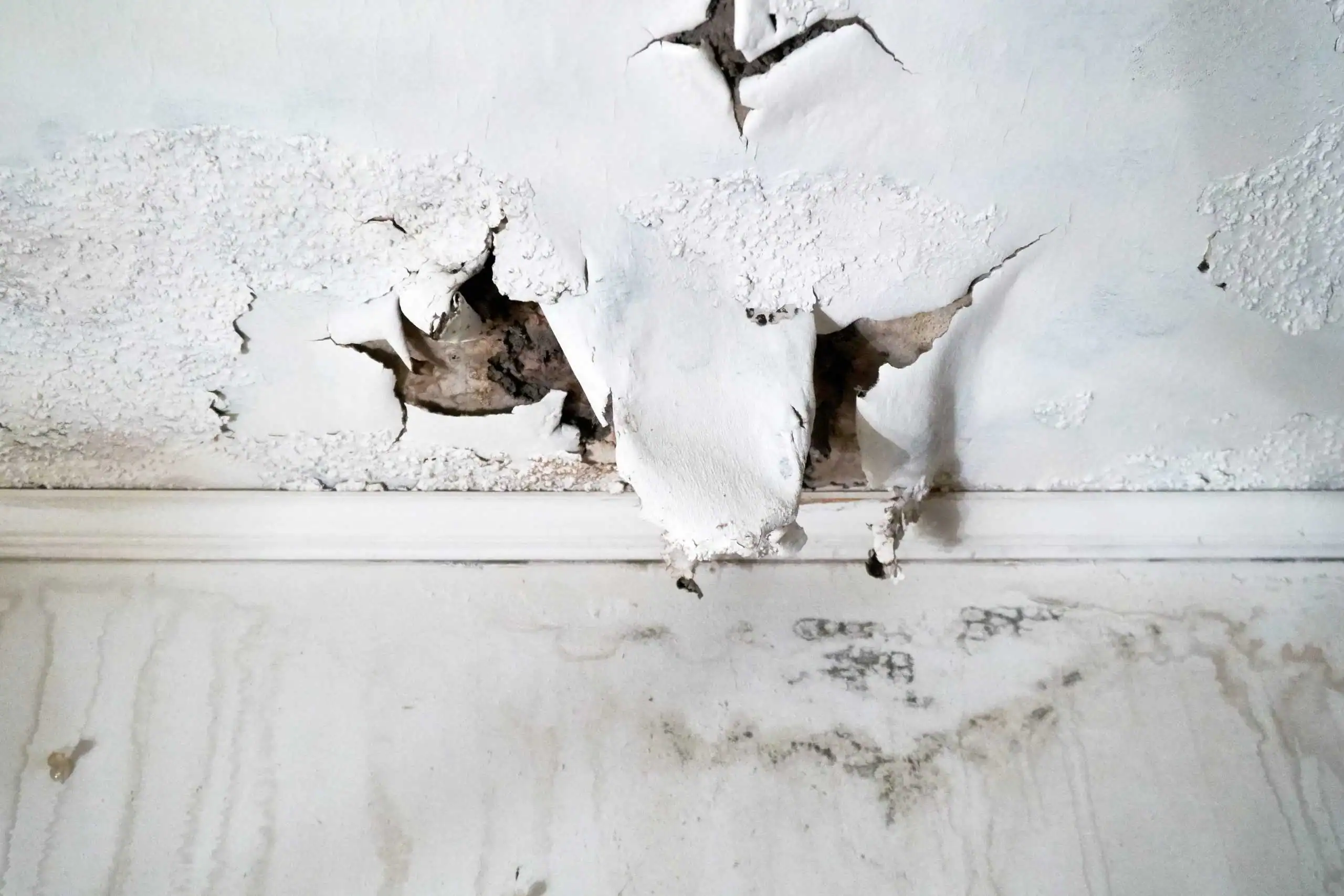
There’s a difference between a home that looks dry and a home that is dry. In West Haverstraw, where a significant portion of the housing stock dates back to the 1940s through 1960s, moisture doesn’t just sit on the surface — it wicks into plaster walls, soaks through old subfloor boards, and hides behind paneling that hasn’t been touched in decades. What you can’t see is often what causes the most damage.
Mold starts growing within 24 to 48 hours of a water event. By the time you can smell it, it’s already established. For families in West Haverstraw — and nearly a quarter of residents are under 18 — that’s not just a property issue. It’s a health issue. Getting the moisture fully out, not just off the floor, is what actually protects your home and the people in it.
The other thing that changes is the stress. Water damage is one of those situations where you’re suddenly managing an insurance company, a damaged home, and your daily life all at once. When we handle the restoration completely — extraction, drying, structural repairs, and insurance billing all under one roof — you get your home back and your headspace back at the same time.
12 Years In, Every Job Still Gets the Full Treatment
We’ve been doing environmental restoration work in the New York metro area for over 12 years. That’s not a franchise with a local license — it’s a team that has built its reputation job by job, in communities like West Haverstraw, Garnerville, and throughout Rockland County, without cutting corners to hit a volume quota.
We hold NYS and NYC M/WBE Certified Contractor status — the same credential required to work with the NYS Office of General Services. That means the State of New York has reviewed and approved our qualifications, insurance, and business practices. It’s a level of vetting that a franchise badge simply doesn’t carry.
Every technician arrives fully insured, including workers’ compensation. We handle insurance billing directly, which customers in West Haverstraw have specifically called out in reviews. And our work doesn’t stop until it’s done right — that’s our 100% satisfaction guarantee, not a tagline.
From the First Call to a Dry, Safe Home — Here's the Honest Walkthrough
It starts with a call — any hour, any day. West Haverstraw winters are hard on older pipes, and summer storm events along the Hudson Valley corridor have become more frequent and more severe. When something goes wrong at 2 a.m. in January or during a July flash flood, you’re not reaching an answering service. You’re reaching someone who dispatches a team.
Once on site, our first priority is stopping the source and assessing the full scope of the damage — not just what’s visible. In homes built before 1980, that assessment includes checking for disturbed asbestos-containing materials in pipe insulation, floor tiles, and joint compound. Most water damage companies in Rockland County aren’t licensed to handle that. We are, which means the job doesn’t get paused while you track down a second contractor.
From there, industrial extraction equipment pulls the water out, and moisture meters confirm what’s actually dry — not what just looks dry. Structural drying, dehumidification, and any necessary repairs follow in sequence. Throughout the process, we work directly with your insurance company, document everything needed for the claim, and keep you informed. In New York State, mold remediation requires a dedicated state license — we hold it, so if mold is found during the process, it gets handled without starting over with someone new.
Older Homes, Bigger Risks — Here's What We Actually Cover
Water damage restoration in a village like West Haverstraw isn’t a one-size-fits-all job. The median home here was built in 1967. More than 13% of the housing stock predates 1940. These aren’t new builds with PVC pipes and modern insulation — they’re homes with history, and with that comes a specific set of risks that a standard water extraction crew isn’t equipped to handle.
Our scope covers the full picture: emergency water extraction, structural drying and dehumidification, mold remediation, structural repairs, and certified asbestos abatement when needed. That last piece matters more here than in most places. A burst pipe in a pre-1980 home that soaks through the walls or subfloor can disturb materials that were stable until the water hit them. Stopping at water removal and leaving the rest unaddressed isn’t a complete job — it’s a liability.
For multi-family homes and small apartment buildings — which make up a significant portion of West Haverstraw’s dense, 1.5-square-mile footprint — we also handle the coordination complexity that comes with shared plumbing systems and multiple affected units. We offer financing up to $200,000 at 0% APR for jobs where insurance coverage falls short or the scope is larger than expected. No local competitor in this market offers that. It exists because a flooded home shouldn’t turn into a financial crisis on top of everything else.
Does water damage in older West Haverstraw homes create an asbestos risk?
It can, and it’s more common than most people expect. Homes built before 1980 — which describes a large portion of West Haverstraw’s housing stock, including much of Garnerville — were frequently constructed with asbestos-containing materials in pipe insulation, floor tiles, ceiling tiles, and drywall joint compound. When those materials are dry and undisturbed, they’re generally not an active hazard. But when water damage soaks through a wall or subfloor and disturbs those materials, the situation changes.
Most water damage contractors in Rockland County are not licensed for asbestos abatement. That means if they find a problem mid-job, work stops while you locate a separate abatement contractor — adding cost, delay, and coordination friction at the worst possible time. We hold certified asbestos abatement capabilities and can assess, restore, and abate in a single engagement. If you’re in a pre-1980 home in West Haverstraw and you’ve had a water event, it’s worth having someone on site who can evaluate the full picture, not just the wet floors.
How quickly does mold start growing after water damage in my home?
Mold can begin developing within 24 to 48 hours of a water event — and in the summer months, when humidity in the Hudson Valley is already elevated, that window can be even shorter. The issue isn’t just visible mold on a wall. It’s what’s growing inside wall cavities, under flooring, and behind baseboards where moisture has settled and isn’t evaporating on its own.
This is why response time matters so much. Waiting a few days to call — whether because of cost concerns, insurance uncertainty, or the hope that things will dry out on their own — significantly increases the likelihood of a mold remediation job being added to what started as a water damage job. In West Haverstraw, where many homes have older construction and less air circulation in basements and crawl spaces, that risk is real. The faster the extraction and drying happen, the better the odds of keeping the scope — and the cost — contained.
Will my homeowners insurance cover water damage repair in West Haverstraw?
It depends on the cause. Most standard homeowners insurance policies in New York cover sudden and accidental water damage — a burst pipe, an appliance failure, or a roof leak caused by a storm. What they typically don’t cover is flooding from an external source, like the Hudson River or surface runoff from the terrain around West Haverstraw during a heavy rain event. That type of damage generally requires a separate flood insurance policy through the National Flood Insurance Program.
The distinction matters in West Haverstraw specifically because the village sits between Low Tor Mountain to the west and the Hudson River to the east. Runoff from the mountain terrain during storm events and riverfront exposure during major weather systems create flood conditions that are distinct from a broken pipe inside the home. If you’re not sure what your policy covers, we work directly with insurance companies and can help you navigate the claims process — including documentation, adjuster communication, and direct billing. You don’t have to figure it out alone.
What should I do immediately after discovering water damage in my home?
The first thing is to stop the source if you can — shut off the water supply if it’s a burst pipe, or move away from the affected area if it’s storm-related flooding. Don’t run fans or try to dry things out with household equipment before a professional assesses the situation. Consumer fans can spread moisture deeper into walls and create conditions that accelerate mold growth rather than prevent it.
Document everything before anything is moved or cleaned up. Take photos and video of all affected areas — floors, walls, ceilings, personal belongings. This documentation is critical for your insurance claim and should be done before any restoration work begins. Then call a licensed restoration contractor as quickly as possible. In West Haverstraw, where many homes have older construction and shared plumbing systems in multi-family buildings, the damage can spread faster than it would in a newer single-family home. The sooner a professional is on site with moisture meters and extraction equipment, the smaller the job stays.
How long does water damage restoration typically take for a Rockland County home?
The honest answer is that it depends on the scope, but most residential water damage jobs follow a general timeline. Water extraction and initial assessment typically happen within the first day. Structural drying — using industrial dehumidifiers and air movers — usually takes three to five days, though older homes with plaster walls and dense construction materials can take longer because those materials hold moisture differently than modern drywall.
If mold remediation or asbestos abatement is required, that adds time to the process — typically several additional days depending on the extent. Structural repairs, flooring replacement, and finish work come after the home is confirmed dry by moisture meter readings, not just by appearance. For a pre-1960s home in West Haverstraw or Garnerville, it’s reasonable to plan for one to two weeks for a moderate water event, and longer for significant structural involvement. We’ll give you a realistic timeline upfront — not an optimistic estimate that shifts every few days.
Does Green Island Group offer financing for water damage repair jobs in West Haverstraw?
Yes — we offer financing up to $200,000 at 0% APR. That’s not a teaser rate or a limited-time offer. It’s available because water damage jobs can be expensive, insurance coverage isn’t always straightforward, and West Haverstraw is a working community where an unexpected $10,000 to $15,000 restoration bill hits differently than it might in a wealthier suburb.
The financing option exists to close the gap between what insurance covers and what the job actually costs — and to remove the financial hesitation that causes people to wait before calling. That wait is exactly what turns a water damage job into a mold remediation job. No other restoration contractor currently serving West Haverstraw offers financing of any kind. If cost is part of what’s keeping you from picking up the phone, that’s a conversation worth having before the damage gets worse.