When Your Amagansett Home Sits Empty, Water Doesn't Wait
Most water damage in Amagansett isn’t discovered the day it happens it’s discovered weeks later. We respond fast and restore completely, so the damage stops where it started.
I needed a professional consultation explanation of procedure for safe removal of Asbestos in my apartment complex. Without having an account yet, I was very impressed with the caring, knowledgeable and generous advice offered by Jessica, and will look forward to doing business in the future. Thank you so much! I feel much more informed about a sometimes scary endeavor. Peace. Nancy Silva Mineola, NY.
Mia Munoz
Used this company to clean up some water flood in my house. They were fast and easy to work with.very professional, Would recommend to anyone!
Nini Valle
Great company, had a flood and they responded quickly and efficiently. Billed my insurance company directly. I highly recommend this company!
joe colapietro, jr
I had pipe freeze in my basement right before a snow storm and they made to within an hour to help start the clean up process. They we by our side throughout the entire process and even helped with the insurance company. They did such a great job with the cleanup, repair, remidiation, I contracted them to perform the repairs and finishes in the basement. They came with enough manpower and material to get the job done. Leo and Jessica were nothing but a pleasure to deal with!!
Cristian Arredondo c
I had some water damage in my home and Green Island was able to take care of my issue quickly and effectively. I am very pleased with the work they did. They responded quickly and were very professional.
Michael M
Outstanding service! From the office to the field crew everyone was friendly, helpful and responsive. I highly recommend Green Island Group.
What a Full Restoration Actually Means for Your Property
When water damage gets addressed the right way, you’re not just getting dry walls you’re getting your property back in the exact condition it was before. No lingering moisture hiding inside the framing. No mold quietly developing behind the drywall. No guessing whether the job was actually finished.
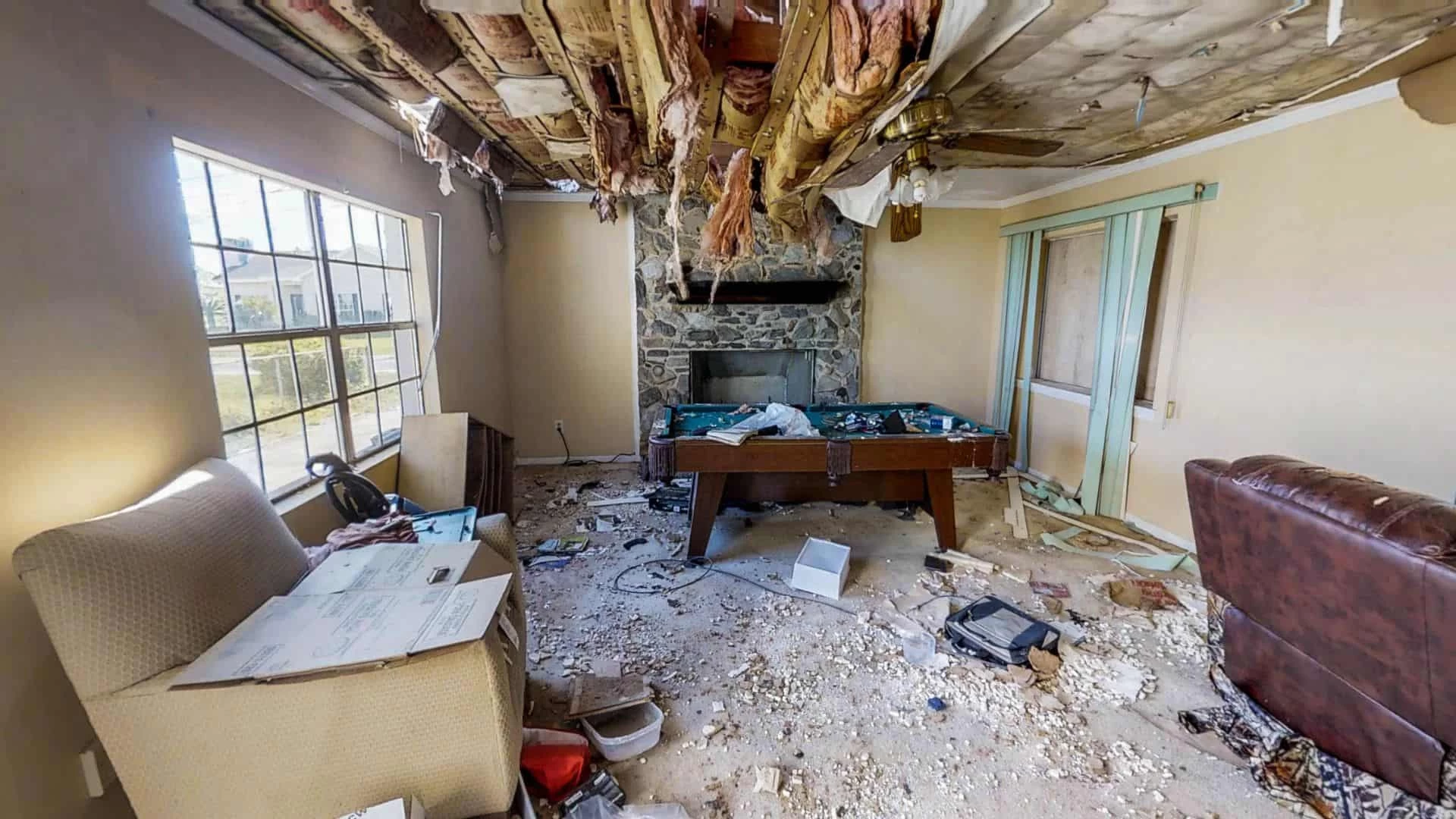
For Amagansett homeowners, that standard matters more than almost anywhere else on Long Island. A significant portion of homes here sit unoccupied from October through May, which means a pipe that bursts in January or a sump pump that fails during a February nor’easter can go untouched for weeks. By the time someone walks through the door, what could have been a contained repair has turned into a full mold remediation situation. Catching it and responding correctly not just fast, but thoroughly is what separates a manageable cost from a six-figure problem.
The other reality here is the housing stock itself. Homes along Main Street, in the Devon area near Gardiner’s Bay, and throughout the historic village core are older buildings many predating 1940 where water damage doesn’t just mean wet drywall. It often means saturated plaster, soaked original hardwood, and the potential for lead paint or asbestos exposure the moment any demolition begins. A proper restoration accounts for all of that, not just the surface damage you can see.
Local Expertise Built for Amagansett's Older Homes and Coastal Challenges
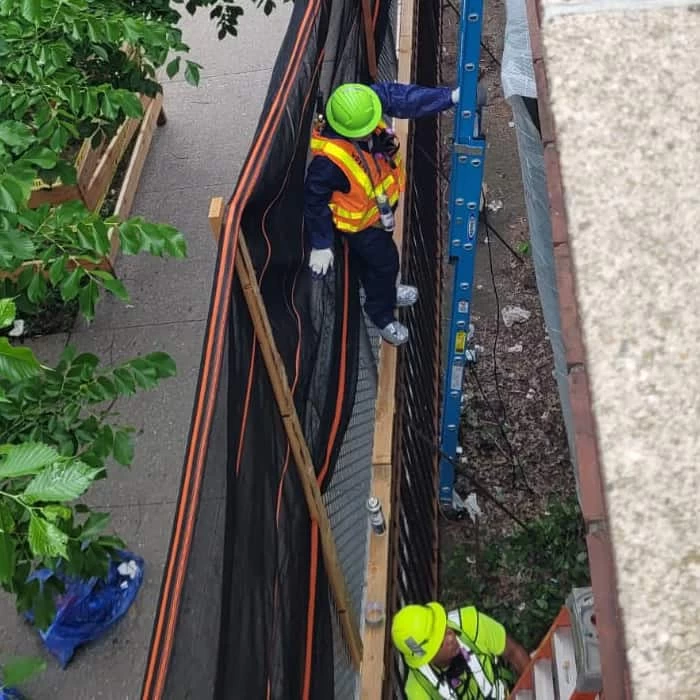
We’re a Long Island-based environmental and property restoration company not a franchise, not a call center, and not a crew that gets subcontracted out from somewhere else. When you call, you’re reaching real local professionals with the licenses to handle water damage, mold remediation, asbestos abatement, and lead paint testing under one roof.
That matters in Amagansett specifically. The East End has its own set of complications East Hampton Town permit requirements, FEMA flood zone designations that cover much of the oceanfront and bay-front areas, and a housing stock where environmental concerns are genuinely common. A water-only restoration company that tears into a pre-1978 home without testing for lead or asbestos isn’t just cutting corners they’re creating a liability. We’re licensed for the full scope of what a water damage event can uncover.
Whether your property is on Further Lane, near the Napeague stretch, or in a historic cottage off Main Street in Amagansett, the team that shows up knows this area and knows what these homes require.
The first step is assessment, and it goes deeper than a visual walkthrough. Using thermal imaging cameras and calibrated moisture meters, we map exactly where water has traveled inside walls, under floors, into structural framing. In Amagansett’s older homes, water migrates in ways that aren’t obvious. Plaster over lath, tongue-and-groove subfloors, brick foundations these materials hold moisture differently than modern construction, and missing hidden saturation is how small jobs become major ones.
Once the full picture is clear, extraction and structural drying begin. Equipment is placed strategically based on the moisture map not just wherever it fits. Industrial air movers, dehumidifiers, and drying systems run until readings confirm the structure has reached safe moisture levels. If mold is already present which is common in delayed-discovery situations, and genuinely common in Amagansett’s seasonal properties we address that in the same engagement rather than handing it off to a separate contractor weeks later.
If your property falls within one of East Hampton Town’s designated flood hazard areas, or if demolition work triggers lead or asbestos protocols under New York State regulations, we handle that properly and document everything. Insurance coordination runs alongside the entire process adjusters, documentation, direct billing so you’re not managing that separately while also managing the restoration.
Built for Coastal Properties, Not Cookie-Cutter Repairs
Water damage restoration in Amagansett isn’t a one-size job. Our service covers emergency water extraction, complete structural drying, moisture documentation, mold testing and remediation where needed, and full structural restoration back to pre-loss condition. If your home requires asbestos or lead testing before demolition work proceeds which New York State law requires in many pre-1978 properties we handle that in-house, not farmed out.
The coastal geography here creates specific challenges that inland Long Island towns simply don’t face. Napeague, the low-lying stretch east of the village toward Montauk, is particularly vulnerable to storm surge. Devon on Gardiner’s Bay and the oceanfront zones south of the village sit in FEMA-designated flood areas where nor’easters can push water in from both the Atlantic and the bay simultaneously. Napeague Meadow Road has flooded heavily during multiple documented storm events in recent years, and that same water intrusion pattern affects crawl spaces, foundations, and lower-level living areas across the area. Our restoration approach accounts for groundwater intrusion and hydrostatic pressure, not just surface flooding.
For absentee owners and property managers, we also provide remote communication and detailed documentation throughout photos, moisture readings, scope reports so you have a clear record for your insurance carrier. Many Amagansett properties are insured through specialty high-value carriers that require thorough documentation, and that’s built into our process from day one.
How quickly does mold develop after water damage in an unoccupied Amagansett home?
Mold can begin colonizing within 24 to 48 hours of water exposure under the right conditions and in an unoccupied Amagansett home, those conditions are almost always present. Seasonal properties that sit closed through winter tend to have limited airflow, consistent indoor humidity, and no one checking on them. That combination accelerates mold growth significantly compared to an occupied home where someone would notice a problem quickly.
In practical terms, if a pipe burst in January and the property wasn’t checked until April, mold is almost certainly already present often inside wall cavities, under flooring, or in areas that look completely normal on the surface. This is why professional moisture mapping matters so much. Visual inspection alone misses the places where mold has the most room to spread. A thorough assessment with thermal imaging and moisture meters tells you what’s actually happening inside the structure, not just what’s visible from the surface.
Does homeowners insurance typically cover water damage restoration in Amagansett, NY?
Standard homeowners insurance generally covers sudden and accidental water damage a burst pipe, an appliance failure, a roof leak from a storm. What it typically does not cover is flooding from an external source, like storm surge or rising groundwater. For Amagansett properties in FEMA-designated flood zones which includes much of the oceanfront south of the village and bay-front areas near Devon flood damage requires a separate flood insurance policy, usually through the National Flood Insurance Program or a private carrier.
The claims process also looks different for high-value Hamptons properties. Many homes in Amagansett are insured through specialty carriers like Chubb or PURE Insurance, which have specific documentation requirements and their own adjuster processes. Working with a restoration company that understands those requirements and provides the detailed scope reports, moisture readings, and photo documentation those carriers expect makes a real difference in how smoothly a claim moves. We handle insurance coordination directly, including communication with adjusters throughout the project.
What happens if asbestos or lead paint is found during water damage repairs in my older Amagansett home?
In Amagansett, this is a genuinely common scenario not a rare edge case. Roughly a quarter of homes here were built before 1940, and many more date to the 1950s through 1970s. Homes built before 1978 are presumed to contain lead-based paint under EPA regulations, and asbestos was commonly used in pipe insulation, floor tiles, ceiling tiles, and joint compound in homes built before approximately 1980.
Under New York State law, any mold remediation project over 10 square feet requires a licensed NYS Mold Assessor to write a formal remediation plan before work begins. Separately, any renovation or demolition that disturbs painted surfaces in a pre-1978 home requires EPA RRP-certified work practices. And asbestos abatement requires specific NYS Department of Labor licensing. If a water-only restoration company tears into your walls without addressing these requirements, they’re not just cutting corners they’re potentially creating a hazardous situation and a legal problem. We hold all required licenses and handle testing and abatement in-house, so nothing gets skipped.
How do I handle water damage in my Amagansett home when I'm not there in person?
This is one of the most common situations for Amagansett property owners, and it’s something we’re set up to handle directly. If your property manager or a neighbor discovers the damage and you’re in the city, you don’t need to be on-site for every step. The process starts with a thorough documented assessment photos, moisture readings, thermal imaging results sent to you so you understand exactly what was found and what needs to happen.
From there, we work with your property manager or directly with your insurance carrier while keeping you updated throughout. Scope reports, drying logs, and progress documentation are maintained throughout the project so you have a complete record. For estate managers overseeing multiple East End properties, this kind of independent, well-documented operation is what makes a vendor relationship actually work long-term. You shouldn’t have to fly out to Amagansett to supervise a restoration and with us, you won’t have to.
What's the difference between water mitigation and full water damage restoration?
Mitigation is the emergency phase stopping the damage from getting worse. That means water extraction, removing saturated materials, and getting drying equipment running. It’s essential, but it’s not the finish line. Restoration is what happens after: repairing or replacing structural materials, rebuilding walls and floors, restoring the property to its pre-loss condition. Some companies only do one or the other, which means you end up coordinating between multiple contractors at the worst possible time.
In Amagansett, where homes often feature custom millwork, wide-plank hardwood, hand-plastered walls, and premium finishes, the restoration phase is as important as the mitigation phase. Getting the property dried out correctly is step one. Getting it back to the exact standard it was before not just functional, but right is the whole job. We handle both under one engagement, which means no handoff gaps, no scheduling delays between phases, and one point of contact from the first call through the final walkthrough.
How does storm surge from nor'easters affect water damage risk in Amagansett specifically?
Amagansett sits on a narrow strip of land with the Atlantic Ocean to the south and Gardiner’s Bay to the north. During a significant nor’easter or hurricane, that geography creates a situation where water can push in from both sides simultaneously not just the ocean-facing properties, but bay-front areas like Devon as well. Napeague, the low-lying stretch east of the village toward Montauk, is particularly vulnerable; Napeague Meadow Road has flooded heavily during multiple documented storm events in recent years.
The practical impact is that storm-related water damage here often involves groundwater intrusion and hydrostatic pressure against foundations, not just surface flooding or roof leaks. That type of water entry behaves differently and requires a different approach proper drainage assessment, foundation-level drying, and documentation that accounts for the source of intrusion for insurance purposes. Properties in FEMA Zone AE or Zone VE designations, which cover much of Amagansett’s coastal areas, also have specific restoration and reconstruction requirements under East Hampton Town’s flood damage prevention code. Knowing those requirements before the work starts keeps the project compliant and the insurance claim clean.