When the Sound and the Bay Both Win, You Need Someone Fast
Asharoken sits between two bodies of water with one road in and one road out. When water gets into your home here, the clock moves faster than anywhere else on Long Island and so do we.
I needed a professional consultation explanation of procedure for safe removal of Asbestos in my apartment complex. Without having an account yet, I was very impressed with the caring, knowledgeable and generous advice offered by Jessica, and will look forward to doing business in the future. Thank you so much! I feel much more informed about a sometimes scary endeavor. Peace. Nancy Silva Mineola, NY.
Mia Munoz
Used this company to clean up some water flood in my house. They were fast and easy to work with.very professional, Would recommend to anyone!
Nini Valle
Great company, had a flood and they responded quickly and efficiently. Billed my insurance company directly. I highly recommend this company!
joe colapietro, jr
I had pipe freeze in my basement right before a snow storm and they made to within an hour to help start the clean up process. They we by our side throughout the entire process and even helped with the insurance company. They did such a great job with the cleanup, repair, remidiation, I contracted them to perform the repairs and finishes in the basement. They came with enough manpower and material to get the job done. Leo and Jessica were nothing but a pleasure to deal with!!
Cristian Arredondo c
I had some water damage in my home and Green Island was able to take care of my issue quickly and effectively. I am very pleased with the work they did. They responded quickly and were very professional.
Michael M
Outstanding service! From the office to the field crew everyone was friendly, helpful and responsive. I highly recommend Green Island Group.
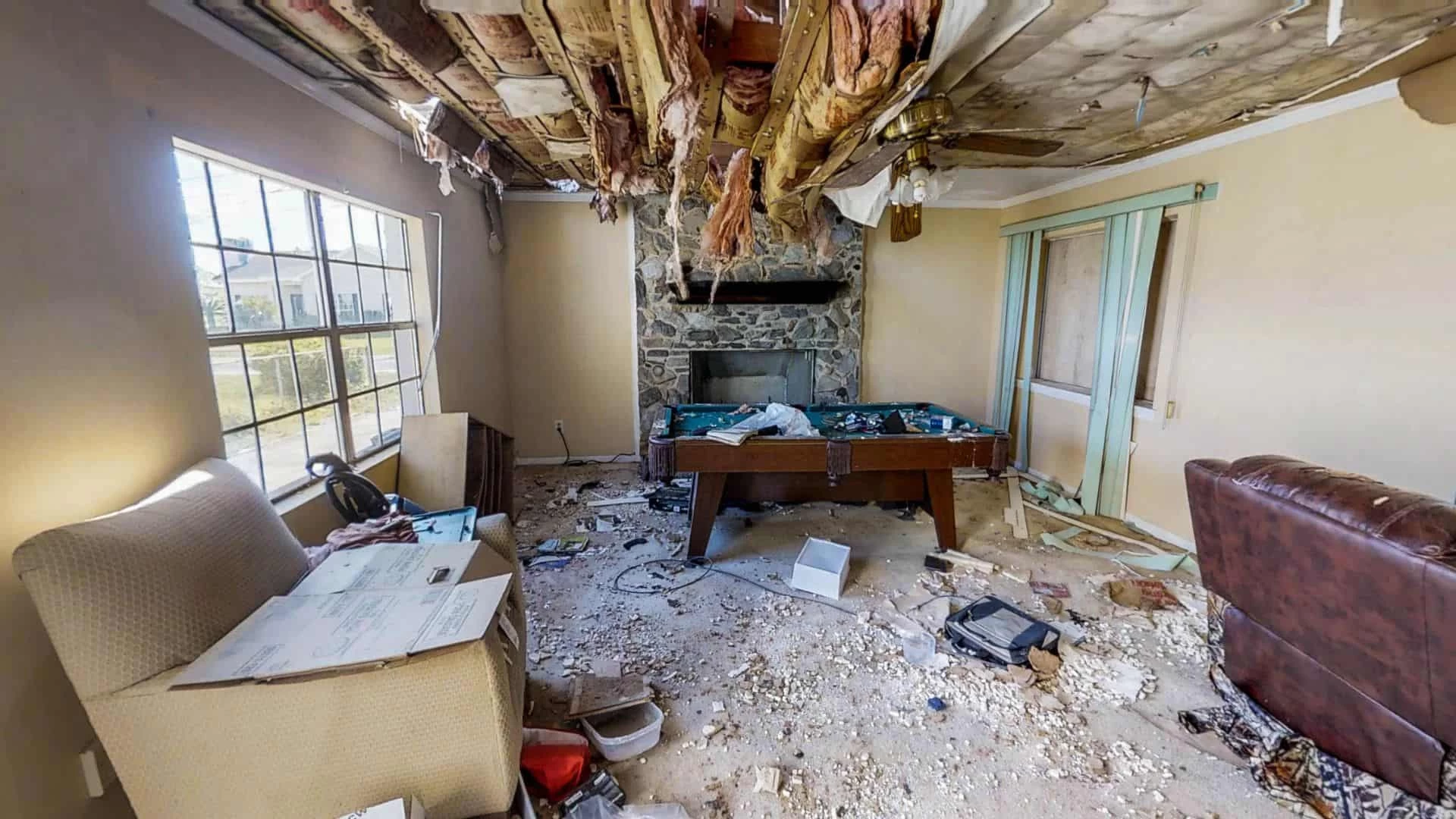
Standing water is the part you can see. What follows it moisture trapped inside wall cavities, under subfloors, behind built-in cabinetry is the part that causes real damage weeks later. In a coastal environment like Asharoken, where salt air and ambient humidity from both Long Island Sound and Northport Bay are already working against your home year-round, that hidden moisture doesn’t need much time to become a mold problem.
Most homes on the Asharoken isthmus were built decades ago, before modern waterproofing standards existed. That means water doesn’t just sit it travels. It finds the path of least resistance through older foundation materials, into insulation, and along structural framing. By the time you smell something off, the damage has already compounded.
What you actually get from proper water damage restoration isn’t just a dry floor. It’s a home that’s been assessed fully, dried completely, and documented thoroughly so your insurance claim holds up, your air quality is safe, and you’re not dealing with the same problem six months from now. That’s the difference between a crew that shows up with a shop vac and a team that understands what coastal water intrusion actually does to a home like yours.
We Know What Asharoken Homes Look Like Inside the Walls
We’re a Long Island restoration company not a franchise, not a national brand with a local area code. We operate across Long Island, Queens, and New York City, and we know the North Shore. We know what older homes in the Northport-East Northport school district corridor look like inside the walls. We know that Asharoken Avenue is the only road into the village, and we know what that means when a nor’easter is moving through.
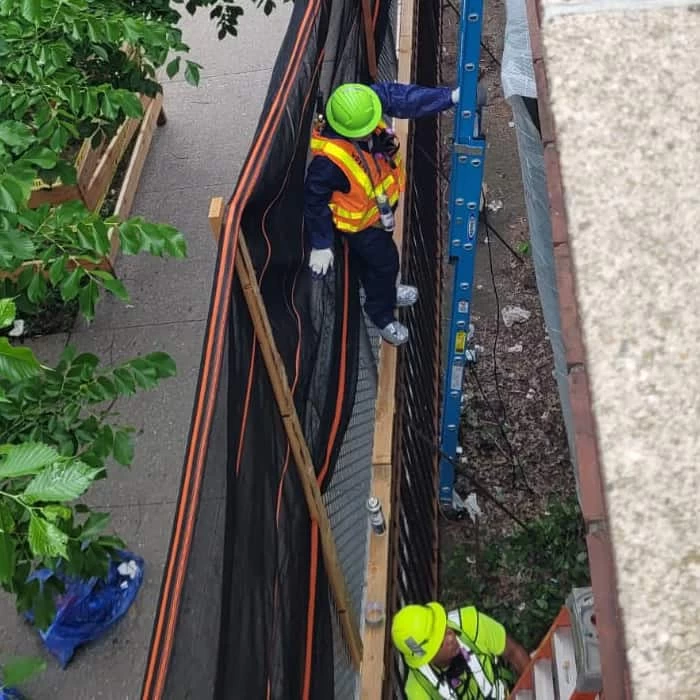
We handle water damage, mold remediation, asbestos abatement, lead paint compliance, and air quality testing all in-house. That matters in Asharoken because opening a water-damaged wall in a pre-1980 home doesn’t always end with drywall. Sometimes it uncovers materials that require licensed abatement before any restoration can continue. We don’t stop work and call a subcontractor. We keep moving.
What we’ve built is a reputation based on how we treat people during one of the more stressful situations a homeowner can face. That reputation travels fast in a village of 600.
What Actually Happens From First Call to Finished Home
When you call, someone answers around the clock, every day. We ask a few quick questions to understand what you’re dealing with: how the water got in, how long it’s been there, and whether there are any safety concerns that need to be addressed before we arrive. In a storm event, we factor in road conditions on Asharoken Avenue and mobilize based on when access is safely available not when a dispatch queue clears.
Once on-site, the first thing we do is assess the full scope of the damage using thermal imaging cameras and professional moisture meters. Water moves. What looks contained rarely is. We map where it’s gone inside walls, under flooring, into structural members before we start extraction. That assessment also becomes part of your insurance documentation, which matters when you’re filing a claim that may involve both a standard homeowner’s policy and a separate NFIP flood policy.
After extraction, we set up commercial-grade drying equipment: industrial dehumidifiers, air movers, and in coastal environments, equipment calibrated for elevated ambient humidity. We monitor moisture levels daily until readings confirm the structure is dry to IICRC standards. If anything uncovered during the process requires mold remediation, asbestos abatement, or other environmental work, we handle it directly no handoffs, no delays, no waiting on a second contractor to schedule.
Water Mitigation and Restoration Services, Asharoken, NY
Coastal Flooding Requires More Than Standard Water Removal
Storm surge, wave overtopping, and bulkhead failures produce what the restoration industry classifies as Category 3 water the most contaminated category, which includes salt water, sewage backup, and groundwater intrusion. It requires different protocols than a burst pipe or appliance overflow. Salt residue left behind after the water recedes continues to accelerate corrosion and mold colonization even in a space that looks and feels dry. In Asharoken, where the Army Corps of Engineers has formally identified wave attack, storm surge from both the Sound and the Bay, and long-term erosion as primary damage mechanisms, Category 3 events are not rare they’re part of the community’s documented history.
Our service here covers the full scope: emergency water extraction, structural drying, moisture mapping, mold prevention treatment, material removal where necessary, and complete reconstruction to return your home to its pre-loss condition. For homes built before 1980 common throughout the Northport area we also conduct asbestos screening and lead paint assessment as part of any project that involves opening walls or removing flooring. This is required under New York State Department of Labor regulations and EPA RRP rules, and it protects you from liability as well as health risk.
We work directly with your insurance adjuster, handle all damage documentation, and bill insurers directly where applicable. If you carry both homeowner’s and NFIP flood coverage, we understand how to navigate both claims simultaneously so you’re not left managing two separate processes on your own.
Does homeowner's insurance cover storm surge flooding damage in Asharoken, NY?
Standard homeowner’s insurance policies typically do not cover flooding caused by storm surge or rising water from an external source. That type of damage falls under flood insurance, which in most cases is a separate policy issued through the National Flood Insurance Program. If you live on or near the water in Asharoken and nearly every property here qualifies there’s a reasonable chance you carry both types of coverage, or should.
What gets complicated is when a single storm event causes both wind-driven rain damage and storm surge flooding. Those two types of damage can fall under two different policies, and the documentation requirements for each are different. That’s where having a restoration company that understands insurance claim navigation makes a real difference. We help you identify what falls under which policy, document each category of damage separately, and communicate directly with both adjusters so the process doesn’t stall while your home sits wet.
How quickly does mold start growing after water damage in a coastal home?
The industry standard is 24 to 48 hours from the time water makes contact with organic materials drywall, wood framing, insulation, subfloor. That’s the window before mold colonization becomes likely. In a coastal environment like Asharoken, where ambient humidity from Long Island Sound and Northport Bay is already elevated year-round, that window can be shorter. Salt air doesn’t help either it creates surface conditions that mold spores find hospitable even in spaces that feel dry to the touch.
The risk goes up significantly in summer, when temperatures and humidity are both high, and in the immediate aftermath of storm events when windows and doors may have been open or compromised. The practical implication is that time genuinely matters here more than it does in an inland community. Waiting a day or two to see if things dry out on their own is how a manageable water damage situation becomes a full mold remediation project. If water has been in your home for more than a few hours, getting professional drying equipment running is the right move.
What's the difference between water damage restoration and just drying things out yourself?
Consumer fans and dehumidifiers move air and reduce surface moisture. They don’t reach inside wall cavities, under subfloors, or into the structural framing where water actually migrates after an intrusion event. What looks dry on the surface can have moisture readings well above acceptable levels two inches behind the drywall. That hidden moisture is what produces mold, structural rot, and air quality problems over the following weeks.
We use thermal imaging cameras and calibrated moisture meters to locate water that’s moved beyond the visible damage zone. Commercial drying equipment operates at a different scale industrial dehumidifiers can remove many times the moisture capacity of a home unit, and we position them based on airflow modeling, not guesswork. The process is also documented throughout, which matters for insurance purposes. An adjuster needs evidence of the damage scope and the drying process to approve a claim. A stack of photos from your phone and a receipt from a hardware store rental doesn’t meet that standard.
Do I need asbestos testing before water damage repairs in an older Asharoken home?
If your home was built before 1980, the answer is almost certainly yes at least for any work that involves disturbing materials that may contain asbestos. That includes drywall, floor tiles, pipe insulation, ceiling texture, and certain types of joint compound. New York State Department of Labor regulations require licensed asbestos abatement for any renovation or demolition work that disturbs these materials above threshold amounts, and water damage restoration that requires opening walls or removing flooring qualifies.
The reason this matters specifically in Asharoken is that a significant portion of the housing stock here dates to the mid-twentieth century, when asbestos-containing materials were standard in residential construction. A water damage event that requires wall or floor removal in a home from that era isn’t just a moisture problem it’s potentially an environmental compliance issue. We handle asbestos testing and licensed abatement in-house, which means we don’t have to stop work and wait on a separate contractor. That keeps your project moving and keeps your home safe throughout the process.
How long does water damage restoration typically take for a home in Asharoken?
The drying phase alone typically takes three to five days for a straightforward water intrusion event a burst pipe, an appliance failure, a roof leak. That timeline assumes professional equipment is deployed quickly and moisture levels are monitored daily. For a coastal flooding event involving Category 3 water, like storm surge from Long Island Sound or Northport Bay overtopping, the timeline extends. Salt water requires more thorough material assessment, additional cleaning protocols, and in many cases, removal of materials that can’t be adequately dried and decontaminated.
If mold remediation, asbestos abatement, or structural repairs are needed all of which are more common in Asharoken’s older housing stock the overall project timeline can run two to four weeks depending on scope. The honest answer is that it depends on what we find when we get there. What we can tell you is that every day of delay before professional drying equipment is running adds to the total scope of work. The faster the response, the shorter the overall timeline and the lower the total cost.
Can salt water damage from a storm surge actually be restored, or is replacement the only option?
Salt water damage is more aggressive than fresh water damage, but restoration is absolutely possible in most cases the key variable is how quickly the response happens and how thoroughly the remediation is done. Salt residue left behind after water recedes is hygroscopic, meaning it continues to draw moisture from the air even after the space appears dry. That residue also accelerates corrosion in metal fasteners, electrical components, and HVAC systems, and it creates surface conditions that support mold growth. If it’s not fully addressed, the damage continues long after the water is gone.
For Asharoken homeowners who’ve experienced storm surge events the kind documented during Hurricane Sandy in 2012, when surge overtopped the dune berm along Asharoken Beach the good news is that professional Category 3 remediation protocols are specifically designed for this scenario. That means thorough extraction, antimicrobial treatment, salt residue neutralization, and complete structural drying before any reconstruction begins. Materials that can be saved are saved. Materials that can’t saturated insulation, compromised drywall, swollen subfloor panels are removed and replaced. The goal is a home that’s genuinely restored, not just one that looks fine until the next rain.