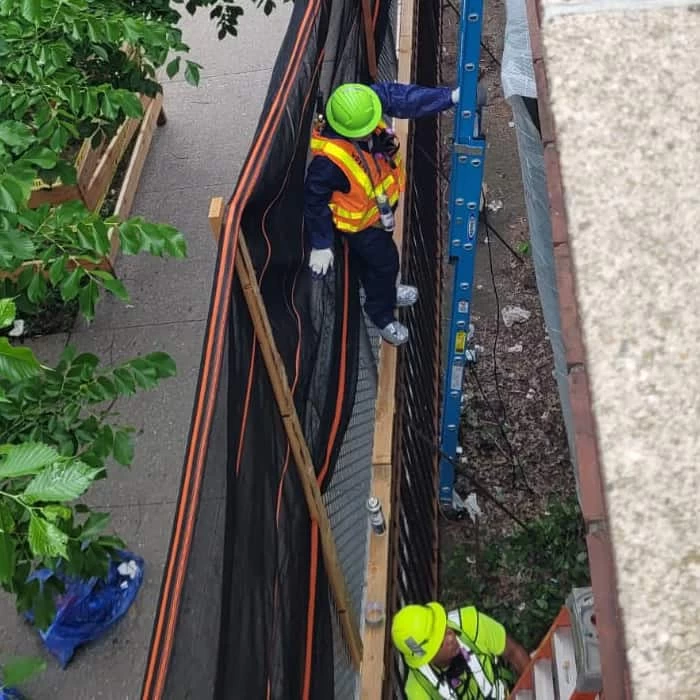
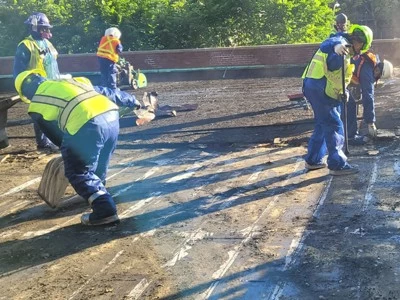
When a pipe bursts or a basement floods in Astoria, every hour counts we respond 24/7 with the crew and equipment to stop the damage before it spreads.
I needed a professional consultation explanation of procedure for safe removal of Asbestos in my apartment complex. Without having an account yet, I was very impressed with the caring, knowledgeable and generous advice offered by Jessica, and will look forward to doing business in the future. Thank you so much! I feel much more informed about a sometimes scary endeavor. Peace. Nancy Silva Mineola, NY.
Mia Munoz
Used this company to clean up some water flood in my house. They were fast and easy to work with.very professional, Would recommend to anyone!
Nini Valle
Great company, had a flood and they responded quickly and efficiently. Billed my insurance company directly. I highly recommend this company!
joe colapietro, jr
I had pipe freeze in my basement right before a snow storm and they made to within an hour to help start the clean up process. They we by our side throughout the entire process and even helped with the insurance company. They did such a great job with the cleanup, repair, remidiation, I contracted them to perform the repairs and finishes in the basement. They came with enough manpower and material to get the job done. Leo and Jessica were nothing but a pleasure to deal with!!
Cristian Arredondo c
I had some water damage in my home and Green Island was able to take care of my issue quickly and effectively. I am very pleased with the work they did. They responded quickly and were very professional.
Michael M
Outstanding service! From the office to the field crew everyone was friendly, helpful and responsive. I highly recommend Green Island Group.
What Getting Your Property Back Actually Looks Like
Water damage in Astoria rarely stays contained. In a four- or six-story pre-war walkup, a burst pipe on the third floor can soak through three floors and affect half a dozen apartments before the first call is made. What you need isn’t just someone to extract the water you need a team that understands how these buildings behave and can move fast enough to keep the damage from compounding.
Astoria’s housing stock is old. Most of it was built before World War II, which means cast iron pipes, original plumbing systems, and basement spaces that were never designed to handle modern flooding events. When those systems fail and they do, especially during the temperature swings between a Queens winter and a humid July the damage goes deep into walls, subfloors, and structural materials that look fine on the surface but are holding moisture underneath.
When the job is done right, you get your property back not just dried out, but actually restored. Drywall replaced, flooring repaired, mold prevented before it starts, and documentation your insurance carrier can work with. That’s the difference between a company that sets up fans and leaves and one that sees the job through from water extraction to the final walkthrough.
Queens Restoration Work Handled Without the Runaround
We’ve been doing this work in Queens long enough to know that Astoria jobs come with their own set of challenges. The buildings are older, the plumbing systems are more unpredictable, and the density of the neighborhood means one event can quickly become a multi-unit situation. We’ve worked in pre-war walkups off Ditmars Boulevard, handled basement flooding in Old Astoria after sewer backups, and responded to water main breaks that left multiple homes on the same block dealing with three feet of water overnight.
We’re IICRC-certified, fully licensed for mold remediation under New York State’s Article 32 Mold Law, and we work directly with insurance carriers so you’re not stuck playing middleman between your adjuster and us. You call, we come, and we handle it from start to finish.
From the First Call to the Final Walkthrough No Gaps
When you call, someone picks up not a voicemail, not an answering service. We get the basic details, dispatch a crew, and get moving. In a neighborhood like Astoria, where buildings are dense and damage spreads fast, that first response window matters more than most people realize.
Once we’re on-site, we assess the full scope of the damage not just what’s visible. Moisture meters and thermal imaging tell us what’s happening inside walls, under flooring, and in structural cavities that look dry from the outside. This step is critical in Astoria’s older buildings, where water follows unpredictable paths through original plumbing chases and century-old framing. We document everything thoroughly at this stage, which becomes the foundation of your insurance claim.
From there, we move into extraction and structural drying using industrial-grade equipment not consumer fans. In Astoria’s humid summers, mold can start developing in a water-damaged space within 24 to 48 hours, so getting moisture levels down quickly isn’t optional. Once the structure is dry and verified, we move into restoration: replacing damaged drywall, repairing flooring, and returning the space to the condition it was in before any of this happened. Any structural or plumbing repairs that require NYC Department of Buildings permits are handled in compliance with city code we don’t cut corners on the paperwork.
A lot of companies in this market will extract the water, set up some drying equipment, and hand you a bill. What you’re left with is a space that’s technically dry but still gutted and a list of other contractors to call for the actual repairs. We handle the full scope: emergency water extraction, structural drying, mold prevention, demolition of unsalvageable materials, and complete restoration including drywall, flooring, and painting. One company, one call, one job that actually gets finished.
For Astoria specifically, that means being equipped to handle what this neighborhood actually throws at us. Sewer backup events which happen here when the city’s combined sewer system gets overwhelmed during heavy rain, the way it did across Astoria and Long Island City after Hurricane Ida in September 2021 involve Category 3 contaminated water. That’s not a mop-and-fan situation. It requires proper protective protocols, EPA-compliant disinfection, and disposal procedures that protect both the occupants and the structure long-term.
We also handle multi-unit jobs. If you’re a property manager or landlord dealing with a water event that’s affected multiple apartments across multiple floors, we have the crew size and project management capacity to coordinate across units, work with individual tenants, and manage communication with multiple insurance policies at once. Astoria’s rental density makes this more common than most people expect, and it’s not a job for a one-truck operation.
Does homeowner's insurance cover basement flooding from a sewer backup in Astoria?
This is one of the most common questions we get, and the honest answer is: it depends on your specific policy. Standard homeowner’s insurance policies typically do not cover flooding caused by sewer backup or surface water intrusion those events usually require a separate sewer backup rider or flood insurance policy. However, if the water damage was caused by a sudden and accidental internal event like a burst pipe or a washing machine overflow that’s generally covered under a standard policy.
In Astoria, this distinction matters a lot. The neighborhood’s combined sewer system gets overwhelmed during heavy rainfall events, and when it backs up into basements, that’s typically classified as sewer backup not a covered peril under a base policy. After Hurricane Ida, many Astoria residents discovered this the hard way. If you’re not sure what your policy covers, we can help you review the documentation and communicate directly with your adjuster to make sure you’re getting everything you’re entitled to. We document damage thoroughly from the moment we arrive, which gives your claim the best possible foundation.
How quickly can water damage lead to mold growth in an Astoria apartment?
Faster than most people expect especially in summer. Mold needs three things to grow: moisture, a food source (like drywall or wood framing), and warmth. Astoria’s humid subtropical climate means that from roughly June through September, all three conditions are present the moment water intrudes into a space. Under those conditions, mold can begin developing within 24 to 48 hours of a water event.
In Astoria’s older pre-war buildings, this timeline is even more concerning because the materials are often original older wood framing, plaster, and organic insulation that mold colonizes quickly once wet. The key is getting moisture levels down fast, which is why industrial drying equipment matters so much more than consumer fans. We use commercial-grade dehumidifiers and air movers that reduce structural moisture to safe thresholds before mold has a chance to establish. If you’ve already noticed a musty smell or visible growth, we handle mold remediation as well fully licensed under New York State’s Article 32 Mold Law, which requires licensed contractors for any remediation work in the state.
What should I do in the first hour after discovering water damage in my home?
The first thing to do is stop the source if you safely can. If it’s a burst pipe, find the shutoff valve and turn off the water supply to that line or to the whole building if needed. If it’s a sewer backup or flooding from outside, don’t try to manage it yourself contaminated water is a health hazard, and the priority is getting out of the affected area and calling for professional help.
Once the source is controlled or you’ve determined you can’t stop it yourself, call a restoration company immediately. Do not wait to see if it dries on its own in Astoria’s older buildings, water travels through wall cavities, under flooring, and into structural materials faster than it appears on the surface. While you wait for the crew to arrive, document everything you can with photos and video. Don’t throw anything away yet even damaged items may be relevant to your insurance claim. If you’re in a multi-unit building, notify your building management right away, because the damage may already be affecting other units below or adjacent to yours.
How does water damage restoration work in Astoria's older pre-war apartment buildings?
It requires a different approach than newer construction, and experience matters here. Pre-war buildings in Astoria were built with materials and methods that are now 70 to 100 years old cast iron plumbing, plaster walls over wood lath, original hardwood flooring, and framing that doesn’t always follow modern building conventions. Water in these structures behaves unpredictably. It follows old pipe chases, seeps through gaps in original masonry, and can sit inside wall cavities for days without showing obvious surface signs.
The assessment phase is especially important in these buildings. We use moisture meters and thermal imaging to map exactly where water has traveled not just where it’s visible. This prevents the common mistake of drying a space that looks dry on the surface while moisture continues to damage structural materials behind the walls. Any structural repairs that follow need to comply with NYC Department of Buildings requirements, and in some cases permits are required particularly for plumbing work or anything that involves opening and rebuilding structural elements. We handle that process as part of the job, so you’re not navigating city permitting on your own while also managing a damaged apartment.
Can we handle water damage that has affected multiple units in an Astoria building?
Yes, and this is actually one of the more common scenarios we deal with in Astoria. The neighborhood’s density and its pre-war building stock mean that a single water event a burst pipe, an overflowing appliance, a roof leak can cascade through multiple floors and affect several units before anyone even realizes what’s happening. Managing that kind of job requires more than a single crew with a pump. It requires coordination across units, communication with individual tenants, and the ability to work within a building that’s still occupied while restoration is underway.
We have the crew size and the project management process to handle multi-unit jobs without turning the building into a construction zone that displaces everyone at once. We sequence the work to minimize disruption, communicate clearly with building management and individual tenants, and maintain separate documentation for each affected unit which matters when multiple insurance policies are involved. If you’re a property manager or landlord in Astoria dealing with a building-wide water event, this is exactly the kind of job we’re set up to handle.
How does Green Island Group handle the insurance claim process for Astoria residents?
We work directly with your insurance carrier from the beginning not as a favor, but because it’s part of how we do the job. From the moment we arrive on-site, we’re documenting damage with photos, moisture readings, and written assessments in a format that insurance adjusters can actually work with. That documentation becomes the basis of your claim, and having it done right from the start prevents the back-and-forth that delays settlements and leaves homeowners frustrated.
For Astoria residents specifically, this matters because many of the water damage events here sewer backups, water main breaks, storm flooding fall into coverage categories that require clear documentation to support a claim. After the water main break on 23rd Street that flooded roughly 30 homes, or in the aftermath of Hurricane Ida when more than 200 damage complaints were filed across Astoria and Long Island City, the residents who had thorough documentation from a professional restoration company were in a significantly better position with their adjusters than those who didn’t. We communicate with your adjuster directly, answer their questions, and make sure nothing gets missed in the claim so you’re not left negotiating a settlement on your own while also trying to get your home back in order.