When a North Fork Winter Leaves More Than You Bargained For
Water damage in Baiting Hollow moves fast and in seasonal homes that sit closed all winter, it moves even faster. We respond 24/7 so the damage stops where it started.
I needed a professional consultation explanation of procedure for safe removal of Asbestos in my apartment complex. Without having an account yet, I was very impressed with the caring, knowledgeable and generous advice offered by Jessica, and will look forward to doing business in the future. Thank you so much! I feel much more informed about a sometimes scary endeavor. Peace. Nancy Silva Mineola, NY.
Mia Munoz
Used this company to clean up some water flood in my house. They were fast and easy to work with.very professional, Would recommend to anyone!
Nini Valle
Great company, had a flood and they responded quickly and efficiently. Billed my insurance company directly. I highly recommend this company!
joe colapietro, jr
I had pipe freeze in my basement right before a snow storm and they made to within an hour to help start the clean up process. They we by our side throughout the entire process and even helped with the insurance company. They did such a great job with the cleanup, repair, remidiation, I contracted them to perform the repairs and finishes in the basement. They came with enough manpower and material to get the job done. Leo and Jessica were nothing but a pleasure to deal with!!
Cristian Arredondo c
I had some water damage in my home and Green Island was able to take care of my issue quickly and effectively. I am very pleased with the work they did. They responded quickly and were very professional.
Michael M
Outstanding service! From the office to the field crew everyone was friendly, helpful and responsive. I highly recommend Green Island Group.
Your Home Dried Out, Documented, and Back to Normal
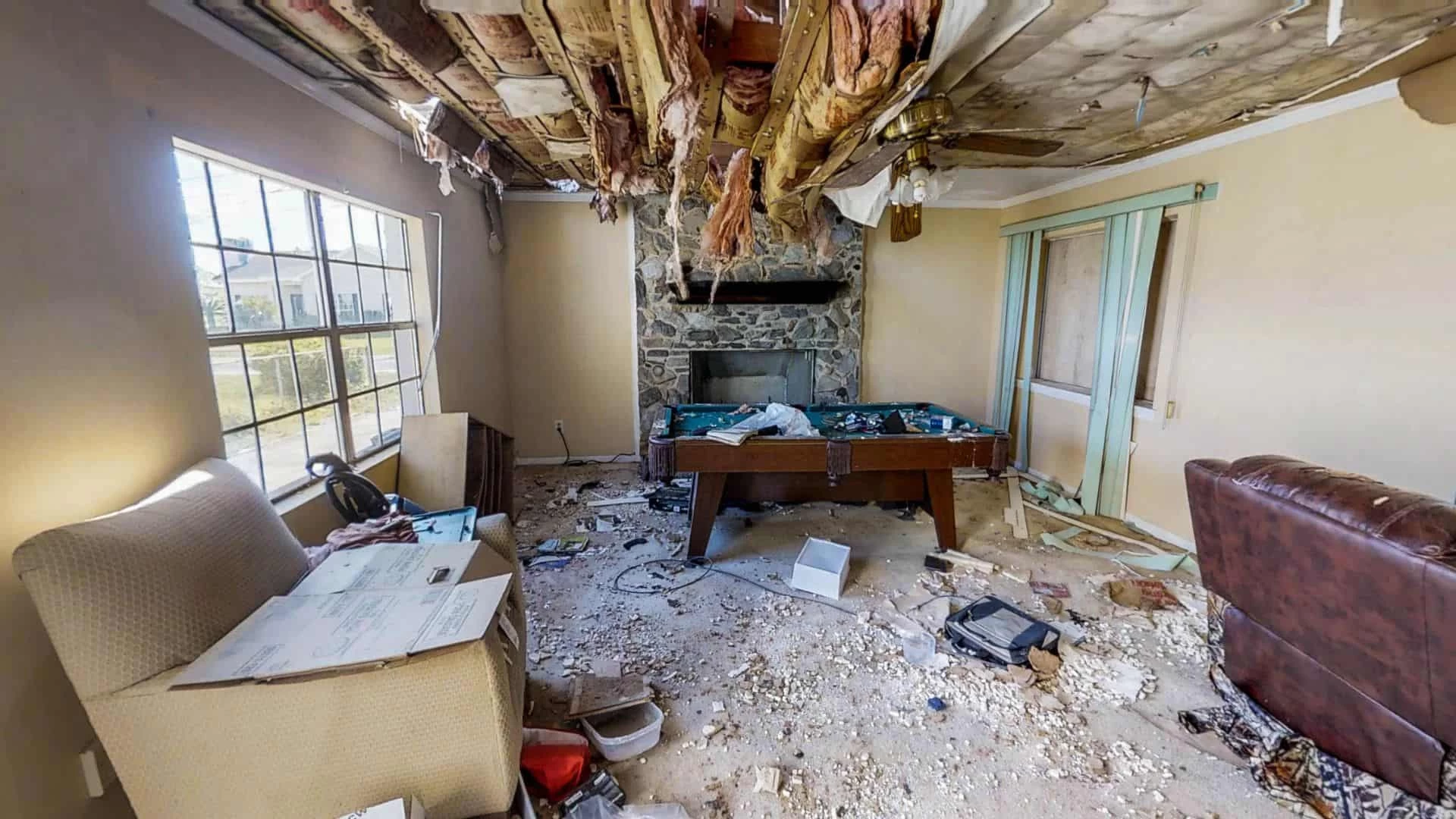
There’s a specific kind of stress that comes with discovering water damage in a Baiting Hollow home you haven’t been to since October. Maybe a pipe let go sometime in January. Maybe a nor’easter found a gap in the siding nobody knew about. Either way, by the time you’re standing in it, the damage isn’t fresh and that changes everything about how it needs to be handled.
Baiting Hollow’s seasonal housing stock, especially communities like Woodcliff Park where cottages sit unheated for months, creates a water damage profile you won’t find in most Long Island suburbs. Moisture that’s been sitting in a wall cavity since winter doesn’t just dry out on its own. It migrates into subfloors, into insulation, into framing and within 24 to 48 hours of the original event, mold has already started. By spring, what looked like a simple pipe repair is often a full remediation job.
What changes after we come through isn’t just that the water is gone. It’s that you actually know the full picture what got wet, how deep it went, whether mold is present, and what your insurance should cover. That clarity is what lets you move forward instead of guessing.
One Call Handles the Water, the Mold, and Everything Behind the Walls
We’re a Long Island-based environmental and property restoration company not a franchise, not a call center. When you call, you reach our real team that knows Baiting Hollow, understands the housing stock along the North Fork, and has the certifications to handle whatever we find once the work starts.
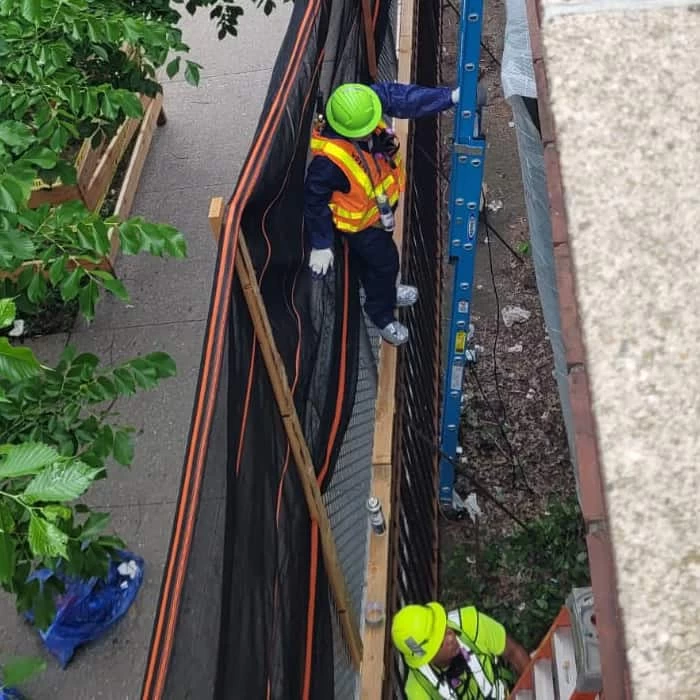
That last part matters more in Baiting Hollow than most people expect. Older cottages near Sound Avenue and the bluffs often contain materials asbestos pipe insulation, lead paint in pre-1978 construction that a water-only restoration crew simply isn’t equipped to handle legally. When those materials turn up during remediation, a single-service company stops. We don’t. Water damage, mold remediation, asbestos abatement, and lead paint removal are all handled in-house, under one roof, without handing your project off to someone else.
Our technicians are IICRC-certified and follow the S500 Standard for water damage restoration the same science-based protocol used by the best restoration operations in the country.
Water Damage Restoration Service in Baiting Hollow
From First Call to Final Walkthrough No Guesswork
It starts with a free on-site assessment. Before any work begins, one of our certified technicians walks your property, identifies every affected area including the ones you can’t see and gives you a straight answer about what you’re dealing with. Thermal imaging and professional-grade moisture meters find water behind walls, under floors, and inside crawl spaces that look completely dry on the surface. You’ll know the full scope before you commit to anything.
Once work begins, the process follows a clear sequence: water extraction first, then structural drying using industrial air movers and dehumidifiers calibrated to the specific conditions of your home. In Baiting Hollow’s older seasonal cottages, that often means accounting for limited ventilation, uninsulated wall cavities, and crawl spaces that have been holding moisture for months. Drying timelines and equipment placement are adjusted based on what’s actually in front of our crew not a standard template.
If mold is found, we handle it as part of the same job. If the Town of Riverhead Building Department requires permits for structural repairs drywall, framing, or flooring work we navigate that process as part of the project. Insurance documentation is handled in parallel, so your adjuster has everything they need without you having to track it down yourself.
Built for the Properties That Sit Empty All Winter
Water damage restoration in Baiting Hollow isn’t a one-size job. The waterfront condominiums at Fox Hill face a different set of risks than the seasonal cottages in Woodcliff Park, and both are different from the newer estate homes near Rolling Woods. Our restoration process adapts to what’s actually in front of our crew the age of the structure, the materials involved, the duration of the moisture exposure, and the specific cause of the damage.
For year-round residents, the most common scenarios are burst pipes during winter cold snaps, sump pump failures during nor’easters, and appliance or HVAC leaks that go unnoticed until the ceiling shows it. For seasonal property owners, the situation is usually a delayed discovery damage that happened months ago and has had time to work its way into the structure. Both situations are handled, but the approach is different, and the timeline is honest from the start.
Every job includes full moisture mapping, structural drying to IICRC standards, and complete documentation for insurance purposes. When the work involves pre-1978 construction common in Baiting Hollow’s older cottage communities hazardous material assessment is included at no additional charge. If asbestos or lead is identified, we handle abatement in-house rather than requiring a separate contractor and a separate timeline.
How do I know if my Baiting Hollow seasonal home has hidden water damage?
The honest answer is that you often can’t tell without professional equipment. Water that enters a structure through a burst pipe, a failed roof seal, or wind-driven rain during a nor’easter doesn’t stay where it lands. It moves into wall cavities, under subfloors, into insulation, and along structural framing and the surface can look completely normal while the interior is saturated.
This is especially common in Woodcliff Park and similar seasonal communities where homes sit closed and unheated from October through April. By the time an owner returns in spring, moisture that entered in January has had months to migrate and, in many cases, to support mold growth. We use thermal imaging cameras and calibrated moisture meters to find every affected area not just the obvious ones so you know exactly what you’re dealing with before any decisions are made. That assessment is free.
Does homeowners insurance cover water damage from a burst pipe in my Baiting Hollow home?
In most cases, yes sudden and accidental water damage from a burst pipe is covered under a standard homeowner’s insurance policy. What insurers typically won’t cover is damage that resulted from long-term neglect or a slow leak that was never addressed. The distinction matters, and it’s one reason documentation is so important from the start of the restoration process.
For Baiting Hollow homeowners with waterfront or bluff-side properties, there’s an added layer of complexity: some carry both standard homeowner’s insurance and a separate flood insurance policy through the National Flood Insurance Program. These two policies cover different types of water intrusion, and navigating both simultaneously especially for a seasonal property owner managing the situation remotely is genuinely complicated. We handle adjuster communication and claim documentation directly, so you’re not left trying to figure out which policy applies to which damage while a crew is waiting to start work.
How quickly does mold start growing after water damage in a home?
Mold can begin colonizing within 24 to 48 hours of water exposure this is the documented threshold established by the IICRC S500 Standard, which is the industry’s primary technical reference for water damage restoration. In a home with normal occupancy, that window is tight but manageable if you respond immediately. In a seasonal home that’s been closed since fall, it’s a different situation entirely.
If a pipe failed in a Baiting Hollow cottage in February and nobody discovered it until April, mold has had 60 or more days to establish itself in the wall cavities, insulation, and subfloor materials. At that point, water damage restoration and mold remediation are the same job not two separate calls. Having both handled by our team means the work is sequenced correctly, the affected materials are identified and removed properly, and the structure is dried to a level where mold cannot return. That’s the standard we work to on every job.
What happens if asbestos or lead paint is found during water damage repairs?
This comes up more often in Baiting Hollow than homeowners expect. Many of the older cottages and year-round homes along Sound Avenue and in the hamlet’s established neighborhoods were built before 1978, when both lead-based paint and asbestos-containing materials pipe insulation, floor tiles, ceiling texture were standard construction components. When water damage requires opening walls, removing flooring, or disturbing any of those materials, New York State law requires licensed abatement before the work can continue.
A water-only restoration company hits a hard stop at that point. They’re not licensed for abatement, and the job goes on hold while you find someone who is. We hold the required New York State Department of Labor licensing for asbestos abatement and are EPA RRP-certified for lead paint disturbance meaning the job doesn’t pause when hazardous materials are discovered. Everything is handled in sequence, legally and safely, by our team that started the restoration. For owners of older Baiting Hollow properties, that continuity is worth a lot.
How long does water damage restoration typically take from start to finish?
The honest answer depends on three things: how long the water has been present, how deep it penetrated, and whether secondary issues like mold or structural damage are involved. For a straightforward pipe burst in a year-round home that was caught quickly, the extraction and drying phase typically runs three to five days. Repairs to drywall, flooring, and finishes add time on top of that depending on scope.
For delayed-discovery situations which are common with Baiting Hollow’s seasonal properties the timeline is longer because the moisture has had more time to work into the structure. Mold remediation, if needed, runs parallel to or immediately follows the drying phase. If structural repairs require a permit from the Town of Riverhead Building Department, that process is factored into the overall timeline from the start. We give you a realistic schedule at the assessment stage, not an optimistic number that gets revised once work is underway.
Why should I call a professional instead of handling water damage cleanup myself?
Renting a wet vac and running fans is a reasonable instinct, but it addresses the surface not the structure. Water that’s visible on the floor is a fraction of what’s actually in the building. The rest is inside the walls, under the subfloor, and in the insulation, where consumer-grade equipment can’t reach it and where it will continue causing damage long after the floor looks dry.
In Baiting Hollow specifically, the risk of incomplete drying is higher than in most areas because of the housing stock. Older cottages with uninsulated wall cavities, crawl spaces with limited airflow, and seasonal structures that weren’t built for year-round moisture management all dry more slowly and less evenly than modern construction. We use industrial dehumidifiers and air movers calibrated to the actual moisture readings in each part of the building not just placed in the middle of the room and left running. The difference between a properly dried structure and one that looks dry is the difference between a restoration job that’s done and one that turns into a mold problem six weeks later.