Baldwin's Older Homes Don't Hide Water Damage — They Hold It
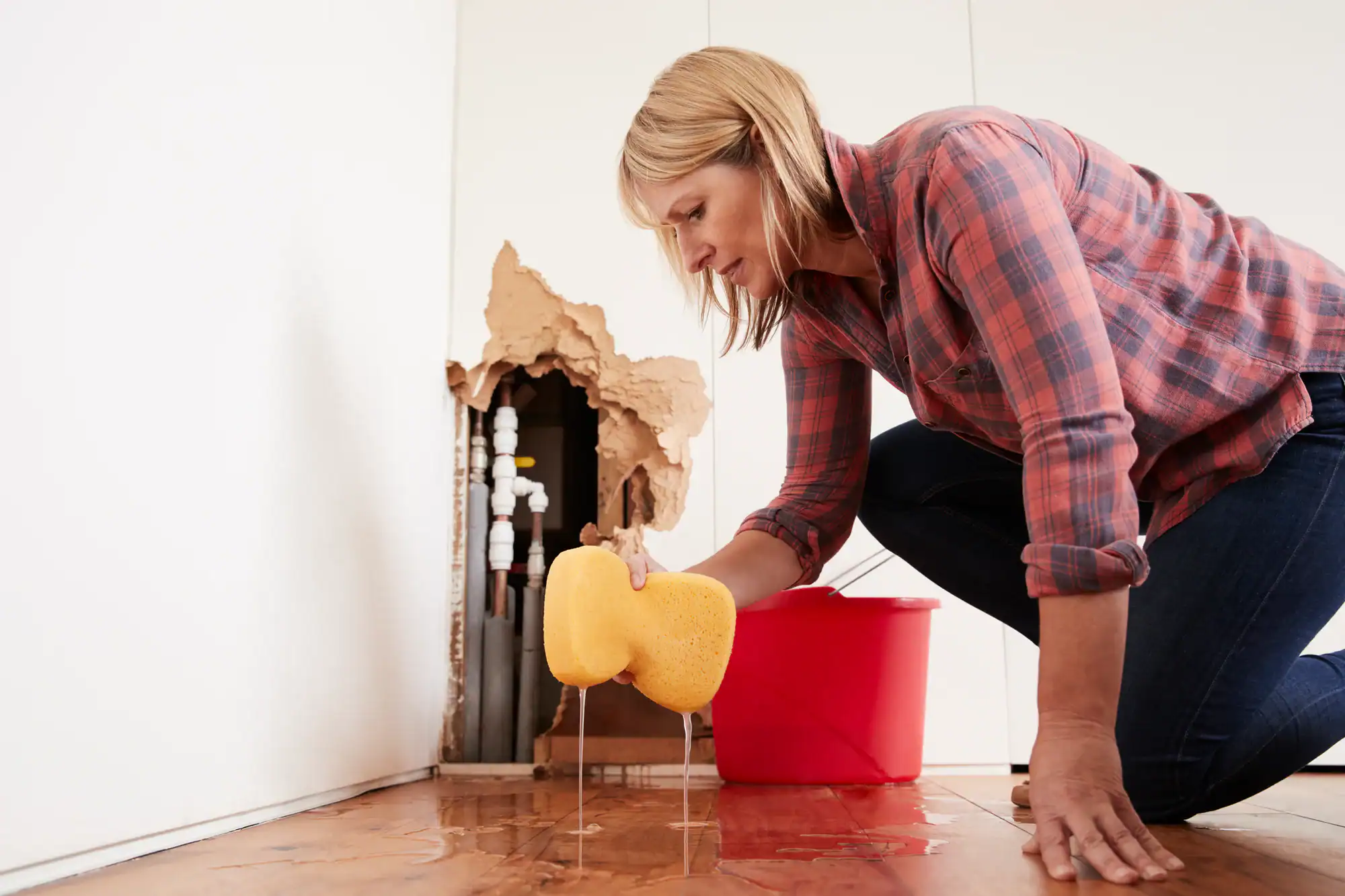
When water gets into a post-war Cape Cod or split-level, it doesn’t just sit there. It moves — into the walls, under the floors, behind the plaster. We respond fast, dry it right, and handle the insurance so you don’t have to figure that part out alone.
I needed a professional consultation explanation of procedure for safe removal of Asbestos in my apartment complex. Without having an account yet, I was very impressed with the caring, knowledgeable and generous advice offered by Jessica, and will look forward to doing business in the future. Thank you so much! I feel much more informed about a sometimes scary endeavor. Peace. Nancy Silva Mineola, NY.
Mia Munoz
Used this company to clean up some water flood in my house. They were fast and easy to work with.very professional, Would recommend to anyone!
Nini Valle
Great company, had a flood and they responded quickly and efficiently. Billed my insurance company directly. I highly recommend this company!
joe colapietro, jr
I had pipe freeze in my basement right before a snow storm and they made to within an hour to help start the clean up process. They we by our side throughout the entire process and even helped with the insurance company. They did such a great job with the cleanup, repair, remidiation, I contracted them to perform the repairs and finishes in the basement. They came with enough manpower and material to get the job done. Leo and Jessica were nothing but a pleasure to deal with!!
Cristian Arredondo c
I had some water damage in my home and Green Island was able to take care of my issue quickly and effectively. I am very pleased with the work they did. They responded quickly and were very professional.
Michael M
Outstanding service! From the office to the field crew everyone was friendly, helpful and responsive. I highly recommend Green Island Group.
What Getting This Right Actually Means for Your Baldwin Home
Baldwin’s housing stock is one of the oldest in Nassau County. More than 86% of homes here were built before 1970 — Cape Cods, split-levels, Tudors, colonials — and the materials inside those walls absorb water differently than anything built in the last 30 years. When water gets in, it doesn’t just wet the surface. It soaks into wood lathe, settles behind original plaster, and works its way through layers of material that were never designed to be dried out and reused. Getting the restoration right means understanding what those materials do when they’re wet — not just running fans and calling it done.
For homeowners in Baldwin Harbor and the southern sections of Baldwin, there’s another layer to this. Tidal flooding from the back bay, storm surge events, and drainage overflow during heavy rain are real, recurring problems here — not hypotheticals. When storm drains back up, water finds its way into basements through window wells, bulkhead doors, and foundation cracks that have been quietly widening for decades. The outcome you want isn’t just a dry basement. It’s confirmation — with actual moisture readings — that the water is gone from inside your walls too, not just off your floor.
When the job is done correctly, you get your home back. You get documentation your insurance company will accept. And you don’t get a call six months later from a home inspector telling a buyer’s attorney that there’s active mold behind the drywall.
Local Accountability That a Franchise Can't Replicate
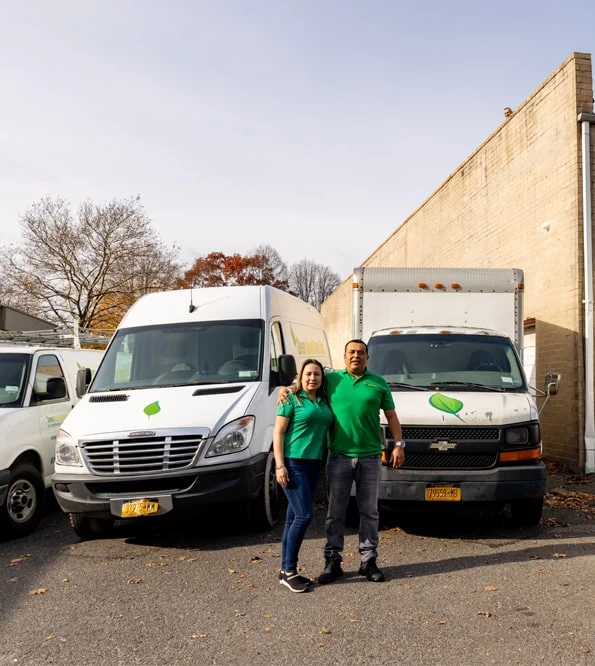
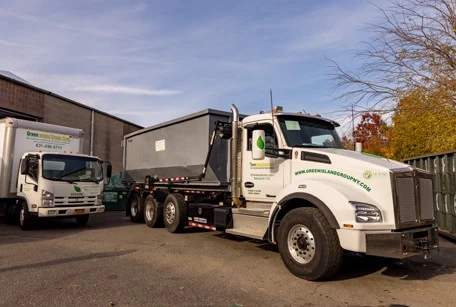
We’re a Long Island-based restoration company — not a national brand routing your call through a dispatch center somewhere else. When you call at midnight during a nor’easter and water is coming into your basement off the back bay, you’re talking to someone who can actually get a crew to your door. That matters more than any logo or 800 number.
We’ve worked on homes throughout Baldwin and the surrounding South Shore communities — Baldwin Harbor, Freeport, Rockville Centre, and Oceanside. We know what the post-war housing stock in Baldwin looks like from the inside, how the Town of Hempstead building department handles permits for restoration work, and what insurance adjusters in this market expect to see in documentation before they close a claim.
IICRC-certified, licensed under New York State’s Mold Law, and fully insured — the credentials aren’t just background noise. They’re what protect you if an adjuster questions the work or a future buyer’s inspector pulls up the history on your home.
From the First Call to the Final Moisture Reading — Here's How We Work in Baldwin
The first thing that happens when you call is an actual conversation — not a form, not a callback queue. We find out what happened, how long the water has been present, and what part of your home is affected. For homes in the southern sections of Baldwin or Baldwin Harbor, we’re also asking about the source: was this a pipe failure, a storm surge event, or drainage backup? That changes the scope of what we’re walking into.
When we arrive, we don’t start pulling things apart before we know what we’re dealing with. We use thermal imaging cameras and calibrated moisture meters to map exactly where the water has traveled — including inside wall cavities and under flooring where it’s not visible. In Baldwin’s older homes, water almost always travels further than it looks. That assessment drives everything: what gets extracted, what gets dried in place, and what needs to come out.
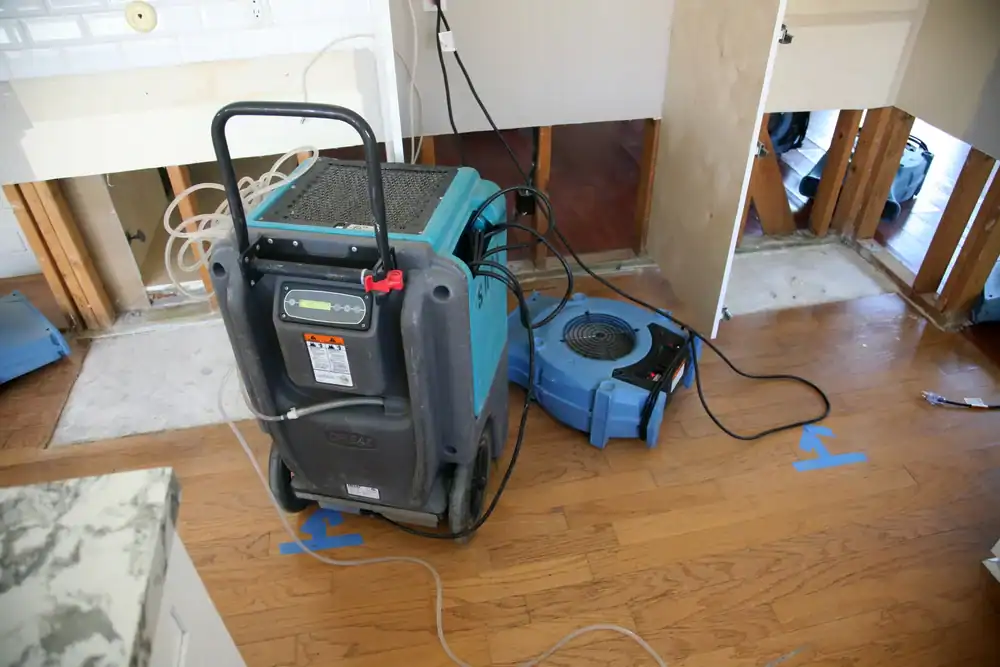
From there, we set up industrial drying equipment and monitor the moisture levels daily. In New York, mold can begin developing within 24 to 48 hours of water intrusion, so the drying timeline isn’t flexible. We don’t pull equipment until the readings confirm the structure is dry — not when it looks dry, not when it feels dry. If mold remediation is needed, we handle that under our New York State mold license. If the Town of Hempstead requires permits for any reconstruction work, we navigate that process too. And throughout all of it, we’re communicating directly with your insurance adjuster so the claim moves forward without you having to chase it.
Water damage restoration isn’t one service — it’s a sequence of them, and the outcome depends on how well each step connects to the next. We handle emergency water extraction, structural drying, moisture mapping, mold assessment, mold remediation, and reconstruction coordination. You’re not managing four different contractors. You’re working with one team from start to finish.
For Baldwin homeowners specifically, a few things come up consistently. Homes built in the 1940s through 1960s — which make up the majority of the housing stock here — often have original cast iron drain lines, galvanized supply pipes, and basement construction that was never waterproofed to modern standards. When those systems fail, or when back bay flooding pushes water through foundation walls, the damage tends to be more extensive than it first appears. Our thermal imaging assessment is designed to catch what a visual inspection misses, which is usually where the real problem is hiding.
We also work directly with all major insurance carriers. We document the damage from the moment we arrive, provide IICRC S500-compliant drying records, and communicate with your adjuster throughout the process. That documentation matters — it’s the same standard adjusters use to evaluate whether the restoration was done correctly. If your policy covers the damage, our records make sure the claim reflects that accurately.
Does homeowner's insurance cover water damage from basement flooding in Baldwin?
It depends on the source of the water, and that distinction matters more than most people realize. Standard homeowner’s insurance policies typically cover sudden and accidental water damage — a burst pipe, a failed water heater, or an appliance leak. What they generally do not cover is flooding from an external source, which includes storm surge, tidal overflow from the back bay, or surface water entering through a foundation crack during a heavy rain event. For Baldwin homeowners near the water — particularly in Baldwin Harbor or the southern sections closer to the Great South Bay — that’s a meaningful gap.
If you have a separate flood insurance policy through the National Flood Insurance Program, that coverage would apply to rising water events. The important thing is to document everything before cleanup begins. We photograph and record all damage from the moment we arrive, which gives your adjuster a complete picture regardless of which policy applies. If you’re unsure what your policy covers, we can help you understand what documentation you’ll need to support the claim.
How quickly does mold start growing after water damage in an older Baldwin home?
Mold can begin developing within 24 to 48 hours of water intrusion — and in Baldwin’s older housing stock, that window is not theoretical. Homes built in the 1940s through 1960s typically have wall assemblies with original wood lathe, older insulation materials, and plaster — all of which are highly organic and hold moisture longer than modern drywall. That means the conditions for mold growth can develop faster in these Baldwin homes than in newer construction, and in places that aren’t visible from the surface.
The other factor is hidden moisture. A basement that looks dry after water is extracted can still have elevated moisture levels inside the wall cavities and under the subfloor. That residual moisture is what feeds mold growth after the visible water is gone. This is why we use thermal imaging and moisture meters to confirm drying — not just visual inspection. If mold is already present when we arrive, we handle remediation under our New York State mold license, which is a legal requirement under the 2016 NY Mold Law, not an optional credential.
What's the difference between water extraction and structural drying — and do I need both?
Water extraction removes standing water from floors, carpets, and surfaces — it’s the first step, and it’s necessary, but it’s not the end of the job. Structural drying is what comes after: the process of removing moisture from inside the building materials themselves — walls, subfloors, framing, insulation. These are two different processes, and skipping structural drying is one of the most common reasons mold shows up weeks after a restoration job looked finished.
In Baldwin’s post-war homes, structural drying takes longer and requires more attention than it does in modern construction. Materials like original plaster, wood lathe, and older insulation absorb and release moisture at different rates than contemporary drywall and fiberglass. We monitor moisture levels daily using calibrated instruments and adjust the drying setup as needed. Equipment doesn’t come out until the readings confirm the structure has reached safe moisture levels — typically below 16% for wood materials, per IICRC standards. That confirmation is documented and included in your claim file.
How long does water damage restoration typically take for a home in Baldwin, NY?
For most residential water damage jobs, the drying phase alone takes three to five days — sometimes longer depending on how much material was affected and how long the water was present before extraction began. If reconstruction is needed after drying, that timeline extends further. The full scope depends on the source of the damage, the size of the affected area, and the condition of the materials involved.
In Baldwin specifically, a few factors tend to extend timelines. Older homes with original plaster walls and wood lathe dry more slowly than modern drywall. If the damage involves the basement — which is common here given the area’s storm drainage challenges and back bay proximity — foundation materials and concrete block absorb and release moisture slowly. If mold is discovered during the drying process, remediation adds time before reconstruction can begin. We give you a realistic timeline after the initial assessment, not a number designed to make you feel better before we’ve actually looked at the damage.
Can water damage behind walls in a Baldwin home be detected without tearing everything open?
Yes — and this is one of the most important parts of the assessment process. Thermal imaging cameras detect temperature differentials in wall surfaces caused by moisture behind them. Wet insulation and saturated wall cavities show up as distinct cold spots against the surrounding dry material. Combined with calibrated moisture meters, we can map where water has traveled inside the structure without opening walls unnecessarily.
This matters especially in Baldwin’s older homes, where walls often have multiple layers of material — original plaster over wood lathe, sometimes with later drywall added over it. Water can travel between those layers in ways that aren’t visible from either side. Thermal imaging lets us identify exactly where the moisture is concentrated so we can target the drying setup precisely, and in some cases, avoid opening sections of wall that don’t need to be touched. When we do need to open walls to dry materials that can’t be reached otherwise, we document the reason and the scope before we start — so there are no surprises on the reconstruction estimate.
Do I need a licensed mold contractor in New York, or can any restoration company handle it?
In New York State, mold assessment and mold remediation are legally regulated under Article 32 of the Labor Law — the 2016 NY Mold Law. Any company performing mold assessment or remediation on a residential property in New York must hold a separate state-issued license for each function. This is not a voluntary industry certification. It’s a legal requirement, and companies operating without it are doing so illegally.
This is worth knowing because not every contractor who shows up in Baldwin after a flood event holds these licenses. Storm-chasing contractors and smaller operators sometimes perform mold work without proper licensing, which creates real problems for homeowners — including potential complications with insurance claims and disclosure issues when the property is eventually sold. We hold the required New York State mold licenses and operate under those legal standards on every job. If mold is found during a restoration project, we handle it in-house under the same license — you’re not being handed off to a third party or left to find a separate mold contractor on your own.