Water damage doesn’t wait for business hours and in a South Shore community sitting right on the Great South Bay, it doesn’t wait for the right season either. We respond 24/7 with a local team that knows exactly what Bay Shore homes are up against.
I needed a professional consultation explanation of procedure for safe removal of Asbestos in my apartment complex. Without having an account yet, I was very impressed with the caring, knowledgeable and generous advice offered by Jessica, and will look forward to doing business in the future. Thank you so much! I feel much more informed about a sometimes scary endeavor. Peace. Nancy Silva Mineola, NY.
Mia Munoz
Used this company to clean up some water flood in my house. They were fast and easy to work with.very professional, Would recommend to anyone!
Nini Valle
Great company, had a flood and they responded quickly and efficiently. Billed my insurance company directly. I highly recommend this company!
joe colapietro, jr
I had pipe freeze in my basement right before a snow storm and they made to within an hour to help start the clean up process. They we by our side throughout the entire process and even helped with the insurance company. They did such a great job with the cleanup, repair, remidiation, I contracted them to perform the repairs and finishes in the basement. They came with enough manpower and material to get the job done. Leo and Jessica were nothing but a pleasure to deal with!!
Cristian Arredondo c
I had some water damage in my home and Green Island was able to take care of my issue quickly and effectively. I am very pleased with the work they did. They responded quickly and were very professional.
Michael M
Outstanding service! From the office to the field crew everyone was friendly, helpful and responsive. I highly recommend Green Island Group.
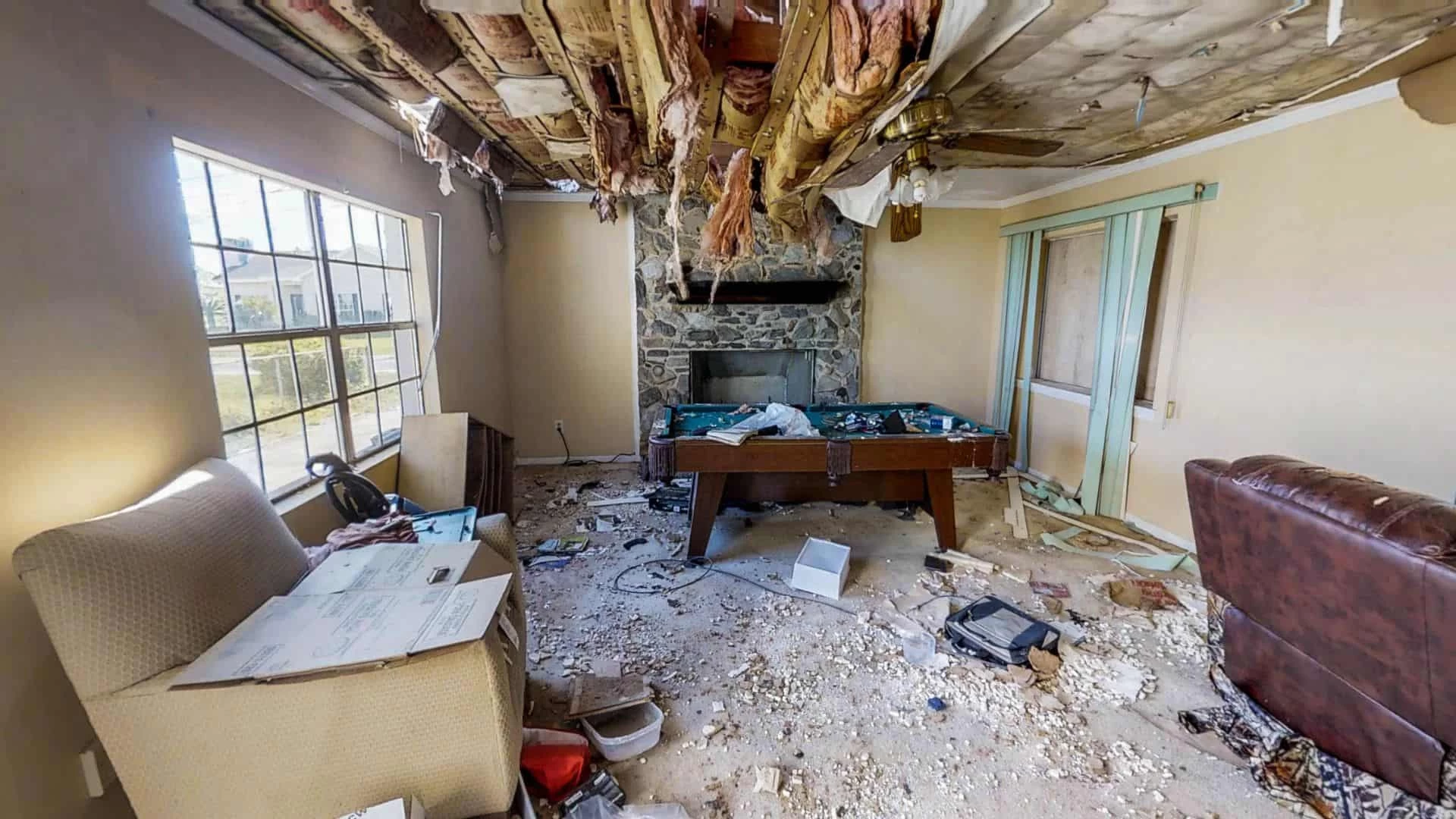
The visible water is only part of the problem. What gets left behind moisture locked inside walls, saturated subfloor, damp insulation that never fully dried is what turns a manageable cleanup into a mold remediation job three weeks later. Getting it right the first time means knowing where to look, not just what you can see.
Bay Shore’s housing stock makes this more complicated than it sounds. A significant portion of homes here were built before 1965, and many predate 1950. That means older framing, original cast-iron plumbing, and building materials including asbestos insulation and lead paint that require careful handling the moment water touches them. A company that only does surface drying isn’t equipped for what’s actually inside these walls.
The other reality of living on the South Shore is that this isn’t a one-time risk. Between the Great South Bay storm surge exposure, the area’s naturally high water table, and the flat coastal drainage patterns that overwhelmed infrastructure during the South Shore flash floods that stretched from Babylon through East Islip, Bay Shore homeowners deal with water damage events that come back. Getting your home properly dried, documented, and restored means you’re not starting from scratch the next time a nor’easter rolls through.
Real People, Real Accountability, Real Local Knowledge
We are not a franchise. There’s no national call center routing your call to whoever’s available in the region. When you call 631-613-8945, you’re reaching a Long Island team one that serves Suffolk County and knows the difference between a flooded basement in a 1958 ranch off Montauk Highway and a newer build north of Sunrise Highway in Bay Shore.
We handle water damage restoration, mold remediation, asbestos abatement, lead paint testing and removal, fire and smoke restoration, sewage cleanup, and air quality testing all under one roof. For Bay Shore homeowners dealing with pre-1980 construction, that matters. You shouldn’t have to hire a second contractor because the first one wasn’t equipped to handle what’s behind your walls.
Reviews name individual staff members by name not just “great service,” but specific people who explained the process, answered questions honestly, and followed through. That’s the kind of accountability that a national franchise operation with rotating subcontracted crews simply can’t replicate.
No Guesswork Here's Exactly What the Job Looks Like
It starts with a call and a fast response. The first thing we do on-site isn’t grab equipment it’s assess. Thermal imaging cameras and calibrated moisture meters map where the water actually went, not just where it’s visible. In Bay Shore’s older homes, water migrates into wall cavities, soaks into subfloor assemblies, and pools in crawlspaces well beyond the obvious wet zone. We can’t dry what we haven’t found.
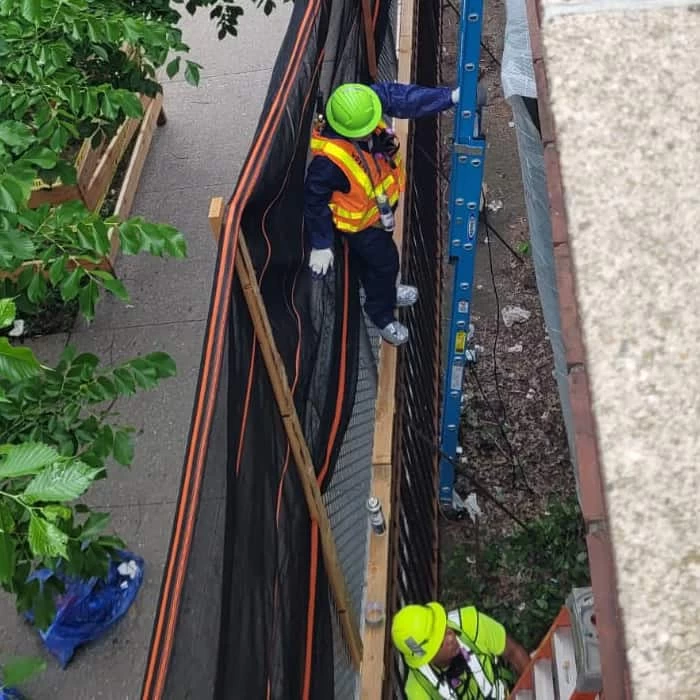
Once the full scope is documented, extraction and structural drying begin using commercial-grade dehumidifiers and air movers calibrated to the specific materials in your home. If asbestos-containing materials common in pre-1980 Bay Shore homes are disturbed or at risk, we handle that in-house under New York State Department of Labor licensing requirements, not hand it off to a third party. The same goes for lead paint in pre-1978 construction. All of it gets managed under one coordinated process, not a patchwork of separate contractors.
Throughout the job, damage is documented for your insurance claim. We work directly with your adjuster, handle the paperwork, and advocate for a complete settlement not just the surface-level line items. For Bay Shore homeowners navigating FEMA flood zone requirements or Town of Islip Building Department permits for structural repairs, having a team that understands the local regulatory landscape makes a real difference in how smoothly the process moves.
Full-Scope Restoration Built for South Shore Homes
Water damage restoration in Bay Shore isn’t a single-service job. The combination of coastal flood exposure, older housing stock, and a high water table means most jobs here involve more than extraction and drying. We offer emergency water extraction, structural drying, moisture mapping, mold remediation, asbestos abatement, lead paint testing and removal, sewage cleanup, and coordination with your insurance carrier from start to finish.
For properties in FEMA-designated flood zones and Bay Shore has them, particularly in the low-lying waterfront areas near Bergen Point and the bay-facing streets south of Montauk Highway damage documentation needs to be thorough enough to satisfy both your insurance adjuster and any substantial damage determination requirements that could affect how repairs are permitted. That’s not something every restoration company is prepared to handle. It’s a routine part of how we work in this area.
Commercial properties are covered too. Bay Shore isn’t just a residential community it has a Main Street business corridor, healthcare facilities including Southside Hospital, and a growing number of commercial properties that need restoration services scaled to a larger footprint and faster timeline than a single-family home. Whether it’s a flooded basement in a 1955 Cape on a side street off Fifth Avenue or a ground-floor commercial space downtown, the process is the same: find all the water, dry it completely, document everything, and make sure the job holds.
How quickly can mold develop after water damage in Bay Shore?
Under standard conditions, mold can begin colonizing within 24 to 48 hours of water exposure that’s the baseline established by IICRC S500 standards. In Bay Shore’s coastal environment, where ambient humidity runs higher than inland communities due to proximity to the Great South Bay, that window can tighten. A wet basement that sits untouched over a weekend isn’t just a water damage problem anymore.
This is why response time matters as much as the quality of the work itself. Mold remediation is significantly more involved and more expensive than water damage restoration handled promptly. What costs a few thousand dollars to address in the first 24 to 48 hours can escalate into a $15,000 to $40,000 mold remediation and structural repair job once colonies establish themselves inside wall cavities and framing. If you’ve had standing water in your home, the clock is already running.
Will my homeowner's insurance cover water damage restoration costs?
It depends on the source of the water, and the distinction matters more than most people realize. Standard homeowner’s insurance typically covers sudden and accidental water damage a burst pipe, an appliance failure, a roof leak from storm damage. It generally does not cover flooding from an external source, like storm surge from the Great South Bay or rising water from a flash flood event. That type of damage falls under flood insurance, which is a separate policy through the National Flood Insurance Program.
Given Bay Shore’s location and its documented history of coastal flooding including the record water levels recorded in the western Great South Bay during Hurricane Sandy understanding which policy applies to your situation is critical before you file a claim. We work directly with insurance adjusters and can help you document damage in a way that supports the strongest possible claim under whichever policy applies. The goal is to make sure nothing gets missed in the documentation that could reduce your settlement.
My Bay Shore home was built in the 1950s does that change anything about the restoration process?
It changes quite a bit, actually. Homes built before 1980 in Bay Shore commonly contain asbestos-containing materials pipe insulation, floor tiles, joint compound, ceiling texture and pre-1978 construction may have lead paint on walls, trim, and window components. When water damage disturbs these materials, or when the drying and repair process requires opening walls or replacing flooring, those hazards have to be managed under specific protocols.
In New York State, any disturbance of asbestos-containing materials requires a licensed contractor under NYSDOL regulations. Lead paint disturbance in pre-1978 homes must comply with the EPA’s Renovation, Repair and Painting Rule, which mandates certified renovators and specific containment practices. A restoration company that isn’t equipped to handle both isn’t the right fit for a pre-1960 Bay Shore home. We handle asbestos abatement and lead paint testing and removal in-house, so you’re not coordinating a second contractor in the middle of an already stressful situation.
What's the difference between water damage restoration and water damage repair?
Restoration is the full process extraction, structural drying, moisture mapping, mold prevention, and returning the property to its pre-damage condition. Repair is typically the construction phase at the end: replacing drywall, repairing flooring, fixing the source of the damage. Both are part of a complete job, but they’re not the same thing, and not every company does both.
Where this distinction matters most is in scope. A company that only handles the extraction and drying phase hands you back a structurally dried home but you still need someone to rebuild the wall, replace the subfloor, or repair the plumbing that failed. For Bay Shore homeowners dealing with the aftermath of a storm event or a major pipe failure, having a team that can coordinate the full scope from initial extraction through final repairs means fewer handoffs, cleaner insurance documentation, and a faster path back to normal.
How do I know if my basement flooding in Bay Shore is covered under flood insurance or homeowner's insurance?
The determining factor is whether the water came from inside the home or outside of it. A pipe that burst and flooded your basement is typically a homeowner’s insurance claim. Water that entered your home because the Great South Bay surged, or because the South Shore’s drainage infrastructure couldn’t handle a heavy rainfall event and water came in through your foundation or window wells, is generally a flood insurance claim under the NFIP.
Bay Shore has FEMA-designated flood zones, particularly in the lower-lying areas near Bergen Point and the waterfront streets south of Montauk Highway. If your property falls within one of those zones and you experienced flooding during a storm event, flood insurance is likely the right policy and the documentation requirements are specific. We are familiar with how FEMA flood damage documentation works and can help ensure your claim captures the full scope of what happened, which is especially important for properties that may be subject to substantial damage determinations affecting how future repairs are permitted.
Do water damage restoration companies in Bay Shore work directly with insurance adjusters?
We do, and it’s worth understanding why that matters. When an adjuster comes out to assess your property, they’re working from what they can document at that moment. If moisture inside your wall cavities or under your subfloor hasn’t been properly mapped and documented before that visit, it may not make it into your claim which means you’re paying out of pocket for damage your policy should have covered.
Having a restoration team that documents thoroughly using thermal imaging and moisture meters, and that communicates directly with your adjuster throughout the process, protects your claim from the start. This is particularly relevant for Bay Shore homeowners dealing with storm-related flooding, where the damage can be extensive and the documentation requirements are more involved. We handle adjuster communication, prepare the documentation, and work to make sure the full scope of damage is captured not just the visible surface damage that’s easy to photograph.