When the Bay Pushes Back, Your Bayport Home Needs More Than a Shop Vac
Bayport’s South Shore location and aging housing stock create water damage situations that move fast and get complicated quickly. We handle the full picture extraction, drying, mold, and everything in between.
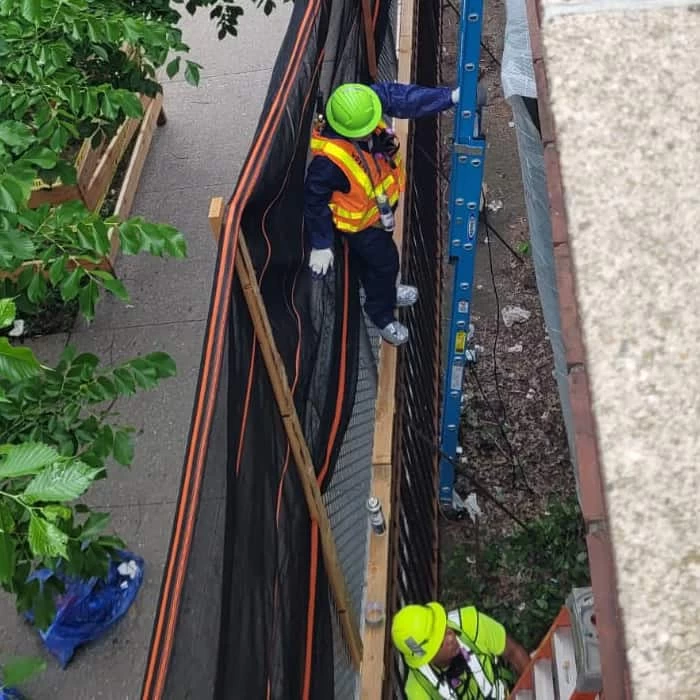
I needed a professional consultation explanation of procedure for safe removal of Asbestos in my apartment complex. Without having an account yet, I was very impressed with the caring, knowledgeable and generous advice offered by Jessica, and will look forward to doing business in the future. Thank you so much! I feel much more informed about a sometimes scary endeavor. Peace. Nancy Silva Mineola, NY.
Mia Munoz
Used this company to clean up some water flood in my house. They were fast and easy to work with.very professional, Would recommend to anyone!
Nini Valle
Great company, had a flood and they responded quickly and efficiently. Billed my insurance company directly. I highly recommend this company!
joe colapietro, jr
I had pipe freeze in my basement right before a snow storm and they made to within an hour to help start the clean up process. They we by our side throughout the entire process and even helped with the insurance company. They did such a great job with the cleanup, repair, remidiation, I contracted them to perform the repairs and finishes in the basement. They came with enough manpower and material to get the job done. Leo and Jessica were nothing but a pleasure to deal with!!
Cristian Arredondo c
I had some water damage in my home and Green Island was able to take care of my issue quickly and effectively. I am very pleased with the work they did. They responded quickly and were very professional.
Michael M
Outstanding service! From the office to the field crew everyone was friendly, helpful and responsive. I highly recommend Green Island Group.
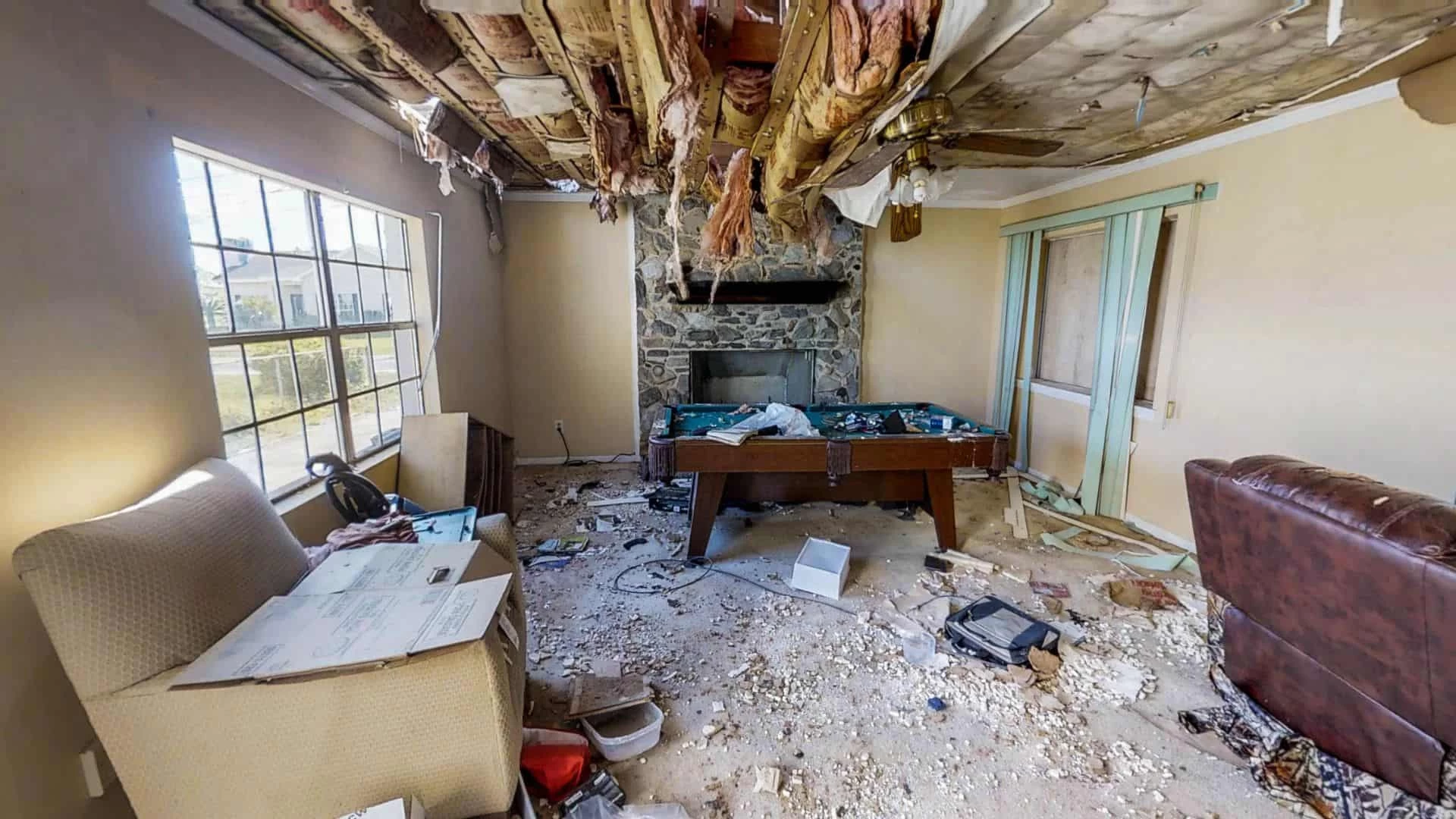
There’s a difference between a basement that looks dry and one that actually is. In Bayport’s coastal environment, where the water table sits high and humidity off the Great South Bay doesn’t give much room to breathe, moisture hides in places that feel fine to the touch behind drywall, under subfloor, inside insulation. If it’s not pulled out completely and verified with professional equipment, you’re looking at a mold problem within 48 hours.
Most of Bayport’s homes were built in the 1940s and 1960s. That means original plumbing, minimal waterproofing on the foundation, and in many cases, materials like asbestos insulation or lead paint behind the walls. When water gets in and work needs to be done, a company that only handles water can’t legally or safely touch those materials. That’s a handoff problem that costs you time, money, and coordination headaches you don’t need in the middle of a crisis.
When the job is done right, you get your home back not just dried out, but structurally sound, tested, and clear. No lingering odor, no hidden moisture reading, no second contractor to chase down. That’s the outcome worth paying for.
We’re a full-service environmental and property restoration company based in Suffolk County, serving South Shore communities including Bayport, Blue Point, Sayville, and the surrounding Town of Islip area. This isn’t a franchise with a local URL and a Hudson Valley phone number we’re a real local operation with crews that know these neighborhoods and the specific challenges that come with them.
What sets us apart in this market is scope. Water damage, mold remediation, asbestos abatement, lead paint removal, sewage cleanup, and air quality testing all handled in-house. For a community like Bayport, where most homes predate 1978 and opening a wall during a restoration job can turn into a much bigger conversation, that matters.
Our customers consistently name individual staff members in their reviews and describe feeling informed rather than pressured. In a tight-knit community like Bayport-Blue Point, that kind of accountability isn’t just good service it’s how local businesses earn their reputation.
From the First Call to the Final Walkthrough No Gaps
When you call, someone answers day or night. We run 24/7 emergency response because water damage in Bayport doesn’t wait for business hours. A nor’easter making landfall overnight, a pipe freezing and bursting at 2am in January, a sump pump failing during a March groundwater surge these are real scenarios here, and the response has to match.
Once our crew arrives, the first priority is stopping active damage and assessing the full scope. That means thermal imaging and moisture meters, not just a visual check. In Bayport’s older homes, water travels through wall cavities and under flooring in ways that aren’t obvious without the right equipment. The assessment drives the drying plan commercial-grade dehumidifiers, air movers, and in some cases, controlled demolition of saturated materials that can’t be saved.
If the job involves materials that require special handling asbestos tile, lead paint, contaminated water from a sewage backup we address that in-house, not subcontracted out. Throughout the process, we handle documentation for your insurance claim, whether that’s your homeowner’s policy, a flood insurance policy, or both. The job isn’t closed until the moisture readings confirm the structure is dry and the space is ready for whatever comes next.
Built for Bayport's Homes, Not a Generic Checklist
Bayport’s housing stock is specific. Pre-1978 construction, original cast-iron or galvanized plumbing, crawl spaces and unfinished basements that collect moisture quietly, and waterfront properties that carry flood insurance alongside their homeowner’s policy. Our restoration service accounts for all of that.
Every job starts with a thorough moisture assessment using calibrated equipment. From there, the scope covers water extraction, structural drying, mold testing and remediation if needed, and full property restoration meaning drywall, flooring, and structural repairs are handled through to completion, not handed off. For homes in Bayport’s waterfront zones where FEMA flood zone compliance affects how repairs are documented and permitted, we work within those requirements and handle the paperwork accordingly. Town of Islip building permits for structural repairs are part of the process, not an afterthought.
For properties with pre-existing environmental concerns asbestos in floor tiles or insulation, lead paint on walls that need to be opened our team is licensed and equipped to handle abatement under New York State Department of Labor requirements. That’s not a service most water damage companies can offer. In Bayport, where the combination of age, coastal exposure, and property value makes every job high-stakes, it’s the standard the work deserves.
How quickly does mold start growing after water damage in Bayport homes?
Mold can begin colonizing within 24 to 48 hours of water exposure that’s the IICRC S500 standard, and it’s not an exaggeration. In Bayport’s coastal environment, where ambient humidity off the Great South Bay stays elevated compared to inland communities, that window can feel even tighter. A finished basement that flooded during a nor’easter, a bathroom wall saturated by a slow pipe leak behind the tile, a crawl space that took on groundwater during a spring melt all of these become mold risks fast if the drying process doesn’t start immediately.
The problem is that surface drying isn’t enough. Mold grows where moisture hides inside wall cavities, under subfloor, behind insulation. Professional drying with commercial-grade equipment and verified moisture readings is the only way to know the structure is actually dry, not just dry to the touch. The faster you call, the lower the total damage and the lower the cost of getting your Bayport home back to normal.
Does homeowner's insurance cover water damage restoration in Bayport, NY?
It depends on the source of the water. Standard homeowner’s insurance typically covers sudden and accidental water damage a burst pipe, a washing machine overflow, an appliance failure. It generally does not cover flooding from outside the home, which is where a separate flood insurance policy (through the National Flood Insurance Program or a private carrier) comes in.
For Bayport homeowners in or near FEMA-designated flood zones along the Great South Bay, carrying both policies is common and filing a claim correctly when a storm event causes damage means knowing which policy covers which loss. We handle documentation for both types of claims and work directly with adjusters, so you’re not left trying to figure out the paperwork while your basement is still wet. Getting the documentation right from the start protects your claim and your reimbursement.
What should I do immediately after discovering water damage in my home?
The first thing to do is stop the source if you can shut off the main water supply if it’s a pipe failure, or move away from the affected area if it’s storm-related flooding. Don’t run fans or a household dehumidifier and assume the problem is handled. Consumer-grade equipment doesn’t move enough air volume or pull enough moisture to dry a saturated wall cavity or subfloor, and it can actually spread contaminated air in sewage backup situations.
Call a professional restoration company as soon as possible. Document the damage with photos before anything is moved or touched this is important for your insurance claim. Don’t throw anything away before an adjuster or restoration professional has seen it. In Bayport’s older homes especially, what looks like minor surface damage often has a larger moisture footprint behind it, and the sooner a professional assessment happens, the more accurately the full scope of the damage gets documented and addressed.
My Bayport home was built in the 1950s does that affect the restoration process?
Yes, and it’s one of the most important questions to ask before any restoration work begins. Homes built in the 1940s through the 1960s which describes the majority of Bayport’s housing stock commonly contain asbestos in floor tiles, pipe insulation, and ceiling materials, as well as lead-based paint on walls and trim. When water damage requires opening walls, removing flooring, or disturbing insulation, those materials can become a health hazard if they’re not handled properly.
New York State Department of Labor licensing is required for asbestos abatement, and the EPA’s Renovation, Repair and Painting Rule applies to lead paint work in pre-1978 homes. A water damage company that isn’t licensed for these materials either has to stop work and bring in a separate contractor creating delay and coordination problems or risks handling regulated materials without proper protocols. We’re licensed and equipped to handle the full scope in-house, which means the job moves forward without unnecessary interruption or risk to your family.
How much does water damage restoration typically cost in the Bayport area?
The honest answer is that it varies significantly based on the size of the affected area, the category of water involved, and how far the moisture has spread. A minor appliance leak caught early might run a few hundred dollars for extraction and drying. A flooded finished basement in a mid-century Bayport home with saturated drywall, wet insulation, damaged flooring, and potential mold risk can reach $5,000 to $15,000 or more depending on the scope of structural repairs needed.
What affects the number most is how quickly the damage is addressed. Every hour of delay allows moisture to migrate further and mold risk to increase, which directly increases the cost of remediation. We provide a thorough on-site assessment and a clear estimate before work begins, and handle insurance documentation to minimize your out-of-pocket exposure. For Bayport properties with both homeowner’s and flood insurance, getting the claim filed correctly from the start can make a significant difference in what you actually pay.
Can water damage in a Bayport basement cause long-term structural problems if not fully dried?
It can, and this is where cutting corners on the drying process creates problems that show up months or years later. When wood framing, subfloor, or structural members stay damp even slightly they become vulnerable to rot, warping, and ongoing mold growth. In Bayport’s South Shore environment, where the water table is naturally high and basement humidity tends to run elevated compared to inland communities, a structure that wasn’t fully dried after a flood event doesn’t get a lot of help from the surrounding conditions.
Beyond the structural risk, incomplete drying affects air quality in the home over time. Mold that establishes in a wall cavity or under a floor doesn’t stay contained it spreads, and the spores circulate through the living space. For families in the Bayport-Blue Point community with children at home, that’s not an abstract concern. Professional drying verified with calibrated moisture meters not a visual check or a consumer dehumidifier is the only way to confirm the structure is actually dry and the risk is genuinely resolved.