When Long Island Sound Comes Inside, You Need Someone Who Knows This Shore
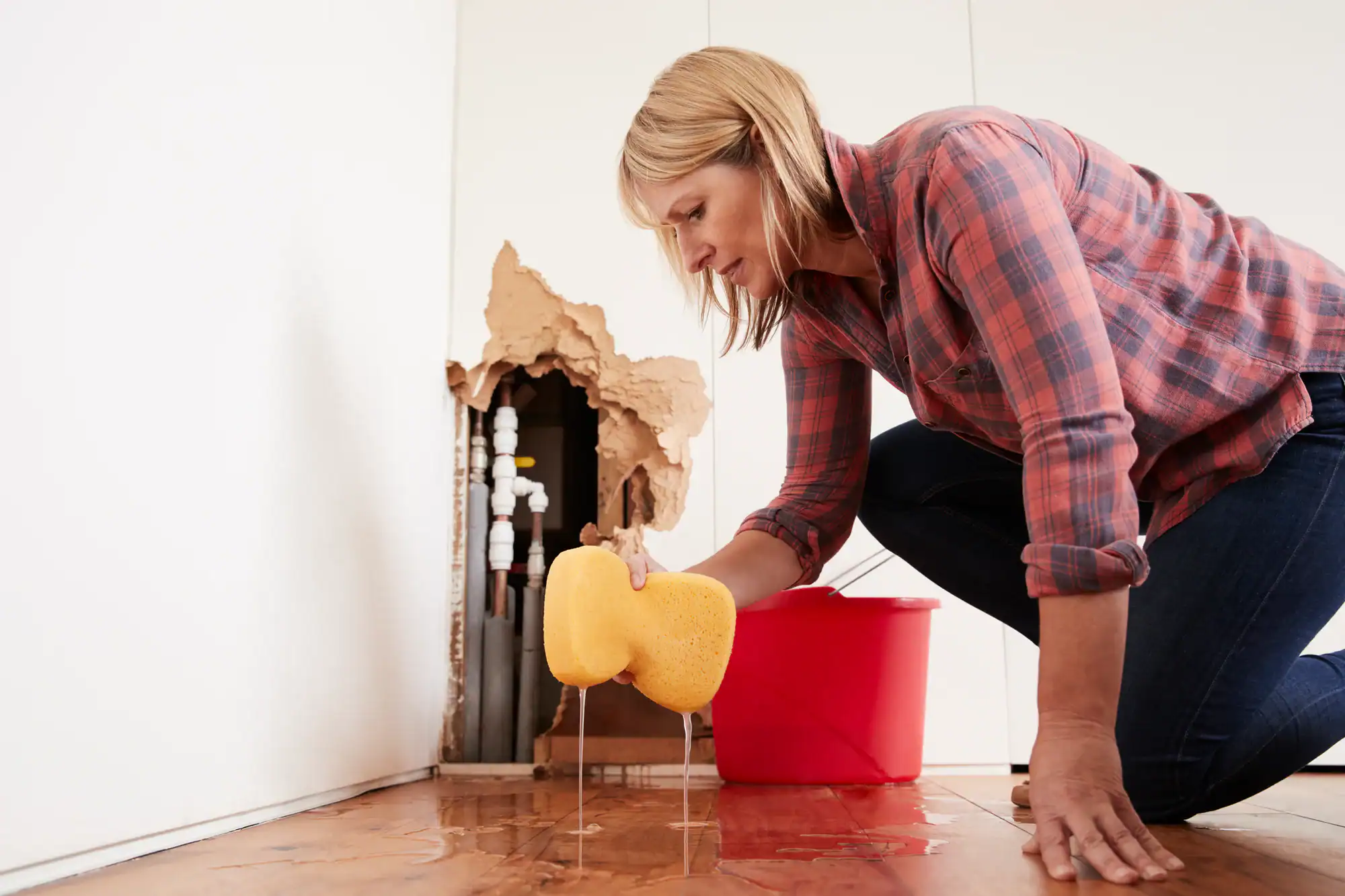
Bayville homes face water damage risks that most of Nassau County simply doesn’t. We provide 24/7 emergency water damage restoration for homeowners on the North Shore — with the local knowledge to back it up.
I needed a professional consultation explanation of procedure for safe removal of Asbestos in my apartment complex. Without having an account yet, I was very impressed with the caring, knowledgeable and generous advice offered by Jessica, and will look forward to doing business in the future. Thank you so much! I feel much more informed about a sometimes scary endeavor. Peace. Nancy Silva Mineola, NY.
Mia Munoz
Used this company to clean up some water flood in my house. They were fast and easy to work with.very professional, Would recommend to anyone!
Nini Valle
Great company, had a flood and they responded quickly and efficiently. Billed my insurance company directly. I highly recommend this company!
joe colapietro, jr
I had pipe freeze in my basement right before a snow storm and they made to within an hour to help start the clean up process. They we by our side throughout the entire process and even helped with the insurance company. They did such a great job with the cleanup, repair, remidiation, I contracted them to perform the repairs and finishes in the basement. They came with enough manpower and material to get the job done. Leo and Jessica were nothing but a pleasure to deal with!!
Cristian Arredondo c
I had some water damage in my home and Green Island was able to take care of my issue quickly and effectively. I am very pleased with the work they did. They responded quickly and were very professional.
Michael M
Outstanding service! From the office to the field crew everyone was friendly, helpful and responsive. I highly recommend Green Island Group.
Your Bayville Home Dried Out, Documented, and Protected From What Comes Next
Water damage doesn’t end when the water stops. It moves into wall cavities, under subfloors, and behind baseboards — and if it’s not pulled out completely, you’re looking at mold within 24 to 48 hours. That’s what the EPA and IICRC both document, and in a coastal village like Bayville, where ambient humidity off Long Island Sound keeps building materials wetter longer, that window closes faster than it does inland.
For homes along the waterfront or near the beach in Bayville, the damage often comes from two directions at once — storm surge pushing in from the Sound while heavy rain overwhelms drainage on a narrow peninsula with limited runoff pathways. That’s a different problem than a burst pipe in a Plainview split-level, and it needs a different response. Knowing how water behaves in a low-lying coastal home is not something you pick up from a training manual.
What you get on the other side of a properly completed restoration is a dry home, a clean moisture reading in every affected area, and documentation your insurance carrier will actually accept. No guesswork, no hidden moisture left to become next month’s mold problem, and no crew that had to look up your address before they got in the truck.
Not a Franchise. Not a Subcontractor. Long Island, Start to Finish.
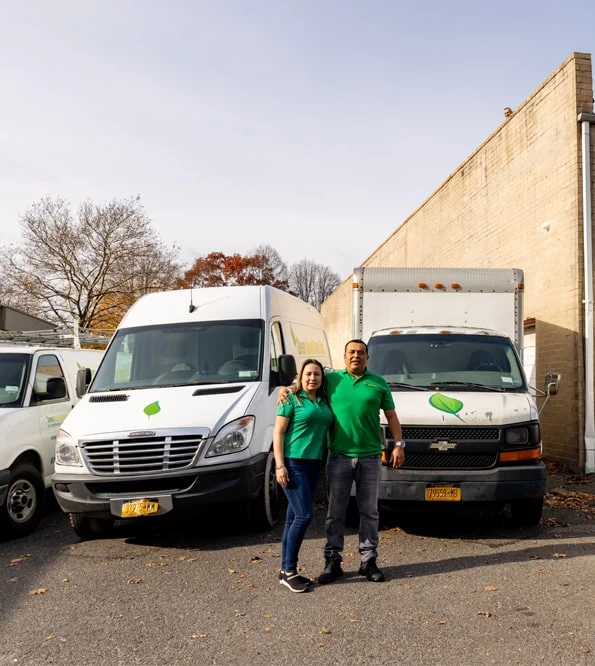
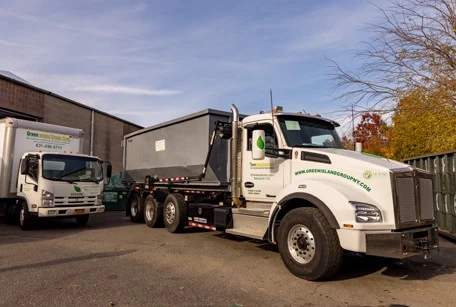
We are independently owned and operated on Long Island — not a franchise location, not a corporate brand with a local phone number stapled on. When you call, you reach a local team. The same crew that starts your job finishes it, and there’s no national dispatch center deciding who shows up at your door.
We serve Nassau and Suffolk County, and the North Shore is home territory. We know the difference between restoring a century-old beach house on Bayville Avenue and a postwar colonial in another part of Nassau. Older homes — and Bayville has a lot of them, with more than a quarter of the housing stock built before 1950 — have plaster walls, original hardwood subfloors, and aging plumbing that behaves differently when wet. That’s not a complication for us. It’s just the work.
Local reputation matters more in a village like Bayville than it does almost anywhere else on Long Island. People talk. We know that, and we work accordingly.
Emergency Water Damage Restoration Service Bayville
What Happens From Your First Call to a Dry, Documented Bayville Home
You call, and someone answers — not a call center, not an after-hours voicemail. We get your address and we’re moving. Getting to Bayville means knowing the North Shore road network and crossing the single drawbridge on Bayville Road. We know the route. That matters at 2 a.m. when every minute of standing water is working against you.
When we arrive, the first thing we do is assess the full scope of the damage — not just what’s visible. We use thermal imaging cameras and professional moisture meters to map every affected area, including the moisture inside wall assemblies and under flooring that you can’t see and a household fan will never reach. In a home that’s been exposed to storm surge or persistent coastal flooding, that step is not optional. It’s the difference between a real restoration and a surface-level dry-out that leaves a mold problem behind your drywall.
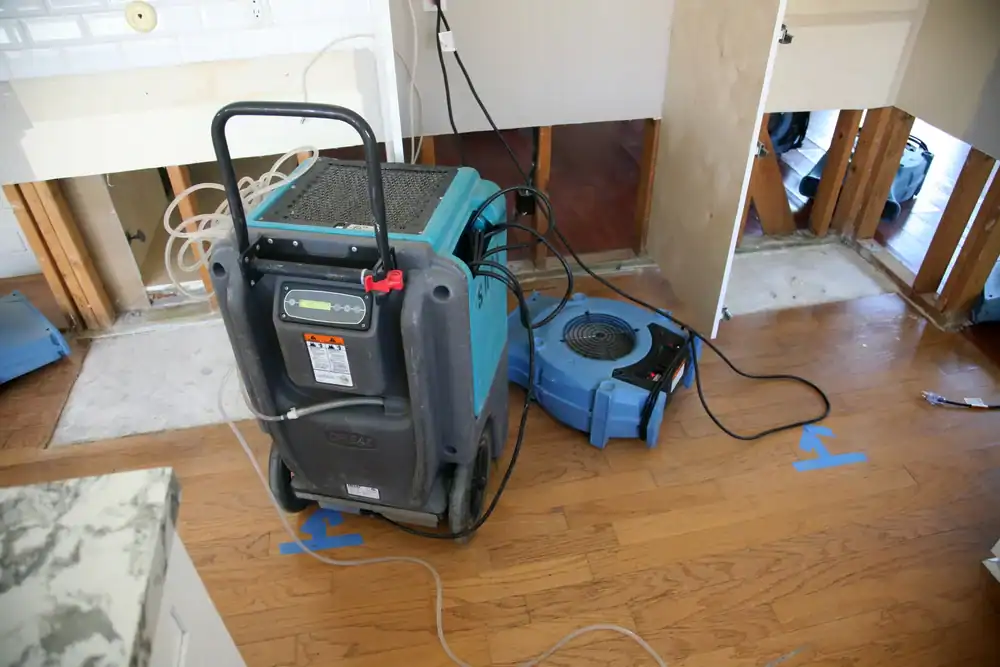
From there, we deploy industrial air movers and desiccant dehumidifiers to draw moisture out of building materials — not just off their surfaces. We document everything throughout the process for your insurance claim, handle communication with your adjuster, and don’t close the job until the moisture readings confirm the work is done. If mold remediation is needed, we’re licensed under New York State’s Mold Law to handle it — separately licensed, as the law requires, not a company cutting corners on a credential that has real legal weight.
What's Included When Your Bayville Home Needs More Than a Fan and a Prayer
Every water damage restoration job we complete in Bayville covers the full scope — extraction, structural drying, moisture mapping, mold prevention, and insurance documentation. There’s no stripped-down version of this service, because a stripped-down version is how you end up with hidden mold six weeks later.
For waterfront and near-waterfront properties in Bayville, we account for the specific conditions that come with Long Island Sound exposure: elevated ambient humidity that slows drying, older building materials that hold moisture differently than modern construction, and the possibility that your home carries both a standard homeowners policy and a separate flood insurance policy through the NFIP or a private carrier. Filing claims against two policies simultaneously — with different documentation requirements and different adjusters — is genuinely complicated. We manage that process for you, from initial damage documentation through final settlement communication.
New York State’s Mold Law requires that mold assessment and mold remediation be performed by separately licensed professionals. We are fully licensed and compliant under the NY State Department of Labor requirements. That matters for your insurance claim, for your legal protection as a homeowner, and frankly for the quality of the work itself. If a company can’t show you a NY State mold remediation license, that’s a real problem — not a technicality. Bayville’s coastal humidity means mold risk after water intrusion is elevated year-round, and the company you hire needs to be qualified to address it properly.
How quickly can water damage lead to mold in a Bayville home?
Mold can begin growing within 24 to 48 hours of water intrusion — that’s documented by both the EPA and the IICRC. But in Bayville, the timeline is tighter than it is in most of Nassau County. The village sits directly on Long Island Sound, and the baseline outdoor humidity here is consistently higher than inland communities. That means building materials stay wet longer after a flood or pipe failure, and mold establishes more aggressively in those conditions.
The other factor specific to Bayville is the housing stock. Homes built before 1950 — which make up a significant portion of the village — have materials like plaster, old-growth timber framing, and original hardwood subfloors that absorb and retain moisture differently than modern construction. Those materials can look dry on the surface while holding significant moisture inside. Professional moisture metering and thermal imaging are the only reliable way to know what’s actually happening inside your walls, and the sooner that assessment happens after water intrusion, the better your odds of avoiding a full mold remediation.
Does homeowners insurance cover water damage restoration, or do I need flood insurance?
It depends entirely on the source of the water, and this is where a lot of Bayville homeowners run into confusion. Standard homeowners insurance typically covers sudden and accidental water damage — a burst pipe, a washing machine hose failure, an appliance leak. It generally does not cover flooding from an external water source, which includes storm surge from Long Island Sound, tidal inundation, or overland flooding from a storm event.
For that category of damage, you need a separate flood insurance policy — either through the National Flood Insurance Program (NFIP) or a private carrier. Many Bayville homeowners with waterfront or near-waterfront properties carry both, which creates a situation where you’re filing claims against two different policies with two different sets of documentation requirements and two different adjusters. That process is genuinely complex, and handling it incorrectly can result in underpayment or denial. We manage the entire insurance documentation and claims process on your behalf — for both policies if applicable — so you’re not navigating that alone while also dealing with a damaged home.
What's the difference between a professional water extraction and just using fans and a dehumidifier?
Consumer fans and rental dehumidifiers move surface air. They don’t remove moisture from inside wall assemblies, under flooring systems, or within structural cavities — and that’s exactly where the moisture that causes long-term damage lives. If you dry the surface of a wet wall with a box fan, the wall may feel dry to the touch within a day or two. The moisture inside the wall assembly, however, can persist for weeks, and mold doesn’t need the surface to be wet to grow. It needs the interior to be wet.
Professional restoration equipment — industrial air movers and desiccant dehumidifiers calibrated to IICRC standards — creates the pressure differentials necessary to draw moisture out of building materials at the structural level. The process is also documented with moisture readings taken at multiple points throughout drying, which gives you a verifiable record that the job was completed correctly. That documentation matters for your insurance claim and it matters for your own peace of mind. In a Bayville home with older construction and elevated ambient humidity from the Sound, surface drying is not a substitute for structural drying.
How does Bayville's single road access affect emergency response time for water damage?
Bayville is accessed by a single drawbridge on Bayville Road — there’s one way in and one way out. A national franchise routing your call through a corporate dispatch system and sending a crew from a distant location may face significant delays navigating to a semi-isolated North Shore peninsula they’ve never served. That’s a real logistical factor that most homeowners don’t think about until they’re watching water spread across their floor at midnight.
A local company that serves Long Island knows the North Shore road network and knows how to get to Bayville efficiently. That difference in response time — even 30 to 45 minutes — is meaningful when standing water is actively migrating into wall cavities and the mold clock is running. We’re not navigating to Bayville for the first time when you call. The route is already known, and that matters in an emergency.
Is mold remediation required after every water damage event, and is a license required in New York?
Not every water damage event results in mold growth, but whether mold develops depends on how quickly the water is extracted, how thoroughly the affected area is dried, and the environmental conditions in the home. In Bayville specifically — with its coastal humidity and significant percentage of older homes with materials that hold moisture — the risk of mold developing after an inadequately addressed water event is higher than in drier inland communities. The honest answer is that you won’t know whether mold is present without a professional assessment, and you shouldn’t assume it isn’t just because you can’t see it.
On the licensing question: yes, New York State law requires that mold assessment and mold remediation be performed by separately licensed professionals, under regulations that took effect in 2016. The NY State Department of Labor issues these licenses, and a company that performs both assessment and remediation must use separately credentialed parties for each. Many restoration companies operating in Nassau County are not in compliance with this requirement. Hiring an unlicensed company for mold work can create complications with your insurance claim and expose you to legal liability as a homeowner. It’s worth asking any company you consider for their NY State mold remediation license number before work begins.
What does water damage restoration typically cost for a home in Bayville, NY?
The range is genuinely wide because the scope of water damage varies significantly. A contained pipe burst affecting one room in a newer home is a very different job than a coastal flood event that’s pushed water through the lower level of a pre-1950 Bayville beach house with original hardwood floors and plaster walls. As a general reference point, water damage restoration jobs in Nassau County typically range from around $1,500 to $2,500 for smaller, contained events and can run $5,000 to $15,000 or more for larger-scale flooding with structural drying, mold remediation, and reconstruction.
For Bayville homeowners, a few factors tend to push costs toward the higher end of that range: the age and construction type of many homes here, the elevated humidity environment that extends drying time, and the complexity of dual-policy insurance situations common among waterfront property owners. The good news is that when the damage source is covered — whether by your homeowners policy, your flood policy, or both — the restoration cost is largely handled through your claim. We document everything from day one with insurance requirements in mind, which gives you the best possible foundation for a full and accurate settlement rather than a lowball payout based on incomplete documentation.